Affordable Flower Delivery: A Florist's Guide to Spending Less and Sending Better
Affordable flower delivery comes down to two things: a fair, predictable delivery fee and a bouquet chosen for value rather than size. With us, delivery within a city in Russia costs 500 RUB, and the smartest savings come from picking seasonal, long-lasting flowers, ordering ahead of peak dates and getting the address details right the first time.
I'll explain where the money in a bouquet actually goes, which flowers look generous on a modest budget, how timing changes what you get, and the small practical mistakes that turn a sensible order into an expensive one. If you are sending flowers to family or friends in Russia from abroad, the last sections cover exactly how to do it without paying for things you don't need.
What really makes a bouquet expensive
The price of a bouquet is mostly the flowers themselves, then the florist's work, then the packaging. Stem count is the obvious driver, but the type of flower matters just as much: a single premium peony or a long-stemmed garden rose can cost as much as several sprays of chrysanthemums. Elaborate wrapping, boxes, extra ribbons and decorative fillers add to the total without making the flowers last any longer.
Delivery is the part people worry about most, and it is the easiest to plan. Our city delivery is a flat 500 RUB. For remote districts and suburbs, the operator confirms the delivery price when confirming your order, so you know the full amount before anything goes out.
So the real question is not how to find the cheapest flowers, but how to get the most beauty and vase life per rouble. That is what the rest of this guide is about.
Flowers that look generous on a modest budget
Spray flowers are your best friend. Spray roses, spray chrysanthemums and alstroemeria carry several blooms on one stem, so five stems can look like fifteen. Bush chrysanthemums in particular are underrated: they come in white, cream, green, pink and lilac, and they routinely last two weeks or more in a vase.
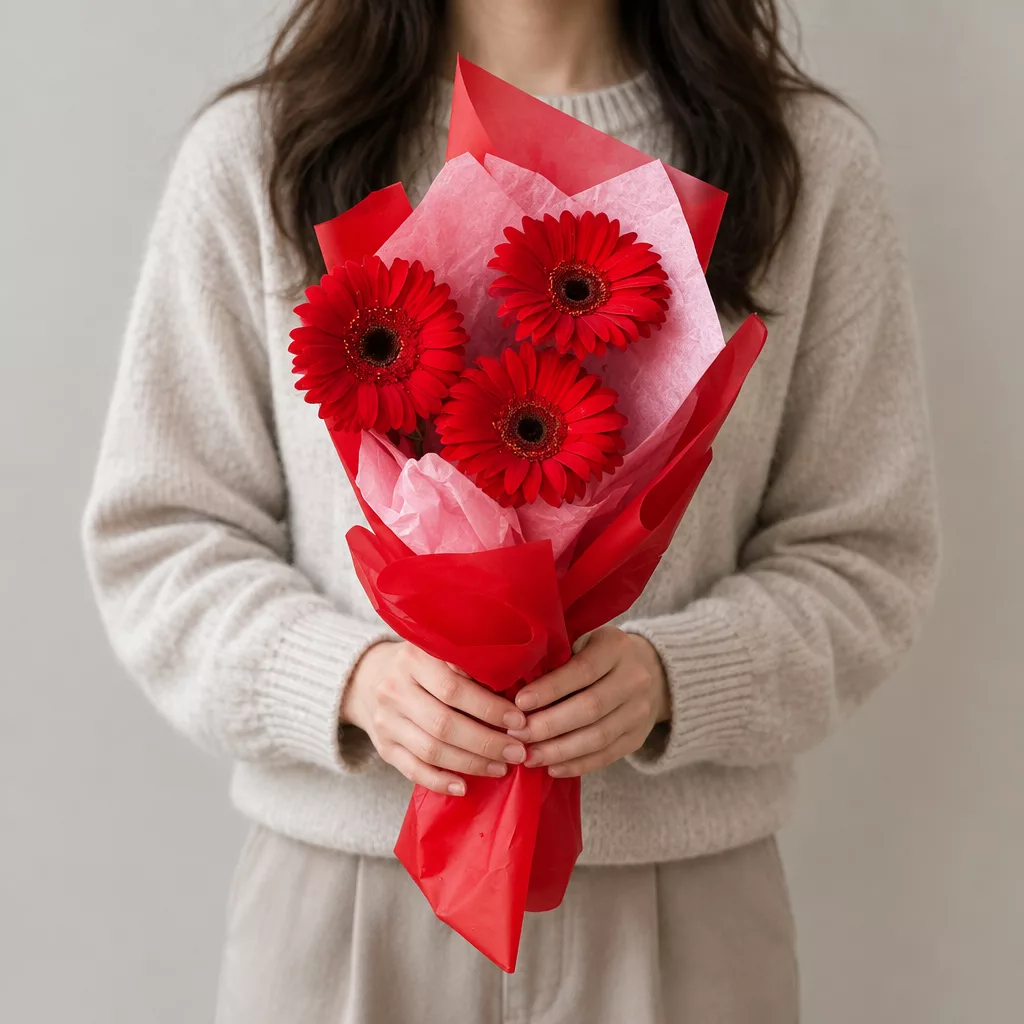
Alstroemeria is another value champion. It lasts well over a week, opens new buds as it goes and comes in almost every colour. Carnations, once seen as old-fashioned, are back in fashion and are among the longest-lasting cut flowers you can buy. Gerberas give a big, cheerful face for a single stem, which makes them good for small, bright bouquets.
A mono bouquet, made of one kind of flower in one or two shades, often looks more stylish than a mixed bunch at the same price, because the eye reads it as deliberate. Seven or nine tulips in spring, a cloud of white chrysanthemums in autumn, or a handful of spray roses in a single tone all look considered and calm. Browse the bouquets catalogue with this in mind and you'll notice how many compact options feel just as special as large ones.
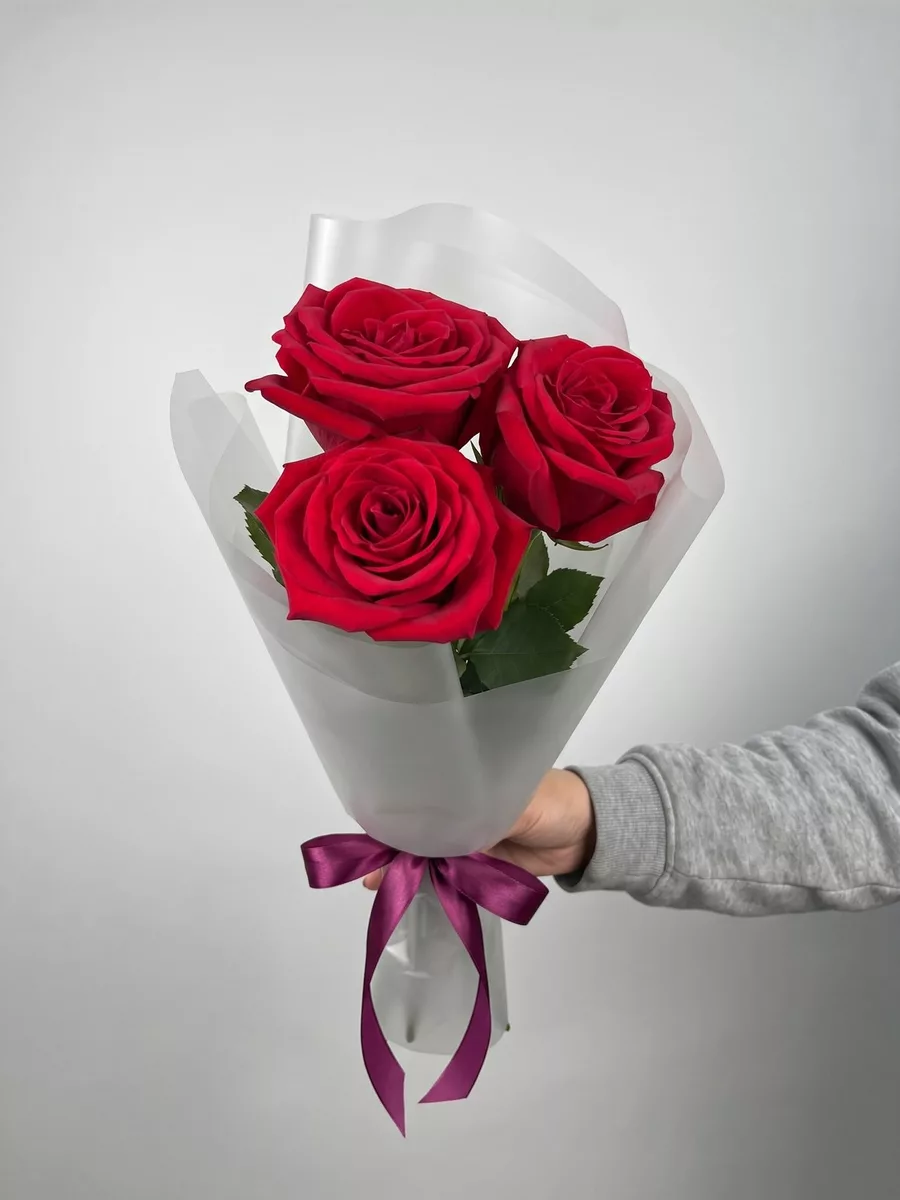
Bouquets we can deliver


Timing: when ordering ahead saves you money and stress
In Russia, flower demand spikes sharply around a few dates: 14 February, 8 March (International Women's Day, the busiest flower day of the year), 1 September (the start of the school year) and Teachers' Day on 5 October. In the days before these, popular flowers sell out and the choice narrows. Ordering early gives you the full catalogue to choose from rather than whatever is left.
You can pre-order 1 to 30 days ahead, which is the simplest way to lock in the bouquet you want. You can also pick a delivery window, 09-12, 12-15, 15-18 or 18-21, or an exact time within plus or minus 30 minutes. In large cities, express delivery within 1-2 hours of the order being confirmed is available when something comes up at the last minute.
Seasonality also matters. Tulips are at their best and most plentiful in spring, peonies in late spring and early summer, sunflowers and asters in late summer, and chrysanthemums through autumn and winter. A bouquet built around what is in season tends to be fresher and better value than one built around a flower that is out of its natural window.
Small mistakes that make delivery cost more than it should
The most common one is an incomplete address. In Russian apartment blocks, the courier needs the building, entrance (podyezd) number, floor, flat number and, ideally, the door intercom code. Without them the courier may wait outside while the recipient is unreachable. Ask a relative for these details before you order, not after.
The second is a wrong or switched-off phone number. The courier calls the recipient about 15 minutes before arrival, so the number must be one they actually answer. If the recipient is not there, we agree a second delivery the same day, or hand the flowers to a neighbour or concierge with your consent. Telling us in advance who can accept the bouquet saves a lot of back and forth.
The third is paying for size you don't need. A huge bouquet in a small flat with no big vase often ends up split into jars around the kitchen. For an elderly relative, a compact, long-lasting arrangement is kinder and more practical than an armful of stems that need daily care.
How to send affordable flowers to Russia from abroad
Pick the bouquet on the site, fill in the recipient's address and phone number, and write your message for the card, which is free. Pay online by bank card, SBP or Yandex Pay; the delivery and payment page has the details. If you are unsure which bouquet fits the occasion and your budget, a manager on WhatsApp can help you choose, agree the time, address and card text, and send you a photo of the bouquet before delivery.
Delivery is anonymous by default, so the courier does not name the sender. That is handy for surprises, and it also means you should sign the card if you want the recipient to know the flowers are from you.
We deliver across Russia, including smaller towns. If your recipient lives outside a big city, it is worth reading what to expect in a specific place, for example our guide to flower delivery in Elektrostal, and remembering that for suburbs and remote districts the operator confirms the delivery price with you.
Make the flowers last: the cheapest upgrade of all
A bouquet that lasts two weeks is effectively half the price of one that fades in a week. Tell your recipient, or add a line to the card, to recut the stems at an angle, remove leaves below the waterline, use a clean vase and change the water every two days. These four steps do more than any flower food.
Placement matters too. Russian flats are heated from autumn to spring and radiators run hot, so a vase on a windowsill above a radiator wilts quickly. A cooler spot away from direct sun and away from a fruit bowl adds days. Chrysanthemums, carnations and alstroemeria reward this care most generously.
Frequently asked questions
How much does flower delivery cost in Russia?
Delivery within a city costs 500 RUB. For remote districts and suburbs, the operator confirms the delivery price when confirming your order.
Which flowers give the best value?
Spray chrysanthemums, spray roses, alstroemeria and carnations. They carry several blooms per stem or last two weeks and more, so a small bouquet looks generous for a long time.
Can I order flowers to Russia from another country?
Yes. Choose a bouquet on the site, enter the recipient's details and pay online by bank card, SBP or Yandex Pay. The card with your text is free.
Is it cheaper to order in advance?
Ordering ahead mainly gives you a wider choice, especially before 8 March, 14 February and 1 September. You can pre-order 1 to 30 days ahead and pick a delivery window.
What if the recipient is not at home?
The courier calls about 15 minutes before arrival. If nobody is home, we agree a second delivery the same day or hand the flowers to a neighbour or concierge with your consent.
Ready to send flowers?
Pick the city, choose the bouquet, and a local florist takes it from there.
Choose a city →