Air drying flowers: how to preserve a bouquet at home
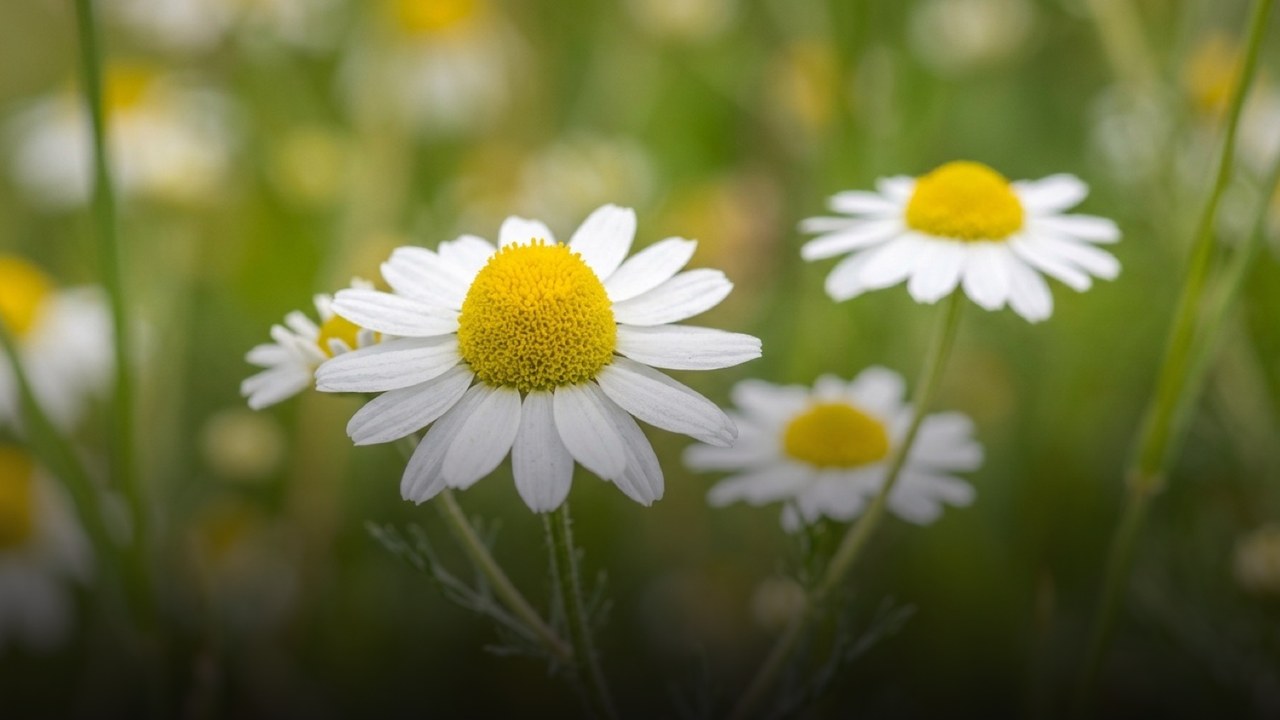
Air drying flowers means letting moisture evaporate naturally while the stems hang upside down in a dry, dark, well-ventilated place. Start before the flowers wilt, remove excess leaves and hang small bundles with space between them. Many flowers take roughly two to four weeks, but thick heads and humid conditions can extend the drying time.
The result will look different from a fresh bouquet: petals usually shrink, colours change and stems become more brittle. That is part of the process, so choose flowers for their shape as well as their colour. You can preserve a few meaningful stems without keeping the whole arrangement, especially when different flowers are likely to dry at different speeds.
Choose flowers that can hold their shape
Statice, strawflowers and baby's breath are useful choices because their small or papery flowers tend to retain a recognisable outline as they dry. Roses can also work well, although their heads contract and the outer petals may curl. Begin with a few spare stems if you are preserving flowers for the first time; this lets you judge the result before committing an entire sentimental bouquet.
Choose healthy flowers that are open enough to show their shape but still have firm, attached petals. A tight rosebud may dry without ever opening, while a fully blown rose can shed petals as you handle it. Skip stems with slimy patches, visible mould or collapsing heads. Drying removes moisture; it cannot reverse deterioration that has already started.
Soft, fleshy flowers such as tulips and lilies are less predictable when hung to dry: petals may distort or drop, and the finished shape can be disappointing. Hydrangeas need particular attention to maturity; firmer, papery heads generally fare better than soft, newly opened ones. See our hydrangea drying guide for a closer look at that flower.
Prepare the bouquet before you hang it
Unwrap the bouquet and separate the stems so you can inspect each one. Remove any water tubes, wet wrapping and decorative material that could trap moisture around the flowers. If the bouquet has been standing in water, gently blot wet stem ends before bundling. Avoid washing the flower heads: extra moisture between tightly packed petals makes air drying more difficult.
Strip away most leaves, especially where stems will touch inside a bundle. You can retain a little healthy foliage if it is important to the silhouette, but expect it to curl or become brittle. Cut stems to a manageable length while leaving enough for tying and later arranging. Handle roses carefully around their prickles, and support heavy flower heads while moving them.
Sort the flowers by type and head size rather than hanging the original bouquet as one solid bunch. Tie only a few stems together, keeping dense heads from pressing against one another. A rubber band helps maintain its grip as stems shrink; use string or a hook to suspend it. Tie around the stems, leaving the petals completely free.
Bouquets we can deliver




Find the right place and allow enough time
Choose a dark, dry space where air can circulate around every bundle. A spare room or an airy cupboard can work, provided it does not feel damp or stay tightly closed without ventilation. Bathrooms, steamy kitchens and areas with condensation are poor choices. Darkness helps limit fading, although it will not keep every flower exactly the same colour as it was when fresh.
Hang the bundles upside down from a secure rail, hook or hanger, with gaps between them and clearance from the wall. This position helps stems dry relatively straight and supports the heads while they lose moisture. Keep flowers away from radiators, open flames and strong direct airflow. Gentle air movement is useful; a powerful fan can shake loose petals and damage delicate stems.
Allow roughly two to four weeks as a starting estimate, then assess the flowers themselves rather than relying on a calendar. Small, papery blooms may finish sooner, while dense roses can take longer. Petals should feel dry and papery, and stems should feel firm rather than soft or cool with moisture. Check an unobtrusive part gently; squeezing a head can crush a flower that is already dry.
Inspect the bundles every few days without repeatedly taking them down. If one head develops fuzzy growth, a musty smell or soft brown patches, remove that stem and check its neighbours. Increase the spacing and reassess the room's humidity. Do not pack questionable flowers away to finish later: an enclosed box restricts airflow and can allow damp material to spoil.
Know what changes to expect, and troubleshoot early
Expect colour shifts rather than an exact copy of the fresh bouquet. Red roses often become deeper in tone, pale petals may turn cream or brown at the edges, and some bright colours lose intensity. Results vary with the variety, maturity and drying conditions. If colour is especially important, test a single stem and photograph the fresh flowers as a separate keepsake.
Bent stems and flattened heads often begin with crowding or poor support. Give large blooms their own space, and hang particularly heavy stems individually if necessary. If a bundle slips as the stems shrink, secure it again before flowers fall. Once a stem has dried into a bend, forcing it straight is likely to break it, so use that curve deliberately in your arrangement.
Petal shedding may mean the flower was too mature when drying began, or simply that the variety is fragile. Handle it less and consider displaying it where it will not be moved often. If keeping the full three-dimensional flower matters more than using a simple hanging method, silica gel drying may be a better option for some delicate blooms; pressing suits flat keepsakes such as cards.
Arrange and care for your dried flowers
Once the flowers are dry throughout, take them down one bundle at a time and support the heads while removing the ties. Arrange them in a clean, completely dry vase without water. Start with the strongest stems, then place fragile pieces where neighbouring stems can support them. Make any final cuts carefully, because dried stems can split when bent or crushed.
Display the arrangement away from direct sunlight, damp windowsills and places where people brush past it. Dried flowers are combustible, so keep them clear of candles, fireplaces and other heat sources. They do not need misting or flower food. Their useful display life varies with the flowers and the room; replace or remove pieces when they become dusty, damaged or unpleasant to handle.
For light dust, use a very soft brush with gentle strokes while supporting the stem. Avoid wet cloths and sprays that may mark petals or introduce moisture. To store a keepsake, wait until it is fully dry, cushion it loosely with tissue and use a rigid box somewhere dry. Keep heavy objects off the box and leave enough room that the heads are not compressed.
Send flowers to Russia with a keepsake in mind
If you are sending flowers to someone in Russia, choose a bouquet they will enjoy fresh first, then suggest saving a few stems while those flowers are still in good condition. You can browse our bouquets catalogue and ask a manager about a selection suitable for your idea. Drying results depend on the flowers and the recipient's conditions, so treat preservation as an optional activity.
Turboflora delivers flowers across Russia. City delivery costs 500 RUB; for remote districts and suburbs, the operator confirms the price when confirming the order. Express delivery in large cities is available in 1–2 hours after confirmation. You can also arrange an exact time within ±30 minutes, choose a 09–12, 12–15, 15–18 or 18–21 window, or pre-order 1–30 days ahead.
Contact a manager on WhatsApp for help choosing a bouquet and agreeing the address, delivery time and card text; you can also arrange a photo of the bouquet before delivery. A card with your text is free. A simple message such as “Keep a few stems if you would like a reminder of today” leaves the recipient free to enjoy the gift in their own way.
Delivery is anonymous by default: the courier does not name the sender, so include your name in the card if you want the recipient to know who sent it. The courier calls about 15 minutes before arrival. Online checkout uses CloudPayments; if you are ordering from abroad, check the payment options displayed at checkout, as acceptance of every foreign card cannot be guaranteed. We deliver bouquets across Russia in 1–2 hours.
Frequently asked questions
How long does air drying flowers take?
Many flowers take roughly two to four weeks, although dense heads and humid rooms can require longer. Check that both petals and stems are dry before arranging or storing them.
Should I hang flowers upside down to dry?
Hanging flowers upside down helps support the heads and keeps the stems relatively straight as they dry. Use small bundles and leave enough space for air to move around the flowers.
Can I air dry a bouquet after it has wilted?
You may be able to save individual stems that still have firm petals and healthy tissue, but collapsed flowers usually preserve poorly. Remove anything slimy or mouldy and start drying the remaining stems promptly.
Do I need to spray dried flowers with hairspray?
Hairspray is not necessary for air drying flowers and cannot make a fragile bloom durable. It may alter the finish or leave residue, so careful handling and a dry display position are better first steps.
Can I dry flowers in a sunny window?
A sunny window is a poor choice because direct light can fade petals, while condensation may introduce moisture. Choose a dark, dry place with gentle air circulation instead.
Ready to send flowers?
Pick the city, choose the bouquet, and a local florist takes it from there.
Choose a city →