Alstroemeria: Russia's Favourite Long-Lasting Budget Flower
When someone needs flowers that will still look beautiful two weeks after delivery, alstroemeria is almost always the right answer. It is one of the most forgiving, generous and genuinely affordable cut flowers available in Russia year-round, yet it is still underestimated by people who associate value with simplicity. It is neither simple nor boring — it is clever, and once you understand what it offers, you will reach for it again and again.
Why Alstroemeria Outlasts Almost Every Other Cut Flower
Alstroemeria has a cellular structure that holds moisture unusually well compared to roses or tulips. A well-conditioned stem placed in fresh water at room temperature can stay open and vivid for fourteen to eighteen days, sometimes longer if the room stays cool. That is not marketing — it is simply how the flower processes water through its stems.
The key is that alstroemeria buds continue opening after the bunch arrives. When you first unwrap the stems, some blooms will be fully open and others will still be tight. Over the following days, those closed buds gradually reveal themselves, so the arrangement actually looks fuller and more interesting on day five than it did on day one. This staggered opening is one of the reasons florists love working with it.
Temperature matters significantly. In a Russian apartment heated to twenty-two or twenty-three degrees in winter, the flowers will open faster and last slightly less time than in a cooler hallway or kitchen. Moving the vase away from radiators and direct sunlight adds several days to vase life. Draughts from open windows in summer also shorten it, so placement is worth thinking about.
Remove any leaves that sit below the waterline — this applies to all cut flowers but is especially important with alstroemeria because submerged foliage rots quickly and clouds the water, which accelerates bacterial growth on the stems. Change the water every two to three days and trim the stems at an angle each time. These small habits make the difference between two weeks of beauty and ten days of mediocrity.
Bouquets we can deliver

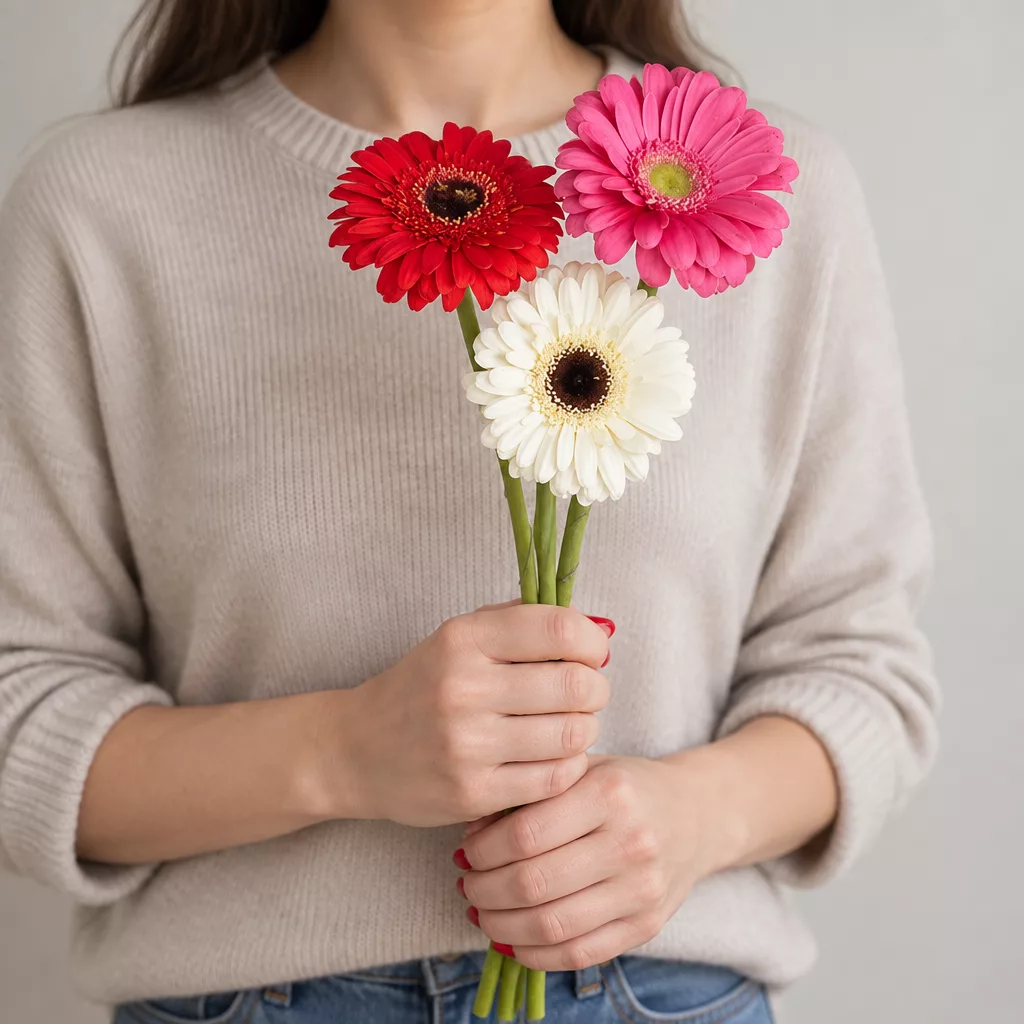

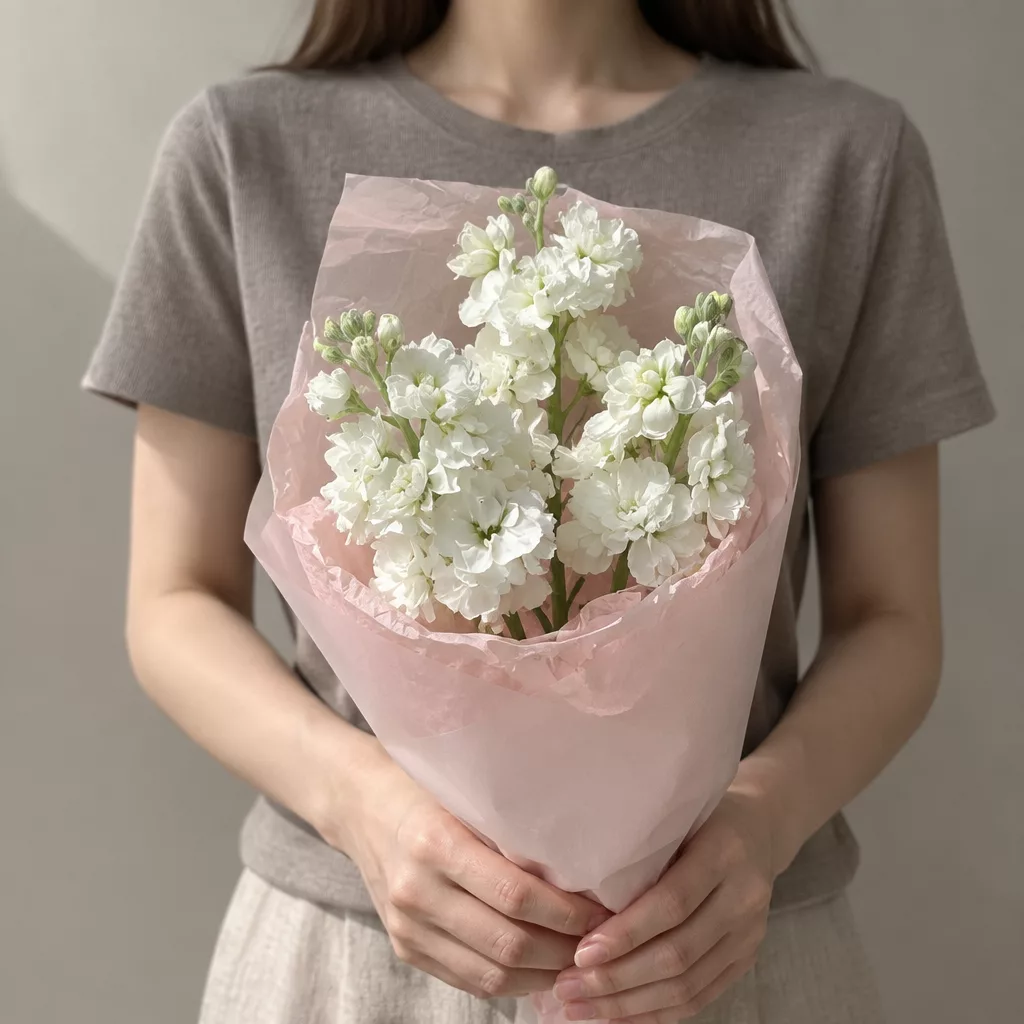
The Colour Range and What Each Shade Communicates
One of the practical advantages of alstroemeria is that it covers almost every emotional register through colour alone. The flower comes in white, cream, pale yellow, bright yellow, peach, coral, salmon, soft pink, hot pink, deep red, burgundy, lavender and purple — and many of these shades carry inner petal markings in contrasting tones, usually dark streaks or spots that give each bloom a painterly quality quite unlike the flat colour of a standard carnation.
White and cream alstroemeria reads as elegant and understated. It works beautifully for a new colleague, a teacher at the end of the school year, or someone who has just moved into a new home. It does not carry the formal weight of white roses and so feels friendly rather than ceremonial.
Pink and peach tones are the most universally liked. They photograph well, they suit almost any interior, and they communicate warmth without sentimentality. A mixed peach and coral bunch is one of the most requested combinations in everyday gifting across Russia — it works for birthdays, thank-you gestures and simply saying that someone is valued.
Yellow and bright orange alstroemeria carries energy and optimism. In Russian gifting culture, yellow flowers were historically associated with caution, but this association has softened considerably among younger generations, and a vivid yellow bunch now reads as cheerful and modern rather than loaded with old meaning. If the recipient is over sixty, it may still be worth mixing yellow with white or pink to soften the tone.
Deep red and burgundy alstroemeria is rich and dramatic. It pairs exceptionally well with eucalyptus or dark green foliage and suits romantic occasions or anyone with a bold aesthetic.
Choosing Alstroemeria for the Occasion and the Recipient
The occasion shapes which combination works best, and alstroemeria is flexible enough to suit a wide range of situations. For a birthday, a single-colour bunch in the recipient's favourite shade is always a safe and generous choice. Mixed-colour bunches — say, three or four shades blended together — feel more festive and work well when you are not certain of a preference.
For a colleague or professional relationship, white or pale yellow alstroemeria in a clean, structured bunch signals respect without overstepping. Russian workplace culture tends to treat flowers as a meaningful gesture rather than a casual one, so even a modest bunch of alstroemeria is received with genuine appreciation. The long vase life means the recipient will be reminded of the gesture every day for nearly two weeks.
For a romantic occasion that is not quite at the red-roses stage — a second or third date, a new relationship, a friendly anniversary — peach or coral alstroemeria is ideal. It is warm and personal without being heavy with expectation. It says affection rather than declaration.
For a grandmother or older relative, soft pink or lilac alstroemeria is almost universally loved. Older Russian women often have strong opinions about flowers, and alstroemeria is familiar enough to feel considered rather than experimental. Pairing it with a few stems of white gypsophila or a small amount of greenery makes the bunch feel complete and traditional.
For children's events — a teacher's day gift, a school performance, a young person's birthday — bright mixed colours feel joyful and age-appropriate. Alstroemeria in yellow, pink and white together has a lightness that suits celebratory moments without trying too hard.
How Alstroemeria Is Grown and Supplied Year-Round in Russia
Russia imports a large proportion of its alstroemeria from the Netherlands and Colombia, with Dutch auction flowers arriving through established cold-chain logistics. This means the flower is genuinely available fifty-two weeks a year at consistent quality, which cannot be said for many seasonal blooms. Domestic greenhouse production also contributes, particularly from facilities in the Krasnodar region and around Moscow, where controlled environments allow year-round cutting.
The year-round supply is one of the practical reasons alstroemeria is so reliable for same-day and next-day delivery. A florist working with roses or peonies must plan around seasonal peaks, price spikes and quality dips. With alstroemeria, the supply chain is stable enough that the flower arriving in January looks and performs almost identically to the one arriving in July.
Fresh alstroemeria at the point of cutting should have firm, slightly waxy stems and buds that are mostly closed. If you receive a bunch where more than half the buds are already fully open, the stems were cut earlier than ideal and the vase life will be shorter. A good bunch will have a mix — one or two open flowers to show the colour clearly, and the rest in various stages of bud. This is what to look for when judging freshness.
Cold chain matters between the wholesale market and your door. Alstroemeria is sensitive to ethylene gas, which is produced by ripening fruit and by other flowers past their peak. During transit and storage, keeping alstroemeria away from these sources preserves both the buds and the open blooms. This is one reason professional cold storage and fast delivery make a real difference to what arrives at someone's door.
Combining Alstroemeria With Other Flowers for a Fuller Arrangement
Alstroemeria works best when it is treated as the main event rather than a filler, but it also combines generously with a wide range of companions. The most natural pairings are with flowers that complement its loose, informal structure — stems that do not compete for attention but add texture and depth.
Eucalyptus is the single most popular companion in Russian flower shops. Its silvery-green leaves and subtle fragrance frame alstroemeria beautifully, and the two have similar water requirements, which makes them easy to maintain together. A bunch of coral alstroemeria with three or four eucalyptus stems tucked in at different heights looks considered and costs very little extra.
Statice — the small, papery purple or white flower often used in dried arrangements — adds a cloud-like texture around alstroemeria stems and extends the visual life of the arrangement even as the alstroemeria itself ages. It dries in the vase without looking shabby, which means the recipient gets a second phase of decoration after the fresh blooms are done.
Spray chrysanthemums in white or pale yellow are a classic Russian pairing with alstroemeria. The combination reads as traditional and generous — it is the kind of bunch that feels like it comes from someone who thought carefully. Both flowers share excellent vase life, so the arrangement ages gracefully together.
Avoiding heavy-scented companions like lilies or hyacinths is wise. Alstroemeria has very little fragrance of its own, and placing it next to a powerfully scented flower can overwhelm the recipient's space and create an unbalanced sensory experience. Let alstroemeria lead, and choose companions that support rather than dominate.
Common Mistakes People Make With Alstroemeria at Home
The most frequent mistake is cutting the stems too short when first arranging them. Alstroemeria needs a generous stem length to draw water efficiently — cutting to ten or twelve centimetres to fit a small vase restricts the flower's ability to hydrate itself. Use a taller vase and keep stems at twenty-five centimetres or more if possible. If you must use a shorter container, refresh the water daily rather than every two to three days.
Leaving foliage on the lower stems is the second most common error. Every leaf below the waterline accelerates bacterial growth and clouds the water faster. Strip the lower third of each stem cleanly before placing it in the vase. This takes thirty seconds and adds days to vase life.
Tapping stems against a hard surface or crushing them — a folk method sometimes used with woody stems like roses — does not help alstroemeria and can actually damage the tissue. A clean diagonal cut with sharp scissors or a knife is all that is needed. The cut exposes more surface area for water uptake without damaging the vascular structure.
Using hot water is another common misconception. Some people believe warm water helps flowers drink faster, and for certain spring bulbs this is partially true. For alstroemeria, cool or room-temperature water is correct. Hot water can cause the stems to collapse at the cut point.
Finally, placing the bunch near a fruit bowl shortens its life noticeably. Ripening fruit — apples, bananas and pears are the main culprits — releases ethylene gas that accelerates petal ageing. Keep alstroemeria in a separate part of the room, away from the kitchen counter where fruit typically sits. This single change can extend vase life by two to four days.
Getting the Best Value From Alstroemeria When Ordering Delivery
Alstroemeria is sold in bunches of five, seven, ten or fifteen stems depending on the shop and the occasion. A bunch of ten stems with a moderate amount of greenery creates an arrangement that looks full and generous in a standard vase. For a large celebration or a statement gift, fifteen stems in two complementary colours — say, white and soft pink — gives a more dramatic result without a significant jump in cost.
Ordering with buds rather than fully open flowers is always the better choice for delivery. Buds travel better, are less likely to bruise in transit, and will open over the following days, giving the recipient the experience of watching the arrangement develop. A bunch that arrives with everything already wide open has less time ahead of it.
If you are sending flowers to someone in a city outside Saint Petersburg, the transit time and temperature conditions during delivery become more important. In summer, heat can accelerate bud opening significantly — a bunch that might take four days to fully open in a cool apartment may open within thirty-six hours if it sits in a warm delivery vehicle. Requesting delivery in the morning or evening rather than during peak afternoon heat helps.
For birthdays and celebrations where the flowers need to look their best on a specific day, ordering for the morning of the event rather than the evening before is usually the right call with alstroemeria. The stems will be fresh, the buds will be at the right stage, and the recipient will have the full fourteen-plus days of enjoyment ahead of them rather than losing a day to transit and settling time.
Alstroemeria earns its reputation not through drama but through dependability. It stays beautiful when other flowers have given up, it suits almost every occasion and recipient, and it allows a thoughtful gift to keep delivering warmth for nearly two weeks after it arrives. Understanding how to choose it, combine it and care for it turns a budget-friendly bloom into something genuinely impressive — and that is exactly the kind of knowledge that makes flower-giving feel effortless rather than uncertain.
Frequently asked questions
How long does alstroemeria really last in a vase?
With clean water, trimmed stems and a cool spot away from radiators and fruit, alstroemeria typically lasts fourteen to eighteen days. The staggered bud opening means the arrangement looks fresh and full for most of that time, with new blooms appearing as earlier ones fade. Changing the water every two to three days and re-cutting stems each time makes a noticeable difference.
Is alstroemeria a good choice for someone who does not usually like flowers?
It is one of the best choices precisely because it does not demand attention. It has almost no fragrance, it does not drop petals dramatically, and it does not wilt suddenly. Someone who finds flowers fussy or short-lived often comes around to alstroemeria because it quietly stays beautiful without requiring much effort. A simple white or peach bunch is a low-risk, high-reward gift.
Can I send alstroemeria to someone in a hot Russian summer city?
Yes, but timing the delivery thoughtfully helps. Morning or evening delivery avoids peak heat during transit. The recipient should place the bunch in water immediately and keep it away from direct sunlight and open windows. In warm conditions the buds open faster, which is not a problem — it just means the arrangement peaks earlier and the recipient should enjoy it fully in the first ten days rather than stretching to two weeks.
Does alstroemeria carry any special meaning in Russian gifting culture?
Alstroemeria does not carry the same layered symbolism as roses or lilies in Russian tradition. It reads as a warm, generous and considered gift across most age groups. The main colour consideration is yellow — older generations sometimes associate it with caution, so mixing yellow alstroemeria with white or pink is a simple way to keep the gesture unambiguously positive when gifting to someone over sixty.
What is the best way to revive alstroemeria that has started to droop?
Re-cut the stems diagonally under cool running water, removing an extra centimetre or two. Place them immediately in a clean vase with fresh cool water and move the arrangement to the coolest part of the room. Drooping in alstroemeria is almost always caused by a blocked or dried stem end rather than a dying flower, and a fresh cut resolves it within a few hours in most cases.
Ready to send flowers?
Pick the city, choose the bouquet, and a local florist takes it from there.
Choose a city →