Should you put aspirin in water for cut flowers?
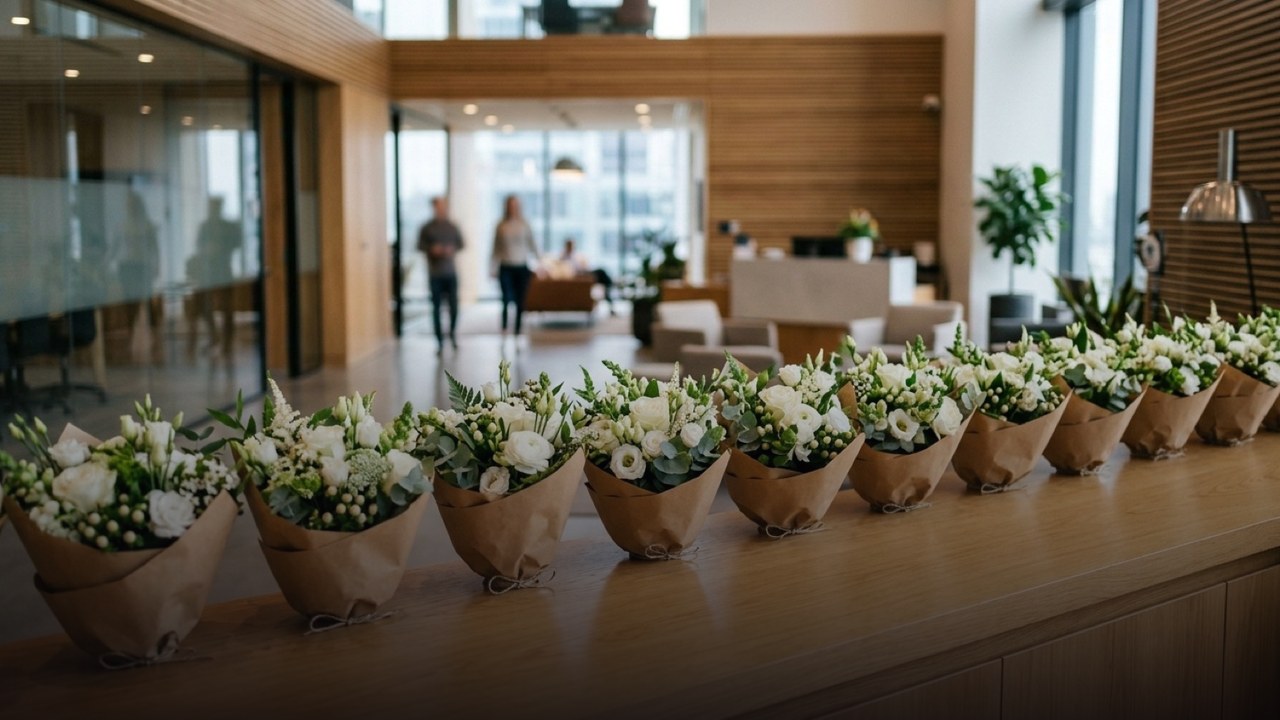
You do not need to put aspirin in water for cut flowers, and it is not a reliable substitute for flower food. Aspirin can change the water’s acidity, but a household tablet does not provide the balanced ingredients used in a commercial flower preservative. For everyday bouquet care, start with a clean vase, freshly trimmed stems and flower food mixed exactly as directed.
The advice to add a crushed tablet sounds convenient, especially when a bouquet arrives without care supplies. The difficulty is that tablets, vase sizes and flower varieties differ, so a simple recipe cannot reliably suit them all. You can give your flowers sensible care without experimenting: keep submerged leaves out of the water, maintain the water level and place the bouquet away from heat.
Why aspirin is an uncertain shortcut
Aspirin contains acetylsalicylic acid, which can affect the acidity of vase water. That does not mean it will consistently help a mixed bouquet. The result depends on the starting water, the amount added and the flowers themselves. A tablet intended for medical use also has a different purpose and formulation from a product designed for cut stems.
Commercial cut-flower food generally combines a source of sugar, ingredients that adjust acidity and ingredients that help limit microbial growth. Aspirin alone does not reproduce that combination. Adding sugar alongside it is not a dependable fix either: sugar in an improvised mixture can also feed microorganisms, particularly when the vase or submerged stems are dirty.
There is no universal aspirin dose we recommend for a household vase. If you have already added a tablet, you can simply empty the vase, wash it thoroughly and refill it with fresh water. Trim the stem ends with a clean, sharp tool before returning the flowers, and use a suitable flower-food product if you have one.
Prepare the vase before you arrange the bouquet
Choose a vase that supports the stems without packing them tightly together. Wash it with washing-up liquid, clean away any residue inside and rinse thoroughly. A vase that looks clear can still have a slippery film on its surface, so rinsing alone may leave material behind. Start with clean tools and a clean work surface as well.
Remove any leaves that would sit below the waterline. Submerged foliage breaks down and makes the water harder to keep clean; leaves higher on the stems can usually stay. Check the bouquet before placing it in water, because shorter side stems and loose pieces of foliage can end up submerged even when the main leaves appear clear.
Cut a small section from each stem end using sharp scissors or secateurs suited to the stem. Make a clean cut rather than crushing or splitting it, then place the stems promptly into the prepared water. Avoid hammering woody stems as a general household trick: damaged tissue creates more material that can deteriorate in the vase.
Bouquets we can deliver




Use flower food carefully and check the water daily
If you have a packet of cut-flower food, read its instructions before filling the vase. Measure the stated amount of water and mix in the recommended quantity; a whole packet is not automatically right for a small container. Making the solution stronger does not make it better. Keep the product in its packaging so its directions remain available.
If you do not have flower food, use clean water and pay close attention to vase hygiene. Do not assemble a substitute from aspirin, coins, lemonade, alcohol or household cleaning products. These recipes introduce uncertain concentrations and interactions. Never mix cleaning chemicals into a vase solution; wash and rinse the empty vase separately.
Check the water level every day, particularly during the first days after arranging the bouquet. If the water becomes cloudy or develops an unpleasant smell, remove the flowers, clean the vase and replace the solution. When using flower food, follow its directions for renewal. Remove fallen leaves and any stems that are becoming soft or decayed.
Give the bouquet a suitable place to stand
Put your bouquet somewhere comfortably cool, away from radiators, heating vents and direct sunlight. A bright windowsill can become warm even when the room feels pleasant. Also avoid placing flowers directly in a draught from an open window or air conditioner. A stable position helps you manage their care without repeatedly moving or handling the stems.
Keep the vase away from ripening fruit. Some fruit releases ethylene, a gas that can speed ageing in flowers that are sensitive to it. This matters particularly when a kitchen counter is the obvious display spot: choose a separate surface instead of putting the bouquet beside the fruit bowl. You do not need to refrigerate a mixed bouquet to care for it at home.
Look at individual stems as the arrangement changes. Remove spent blooms so they do not drop petals into the water, and adjust the arrangement gently if remaining flowers need support. Different flowers open and age at different rates, so one fading stem does not necessarily mean the whole bouquet has finished. Aspirin cannot reverse normal ageing or repair damaged petals.
Make a flower gift easy for the recipient to enjoy
If you are sending flowers, consider where the recipient will put them and whether they will be available to receive them. For an office gift, the practical questions include space for a vase and the recipient’s working hours. For a home delivery, a time when they can answer the courier and bring the flowers inside is a useful starting point.
Let the card explain the occasion instead of relying entirely on flower symbolism. A particular colour or flower can mean different things to different people, and personal associations often matter more than a general guide. For a recipient who follows Russian traditions, even numbers of stems are commonly associated with mourning; for a celebration, you can raise stem count when discussing your choice.
Keep any care message short and helpful: ask the recipient to place the flowers in a clean vase and check the water daily. There is no need to pass on an aspirin recipe with the gift. If you want help choosing a bouquet or agreeing the card text, contact a manager through WhatsApp and explain the occasion and the recipient’s preferences.
How to arrange flower delivery in Russia
You can choose from our bouquets catalogue for delivery across Russia. City delivery costs 500 RUB; for remote districts and suburbs, the operator confirms the delivery price when confirming the order. A manager can help agree the address and timing and arrange a photo of the bouquet before delivery. Check these details while planning the gift, especially when you are ordering from abroad.
Express delivery in large cities is available 1–2 hours after the order is confirmed. You can also arrange an exact time with a tolerance of plus or minus 30 minutes, choose a window of 09–12, 12–15, 15–18 or 18–21, or pre-order 1–30 days ahead. Delivery is anonymous by default: the courier does not name the sender. A card with your text is free, so include your name there if you want the recipient to know who sent it.
The courier calls the recipient about 15 minutes before arrival. If they are absent, we agree a second delivery that day or, with the sender’s consent, hand the flowers to a neighbour or concierge. Online checkout uses CloudPayments; check the payment options displayed there, as acceptance of every foreign card is not guaranteed. See delivery and payment for the relevant ordering information.
Frequently asked questions
Does aspirin make cut flowers last longer?
Aspirin is not a dependable way to extend the life of a household bouquet. Its effect depends on the water, concentration and flowers, and it does not replace the balanced ingredients in commercial flower food.
How much aspirin should I put in a vase?
We do not recommend a universal aspirin dose for cut flowers. Use flower food according to its label, or use clean water and maintain a clean vase if flower food is unavailable.
What should I do if I have already added aspirin?
Empty and thoroughly wash the vase, rinse it and refill it with fresh water or correctly mixed flower-food solution. Trim the stem ends with a clean, sharp tool before returning the flowers.
Can aspirin revive a drooping bouquet?
Aspirin is not a reliable treatment for drooping flowers. Check that the stems reach the water, refresh the vase solution and trim the stem ends; recovery depends on the cause, and aged or damaged flowers may not recover.
Can I order flowers to Russia while I am abroad?
You can arrange delivery across Russia and contact a manager on WhatsApp to agree the bouquet, address, timing and card text. Payment uses CloudPayments at checkout; check the options shown there for your card.
Ready to send flowers?
Pick the city, choose the bouquet, and a local florist takes it from there.
Choose a city →