Sending Flowers to Your Mother in Russia? Start Here
Your mother is about to open the door and find a bouquet waiting for her. What she sees in the first three seconds — the colours, the shape, the scent — tells her everything about how much thought went into the moment. Russia has its own strong flower culture, and knowing what resonates here, what feels generous rather than generic, is the difference between a bouquet she photographs and one she quietly puts in a corner. This article walks you through the choices that actually land.
What Russian Mothers Actually Expect from a Bouquet
Flowers carry real social weight in Russia. A bouquet given to a mother is not a casual gesture — it is a statement of care, and the recipient will read it that way. Volume matters: a small bunch of three stems can feel like an afterthought, while a full, rounded arrangement signals that you planned ahead and spent real attention on the choice.
Colour carries meaning too. Red roses are associated with romantic love, so many people sending flowers to a mother lean toward softer palettes — blush pinks, warm whites, peach, and lilac. That said, a mother in her sixties or seventies who grew up in Soviet-era flower culture often loves a bold, saturated red or deep burgundy rose without any romantic reading at all. Age and personal style matter more than any single rule.
Odd numbers of flowers are traditional for living recipients in Russia — even numbers are reserved for mourning. Most florists follow this automatically, but if you are ordering a very specific stem count, keep this in mind. A bouquet of nine peonies or eleven tulips will always feel right; ten or twelve may raise an eyebrow.
Presentation wraps everything together. Kraft paper with a satin ribbon, a linen sleeve, or a structured box all read as intentional. Cellophane alone feels dated to most recipients in larger Russian cities. Ask your florist about wrapping before you confirm the order.
Bouquets we can deliver


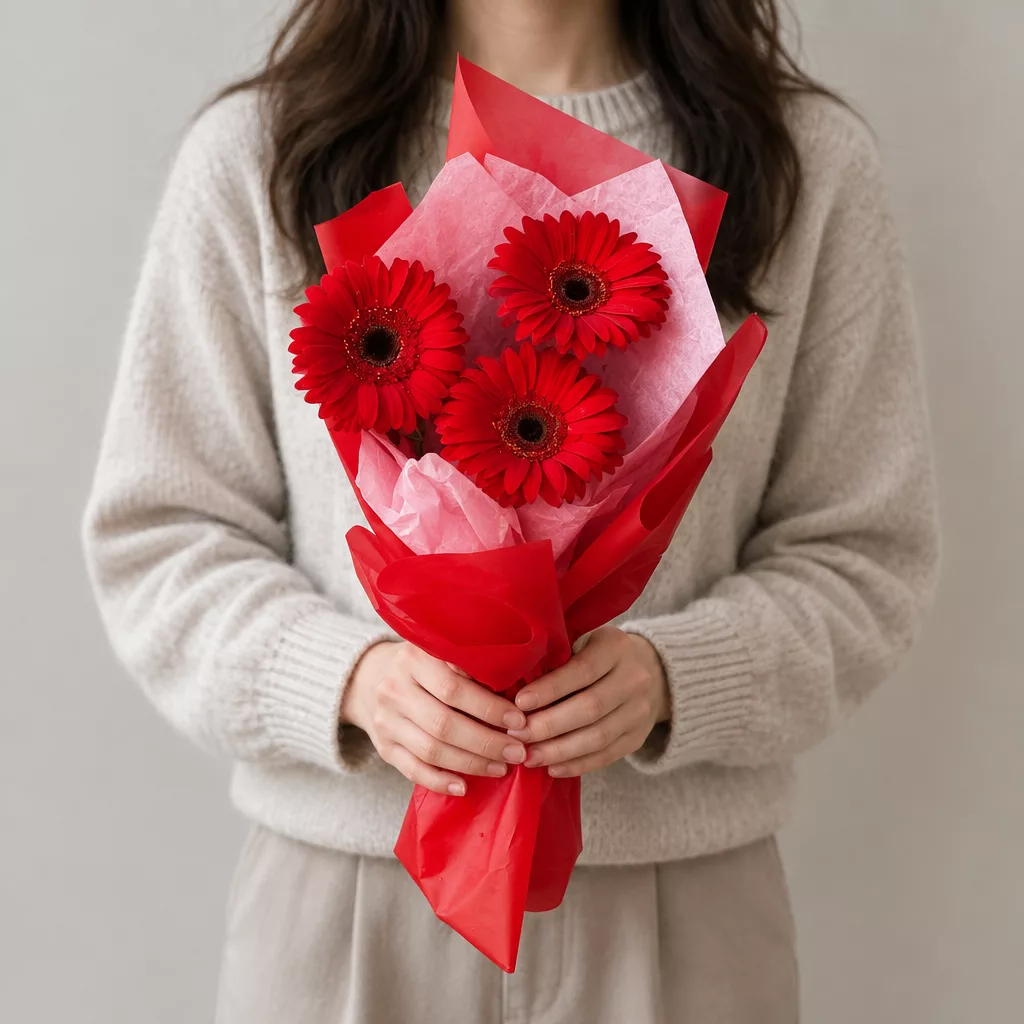
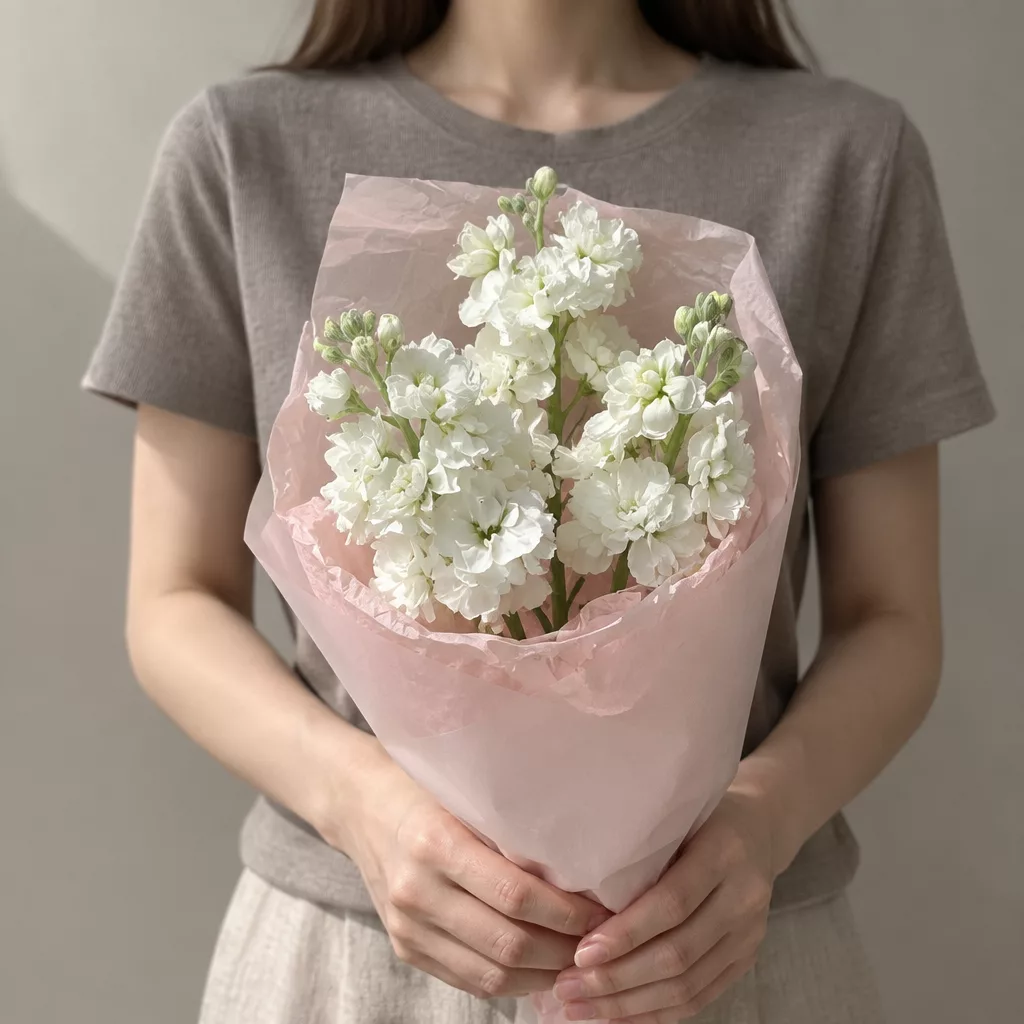
Roses: Still the Most Beloved Choice and How to Pick the Right Ones
Roses remain the dominant flower in Russian gifting culture, and for good reason — they last well, they travel without bruising easily, and they carry an emotional clarity that almost everyone understands. The variety you choose, however, changes the entire feeling of the bouquet.
For a mother, garden-style roses with a slightly open, cupped head — varieties like David Austin-influenced breeds with layered petals — feel warmer and less formal than tight hybrid tea roses. They photograph beautifully and have a gentle fragrance that fills a room within a day of opening. Spray roses, which produce several small blooms on one stem, add texture when mixed with larger heads.
Colour choice should follow what you know about her home and personality. A mother with a modern, neutral interior often loves a monochromatic bouquet: all blush, all ivory, or all dusty rose. A mother who loves colour and life in her space will appreciate a mixed palette of coral, peach, and warm pink together. Avoid mixing cool purples with warm oranges — the tones fight each other and the arrangement looks unplanned.
For vase life, roses need clean water changed every two days, stems cut at an angle, and a cool room away from direct sunlight and fruit bowls. Ethylene gas from ripening fruit shortens rose life noticeably. A well-conditioned rose delivered fresh should last seven to ten days with basic care. Ask that leaves below the waterline be removed before delivery — they rot and cloud the water quickly.
Peonies and Ranunculus: The Flowers Russian Mothers Treasure Most in Season
If you are ordering between late April and early July, peonies should be your first thought. In Russia, peonies carry an almost nostalgic warmth — they appear in dacha gardens, in Soviet-era paintings of domestic life, and in the memory of almost every person who grew up with a grandmother who kept a garden. Giving your mother peonies is giving her something that feels deeply familiar and genuinely luxurious at the same time.
Peonies arrive from growers in tight bud form and open over two to four days at room temperature. This means a bouquet that looks compact on arrival becomes a full, lush arrangement by the time she sits down to enjoy it. The scent is one of the strongest of any cut flower — light, powdery, and sweet without being sharp. A bouquet of peonies in blush, white, and soft coral together needs almost no filler to feel complete.
Ranunculus are available for a longer season and offer a similar layered-petal quality in a smaller scale. They work beautifully when you want the visual richness of a peony but need the bouquet to feel lighter or more delicate. Cream, apricot, and pale yellow ranunculus together create a warm, almost painterly effect that many mothers find more personal than a classic rose arrangement.
Both flowers prefer cool temperatures during transport — ideally below eighteen degrees Celsius. In summer, this makes delivery timing important. Early morning or evening delivery preserves quality far better than a midday drop-off in direct sun.
Choosing Flowers by Her Age and the Occasion
A bouquet for a mother turning thirty-five feels different from one for a mother turning sixty-five, and the flowers should reflect that. Younger mothers often respond to contemporary arrangements — asymmetrical shapes, unusual textures like dried grasses mixed with fresh blooms, or a single-variety bouquet in an unexpected colour. The emphasis is on personality and style rather than tradition.
For mothers in their fifties and sixties, a classic full bouquet with good volume tends to land better. This is the generation that grew up associating large, well-composed arrangements with celebration and respect. Chrysanthemums, which carry a slightly old-fashioned reputation in Western European gifting, are actually well-regarded in Russia and last exceptionally long — up to three weeks with proper care. A mixed bouquet with large-headed chrysanthemums, roses, and alstroemeria feels both generous and practical.
For milestone birthdays — a fiftieth, a sixtieth, a seventieth — consider a bouquet that matches the number of years in stem count. Twenty-five roses for a twenty-fifth wedding anniversary, fifty stems for a fiftieth birthday. This is a recognised gesture in Russian culture and reads as deeply considered rather than showy.
Occasion shapes the palette too. Mother's Day in Russia falls on the last Sunday of November, and at that time of year, warm tones — burgundy, deep orange, golden yellow — feel seasonally right. International Women's Day on March 8th is the single biggest flower-giving day in Russia, and mimosa, tulips, and hyacinths are the classic choices for that morning.
Bouquets for Different Budgets: What Changes and What Should Not
Budget shapes a bouquet, but it should never make it look sparse. The skill of a good florist is making a modest arrangement feel intentional and complete rather than simply small. Understanding what changes at different price points helps you set expectations and communicate clearly when ordering.
At a modest budget, single-variety bouquets are your strongest option. Fifteen tulips in one colour, wrapped simply in kraft paper with a ribbon, look deliberate and elegant. Alstroemeria — sometimes called Peruvian lily — is excellent value because each stem carries multiple blooms and lasts up to two weeks. A generous bunch of alstroemeria in peach or lilac looks abundant without a high stem cost.
At a mid-range budget, you can begin combining varieties. A base of spray roses with two or three garden roses as focal flowers, finished with eucalyptus or ruscus for texture, creates a professional, layered look. This is the most common format for birthday bouquets in Russia and works across almost any age or taste.
At a higher budget, premium varieties and volume come together. Dutch garden roses with wide, fragrant heads, imported peonies in peak season, or orchid stems added to a rose base all signal a significant occasion. A large box arrangement rather than a hand-tied bouquet is a popular luxury format — the structured presentation adds to the sense of occasion before she even sees the flowers inside.
Whatever the budget, freshness is non-negotiable. A small bouquet of flowers cut and delivered the same day will always outperform a large one that has been sitting in a warehouse.
Flowers That Travel Well Across Russia and Why It Matters
Russia is a vast country, and sending flowers from Saint Petersburg to Kazan, Novosibirsk, or Krasnodar means thinking about how blooms hold up in transit. Not every flower is equally suited to a journey, even a fast one, and choosing the wrong variety can mean a wilted bouquet arriving at the door.
Roses, alstroemeria, and chrysanthemums are the most reliable travellers. Their stems are sturdy, their petals do not bruise easily, and they recover well from a brief period without water if the packaging is done correctly. Hydrangeas, by contrast, are sensitive — they wilt rapidly when warm and need to be conditioned in water for several hours before they look their best. They are beautiful in a local same-day arrangement but risky over longer distances in summer.
Gerbera daisies are popular in Russia and hold up reasonably well, but their stems are hollow and prone to bending under the weight of the head. They need vertical support during transport. A good florist will pack them upright rather than lying flat.
Temperature during delivery is the most important variable of all. In Russian winter, flowers need insulation against frost — below minus five degrees Celsius, even a short exposure can damage petals irreversibly. In summer, heat is the enemy: a van without climate control on a thirty-degree day will reduce vase life by half. When ordering for a mother in another city, ask about delivery conditions and choose a service that controls temperature throughout the journey, not just at pickup.
Helping Her Keep the Bouquet Alive: Care Tips Worth Passing Along
The bouquet arrives, she unwraps it, and then what? Many beautiful arrangements are shortened by a few simple mistakes that are easy to avoid. Passing along basic care advice — either in a note with the flowers or in a message — is one of the most practical things you can do.
The first step is always a fresh cut. Stems should be trimmed at a forty-five degree angle with a clean, sharp knife — not scissors, which crush the stem tissue and reduce water uptake. Cut them under running water or immediately place them into a vase to prevent air bubbles forming in the stem.
Vase water should be cool and clean. Warm water encourages bacterial growth and shortens flower life significantly. Change the water every two days, re-cutting the stems each time. Remove any leaves that fall below the waterline — they decompose quickly and cloud the water with bacteria.
Placement matters more than most people realise. Keep the bouquet away from radiators, which are common and powerful in Russian homes during winter. Direct sunlight, draughts from open windows, and proximity to ripening fruit all shorten vase life. A cool hallway or a north-facing windowsill is ideal.
Flower food sachets, often included with delivered bouquets, genuinely work — they contain a mild biocide and a sugar source that extend freshness by several days. Encourage her to use them rather than setting them aside. For roses specifically, re-cutting the stems every two days makes a visible difference by day five or six, when the flowers would otherwise begin to droop.
Sending flowers to your mother in Russia is one of the most understood and appreciated gestures in the culture — but the details are what make it memorable. The right variety for the season, a palette that suits her home and personality, a bouquet that arrives fresh and full rather than sparse or wilted: these are the things she will notice and remember. Whether you are ordering from across the country or from across town, the thought behind the choice is always visible in the result.
Frequently asked questions
What is the most popular flower to give a mother in Russia?
Roses are consistently the most given flower for mothers across Russia, but peonies are considered the most emotionally resonant choice when they are in season from late April through June. For March 8th — International Women's Day — tulips and mimosa are the traditional and widely expected options.
Are there flowers I should avoid sending to a mother in Russia?
Even numbers of flowers are traditionally associated with mourning in Russia, so stick to odd numbers. Yellow flowers carry a folk association with separation or jealousy in some regions, though this is less observed among younger generations. White flowers alone can feel too formal or cold — mix them with blush or green for warmth.
How far in advance should I order flowers for delivery in Russia?
For standard occasions, ordering the day before or the morning of delivery is usually sufficient. For major dates like March 8th or Mother's Day in late November, demand is extremely high and ordering two to three days ahead is strongly recommended. Same-day delivery is available through Turboflora for most Russian cities.
Which flowers last the longest in a vase for a mother who travels or is often away?
Chrysanthemums and alstroemeria are the longest-lasting cut flowers, often surviving two to three weeks with clean water and cool temperatures. Orchid stems also hold exceptionally well. If your mother has a busy schedule and cannot tend to flowers daily, these varieties are a far more practical and lasting gift than roses or peonies.
Can I send flowers to a mother in a Russian city I have never visited?
Yes — Turboflora delivers fresh bouquets across Russia within one to two hours, handling all logistics including temperature-controlled transport. You do not need local knowledge or contacts. Provide the recipient's address and a delivery window, and the arrangement is prepared and dispatched the same day.
Ready to send flowers?
Pick the city, choose the bouquet, and a local florist takes it from there.
Choose a city →