Sending Flowers to Your Employees on Their Birthdays Across Russia
A birthday bouquet arriving at someone's desk before lunch says something a bonus transfer never quite can — that someone noticed, that the day was marked, that the person matters beyond their job title. For HR teams managing staff across Moscow, Kazan, Novosibirsk and everywhere between, the challenge is not sentiment but logistics: dozens of birthdays, different cities, no room for a forgotten date. This guide walks you through building a flower delivery system that runs quietly in the background while the recognition stays personal.
Why Flowers Still Matter in Russian Workplace Culture
In Russia, birthdays carry more social weight than in many Western office cultures. The birthday person — called the imeninnik or imeninnitsa — is traditionally expected to bring treats for colleagues, but receiving flowers from a manager or the company itself is considered a warm and respectful gesture rather than an extravagant one. It signals that leadership pays attention to the individual, not just the team as a whole.
Flowers are given to both men and women in Russian professional settings, which sometimes surprises managers from outside the country. A well-chosen bouquet for a male employee is perfectly normal and appreciated. The key is selecting something that reads as thoughtful rather than romantic — structured arrangements of chrysanthemums, alstroemeria, or single-variety bunches of freesia or lisianthus work well for colleagues of any gender.
Presentations at the desk or in a meeting room in front of a small group are common. The moment itself is brief but meaningful. If your delivery arrives while the employee is in a meeting, a note left with the bouquet until they return still carries the full effect. Getting the timing right — morning delivery, before the workday peaks — makes the gesture land at its best.
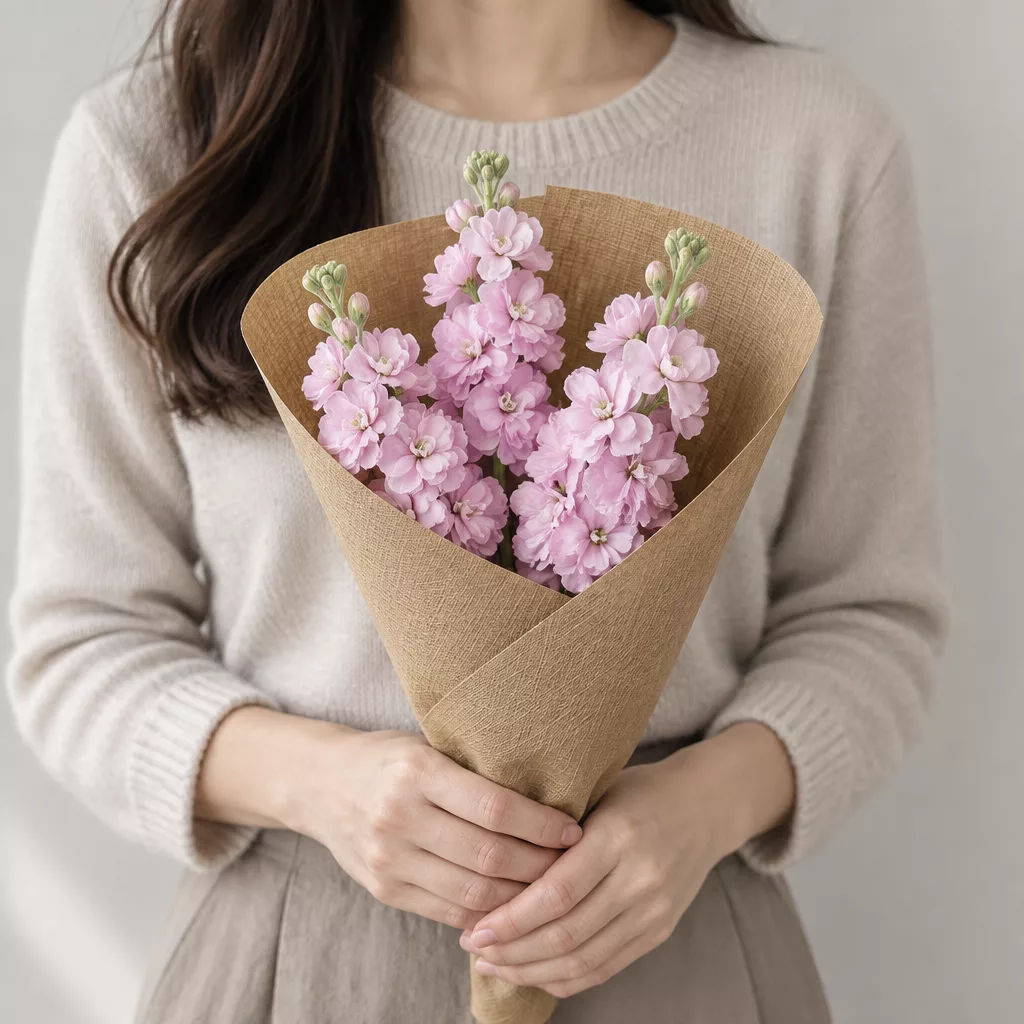
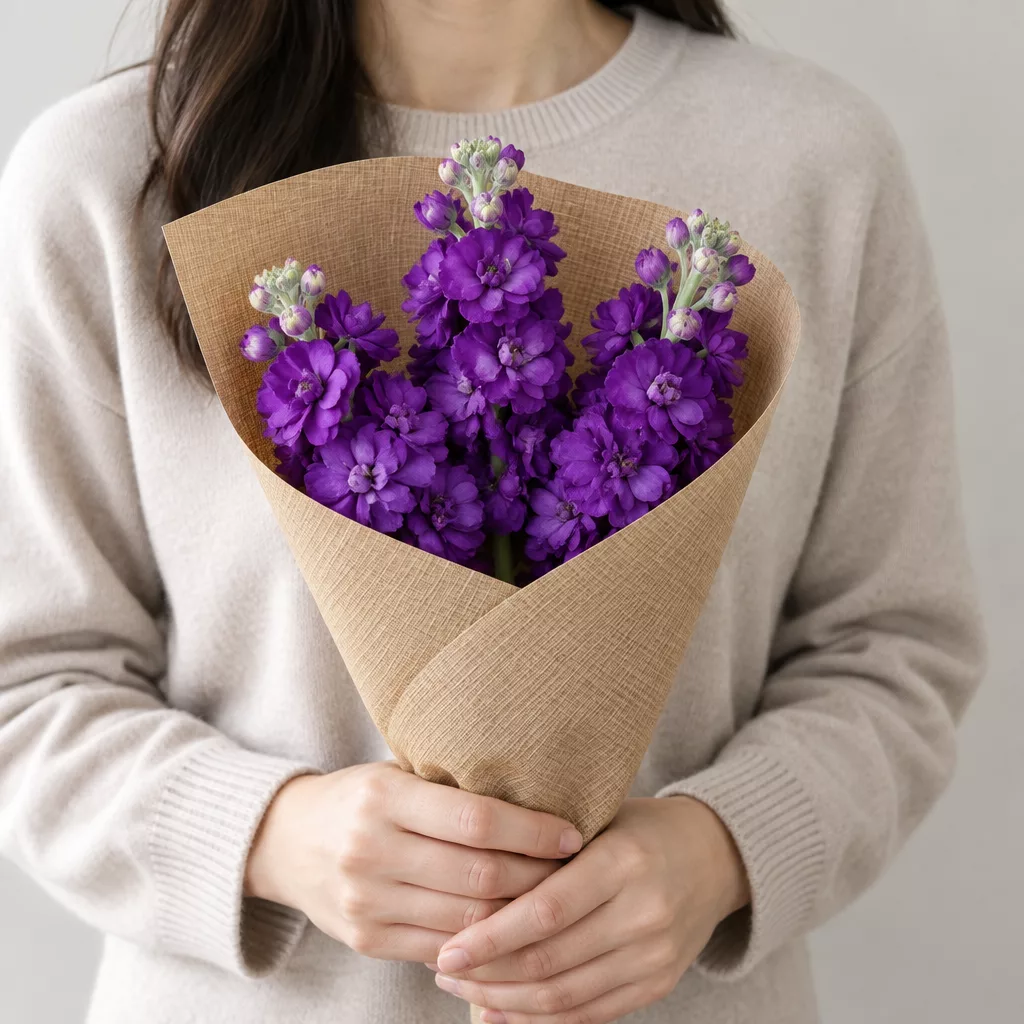
Bouquets we can deliver


Building Your Birthday Calendar Without the Spreadsheet Chaos
The most common reason birthday deliveries fail is not budget — it is an unreliable calendar. HR teams often maintain birthday lists in scattered spreadsheets, shared drives, or even paper files, and no single person owns the process end to end. The result is a flurry of last-minute orders, missed dates, and occasional duplicates where two managers each send a bouquet independently.
The fix is a single source of truth: one document, one owner, and a reminder system set at least three days before each birthday. Three days gives you time to confirm the employee's current office location, check whether they are working remotely that week, and place the order without rushing. Same-day delivery across Russia is possible — Turboflora delivers within one to two hours — but planned orders allow you to choose better arrangements and write a more considered card message.
For teams of more than twenty people, grouping the calendar by city is practical. Each city column shows you upcoming birthdays at a glance, and you can batch your planning by region rather than scrambling individually each time. If your company uses an HR platform, exporting birthday data monthly and cross-checking it against your delivery log takes less than fifteen minutes and prevents the gaps that make the whole programme feel inconsistent. Consistency is what turns a one-off gesture into a culture.
Choosing Flowers That Suit the Person, Not Just the Occasion
A birthday bouquet for an employee you know well can reflect something real about them. For someone who keeps a tidy, minimal desk, a single-variety bunch — all white spray roses, or a tight cluster of blue irises — feels intentional rather than generic. For someone whose workspace is already full of colour and life, a mixed seasonal arrangement with sunflowers, orange gerberas, and yellow solidago reads as celebratory and warm.
For employees you know less personally, mid-sized arrangements built around reliable, long-lasting varieties are the safest choice. Alstroemeria lasts ten to fourteen days in a vase with proper care, which means the bouquet stays beautiful long after the birthday itself. Chrysanthemums in cream or soft pink are similarly long-lived and carry no difficult associations in a workplace context. Avoid white lilies as a standalone choice — in Russian culture, all-white arrangements can feel more funereal than festive.
If you are sending to a remote employee who works from home, consider that the bouquet will live in a domestic space rather than an office. Slightly softer, more relaxed arrangements — garden-style mixes with lisianthus, ranunculus, or seasonal tulips in spring — feel appropriate for a home setting and show that you thought about where the flowers would actually land. Adding a short handwritten-style card message, even a digital one printed on card stock, raises the perceived value of the gesture considerably.
Scaling Up: Deliveries Across Multiple Russian Cities
Sending flowers to one employee in Saint Petersburg is straightforward. Coordinating deliveries to thirty employees spread across Yekaterinburg, Rostov-on-Don, Krasnoyarsk, and Vladivostok in a single month is a different task entirely, and it is where most corporate programmes quietly fall apart.
The most important shift is thinking in advance rather than in real time. If you know that three birthdays fall in the same week across three cities, placing all three orders on the same planning day — rather than each one separately on the morning it is needed — saves time and reduces error. Turboflora delivers across Russia within one to two hours, so the logistics of distance are handled on the delivery side, but your planning window still benefits from being wider than twenty-four hours.
City-specific details matter more than they seem. An employee in a Siberian city during January needs a bouquet that has been handled correctly in cold transit — cold-weather flowers like roses and chrysanthemums travel better than tropical varieties such as anthurium or bird of paradise, which bruise in low temperatures. If you are unsure which varieties are appropriate for a specific region in a specific season, a brief message to the shop when placing the order lets the florist guide the selection. Employees in colder climates also tend to appreciate warmer colour palettes — deep reds, burnt oranges, rich purples — which feel seasonally right rather than out of place against a winter backdrop.
Timing the Delivery So It Actually Feels Like a Celebration
Delivery timing is the detail that separates a memorable birthday gesture from a logistical afterthought. A bouquet arriving at four in the afternoon, when the birthday person is already thinking about leaving, lands differently from one that greets them at the start of their day. Aim for morning delivery — between nine and eleven — when colleagues are present, the energy in the office is fresh, and the flowers have the full workday to be enjoyed.
For remote employees, coordinate the delivery window with their schedule if you can. A quick message from their line manager — nothing that reveals the surprise, just a casual suggestion to be home in the morning — is enough. If the employee has a flexible schedule and you genuinely cannot predict when they will be in, a midday window is a reasonable default.
Avoid scheduling deliveries on the day before a birthday or the day after as a substitute for the actual date. In Russian culture, giving a birthday gift early is considered bad luck — it is a widely held superstition that most people take at least somewhat seriously, even in professional settings. Delivering on the correct date is not just logistically tidy; it is culturally respectful. If a birthday falls on a weekend and your employee does not work Saturdays, a Monday delivery is the accepted solution, and most recipients understand this without any awkwardness. A brief note acknowledging the actual date — written on the card — closes the gap warmly.
Writing the Card Message When You Cannot Be There in Person
The bouquet carries the gesture, but the card carries the voice. For a corporate birthday delivery, the message does not need to be long — four to six sentences is plenty — but it should not read like it was generated by a template. Employees notice when a message feels copied from a form, and it quietly undercuts the warmth the flowers were meant to create.
A strong card message does three things: it names the person, it acknowledges something specific about their work or their year, and it signs off with genuine warmth rather than a corporate sign-off. Something as simple as noting that they have been with the company for a meaningful period, or referencing a project they led, shifts the message from generic to personal. Managers who are too busy to write individual messages can keep a short note about each employee in the birthday calendar — one or two details — that makes personalisation take under two minutes.
In Russian professional culture, it is common for the birthday message to come from the team or from leadership collectively, not just from HR. If the card is signed by the employee's direct manager alongside a general company greeting, it carries more weight. Digital cards are increasingly accepted, but a physical card tucked into the bouquet still reads as more considered in most workplace settings. If you are managing deliveries at scale and cannot always include a physical card, ensure the digital message is sent before the bouquet arrives — not as an afterthought once the flowers are already on the desk.
Keeping Flowers Fresh After Delivery: What to Tell Your Employees
A beautiful bouquet that wilts by the next morning reflects poorly on the gesture even if the flowers were perfect when they left the shop. Including simple care instructions — either printed on a small card or sent in a follow-up message — helps employees get the most from their birthday flowers and extends the life of the arrangement by several days.
The basics are worth stating plainly, because many people genuinely do not know them. Stems should be cut at an angle under running water before going into the vase — a clean diagonal cut increases the surface area absorbing water. The vase water should be changed every two days, and any leaves sitting below the waterline should be removed immediately, as submerged foliage decays quickly and clouds the water. Flowers last longest away from direct sunlight, radiators, and fruit bowls — ethylene gas from ripening fruit shortens the vase life of many cut varieties.
For roses, removing the outer guard petals — the slightly tougher outer layer that protects the bloom in transit — often reveals a fuller, more open flower underneath. Alstroemeria and lisianthus continue to open after delivery, so an arrangement that looks modest on arrival often becomes fuller and more impressive over the following two days. Chrysanthemums are among the most forgiving: with clean water and a cool room, they can last two to three weeks. Passing along this kind of practical knowledge turns the birthday bouquet into something that stays in the employee's home or office long enough to be genuinely enjoyed.
A birthday flower programme for your employees does not need to be complicated to be consistent. A reliable calendar, a clear process for different cities and seasons, and a card message that actually sounds like a person wrote it — those three things together create something that employees remember and that quietly shapes how they feel about the company. The flowers themselves do the rest: they are immediate, sensory, and impossible to misread. Turboflora delivers fresh bouquets across Russia within one to two hours, so the logistics of distance need not stand between your team and a gesture that genuinely lands. We deliver bouquets across Russia in 1–2 hours.
Frequently asked questions
Is it appropriate to send flowers to male employees in Russia?
Yes, entirely. Flowers are given to both men and women in Russian professional culture without it carrying any unusual significance. For male colleagues, choose structured, single-variety arrangements — alstroemeria, chrysanthemums, or freesia — rather than soft romantic styles. The gesture reads as respectful and attentive, which is exactly the right register for a workplace birthday.
What if an employee's birthday falls on a weekend or public holiday?
Delivering on the actual date is always preferred in Russian culture, but a Monday delivery is widely understood and accepted when the birthday falls on a weekend. Write the correct birthday date on the card so the employee knows the gesture was timed with them in mind. Most people appreciate the acknowledgement regardless of whether the flowers arrive on the exact day.
How far in advance should we place a corporate birthday order?
Placing the order two to three days ahead gives you the best choice of varieties and time to write a considered card message. Turboflora can fulfil same-day orders across Russia within one to two hours, so last-minute deliveries are possible — but advance orders allow the florist to select the freshest stems and ensure the arrangement is exactly right for the occasion.
Which flowers travel best to colder Russian cities in winter?
Roses, chrysanthemums, and alstroemeria handle cold transit reliably. Tropical varieties such as anthurium and bird of paradise are more sensitive to low temperatures and can bruise or blacken in transit during winter months. If you are sending to a Siberian city between November and March, mention the destination when ordering so the florist can guide the selection toward cold-hardy varieties.
Can we set up a recurring delivery schedule for the whole year?
Yes. The most effective approach is to share your full birthday calendar at the start of the year so each delivery can be planned well in advance. This prevents missed dates, allows better flower selection across seasons, and removes the weekly scramble from your HR team's workload. Contact Turboflora directly to discuss how to structure a recurring corporate delivery plan.
Ready to send flowers?
Pick the city, choose the bouquet, and a local florist takes it from there.
Choose a city →