Bottled water for a bouquet when your tap water is discoloured
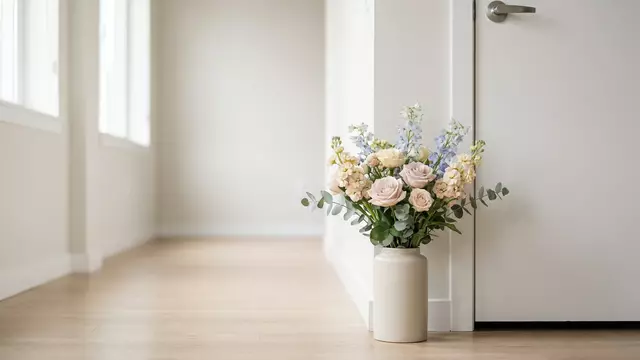
Yes, you can use plain, still bottled drinking water for a cut flower bouquet if your tap water is discoloured. Use a clean vase, follow the directions on any supplied flower food, and keep the stems in water while you investigate the tap-water problem separately.
You do not need a premium bottle or a particular brand to make this temporary switch. The useful priorities are clean water, a clean container and prompt care after the bouquet arrives. Bottled water provides a practical alternative when the household supply looks questionable, but it cannot undo damage from a long dry journey or a dirty vase.
Which bottled water should you choose?
Choose plain, still water intended for drinking. Avoid sparkling water, flavoured water and drinks containing sweeteners or other additives. Check the label rather than relying on the bottle's appearance: a clear liquid sold beside ordinary water may contain ingredients that have no useful role in your flower vase.
Ordinary bottled drinking water is a reasonable starting point; there is no need to search for an expensive mineral water. Mineral content varies between products, so a bottle alone does not establish that one water will keep every bouquet fresh for longer. For an interim solution, keep the choice simple and concentrate on vase hygiene.
Use water at a moderate room temperature unless the bouquet comes with specific instructions. You do not need to chill the bottle or add ice for a mixed bouquet. Open a fresh bottle if convenient, or use one that has been stored cleanly; water from a bottle people have been drinking directly from is a less sensible choice.
What to do about the discoloured tap water
Treat visible brown, yellow or rusty-looking water as a reason to choose another supply for the vase until the cause is understood. Colour alone cannot tell you what is present or whether the water is suitable for drinking. Check any notice from your water supplier or building management, and follow their instructions about household use.
Do not assume that boiling, leaving the water overnight or passing it through a household filter will resolve an unidentified problem. Those steps do different things, and none is a universal answer to discolouration. Your flowers can use bottled water while you obtain advice about the supply; there is no need to solve the plumbing issue first.
If the bouquet is already standing in discoloured water, prepare a clean vase with bottled water and transfer it promptly. Avoid leaving the stems dry while you inspect the old water. If a water advisory is in force, follow its guidance when cleaning the vase as well as when choosing the water that will go inside it.
Bouquets we can deliver




Prepare the vase and stems before filling
Wash the vase with detergent, remove any slippery residue from earlier flowers and rinse thoroughly using water suitable under any current household advice. Pay attention to a narrow neck or a base that a sponge cannot easily reach. A clean, stable jug can serve temporarily if your usual vase is difficult to clean properly.
Remove leaves that would sit below the waterline, while keeping healthy foliage above it. Submerged leaves decay and make the vase harder to keep clean. Choose a container that supports the bouquet without forcing the stems tightly together, and add enough water to keep all the cut ends submerged without soaking the remaining foliage.
With clean, sharp scissors or secateurs, trim a small amount from the stem ends before placing them in the prepared water. Make a clean cut without crushing the stem, and return each stem to water promptly. Avoid hammering or splitting the ends as a general treatment; a mixed bouquet does not need that kind of improvised preparation.
Use flower food carefully, even with bottled water
If your bouquet includes a commercial flower-food sachet, mix it with the volume of water stated on the packet. Measure the water instead of guessing from the vase's height: a wide vase can hold much more than a narrow one. Bottled water can be used for this mixture; it does not replace the need to follow the product's directions.
Do not tip a whole sachet into a small vase simply because it came with the bouquet. If the packet is intended for more water than you need, prepare the stated dilution in a clean container and use enough to fill the vase. Follow the label for any storage instructions rather than making assumptions about how long leftover solution will keep.
Without flower food, use plain water and maintain the vase carefully. Avoid adding an improvised mixture of sugar, bleach, vinegar or fizzy drink: household recipes make concentration difficult to control. Sugar by itself is not a complete flower-care treatment, and extra ingredients can complicate an otherwise straightforward temporary solution.
Keep the bottled water clean after the first fill
Check the water level every day, especially during the first day after arranging the bouquet. Stems can take up enough water to expose their cut ends, even when the vase looked adequately filled earlier. If you use flower food, follow its directions for topping up or replacing the solution so that the intended dilution is maintained.
Replace water promptly if it becomes cloudy, smells unpleasant or contains fallen leaves and petals. Empty and clean the vase rather than repeatedly topping up visibly dirty water. For an ongoing routine, our guide to changing cut-flower water explains what to check as your bouquet ages.
Keep the arrangement away from direct sun, radiators and draughts from heating or cooling equipment. Remove fading flowers and fallen material as you notice them, and check that every remaining stem still reaches the water. Bottled water is one part of care; a hot windowsill or neglected vase can still shorten the display.
Sending a bouquet to someone with a water-supply problem
If you are arranging flowers for someone in Russia, a short care message can be more helpful than a complicated set of instructions. Suggest plain still bottled water, a clean vase and the packet directions if flower food is supplied. Avoid telling the recipient that their tap water is safe or unsafe based only on its appearance.
You can choose from our bouquets catalogue and contact a manager on WhatsApp for help choosing a bouquet and agreeing the address, delivery time and card text. A card with your text is free. Delivery is anonymous by default: the courier does not name the sender, so include your name in the message if you want it disclosed.
We deliver flowers across Russia. City delivery costs 500 RUB; the operator confirms the price for remote districts and suburbs when confirming the order. You can pre-order 1–30 days ahead, which helps you coordinate with the recipient. Online checkout uses CloudPayments; check the payment options displayed there rather than assuming a particular foreign card will be accepted. Check our delivery information; confirm the timing for your order.
Frequently asked questions
Is bottled water better than clear tap water for every bouquet?
Bottled water is a useful alternative when your tap water is discoloured, but it is not automatically better for every bouquet. If your household supply is suitable for use and there is no relevant advisory, cleanliness and regular care remain the practical priorities.
Can I use sparkling bottled water if that is all I have?
Choose plain still drinking water for the vase. Sparkling water offers no necessary care benefit, and flavoured or sweetened versions introduce unwanted ingredients.
Should I replace the water if it turns brown after adding flowers?
Yes, replace visibly dirty water and clean the vase, checking for submerged leaves and decaying plant material. Colour developing in the vase does not establish that your household water supply has the same problem.
Can I leave the bouquet dry until the tap water clears?
Put the stems into suitable water promptly rather than waiting for an uncertain change in the supply. A clean temporary container filled with plain still bottled water is a practical way to keep the cut ends submerged.
How long will flowers last if I switch to bottled water?
There is no reliable extra number of days to promise from changing the water source alone. Flower type, condition on arrival, room conditions and continued vase care all affect how long the bouquet stays attractive.
Ready to send flowers?
Pick the city, choose the bouquet, and a local florist takes it from there.
Choose a city →