Can Wilted Flowers Be Saved? What to Try and When to Stop
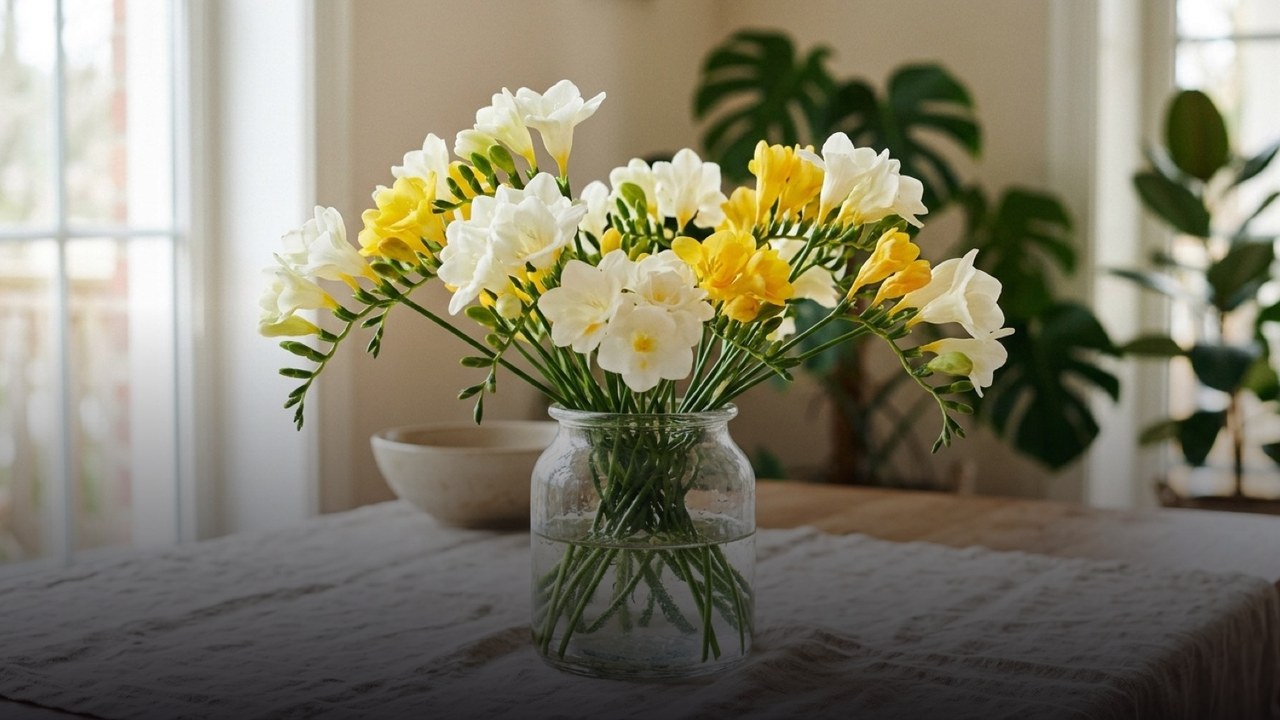
Yes, wilted flowers can sometimes be saved, especially when they have drooped because they have lost water or their stems cannot take it up efficiently. Start with a clean vase, fresh water and a fresh cut at the base of each stem, then leave the bouquet somewhere cool and shaded. Flowers with rotten stems, extensive browning or badly damaged petals are unlikely to recover.
The useful distinction is between a thirsty flower and a flower whose tissues are already deteriorating. Both can look tired at first, but they need different decisions: one deserves a careful attempt at rehydration, while the other should be removed from the vase. This guide helps you assess the damage, rescue the stems that still have a chance and avoid treatments that can make a mixed bouquet worse.
Check whether the flowers are thirsty, damaged or ageing
Look at the whole stem before judging the flower head. Limp leaves, a drooping head and a low water level suggest that water loss may be involved. If the petals still hold their colour and feel intact, recovery is worth trying. These signs are clues rather than a diagnosis: heat, ageing and restricted water uptake can produce similar symptoms.
Next, inspect the parts that were under water. Slippery stems, cloudy water and an unpleasant smell indicate that the vase needs cleaning and affected material needs attention. A soft, collapsing stem cannot support a flower properly. Remove visibly decaying stems, and check whether you can cut the remaining ones back to firm, healthy tissue without leaving them too short for the vase.
Separate physical damage from simple drooping. A sharply creased stem, crushed petals or dry, brittle edges will not become undamaged after a drink. One tired outer petal does not necessarily mean the whole flower is finished, though. Assess each stem individually; a mixed bouquet can contain flowers at different stages, so you may be able to save much of the arrangement.
Give salvageable stems a clean start
Take the bouquet out of its vase and set it on a clean surface. Remove decorative wrapping if it obstructs access to the stems, and loosen any tie that prevents you from inspecting them. Wash the vase thoroughly with detergent, rinse it well and refill it with fresh drinking water. Topping up dirty water leaves the original problem in place.
Using a clean, sharp knife or secateurs suitable for the stems, cut roughly 1–2 cm from each base. A slight angle can help keep the cut end from sitting flat against the vase bottom; a clean cut matters more than achieving a particular angle. Avoid crushing or hammering stems. Remove leaves that would sit below the waterline, then return the stems to water promptly.
If you have a sachet of commercial cut-flower food, mix it with the amount of water stated on its packet. A stronger solution is not a better rescue treatment. If you have no flower food, use clean water and maintain the vase carefully instead of guessing at a homemade recipe. Our guide to reviving wilting flowers covers the basic care routine in more detail.
Bouquets we can deliver




Let the bouquet rehydrate without adding more stress
Place the vase in a cool part of the room, away from direct sunlight, radiators, hot appliances and strong draughts. Keep it away from ripening fruit as well, since the ethylene released by some fruit can shorten the life of sensitive flowers. Choose a stable spot where the heads have space and nobody needs to keep moving the arrangement.
Give the stems a few hours before deciding whether the treatment has helped. Watch for leaves becoming firmer and flower heads holding themselves more steadily, rather than expecting every petal to look newly opened. Check the water level during this period: the cut ends must remain submerged. Some stems improve gradually; others will show little change because dehydration was only part of the problem.
Avoid adding several rescue treatments at once. Boiling water, prolonged full-flower baths and improvised mixtures can damage some varieties or encourage deterioration. Wet petals can also mark or rot, particularly if moisture remains trapped between them. For a mixed bouquet, clean water and a calm environment are the safest starting point; use specialist treatments only when you have reliable instructions for the particular flower.
Adjust your expectations to the flowers in the vase
A bent rose head may improve after recutting and rehydration if the stem is intact, but a pinched or damaged neck may stay bent. Do not mistake a naturally loosening outer petal for complete collapse. You can gently remove an obviously damaged outer petal if necessary, but stripping away layers will not restore the flower and can spoil its shape.
Tulips continue to grow and curve after cutting, so a leaning stem is not automatically a sign of failure. Look at the firmness of the leaves and stem as well as the direction of the head. Gerberas have softer stems that need gentle handling; check for a crease or soft patch before assuming that more water alone will make the head stand upright.
Hydrangeas can lose firmness dramatically when short of water, yet they do not always recover, especially once petals have become papery or brown. In any mixed arrangement, follow any variety-specific care instructions supplied with the flowers. Avoid applying a treatment intended for one species to every stem simply because they share a vase.
Keep the recovered flowers going, and know when to let go
Once the bouquet looks steadier, check it daily. Keep the water level above the cut ends, remove fallen leaves and refresh the water regularly, sooner if it becomes cloudy. Clean the vase again if a film develops. If you use flower food when replacing the water, follow the packet's dilution instructions each time rather than adding extra powder to an unknown volume.
Remove individual stems as they deteriorate. A flower that remains limp after several hours in fresh water may still be assessed again later that day, but repeated cutting cannot reverse decay. Soft stems, spreading translucent patches, mould and a strong unpleasant smell are reasons to discard the affected material. Dry, browned petal edges will remain damaged even if the rest of the flower firms up.
You do not have to preserve the original arrangement at all costs. If a few stems are still sound, move them into a smaller clean vase with enough water to cover their cut ends. This can turn a tired bouquet into a pleasing smaller display. A recovery may be partial or temporary, so judge success by improved firmness and usable stems rather than an exact return to its first-day appearance.
If you are sending flowers to someone in Russia
When a recipient tells you their flowers look tired, ask them to check the water and stem condition using the steps above. A clear photograph can help you understand whether they mean drooping, physical damage or normal opening. Keep the message practical and kind: they should not feel obliged to carry out elaborate treatments to show appreciation for your gift.
For a new gift, you can choose from our bouquets catalogue; we deliver flowers across Russia. City delivery costs 500 RUB, while the operator confirms the price for remote districts and suburbs when confirming the order. In large cities, express delivery is available in 1–2 hours after order confirmation. You can also pre-order 1–30 days ahead, helping you plan for a birthday or another date when ordering from abroad.
Contact a manager on WhatsApp for help choosing a bouquet and agreeing the time, address and card text, or for a photo of the bouquet before delivery. A card with your text is free, and delivery is anonymous by default: the courier does not name the sender. Online checkout uses CloudPayments; check the payment options displayed there for your card. See delivery and payment for the ordering information.
Frequently asked questions
How long should I give wilted flowers to recover?
Give freshly cut stems a few hours in clean water in a cool, shaded spot, checking that the cut ends stay submerged. Recovery varies with the flower and the cause of wilting; remove stems that develop obvious decay rather than waiting indefinitely.
Should I put sugar in the water to save wilted flowers?
Use commercial cut-flower food at the packet's stated dilution if you have it. Sugar alone does not provide the balanced treatment of a formulated product and can encourage microbial growth, so clean water is a better fallback than an improvised mixture.
Can I revive flowers by putting the entire bouquet in a bath?
Full immersion is not a suitable general treatment for a mixed bouquet, because some petals mark or deteriorate when wet. Start by cleaning the vase, recutting the stems and placing their cut ends in fresh water.
Does a drooping flower mean it was old when it arrived?
Drooping alone cannot tell you a flower's age. Water loss, heat exposure, restricted water uptake and physical damage can also affect its appearance, so inspect the leaves, petals and stem before drawing a conclusion.
Can flowers with brown petals be saved?
Brown, dead petal tissue will not turn fresh again, although the rest of a flower may still respond to better hydration. If browning is extensive or accompanied by soft stems, mould or an unpleasant smell, discard the affected flower.
Ready to send flowers?
Pick the city, choose the bouquet, and a local florist takes it from there.
Choose a city →