Writing a Card Message for Flowers Sent to Russia
You have chosen the bouquet, confirmed the delivery address, and then the card message field appears — and suddenly you are unsure what to write. Russian greeting culture has its own warmth and its own rhythms, and a message that lands perfectly in English can feel oddly flat when the recipient reads it in translation. This guide gives you real phrases, explains the occasions they suit, and shows you how to transliterate a few words of Russian so the person opening the door feels genuinely seen.
Why the Card Matters as Much as the Bouquet
In Russia, flowers arrive with weight. They are not a casual gesture the way a potted plant on a desk might be in other cultures. A bouquet of deep-red peonies or cream-coloured spray roses signals that the sender thought carefully, and the card is expected to match that intention. Leaving the message blank — or writing only your name — reads as distant, even cold, to many Russian recipients. The card is where the emotion lives.
Russian greetings tend to be warmer and more expansive than their English equivalents. Where an English speaker might write 'Happy Birthday,' a Russian phrase will often wish the recipient health, happiness, and many years of joy all in one breath. That is not hyperbole — it is sincerity, and recipients notice when a foreign sender makes the effort to echo it.
You do not need to write in perfect Russian. A single transliterated line followed by your message in English shows effort and affection. The combination works especially well when the recipient knows you are not a native speaker, because the gesture of trying carries its own meaning. Think of the card as the final layer of the arrangement — just as a florist finishes a bouquet of white ranunculus with a ribbon that suits the occasion, your words finish the gift.
Bouquets we can deliver

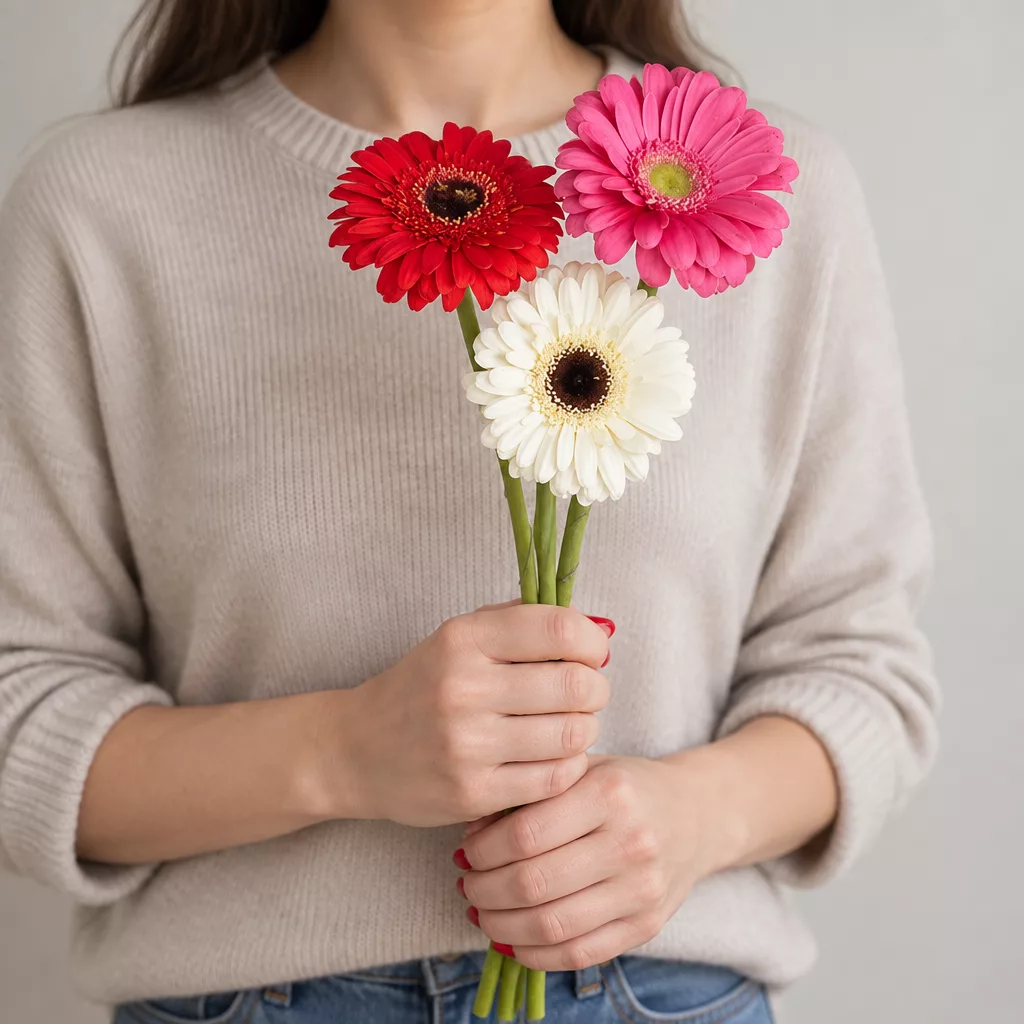
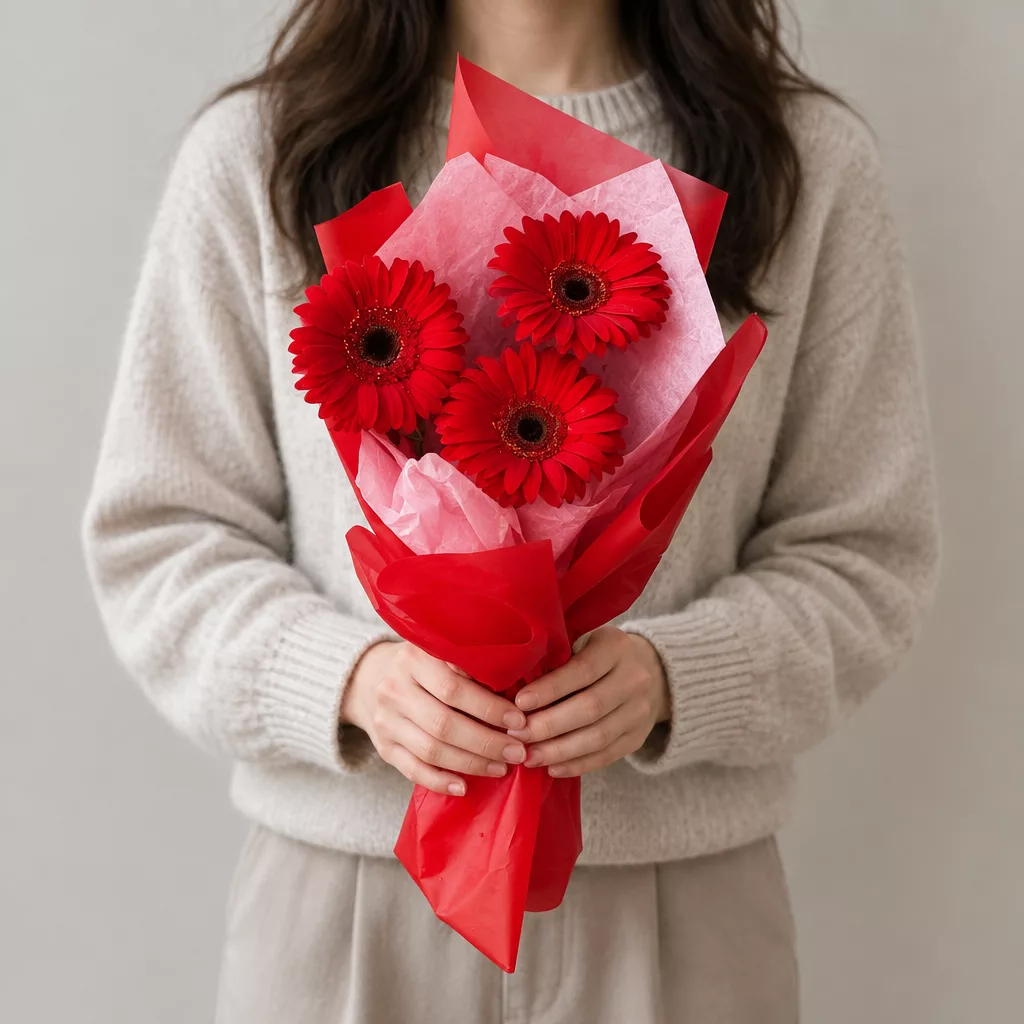
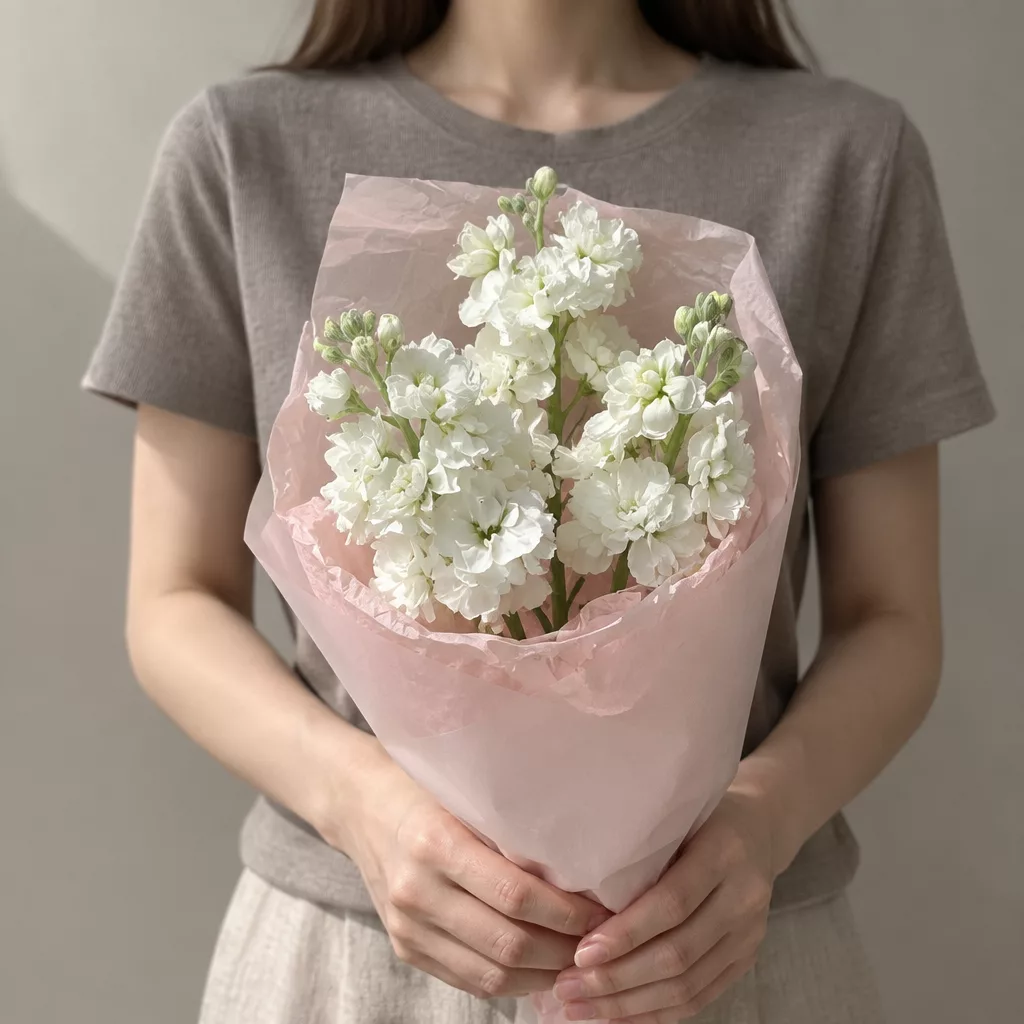
Birthday Messages: Warm, Personal, and a Little Generous
The Russian word for birthday is den rozhdeniya, and the standard greeting is 'S dnyom rozhdeniya!' — transliterated as 'S dnyom rozhdeniya!' and meaning 'Happy Birthday!' That phrase alone is enough to open your card, and what follows can be in English. Russian birthday wishes traditionally include a mention of health above all else, then happiness, then professional or personal success depending on the recipient.
For a close friend or partner, try opening with: 'S dnyom rozhdeniya! Wishing you everything that makes you happiest — good health, laughter, and all the warmth you deserve.' That structure — the Russian opener, then a personal English wish — reads naturally and feels considered. If you know the recipient enjoys a particular hobby or has a goal they are working toward, mentioning it briefly makes the message feel genuinely personal rather than copied from a template.
For a colleague or a more formal relationship, keep the Russian opener and follow with something measured: 'S dnyom rozhdeniya! With respect and warm wishes for a wonderful year ahead.' Avoid overly intimate language if you do not know the person well — Russian professional culture values appropriate distance even in celebratory moments.
A birthday bouquet often features bright, bold colours: sunflowers, orange gerberas, or pink garden roses. Your card message should carry the same energy as the flowers. If you have chosen something exuberant and colourful, match it with a message that is generous and warm rather than understated. The card and the bouquet should feel like they came from the same person.
March 8 Messages: Celebrating International Women's Day the Russian Way
International Women's Day on March 8 is one of the most important flower-giving occasions in Russia — larger in many households than Valentine's Day, and celebrated with genuine enthusiasm across generations. Almost every woman in a man's life receives flowers that day: mothers, grandmothers, wives, girlfriends, colleagues, teachers. If you are sending flowers to a woman in Russia on or around March 8, you are participating in a tradition that feels both national and deeply personal.
The greeting for this day is 'S Vosymym Marta!' — transliterated as 'S Vos'mym Marta!' — meaning 'Happy March 8th!' Follow it with something that honours the recipient as a woman specifically: her grace, her strength, her warmth. Russian March 8 cards often celebrate femininity in an open, unironic way that might feel old-fashioned in some Western contexts but is genuinely appreciated here.
Try: 'S Vos'mym Marta! You bring beauty and warmth to everyone around you. Wishing you a day full of joy and flowers — you deserve every single one.' For a mother or grandmother: 'S Vos'mym Marta! Thank you for everything you are. Today and always, you are celebrated.' Keep the tone tender rather than witty — this is a day for sincerity.
Flowers for March 8 lean toward tulips, mimosa, and early spring varieties. Yellow and white are especially popular. Your card should match that lightness — bright, generous, and unhurried. If you are sending from abroad and worried the message will feel impersonal, adding one specific detail about the recipient transforms even a short card into something memorable.
New Year Messages: Russia's Biggest Celebration of the Year
New Year's Eve in Russia is what Christmas Eve is in much of Western Europe — the central celebration of winter, the night of gifts and family and champagne and television. Flowers sent in late December or early January carry enormous warmth because they arrive in the middle of the season's most important emotional moment. Getting the card right here matters more than almost any other occasion.
The greeting is 'S Novym Godom!' — transliterated exactly as it sounds — meaning 'Happy New Year!' Russian New Year wishes often look forward: to health in the coming year, to new beginnings, to dreams being realised. The tone is hopeful and expansive, not nostalgic. Unlike some Western Christmas cards that reflect on the year just passed, Russian New Year messages tend to face forward.
For family or close friends: 'S Novym Godom! May the coming year bring you everything you have been hoping for — health, happiness, and moments worth remembering.' For a romantic partner: 'S Novym Godom! I am so grateful you are in my life. Here is to everything we will share in the year ahead.' For a colleague or business contact: 'S Novym Godom! Wishing you a successful and joyful year in all that matters most.'
Winter bouquets in Russia often feature amaryllis, white chrysanthemums, or red roses — colours that feel festive against the snow outside. Your card should carry that same sense of occasion. Write as if you are raising a glass across the distance, because in spirit, you are.
Wedding Messages: Honouring the Couple with the Right Words
Russian weddings are celebratory, loud, and deeply sentimental all at once. Flowers sent to a wedding or to the couple's home afterward should arrive with a card that matches that emotional register. The standard greeting is 'S Sogorko!' — which you may also see written as 'Gorko!' — a traditional toast that literally means 'Bitter!' and is the cue for the couple to kiss to sweeten it. It is playful and affectionate, and Russian recipients will smile when they see it from a foreign sender who knows the tradition.
For a more formal card, use: 'Pozdravlyaem s brakosochetaniyem!' — transliterated as 'Pozdravlyayem s brakosochetaniyem!' — meaning 'Congratulations on your marriage!' Follow with a personal wish in English: 'May your life together be full of love, laughter, and the kind of happiness that grows stronger every year.'
Russian wedding culture places great value on the idea of a long, happy marriage. Wishing the couple 'many years together' — 'Mnogo let schastya!' — is both traditional and genuinely moving. If you know the couple well, add something specific: a memory, a quality you admire in each of them, or a hope for their future that feels true rather than generic.
Wedding flowers in Russia tend toward white and cream: roses, lisianthus, and white peonies in season. If you are sending a congratulatory bouquet rather than a bridal arrangement, soft pinks and champagne tones work beautifully. Your card should feel as considered as the flowers — unhurried, warm, and written as if you had all the time in the world to say something true.
Transliteration Tips So Your Russian Phrases Read Naturally
You do not need to learn the Cyrillic alphabet to write a phrase or two of Russian on a card. Transliteration — writing Russian sounds using Latin letters — is widely understood by Russian readers, and a handwritten or typed transliterated phrase reads as charming rather than clumsy. A few simple rules will help you avoid the most common mistakes.
The Russian 'ya' sound appears in many greetings and is written exactly as it sounds: 'ya.' The soft sign in Russian — which softens the consonant before it — can be shown with an apostrophe or simply omitted without losing meaning. 'Vos'mym' and 'Vosmym' will both be understood. The letter 'zh' represents the sound in the middle of 'measure' — you will see it in words like 'zhelayu' (I wish). Do not overthink it: approximate transliteration is always better than no attempt at all.
If you are writing by hand on a physical card, take your time with the unfamiliar letter combinations. If you are typing into a card field online, copy the phrases from this article directly — they have been written to be legible to a Russian reader without requiring specialist knowledge.
One important note: Russian uses formal and informal address, and the difference matters. 'Ty' is informal (for friends, family, children) and 'Vy' is formal (for colleagues, elders, people you do not know well). Most of the phrases here are neutral or can work in either register, but if you are writing to someone's grandmother for the first time, err toward the formal. When in doubt, formal is always safer and always respectful.
Presentation: How Length, Tone, and Handwriting Affect the Message
Russian greeting culture tends toward generosity of expression. A card that is three lines long will be read as warmer than a card that is one line long, all else being equal. You do not need to fill the entire space — but you should write enough to show that you stopped and thought about this person specifically. A message that could have been written for anyone will feel like it was written for no one.
Tone matters as much as content. Russian recipients respond to warmth, sincerity, and a slight formality of phrasing — not stiffness, but care. Avoid slang, abbreviations, or anything that reads as hurried. 'Wishing you all the best' is a placeholder, not a message. 'Wishing you a year of good health, real happiness, and the kind of rest you have been promising yourself' is a message.
If you are ordering online and typing into a card field, read the message aloud before you submit it. Does it sound like something you would actually say to this person? If it sounds like a template, revise it. One genuine sentence is worth more than three polished but impersonal ones.
Handwriting, when it is an option, adds a layer of intimacy that typed text cannot replicate. If Turboflora's card service allows a handwritten note, use it for close relationships — a mother, a partner, a best friend. For professional or formal recipients, typed is perfectly appropriate and reads as clean and considered. Either way, sign with your name exactly as the recipient knows you — not a nickname they have never heard, and not a formal version of your name that feels unfamiliar.
A card message is not a formality — it is the part of the gift that the recipient will read twice, sometimes three times, before setting the flowers in water. Getting it right does not require fluency in Russian or expertise in etiquette. It requires a few minutes of genuine thought, a warm phrase in a language that is not your own, and the willingness to say something true. The flowers from Turboflora will arrive fresh and beautiful; let the card arrive the same way.
Frequently asked questions
Is it acceptable to write the card message entirely in English?
Yes, and many recipients appreciate it — especially if they know the sender is not a Russian speaker. A single opening phrase in transliterated Russian followed by your message in English is ideal, but a warm, personal message in English alone is always better than a short or generic one in any language. Sincerity travels across language barriers more reliably than perfect grammar.
Should I use formal or informal Russian address when writing to someone I have not met?
Always use formal address when writing to someone you do not know personally — this means avoiding intimate phrasing and leaning toward measured, respectful language. In Russian culture, formality with strangers or elders is a sign of respect, not coldness. If the recipient is a close friend's parent or a colleague you have never spoken to directly, keep the tone warm but dignified.
How long should a card message be for a Russian occasion?
Three to six sentences is a comfortable length for most occasions. Russian greeting culture favours generosity of expression, so a message that is too brief can read as indifferent. You do not need to fill every line, but you should write enough to show the message was written for this specific person rather than copied from a template. Quality of thought matters more than word count.
Can I send flowers with a card message to any city in Russia, not just Saint Petersburg?
Turboflora delivers fresh flowers across Russia within one to two hours, so your bouquet and card can reach recipients in cities far from Saint Petersburg. The card message you compose at checkout travels with the order, and our team ensures the arrangement arrives in the same condition it left our studio — fresh, presented well, and accompanied by your words exactly as you wrote them.
Are there any phrases or topics I should avoid on a Russian greeting card?
Keep card messages celebratory and forward-looking. Avoid references to age in a way that might be unwelcome — commenting on how many years someone has lived can feel sensitive depending on the recipient. Skip dark humour unless you know the person extremely well. Focus on health, happiness, and the specific occasion. When in doubt, warmth and sincerity are always the right direction.
Ready to send flowers?
Pick the city, choose the bouquet, and a local florist takes it from there.
Choose a city →