Thinking Carnations Are Old-Fashioned? These Varieties Will Change Your Mind
Somewhere along the way, carnations picked up a reputation they do not deserve. Ask most people in Russia what they think of them and you will hear words like 'cheap' or 'Soviet-era'. Yet walk into any serious flower market in Saint Petersburg or Moscow today and you will find florists quietly reaching for spray carnations and garden varieties before almost anything else. They last. They travel beautifully. They combine with peonies, ranunculus, and eucalyptus in ways that look genuinely expensive. This article is for anyone who has dismissed carnations and is ready to reconsider.
Why Carnations Got a Bad Name in Russia — and Why That Story Is Outdated
The association runs deep. For decades, single large-headed carnations in red or white were the default gift at Soviet-era celebrations — May Day parades, school graduations, official anniversaries. They were everywhere, which made them feel ordinary. When the Russian flower market opened up in the 1990s and roses and tulips flooded in from the Netherlands and Ecuador, carnations became the flower people moved away from rather than toward.
What changed is the flower itself. Breeders in Colombia, the Netherlands, and Spain spent the last two decades developing varieties with ruffled petals, bi-colour edges, and a much softer overall silhouette. The stiff, almost waxy standard carnation of the Soviet period has almost nothing in common with a modern Dianthus caryophyllus cultivar from a serious grower.
Russian florists began noticing the shift around 2015 to 2018, when spray carnations — the multi-stemmed, smaller-headed type — started appearing in wedding work and editorial shoots. Once a bouquet photographed well on Instagram, attitudes changed fast. Today the question is not whether carnations belong in a modern arrangement, but which variety suits the moment. The outdated reputation is genuinely a generational thing: younger buyers have no Soviet reference point and simply see a beautiful, long-lasting flower at an accessible price.
Bouquets we can deliver

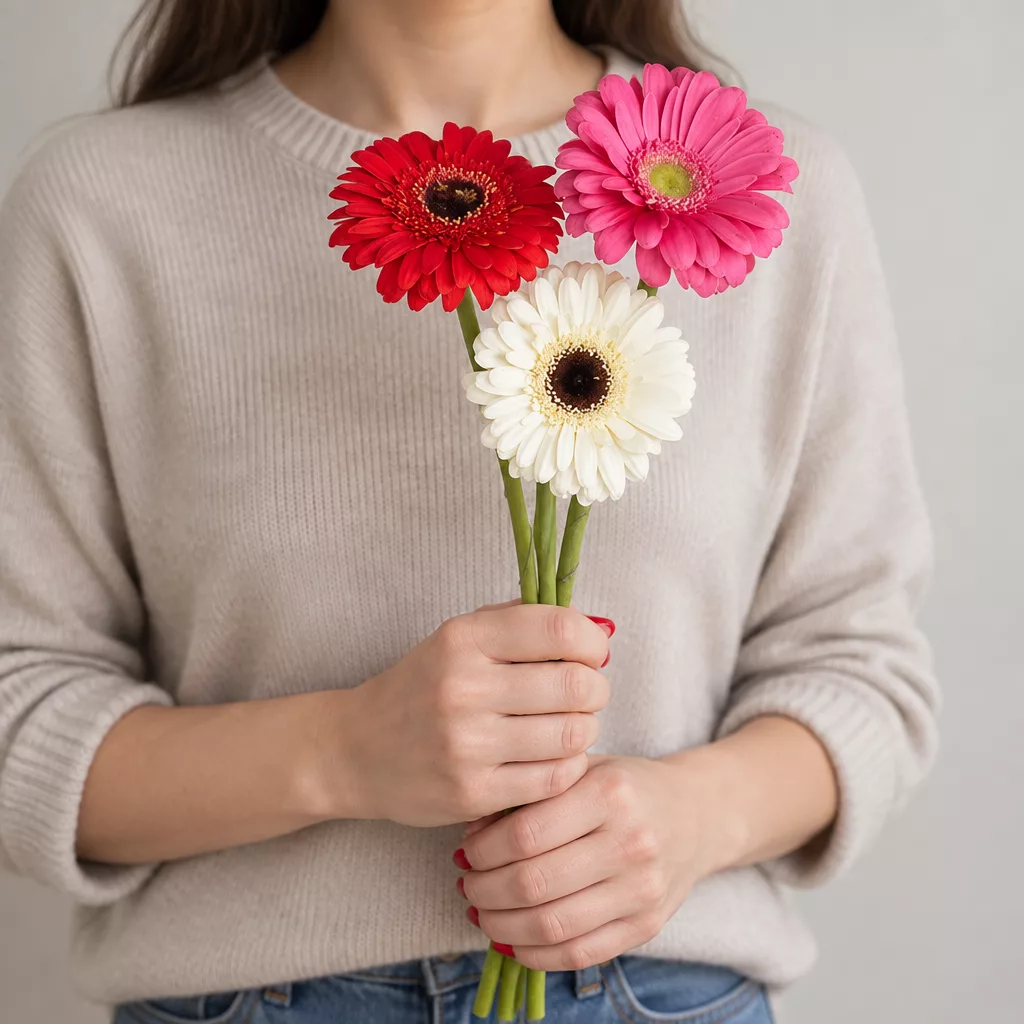
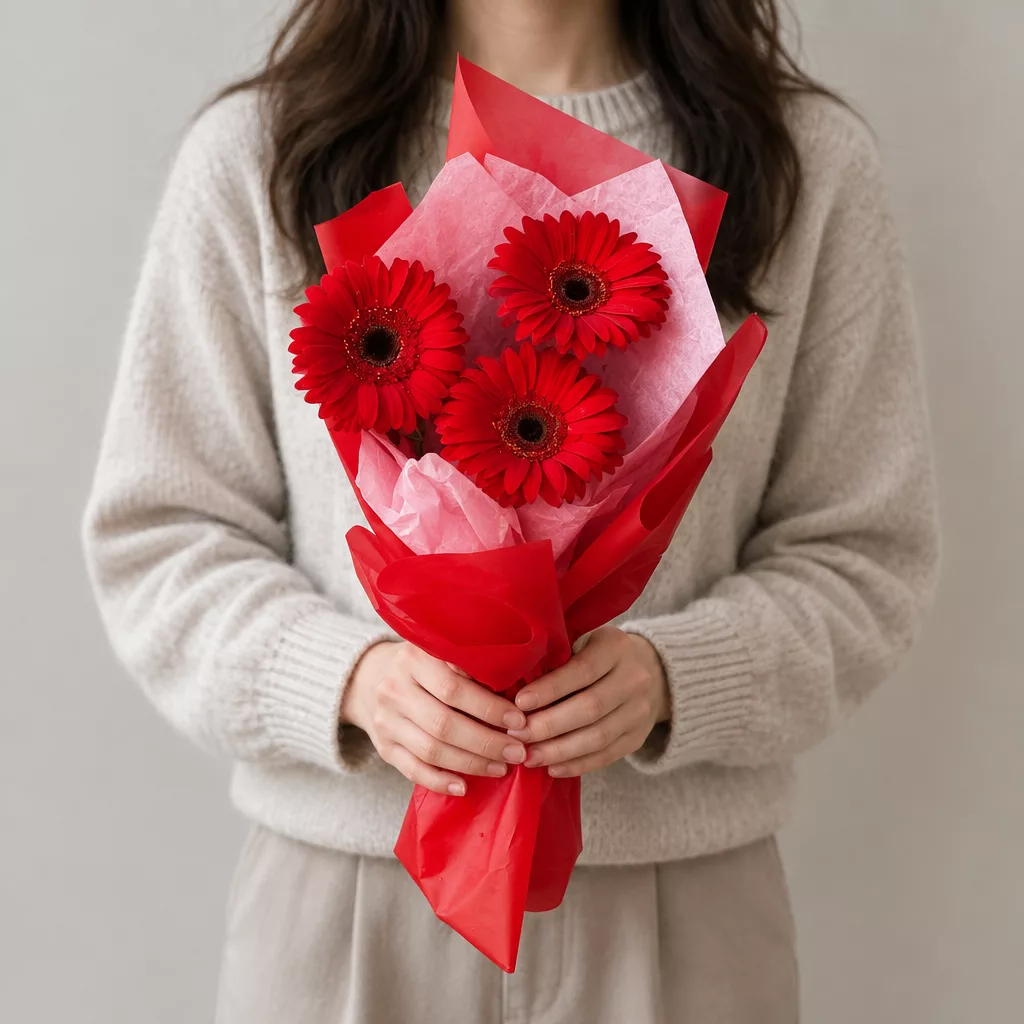
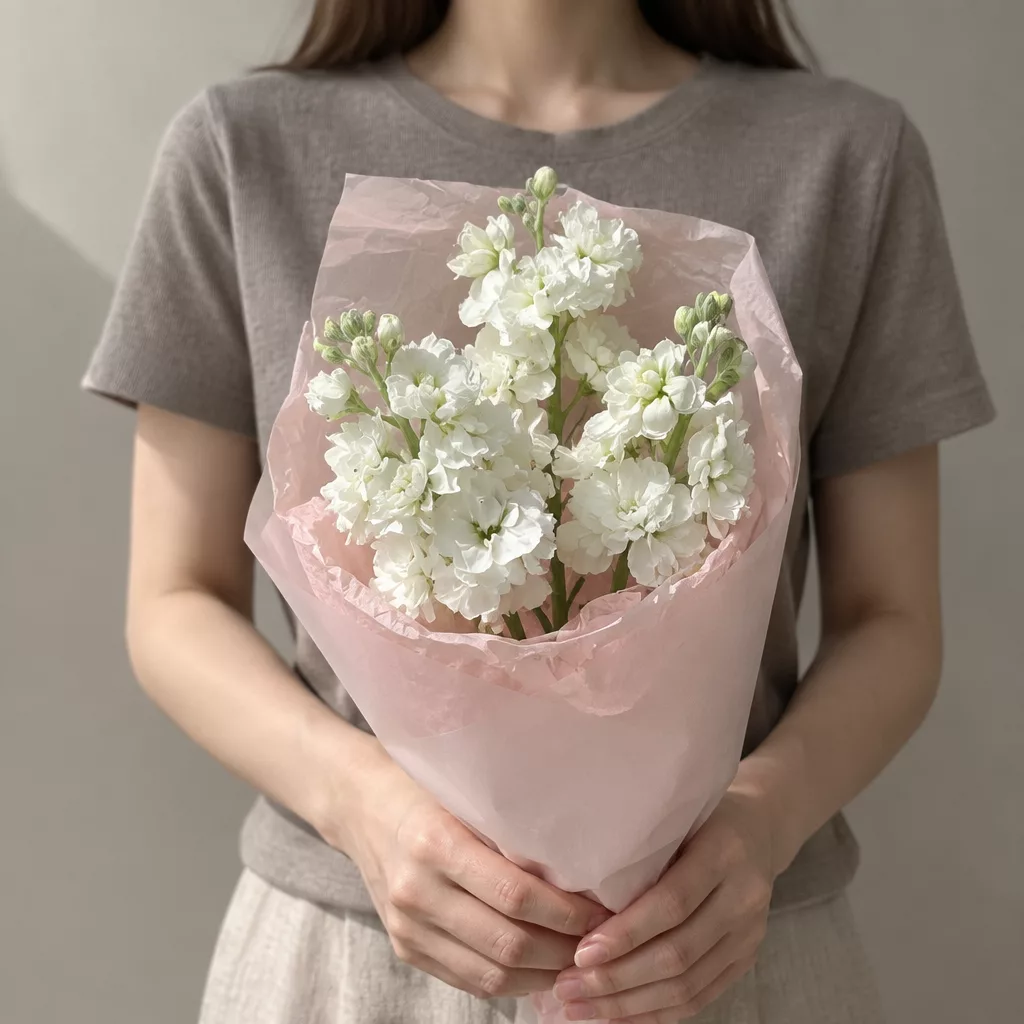
Spray Carnations: The Variety That Quietly Took Over Wedding Floristry
A spray carnation is not one bloom on a stem — it is a branching stem carrying five to nine smaller heads, each opening at a slightly different time. That staggered opening is exactly what florists love, because a bouquet that arrives looking half-open will still be beautiful ten days later when the last heads come into full bloom.
Varieties like Tessino, Prado, and the soft-pink Mambo have become staples in Russian wedding floristry because they fill negative space in an arrangement without the cost of adding more focal flowers. One or two stems of spray carnation can do the work of five or six individual blooms. In a hand-tied bouquet with garden roses and dried grasses, they add a delicate, almost vintage texture.
The colour range is genuinely wide now. Beyond the classic reds and whites, you can find dusty mauves, warm corals, creamy champagnes, and the striped or picotee types where the petal edge is a different shade from the centre. Picotee varieties — where a deep burgundy or purple outlines a white petal — have become particularly popular for autumn and winter arrangements in Russia, where darker, moodier palettes suit the season.
For the person receiving flowers, spray carnations are forgiving. They do not drop petals dramatically if the room is warm. They do not wilt overnight if someone forgets to top up the vase. That reliability matters enormously when you are sending flowers to someone who may not be an experienced flower keeper.
Garden Carnations and Dianthus: Smaller, Softer, and Very Much in Demand
Garden carnations and their close relatives in the Dianthus family sit between a spray carnation and a wildflower in appearance. The heads are smaller and more loosely formed than a standard carnation, the petals often fringed or toothed at the edges, and the stems slightly more slender. They carry a light, spicy-sweet scent that the large standard carnation largely lost through selective breeding.
In Russia, these smaller Dianthus types have found a strong following in the 'countryside' or 'garden' bouquet style — loose, asymmetric arrangements that look as though they were just gathered from a summer field. Paired with sweet William, lisianthus, and a few sprigs of mint or rosemary, a garden carnation bouquet reads as thoughtful and personal rather than generic.
They are particularly well suited to sending to someone who appreciates flowers but finds large formal bouquets slightly overwhelming. A teacher, a colleague, a neighbour who helped out — the scale feels appropriate and the gesture feels considered rather than extravagant.
One practical point: garden carnations and Dianthus prefer cooler room temperatures. In a Russian apartment in January, near a radiator, they will last around seven days. Move the vase to a cooler spot — a hallway or a room that is not actively heated — and that extends to ten or twelve days easily. The scent also intensifies slightly in cooler air, which is an unexpected pleasure for the recipient.
Choosing Carnations for the Occasion: From Birthday to Thank-You
Carnations work across a wide range of occasions when you match the variety and colour to the mood. For a birthday, spray carnations in warm coral or bright fuchsia combined with ranunculus or anemones feel celebratory without the formality of a dozen red roses. The multi-headed stems mean the arrangement looks generous and full even in a compact vase.
For a thank-you — to a doctor, a teacher at the end of the school year, or a colleague who covered for you — a monochromatic bouquet of white or cream spray carnations with some eucalyptus or pittosporum reads as elegant and sincere. In Russian culture, white flowers for a living person are perfectly appropriate as a gift of gratitude or respect, despite the occasional misconception that white flowers are reserved for sad occasions. Context and combination matter far more than colour alone.
For a romantic gesture that is not a first date — a one-month anniversary, a spontaneous midweek surprise — bi-colour carnations in dusty rose or burgundy-edged white mixed with a few stems of garden roses create something that feels genuinely intimate. It does not shout, which is often exactly right.
For children's occasions — a school performance, a first recital — small spray carnations in bright mixed colours are practical as well as cheerful. A child can hold them easily, they are not heavy, and they will still be alive and open when the family photographs are taken three days later.
Budget Choices That Do Not Look Budget: Carnation Combinations That Punch Above Their Price
One of the most useful things about modern carnations is that they make other flowers look more expensive. This sounds counterintuitive, but it is something working florists understand well. A stem of garden roses surrounded by spray carnations in a complementary tone reads as a lush, layered arrangement. The same roses on their own, with nothing to support them, can look sparse unless you use many more stems.
For a mid-range budget, a combination that consistently works well is five stems of garden roses, four stems of spray carnations in a toning colour, and three stems of eucalyptus or ruscus for structure. The carnations fill the arrangement, the roses provide the focal point, and the greenery ties it together. The result looks like a thoughtful, professionally composed bouquet — because it is.
For a smaller budget, carnations alone can absolutely carry a bouquet if the variety and colour selection is right. A single variety in one colour, cut to different heights and arranged in a loose spiral, looks intentional and modern rather than simple. A bunch of twenty spray carnation stems in dusty mauve or warm white is genuinely striking on its own.
The mistake most people make when working with carnations on a budget is mixing too many colours randomly. Three closely related tones — say, blush, warm white, and soft coral — will always look more considered than six different colours scattered through the same bouquet. Restraint in colour is the single biggest upgrade you can make without spending more.
Vase Life and Care: Why Carnations Outlast Almost Everything Else You Can Send
The vase life of a well-conditioned carnation is genuinely exceptional. Under normal Russian apartment conditions — indoor temperatures between 20 and 24 degrees Celsius, which is typical in winter when central heating runs constantly — spray carnations last ten to fourteen days. Standard large-headed carnations can go even longer, up to three weeks with basic care.
The care routine is straightforward. Cut the stems at an angle, about two centimetres from the bottom, using a sharp knife rather than scissors. Scissors crush the stem tissue and reduce water uptake. Change the water every two to three days and re-cut the stems each time. Remove any leaves that sit below the waterline, as submerged foliage rots quickly and turns the water cloudy.
Keep carnations away from fruit bowls. This is not a myth — ripening fruit, particularly apples and pears, releases ethylene gas, which accelerates petal aging in carnations faster than in almost any other cut flower. A carnation that would last twelve days on a windowsill will last six if it sits next to a fruit bowl.
Cold is your friend. If you receive flowers in winter and have a cool room or an unheated hallway, moving the vase there overnight will noticeably extend the life of the blooms. Many Russian households already do this instinctively in deep winter, and it works. Avoid direct sunlight and draughts from windows, both of which dry the petals faster than warm still air does.
Sending Carnations Across Russia: What to Expect When the Flowers Arrive
Carnations are among the most travel-tolerant cut flowers available, which makes them an excellent choice when you are sending flowers to someone in another city. They do not bruise easily. The petals are firm enough to survive being wrapped and boxed without collapsing. And because they are not fully open when cut, they arrive looking fresh and continue opening over the following days — so the recipient gets the experience of watching the bouquet develop.
When Turboflora delivers within Saint Petersburg, carnations arrive in water-retaining packaging that keeps the stems hydrated during transit. For deliveries to other Russian cities, the flowers are conditioned and packed to handle the journey. The recipient simply needs to unpack them promptly, cut the stems, and place them in fresh water.
One thing worth knowing if you are sending flowers to someone unfamiliar with Russian customs: carnations in Russia are given in odd numbers for celebratory occasions, following the general Russian tradition for gifting flowers to living recipients. Even numbers carry a different cultural weight. A good florist will always arrange the stems accordingly, and Turboflora does this as standard.
If you are sending flowers to someone who lives alone or travels frequently, carnations are the most forgiving choice. They will wait. They will still be beautiful when the recipient returns from a two-day work trip. That patience is something a rose or a tulip simply cannot offer at the same price point, and it is reason enough to reconsider carnations entirely.
Carnations have earned their place back in serious floristry, not through nostalgia but through genuine quality. The varieties available now bear little resemblance to the flowers that gave them a difficult reputation, and the people who work with flowers every day know it. Whether you are choosing for a birthday, a thank-you, a romantic surprise, or simply a beautiful thing to brighten a room, a well-chosen carnation arrangement will outlast almost anything else you could send — and it will look better on day ten than most flowers do on day three.
Frequently asked questions
Are carnations considered an appropriate gift in Russia, or do they have negative associations?
Carnations are a fully accepted gift flower in Russia for celebrations, gratitude, and everyday occasions. The only cultural note to keep in mind is the odd-number rule: flowers for living recipients are traditionally given in odd numbers. Beyond that, colour and combination matter far more than the flower type itself when it comes to the message you are sending.
How long will spray carnations actually last in a warm Russian apartment?
In a centrally heated Russian apartment running at around 22 degrees Celsius, well-conditioned spray carnations typically last ten to fourteen days. Changing the water every two to three days, re-cutting the stems, and keeping the vase away from fruit and direct sunlight will keep them at the longer end of that range without any special effort.
What flowers combine well with carnations for a modern, non-traditional look?
Spray carnations pair beautifully with ranunculus, garden roses, lisianthus, and eucalyptus for a soft, layered look. For something more structured, combine them with tulips or anemones. The key is choosing one or two toning colours rather than mixing many shades — a restrained palette makes any carnation arrangement look considered and intentional rather than casual.
Can carnations survive being shipped to another city without arriving wilted?
Yes, and they are one of the best choices for long-distance delivery precisely because of this. Carnations have firm petals, travel well in protective packaging, and are typically cut before fully opening, so they continue developing after arrival. The recipient gets a bouquet that looks fresh on arrival and keeps improving over the following days.
Is it true that carnations should not be placed near fruit?
This is completely true and worth taking seriously. Ripening fruit releases ethylene gas, which accelerates ageing in carnations more than in most other cut flowers. A bouquet that could last twelve days will age noticeably faster sitting near a fruit bowl. Moving the vase to a different surface — away from the kitchen counter — is a simple change that makes a real difference to how long the flowers last.
Ready to send flowers?
Pick the city, choose the bouquet, and a local florist takes it from there.
Choose a city →