Carnations in Russia: Patriotic Symbol or Romantic Gift?
If you have ever stood in a Russian city on Victory Day and watched crowds place red carnations at a war memorial, you already know one side of this flower. But walk into any market on March 8th and you will find the same bloom wrapped in cellophane for a grandmother, a teacher, or a first date. Carnations hold two very different emotional registers in Russia, and knowing which one you are stepping into makes all the difference between a gift that lands perfectly and one that feels oddly formal.
Why Carnations Mean Something Different Here
In much of Western Europe, carnations are a florist's workhorse — long-lasting, affordable, easy to dye. In Russia, they carry a layer of civic memory that most outsiders do not expect. The Soviet state adopted the carnation as a symbol of revolutionary solidarity in the early twentieth century, and that association stuck. Red carnations in particular became the official flower of public commemoration, placed at monuments on May 9th and given to veterans by schoolchildren across the country.
That history does not make carnations a sad flower. Russians hold both meanings at once without contradiction. A red carnation at a memorial is solemn and respectful. A bouquet of pink or white spray carnations given to a colleague on her birthday is cheerful and warm. The colour, the combination, and the context do almost all the interpretive work. As a sender, your job is simply to understand which register you are choosing.
For anyone ordering flowers from outside Russia, this dual identity is actually reassuring. Carnations are widely available, they travel well, and they arrive looking fresh even after a courier journey across a large city. They are also one of the few flowers that genuinely suit a wide range of recipients — from a teenage niece to a retired professor — as long as you choose the right shade and pair them thoughtfully.
Bouquets we can deliver

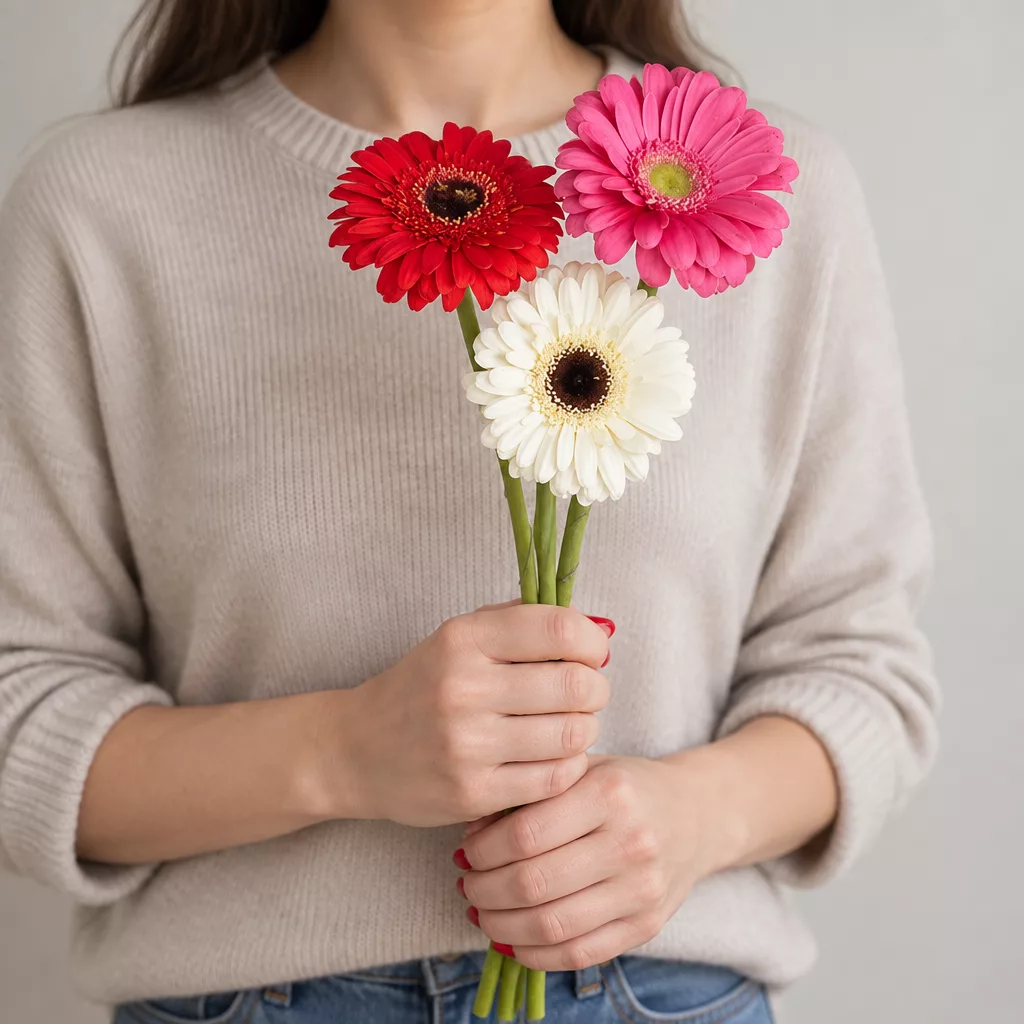
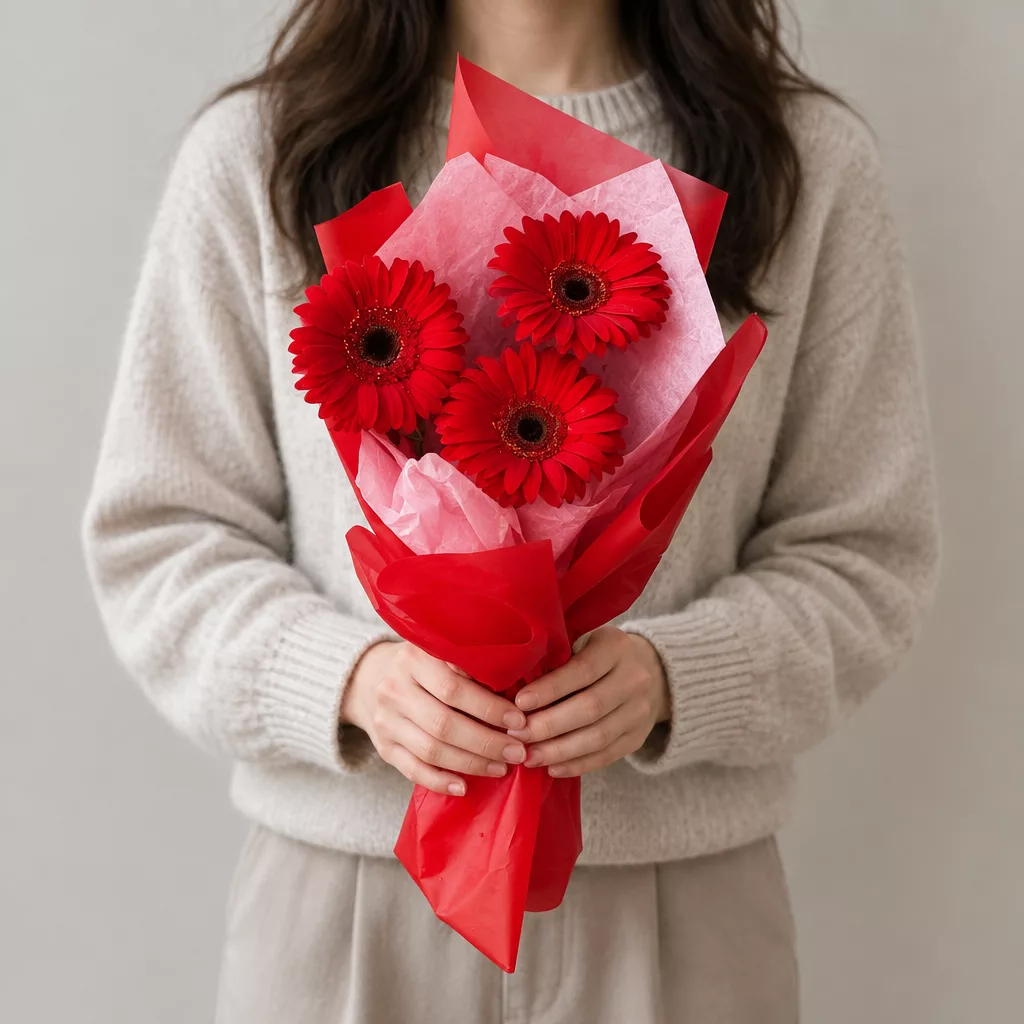
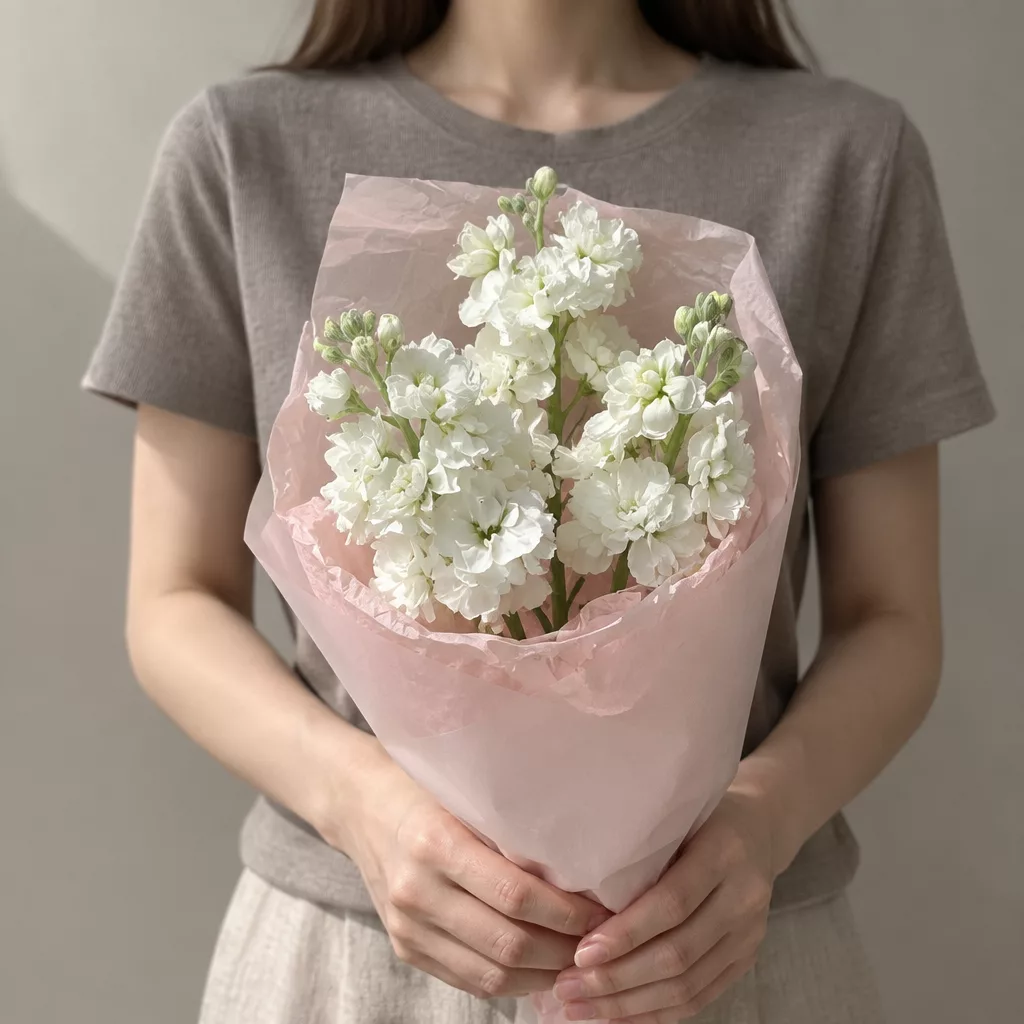
The Occasions Where Carnations Fit Naturally
Carnations belong at a specific set of Russian occasions, and once you know them, choosing becomes straightforward. Teacher's Day on October 5th is probably the single biggest carnation moment of the year. Schoolchildren across Russia bring bouquets to their teachers, and carnations — especially in soft pink, white, and yellow — dominate those arrangements. If you are sending flowers to a teacher or an academic, this is a moment when carnations feel entirely correct and culturally fluent.
March 8th, International Women's Day, is the other great carnation occasion. While tulips have become fashionable for this holiday, carnations remain the classic choice, particularly for older recipients. A mixed bouquet combining white spray carnations with a few ranunculus or alstroemeria reads as modern and considered rather than nostalgic.
Birthdays, job promotions, and housewarming gifts are all situations where carnations work well when they are not presented alone in a single colour. A mono-bouquet of twenty red carnations will read as civic to many Russian recipients. The same flowers combined with white lisianthus, soft greenery, and a few garden roses shift the tone entirely toward celebration. Think of carnations as a strong supporting voice in a composition rather than a solo instrument, and most occasions open up to them. Sending to a man is also perfectly appropriate — deep burgundy or bi-colour carnations in a structured hand-tied bouquet are a confident, masculine choice that is underused and always appreciated.
Choosing by Colour: What Each Shade Communicates
Colour is the primary signal carnations send, and it is worth being deliberate about it. Red carnations carry the heaviest symbolic weight in Russia — they are associated with civic commemoration and Soviet-era aesthetics. That does not make them wrong for a romantic gift, but it does mean they need company. Red carnations paired with white roses or eucalyptus read as passionate and elegant. Red carnations alone in a cellophane sleeve read as a monument offering.
Pink carnations are the most versatile. Pale blush and dusty rose tones have become genuinely fashionable in Russian flower culture over the past decade, and a bouquet built around these shades works for almost any female recipient regardless of age. Hot pink or magenta carnations are energetic and youthful — a good choice for a teenager or a creative friend.
White carnations are widely used in wedding work and celebration arrangements. They are clean, elegant, and combine beautifully with greenery. Some senders worry that white flowers carry mourning associations in Russian culture, but this concern is largely overstated for carnations specifically — white spray carnations appear constantly in birthday and graduation bouquets without any ambiguity.
Yellow and orange carnations are cheerful and informal. They suit a get-well gift or a thank-you bouquet without the intensity of red. Bi-colour varieties — petals edged in a contrasting shade — add visual interest and feel contemporary. If you want a carnation bouquet that looks current rather than traditional, bi-colour varieties combined with textural greenery like ruscus or pittosporum are the direction to go.
Building a Bouquet Around Carnations
The most common mistake with carnations is treating them as the entire story. A bouquet of thirty identical carnations in one colour, however fresh, reads as institutional in Russia — the kind of arrangement that gets placed on a table at a formal event rather than handed to someone you care about. The solution is composition: using carnations as one element in a layered arrangement where different textures and heights create visual warmth.
Spray carnations — the multi-headed variety where each stem branches into several smaller blooms — are particularly useful for this. They fill space naturally, add a soft cloud-like texture, and make a bouquet look generous without requiring a large number of stems. Combine them with a focal flower that has a rounder, more defined shape: garden roses, lisianthus, or ranunculus all work well. Add one or two stems of something linear — snapdragons or veronica — and finish with foliage that has a different leaf shape, such as eucalyptus or salal.
For a romantic gift specifically, consider a hand-tied bouquet where deep pink or burgundy standard carnations sit alongside garden roses in a complementary tone, with white spray carnations providing contrast and soft greenery wrapping the base. This combination reads as deliberately chosen rather than assembled by default, and it signals to the recipient that thought went into the order. Carnations in this context are not a budget compromise — they are a textural and structural element that makes the whole arrangement more interesting. The florist's skill is in making them feel intentional, and that is exactly what a well-designed order achieves.
Budgeting for Carnations Without Underspending
Carnations are among the more affordable flowers available in Russia, and that affordability is genuinely useful — it means you can order a larger, more generous-looking bouquet for the same spend as a smaller arrangement built around premium focal flowers. But there is a version of carnation gifting that tips into appearing thoughtless, and it is worth knowing where that line sits.
At a modest budget, a well-composed hand-tied bouquet of mixed spray carnations with seasonal greenery and one or two complementary flowers is a warm, sincere gift. The key is that it should look designed: varied colours, clean stems, a proper paper or fabric wrap. A bundle of single-colour carnations with no accompaniment does not communicate care regardless of how fresh the flowers are.
At a mid-range budget, you have room to combine standard carnations with roses or lisianthus, add premium foliage, and choose a more considered wrapping — kraft paper with ribbon, or a wrapped box arrangement. This level works for a birthday, a professional thank-you, or a romantic occasion without any awkwardness.
At a higher budget, carnations can anchor a large statement arrangement where they provide volume and texture while more expensive focal flowers — garden roses, peonies in season, or orchid stems — provide drama. This approach produces a bouquet that looks abundant and considered, and the carnations are invisible as a budget decision because they are so clearly part of a deliberate composition. The size and generosity of the arrangement is what the recipient notices, not the flower taxonomy.
What Happens After Delivery: Keeping Carnations Fresh
Carnations are among the longest-lasting cut flowers available, which is one of the reasons florists genuinely like working with them. Under reasonable conditions, a fresh carnation bouquet will stay beautiful for ten to fourteen days, and some standard varieties push beyond that. That longevity is part of what makes them a thoughtful gift — the recipient gets to enjoy them for nearly two weeks rather than watching them fade after four or five days.
To get the best vase life, the recipient should trim the stems at an angle — about two centimetres — as soon as the bouquet arrives, before placing them in water. Carnations drink a lot, so the vase should be filled generously and the water changed every two days. Keep them away from direct sunlight and from fruit bowls: ripening fruit releases ethylene gas, which accelerates petal drop in carnations faster than in almost any other flower.
Temperature matters more than most people realise. Carnations prefer a cool room — around sixteen to eighteen degrees Celsius is ideal. In a warm apartment in summer, they will still last well but may open faster than expected. If the recipient wants to slow the opening of tighter buds, moving the vase to a cooler spot overnight helps considerably.
Removing any leaves that sit below the waterline prevents bacterial growth and keeps the water cleaner for longer. If the bouquet came with a sachet of flower food, using it makes a genuine difference to vase life — the sugar and acidifier in those sachets are not marketing, they are chemistry that works. Carnations respond particularly well to flower food compared to many other species.
Sending Carnations Across Russia: Timing and Practical Notes
Russia is a large country with significant climate variation, and if you are sending flowers from abroad or from another city, understanding how carnations travel is genuinely useful. Carnations are one of the most transport-tolerant cut flowers available. They tolerate temperature fluctuation better than roses or tulips, they do not bruise easily, and their stems are firm enough to survive a courier journey without the petals collapsing. This makes them a reliable choice when you are sending to a recipient you cannot personally hand flowers to.
For delivery within Saint Petersburg, same-day and one-to-two-hour delivery windows mean the flowers arrive at peak freshness regardless of season. In summer, when temperatures in the city can reach thirty degrees, carnations hold up better than many alternatives — their thick petals retain moisture well. In winter, cold is less of a concern for carnations than for tropical flowers, though any bouquet should be wrapped properly to protect it during the final courier leg.
If you are ordering for a specific occasion — a birthday, an anniversary, a holiday — building in a delivery window of a few hours before the event gives the recipient time to arrange the flowers and enjoy them before guests arrive. Carnations that arrive slightly closed will open to full bloom within twenty-four to forty-eight hours at room temperature, so ordering a day ahead is not a problem and sometimes produces a better result than flowers that arrive already fully open.
When you place your order, noting the occasion in the card message helps the florist make small compositional choices — colour balance, wrapping style, stem length — that align the bouquet with its purpose. A brief note makes a difference.
Carnations in Russia are not a confused flower — they are a versatile one. The civic associations are real and worth understanding, but they belong to a specific context of colour, occasion, and presentation. Outside that context, carnations are warm, generous, long-lasting, and genuinely appreciated. If you choose the right shades, combine them thoughtfully, and let the composition do its work, a carnation bouquet can be as romantic, celebratory, or affectionate as any arrangement built around more expensive flowers. The key is intention — and now you have the information to be intentional.
Frequently asked questions
Are carnations considered an appropriate romantic gift in Russia?
Yes, when chosen carefully. Pink, blush, or burgundy carnations combined with roses or lisianthus read as romantic and considered. The civic association belongs almost entirely to red carnations presented alone. A well-composed mixed bouquet featuring carnations carries no unintended message and will be warmly received by most recipients.
Is it true that white flowers are unlucky as gifts in Russia?
This concern is sometimes raised but is largely overstated for everyday gifting. White carnations and white roses appear regularly in Russian birthday and celebration bouquets without any negative connotation. The cultural sensitivity around white flowers applies more strongly in specific formal or ceremonial contexts, not to standard gift situations.
How many carnations should a bouquet contain?
Odd numbers are traditional in Russia for gifts — eleven, fifteen, or twenty-one stems are common choices. Even numbers are associated with more solemn occasions, so sticking to an odd count is a simple way to signal celebration. For spray carnations, this counting convention is less strictly applied since each stem carries multiple blooms.
Can I send carnations to a man in Russia?
Absolutely. Deep red, burgundy, or bi-colour carnations in a structured hand-tied arrangement are a strong, appropriate gift for a male recipient. Carnations given to men are common on professional occasions and birthdays. Keep the palette rich and the arrangement clean-lined rather than soft and rounded, and the bouquet will feel well-matched to its recipient.
How long will a delivered carnation bouquet stay fresh?
Fresh carnations typically last ten to fourteen days in a vase with clean water changed every two days. Trimming stems on arrival, keeping the bouquet away from fruit and direct sunlight, and maintaining a cool room temperature all extend vase life noticeably. Carnations are among the most durable cut flowers available, which is part of what makes them a practical and generous gift.
Ready to send flowers?
Pick the city, choose the bouquet, and a local florist takes it from there.
Choose a city →