Sending Flowers to a Russian Graduate? Here Is What to Choose
In Russia, graduation day is treated with the same weight as a wedding or a major anniversary. The ceremony hall fills with flowers before the first diploma is handed out, and arriving without a bouquet would feel genuinely strange to most families. If you are choosing flowers for a Russian graduate — whether a school leaver finishing eleventh grade or a university student collecting their degree — this article will walk you through the traditions, the best varieties for the season, and how to make sure the bouquet still looks beautiful hours after the ceremony ends.
Why Graduation Is One of the Biggest Flower Days in Russia
Russia has two graduation peaks that florists prepare for months in advance. The first is late May and early June, when school leavers finish eleventh grade — the final year of secondary education. The second arrives in late June and early July, when universities hold their diploma ceremonies. Both moments carry enormous emotional weight for families, and flowers are the default language of celebration at both.
The tradition of giving flowers at graduation is not a recent import. It has been woven into Soviet-era ceremony culture and has only grown more elaborate since. A modest single bunch is rarely enough at a Russian graduation. Families often coordinate so that the graduate receives flowers from parents, grandparents, aunts and uncles, and close friends — sometimes resulting in armfuls that require a second person to carry.
For the graduate, these bouquets are a visible marker of achievement. Photographs taken at the ceremony almost always feature the flowers prominently, which is why presentation matters as much as the blooms themselves. A beautifully wrapped bouquet with a considered colour palette photographs far better than a random assortment, and Russian families are acutely aware of this. Understanding the scale and the sentiment behind the occasion helps you choose something that genuinely fits the moment rather than something that simply checks a box.
Bouquets we can deliver


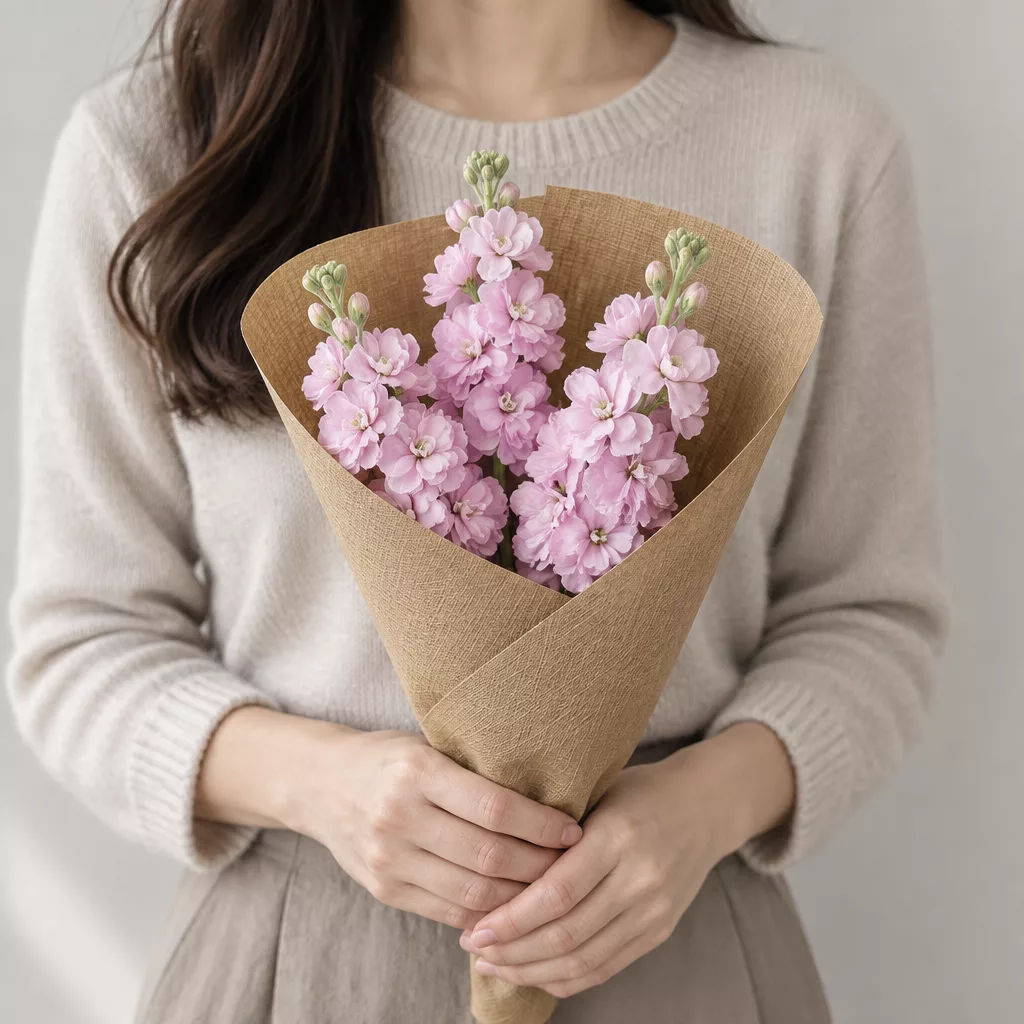
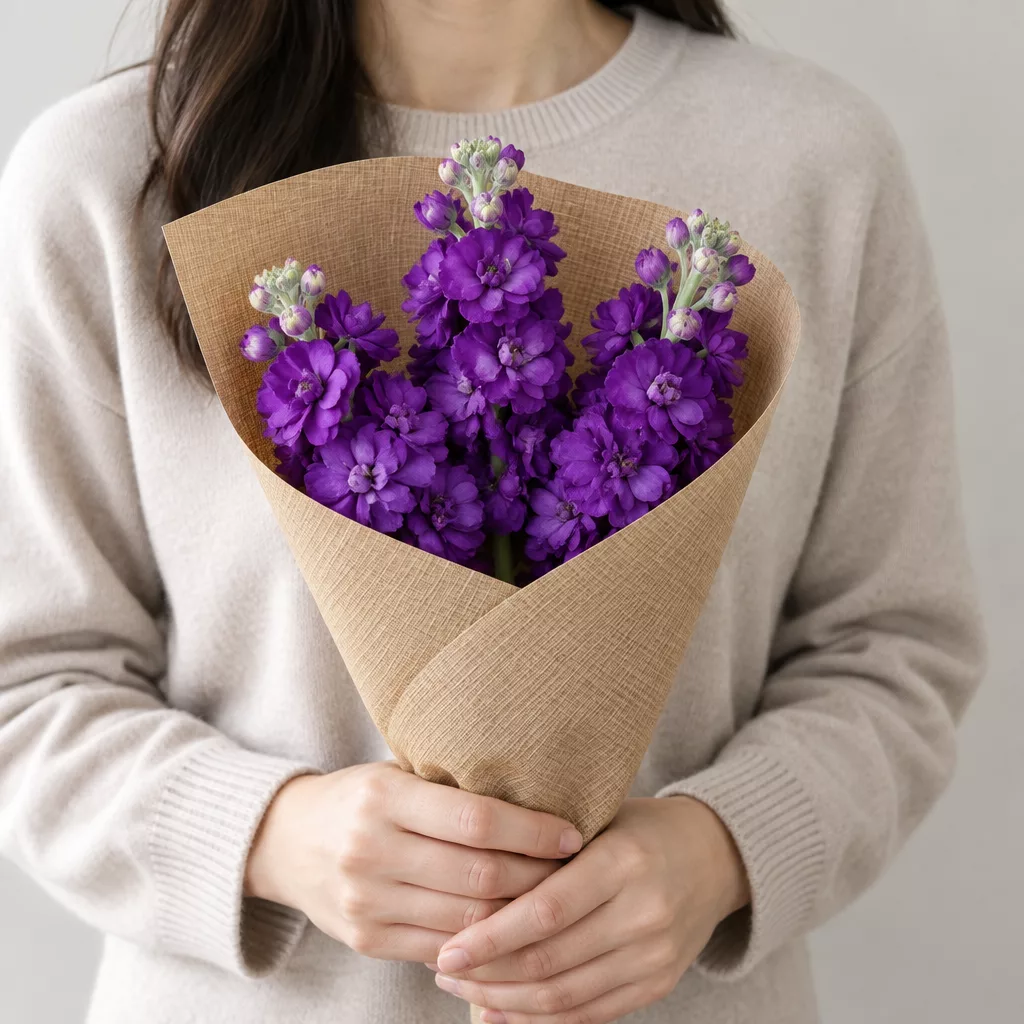
School Graduation Versus University Diploma: the Difference in Tone
These two ceremonies feel quite different, and the flowers should reflect that. A school leaver finishing eleventh grade is typically seventeen or eighteen years old, standing at the threshold of adult life. The mood is bittersweet — pride mixed with nostalgia — and the flowers tend to be exuberant and youthful. Bright colours, garden-style arrangements, and a sense of abundance suit this moment perfectly. Peonies, garden roses, ranunculus, and lisianthus in soft pinks, corals, and whites are classic choices for school graduation, particularly because they are at their seasonal best in late May and June.
University graduation carries a more adult register. The graduate has spent four to six years working toward this credential, and the ceremony reflects that gravity. Bouquets here often lean toward a more refined palette — deep burgundy roses, white spray chrysanthemums, eucalyptus, and structured arrangements that feel considered rather than spontaneous. That said, a twenty-three-year-old who loves colour should absolutely receive colour. The point is to read the person, not just the occasion.
Another practical difference is timing. School ceremonies often run in the evening, with outdoor photographs in the late afternoon light. University ceremonies tend to be morning or midday events held inside large halls. Evening bouquets need to hold up through warmth and handling, so choosing varieties with strong stems and tight buds at the time of delivery gives the flowers the best chance of looking fresh through the entire celebration and into the dinner that almost always follows.
The Most Loved Varieties for Graduation Bouquets in Russia
Roses remain the backbone of Russian graduation bouquets, and for good reason — they are reliably available, they come in every colour, and they carry universal meaning. Garden roses with their layered petals and soft fragrance are especially popular at school graduations, while classic long-stemmed roses suit the more formal university ceremony. Varieties with high petal counts, such as David Austin-style roses, photograph beautifully and hold their shape well through a long day.
Peonies are arguably the most beloved graduation flower in Russia when they are in season, which aligns almost perfectly with the late May and early June school ceremony window. A bouquet of full, blowsy peonies in blush or white feels genuinely celebratory, and their fragrance fills a room. The challenge with peonies is timing — they open quickly in warmth, so they should be delivered at the bud stage for a morning ceremony and at a slightly more open stage for an evening event.
Eustoma, known in Russia as lisianthus, is a florist's favourite for graduation work because it layers beautifully with roses and peonies, adds delicate texture, and lasts well. Ranunculus brings a similar layered quality in a smaller bloom. Freesia adds fragrance without bulk. For greenery, eucalyptus branches have become the standard complement across most graduation arrangements — they are sturdy, aromatic, and add a modern feel that photographs well against the formal backdrop of a ceremony hall.
Choosing by Budget: from Elegant to Truly Grand
At the more accessible end of the budget, a well-chosen mono-bouquet — a single variety presented in volume — can look more impressive than a mixed arrangement done carelessly. Fifteen to twenty spray roses in a gradient of peach to coral, wrapped in kraft paper with a satin ribbon, reads as intentional and generous. The key is quantity: Russian graduation culture values abundance, and a sparse bouquet of five stems will look underwhelming regardless of how expensive those stems are.
In the mid-range, a combination of roses and eustoma with eucalyptus backing creates the classic graduation look that works for almost any recipient. Choosing a coherent colour story — say, white roses with pale lavender eustoma and silver eucalyptus — elevates the arrangement considerably. Adding a few stems of waxflower or statice brings texture without significantly increasing cost.
For a truly grand statement, consider a large round bouquet of garden roses or peonies with complementary accent flowers, presented in a hat box or a structured round form. These arrangements photograph exceptionally well and feel like an event in themselves. Another option at the grander end is a tall cascading arrangement with long-stemmed roses, trailing greenery, and ribbon work — the kind of bouquet that requires both arms to carry and stops people in the ceremony hall. Whatever the budget, the wrapper and ribbon finish matter enormously: a beautiful bouquet in careless packaging loses half its impact before anyone looks at the flowers.
Colours That Work and Colours to Reconsider
White is the most universally safe choice for graduation in Russia. It reads as purity, achievement, and a clean beginning — all of which resonate with the moment. White peonies, white roses, or a white and green combination will never feel wrong at a graduation, and they photograph with exceptional clarity against both dark ceremony halls and bright outdoor backgrounds.
Pink in all its shades is the second most popular choice, particularly for young women finishing school. Soft blush, warm coral, and dusty rose all work beautifully with the late spring light and tend to suit a wide range of skin tones in photographs. Hot pink makes a bolder statement and suits a graduate with a more vibrant personality.
Yellow deserves a mention because it carries positive associations in Russian flower culture — unlike in some Western traditions where it can suggest jealousy. A bouquet of yellow roses or sunflowers at a summer university graduation feels sunny and optimistic rather than ambiguous. Avoid very dark, moody colours like deep purple or near-black unless you know the recipient specifically loves them — these shades can feel heavy at what is meant to be a joyful occasion.
Red roses are deeply traditional in Russia and are a perfectly acceptable graduation gift, but they carry strong romantic connotations. A parent giving red roses to their child may prefer to mix them with white to soften that association. A romantic partner giving red roses to a graduate understands exactly what they are communicating, and that is entirely appropriate too.
Timing Your Delivery for a Graduation Day
Graduation ceremonies in Russia tend to follow a predictable structure, and knowing it helps you time the delivery correctly. School graduation evenings typically begin between six and eight in the evening, with the official ceremony running one to two hours before the class moves outdoors for photographs and then to a restaurant or private dinner. University ceremonies are usually morning or midday events, often followed by a family lunch.
For a school graduation evening, delivering flowers between three and five in the afternoon gives the family time to arrange everything before the ceremony begins. The graduate will often change into their formal dress or suit at home, and having the bouquet present for those pre-ceremony photographs at home is something families genuinely appreciate. Avoid delivering right at ceremony time — the family will be occupied and the flowers may sit unattended in a warm car.
For a university diploma ceremony, a morning delivery between eight and ten works well for a midday event. If the ceremony is early morning, the evening before is a reasonable option, provided the flowers are conditioned properly and stored overnight in a cool room away from direct sunlight and drafts.
Summer temperatures in Russian cities can climb considerably, and flowers in a warm car or a sunny ceremony hall will open and wilt faster than expected. Requesting that buds be delivered slightly tighter than fully open gives the recipient more time before the arrangement starts to look tired. Peonies in particular should arrive at the closed-bud or just-cracking stage for a daytime summer ceremony.
Keeping the Bouquet Fresh Through a Long Celebration
A graduation day in Russia is rarely a short affair. The ceremony itself, outdoor photographs, a family lunch or dinner, and sometimes a separate party with classmates can stretch the celebration across twelve or more hours. The bouquet needs to survive all of it, and with a little preparation it can.
The most important step is water. As soon as the graduate arrives home or at the venue, stems should be cut at an angle under running water and placed in a clean vase with fresh, cool water. Removing any leaves that would sit below the waterline prevents bacterial growth that shortens vase life significantly. Florists often include a sachet of flower food with delivery — this is worth using, as it genuinely extends the life of cut flowers by several days.
Keep the bouquet away from direct sun, heating vents, and fruit bowls. Ripening fruit releases ethylene gas, which accelerates petal drop in roses and eustoma. A cool room is ideal for overnight storage. Roses and eustoma kept in these conditions typically last seven to ten days from the day of delivery. Peonies, once fully open, are more fleeting — three to five days of peak beauty is realistic, though the petals falling across a table have their own kind of charm.
If the bouquet will be carried through a long outdoor photo session in summer heat, wrapping the stems in a damp paper towel inside the decorative wrap buys extra time. This is a small detail that experienced florists often add automatically, and it can make a visible difference by the time the evening photographs are taken.
Russian graduation season is one of those moments when flowers do real emotional work — they mark an ending and a beginning at the same time, and the graduate will remember the armful of blooms as clearly as the diploma itself. Choosing well means reading the person, matching the scale of the occasion, and thinking about how the bouquet will look and feel across an entire long day of celebration. Whether you order peonies for a school leaver in June or long-stemmed roses for a university graduate in July, the care you put into the choice will be felt the moment the flowers arrive. We deliver bouquets across Russia in 1–2 hours.
Frequently asked questions
What is the most traditional flower to give at a Russian graduation?
Roses are the most traditional choice across both school and university graduations in Russia. Peonies have become equally beloved for school ceremonies in late May and June because they are in peak season. Both flowers carry strong positive associations and are universally understood as celebratory gifts rather than flowers tied to any other occasion.
Is it appropriate to give a male graduate flowers in Russia?
Yes, giving flowers to male graduates is entirely normal in Russian culture. The bouquet is typically less frilly in presentation — structured arrangements, bold colours, or a clean mono-bouquet of roses or chrysanthemums tend to suit better than soft pastel garden arrangements. The gesture itself is warmly received regardless of gender.
How many flowers should a graduation bouquet contain?
Russian graduation culture values abundance, so more is generally better. A bouquet of fewer than eleven stems can look sparse by local standards. Odd numbers are traditional in Russia for celebratory occasions — eleven, fifteen, or twenty-one stems are common counts. Even numbers are reserved for mourning contexts, so it is worth paying attention to this detail.
Can I order a graduation bouquet delivered on the morning of the ceremony?
Yes, and morning delivery works well for university ceremonies that take place at midday. For school graduation evenings, a mid-afternoon delivery between three and five gives the family time to enjoy the flowers at home before the ceremony. Let us know the ceremony time when you place the order and we will schedule delivery accordingly.
How long will a graduation bouquet last after delivery?
Roses and eustoma in good condition typically last seven to ten days with proper care — fresh water daily, stems trimmed at an angle, kept away from heat and fruit. Peonies are more fleeting once fully open, giving three to five days of peak beauty. Delivering buds slightly closed for a summer ceremony extends the window considerably.
Ready to send flowers?
Pick the city, choose the bouquet, and a local florist takes it from there.
Choose a city →