Supporting a Colleague in Russia: Which Plants and Bouquets to Send
A colleague is unwell, or going through a stretch of difficult weeks, and you want to do something that feels genuine without overstepping. In a Russian workplace, this kind of gesture matters — but the wrong flower or the wrong tone can land awkwardly. The good news is that a well-chosen potted plant or a thoughtfully assembled bouquet communicates exactly what words sometimes cannot: that you noticed, and that you care.
What Corporate Sympathy Means in a Russian Context
Russia has a strong culture of marking personal moments within a professional setting. Colleagues often pool together for a shared gift when someone is ill or facing a hard period — a hospital stay, a family difficulty, an extended leave. The gesture is expected to feel warm but not intrusive, supportive but not dramatic.
Flowers and plants sit comfortably in this space. They are not funerary, not overly romantic, and not so impersonal as a gift card. In Russian offices, a delivered bouquet or a green plant on someone's desk signals that the team is thinking of them — without requiring the recipient to explain or discuss what they are going through.
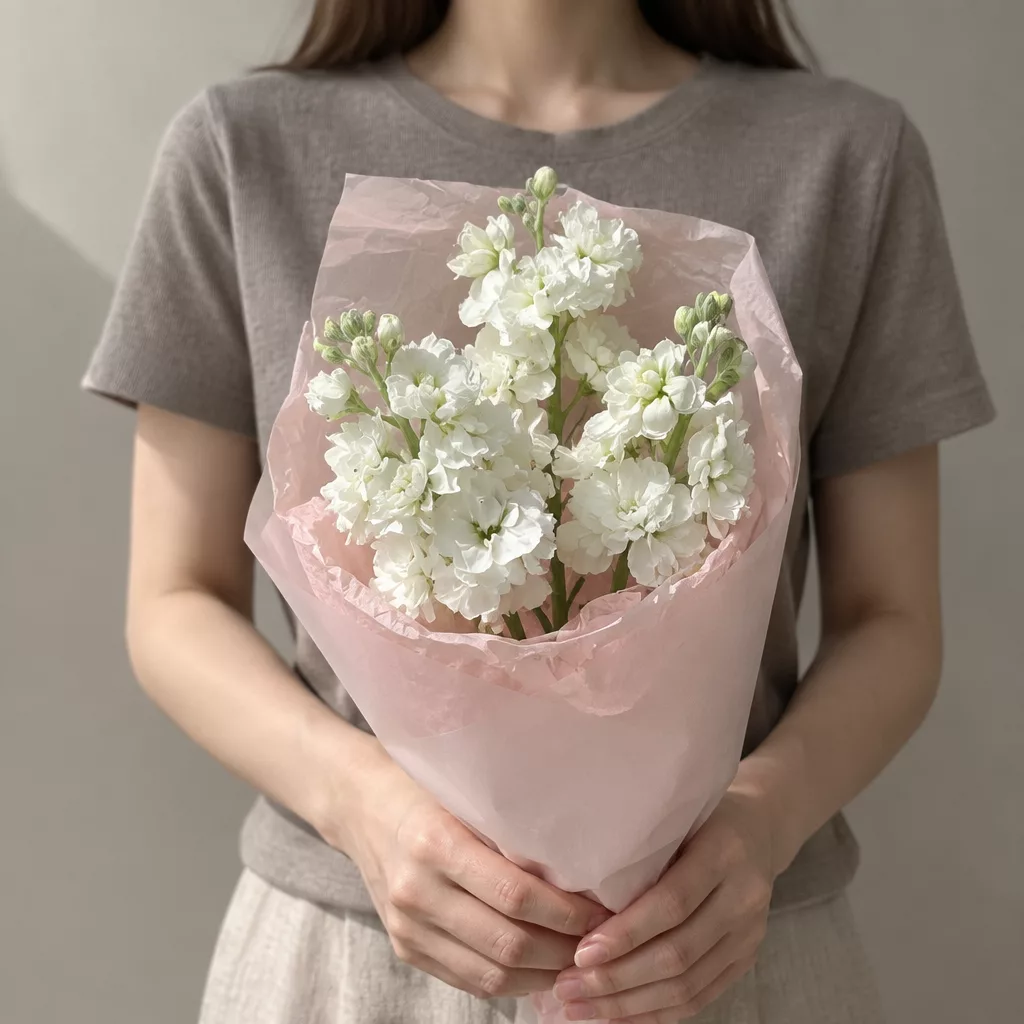
One thing to understand: white flowers alone can carry associations with mourning in Russia, especially chrysanthemums in all-white arrangements. This does not mean white is forbidden — a mixed bouquet with white blooms alongside peach, yellow, or soft pink reads as cheerful and welcoming. The key is colour combination and variety choice, not a blanket rule.
If the gift is going directly to a hospital room, check first whether the facility allows fresh flowers. Many Russian hospitals restrict cut flowers in wards due to allergy and hygiene policies. A potted plant in a sealed decorative pot is almost always the safer and more practical choice in those situations, and it lasts far longer than a bouquet on a bedside table.
Bouquets we can deliver



Choosing Between a Bouquet and a Potted Plant
The choice between cut flowers and a living plant comes down to three things: where the gift is going, how long the recipient is away, and what message you want to leave behind.
A bouquet is immediate and emotional. It fills a room with colour and scent, and it signals celebration of the person rather than the situation. For someone working from home during recovery, a bouquet delivered to their door is a genuine lift. Gerberas, spray roses, and alstroemeria are reliable choices — they are long-lasting, bright, and carry no difficult cultural associations in Russia.
A potted plant, on the other hand, is a companion. It asks nothing of the recipient except a little water, and it stays long after the occasion has passed. For a colleague who will be out of the office for several weeks, a small ficus, a peace lily, or a compact succulent arrangement communicates quiet, ongoing support. It is also easier to transport if the person is moving between home and a care facility.
For a group corporate gift, a plant in a decorative ceramic pot with a handwritten card tends to feel more considered than a large formal bouquet. It photographs well for a team message, it does not wilt before it is appreciated, and it suits a professional tone without feeling cold. If the budget allows, pairing a modest bouquet with a small potted plant creates a layered gift that covers both the emotional immediacy and the lasting gesture.
The Best Varieties for a Get-Well or Supportive Gesture
Variety choice shapes everything about how a gift reads. For a get-well or supportive bouquet, the goal is warmth without intensity — colours that lift the mood, scents that are pleasant but not overpowering in a small room.
Gerbera daisies in peach, coral, or soft yellow are a florist's first recommendation for this occasion. They are cheerful without being festive, and they last seven to ten days in a clean vase with fresh water. Spray roses in cream or blush add softness and a gentle fragrance. Alstroemeria fills out the arrangement with lasting colour — it can hold for two weeks when the stems are trimmed every few days.
For something more textural and interesting, freesia adds a delicate scent that most people find genuinely pleasant rather than overwhelming. Ranunculus, when in season, brings a layered, almost papery beauty that feels generous without being showy.
For potted plants, the peace lily is a practical and thoughtful choice — it tolerates low light, signals calm, and has a clean, elegant appearance. Zamioculcas, commonly called ZZ plant, is nearly indestructible and suits someone who may not have the energy to tend a plant carefully right now. Anthuriums in red or pink add colour and last for months with minimal care.
Avoid strongly scented arrangements if the recipient is recovering from illness — nausea sensitivity is common, and a heavy fragrance can become unpleasant quickly. Stick to lightly scented or unscented varieties, and keep the arrangement airy rather than dense.
Colour and Presentation: Getting the Tone Right
Presentation is where a florist's eye makes the biggest difference. A supportive gift should feel considered, not assembled in a hurry. The wrapping, the colour palette, and the card all contribute to how the gesture lands.
For a get-well or supportive bouquet, warm palettes work best: peach, soft orange, butter yellow, and blush pink together read as encouraging and alive. Adding a few stems of eucalyptus or ruscus brings a fresh, clean quality that suits the message well. Avoid very dark tones — deep burgundy or purple in a sympathy context can feel heavier than intended.
Wrapping in kraft paper with a ribbon in a complementary colour looks professional without being corporate in a cold way. For a potted plant, a woven basket or a matte ceramic pot elevates the gift considerably compared to a standard plastic nursery container. If the plant arrives in its growing pot, ask for it to be re-potted or sleeved in something that feels intentional.
The card matters more than most senders realise. In Russia, a handwritten note — even a brief one — is valued over a printed message. Something simple and specific is always better than a generic phrase. Mentioning the person by name, acknowledging that the team is thinking of them, and keeping the tone light rather than heavy strikes exactly the right note.
If you are sending on behalf of a whole department, collecting signatures on a physical card to accompany the delivery adds a personal dimension that a digital message cannot replicate. It shows effort, and effort is what people remember.
Timing and Delivery: When to Send and What to Consider
Timing a sympathy gift well requires a little thought. Sending flowers on the very first day someone is unwell can feel presumptuous — it arrives before the person has settled into their situation. Waiting three to five days, once the initial disruption has passed, tends to feel more natural and more welcome.
For a colleague recovering at home, a morning delivery is generally preferable. It starts the day on a positive note and gives the recipient time to arrange the flowers or find a spot for the plant before they tire. Afternoon deliveries work too, but avoid very late slots if the person is resting on a medical schedule.
Temperature matters more in Russia than in many other countries, simply because of the climate range. In winter, flowers leaving a warm shop and travelling through freezing temperatures need proper insulation. A reputable florist will wrap cold-sensitive stems carefully and ensure the delivery window is short. Orchids and tropical plants are particularly vulnerable to cold shock below five degrees Celsius — a few minutes of exposure can cause blackening on the leaves or petal damage that appears hours later.
If the recipient is in a hospital, confirm the address and ward details carefully before ordering. Russian hospital buildings often have separate entrance points for deliveries, and a precise address saves the arrangement from sitting in a cold lobby. For home deliveries, it helps to check whether someone will be home to receive the order, especially if the recipient is attending medical appointments during the day.
Same-day delivery, when available, removes the logistical stress and ensures the flowers arrive at their freshest.
Budget Options Without Losing the Gesture
A meaningful sympathy gift does not require a large budget. What it requires is thoughtfulness in selection and presentation. The difference between a gift that feels generous and one that feels minimal is rarely about price — it is about intention made visible.
At a modest budget, a single-variety bouquet of gerberas or alstroemeria in a cohesive colour palette, wrapped well and accompanied by a handwritten card, is entirely appropriate. These varieties hold well, look bright and alive on arrival, and carry no awkward associations. A small succulent in a ceramic pot is another option at this level — it is practical, long-lasting, and genuinely appreciated.
At a mid-range budget, a mixed bouquet combining spray roses, freesia, and seasonal greenery gives the florist room to create something with real visual depth. Alternatively, a peace lily or anthurium in a decorative pot with a ribbon and card is a complete, considered gift that suits a corporate tone perfectly.
For a group contribution from a whole team, a larger mixed arrangement or a statement plant — a ficus, a monstera cutting, or a potted orchid — makes a strong impression without feeling excessive. The key at any budget level is to avoid the trap of adding volume without adding quality. Ten stems of well-chosen flowers in good condition will always outperform twenty stems of mixed varieties that don't belong together.
Ask your florist to focus on freshness and complementary colour rather than sheer size. A tight, well-composed arrangement of fresh flowers will outlast and outshine a large, loosely packed one every time.
Keeping Flowers and Plants Looking Good After Delivery
Once the gift arrives, a few simple steps make a significant difference in how long it lasts — and passing this information along with the delivery is a small but thoughtful touch.
For cut flowers, the most important step is re-cutting the stems at an angle as soon as possible after delivery, ideally under running water. This removes the air bubble that forms when stems are out of water and allows the flower to drink immediately. Change the vase water every two days and keep the arrangement away from direct sunlight, heating radiators, and fruit bowls — ethylene gas from ripening fruit accelerates wilting noticeably.
In a Russian apartment or office in winter, central heating creates a very dry atmosphere. This shortens vase life considerably. Placing the arrangement in a cooler room overnight — not freezing, but away from the radiator — can extend its life by several days. Gerberas and alstroemeria respond well to this treatment. Roses and freesia benefit from it too.
For potted plants, the most common mistake is overwatering in the first week. The plant has been in transit and is adjusting to a new environment. Allow the soil to dry slightly between waterings rather than keeping it constantly damp. Peace lilies will droop slightly when they need water — this is a clear signal rather than a cause for alarm.
Anthuriums and orchids prefer indirect light and dislike cold draughts, which are common near windows in Russian winters. A spot on a shelf or desk away from the window edge suits them well. With reasonable care, these plants can remain beautiful for months, which is exactly the lasting impression a thoughtful corporate gift should leave.
Sending a plant or bouquet to a colleague in Russia during a difficult time is one of the most human things a workplace can do. It does not need to be elaborate or expensive — it needs to be chosen with care, timed with awareness, and presented in a way that says the person matters. A well-chosen gerbera bouquet or a peace lily in a good pot, delivered at the right moment with a genuine note, carries more weight than any formal gesture. When you get the details right, the flowers do the rest. We deliver bouquets across Russia in 1–2 hours.
Frequently asked questions
Is it appropriate to send flowers to a Russian colleague who is ill?
Yes, and it is genuinely appreciated. Russians value personal gestures within professional relationships. A cheerful bouquet or a living plant is a warm, non-intrusive way to show support. Avoid all-white arrangements and strongly scented flowers for someone recovering from illness, and consider a potted plant if the person is in hospital, where cut flowers may be restricted.
Which flowers should I avoid when sending a supportive gift in Russia?
Avoid arrangements made entirely of white chrysanthemums or white flowers alone, as these carry mourning associations in Russian culture. Also avoid very heavily scented varieties like lilies for someone who is unwell, as strong fragrance can be uncomfortable during recovery. Bright, lightly scented, or unscented varieties in warm colours are the safest and most welcoming choice.
How long will a delivered bouquet stay fresh in a Russian apartment in winter?
With proper care, gerberas and alstroemeria last seven to fourteen days. The main challenge in winter is the dry heat from central heating. Re-cut stems on arrival, change the water every two days, and move the arrangement to a cooler spot overnight. Keeping flowers away from radiators and fruit extends their life noticeably in a typical Russian home or office.
What is a good corporate gift plant that requires very little care?
Zamioculcas, known as the ZZ plant, is one of the most forgiving houseplants available. It tolerates low light, infrequent watering, and dry indoor air — all common in Russian offices and apartments. Succulents in a grouped arrangement are another excellent option. Both suit a recipient who may not have the energy or routine for attentive plant care during a difficult period.
Can I send a gift plant directly to a Russian hospital?
Many Russian hospitals restrict cut flowers in patient wards due to allergy and hygiene regulations, but potted plants in sealed decorative pots are usually permitted. Always confirm the specific facility's policy before ordering. Provide the full address including building number, ward, and the patient's full name. A morning delivery window works best to avoid the plant sitting unattended in a lobby.
Ready to send flowers?
Pick the city, choose the bouquet, and a local florist takes it from there.
Choose a city →