Sending Flowers to Someone Special? Here Is What They See First
The moment the doorbell rings matters just as much as the bouquet inside. Before your recipient even touches a single stem, they are already forming an impression — from the way the courier stands at the threshold to the way the wrapping catches the light. Understanding what that moment looks like helps you choose better, personalise more thoughtfully, and feel confident that what you imagined is exactly what arrives.
The First Thing the Recipient Notices Is the Packaging
Flowers travel wrapped, and that wrapping is the very first thing a person sees. At Turboflora, bouquets leave the studio in structured kraft paper or matte film, chosen to hold its shape during transit rather than collapse at the sides. The outer layer protects stems and petals from wind, which in Saint Petersburg can drop temperatures sharply even on a mild afternoon, and from the jostling that happens in any moving vehicle.
The wrapping is not purely functional. It is folded and secured so that when the courier holds it upright — always upright, always with both hands for larger arrangements — it looks intentional and considered. Roses sit with their heads slightly fanned, tulips are gathered so their natural lean becomes part of the shape, and ranunculus or lisianthus, which bruise easily at the petal edges, are given a little extra paper collar to keep them from pressing against the outer layer.
Colour matters here too. A warm cream kraft wrapping reads differently from a dark forest-green film, and the choice is made to complement the flower tones rather than compete with them. When a recipient opens the door and sees a well-held, neatly wrapped bouquet rather than a plastic sleeve that has slid halfway down the stems, it signals care before a single word is spoken. That first visual impression sets the emotional register for everything that follows, which is why packaging is treated as part of the gift rather than a logistical afterthought.
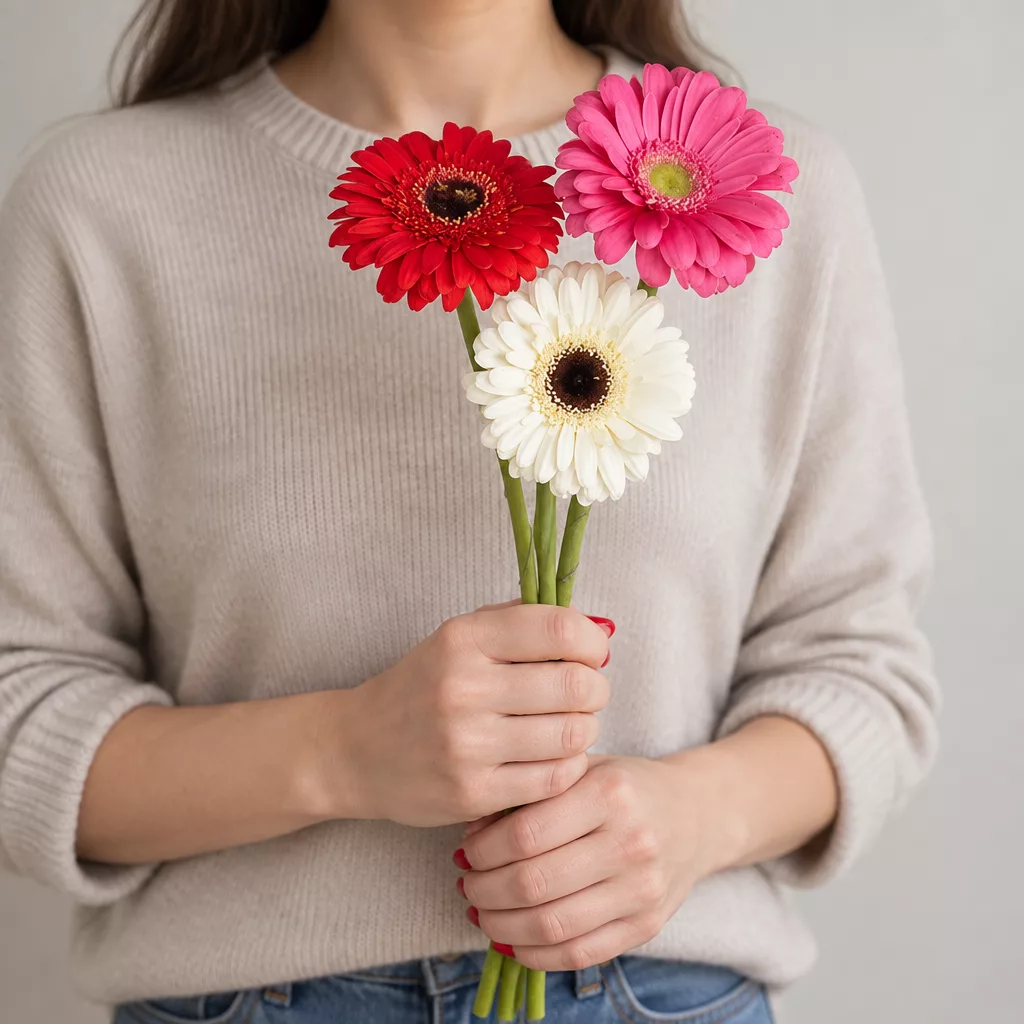
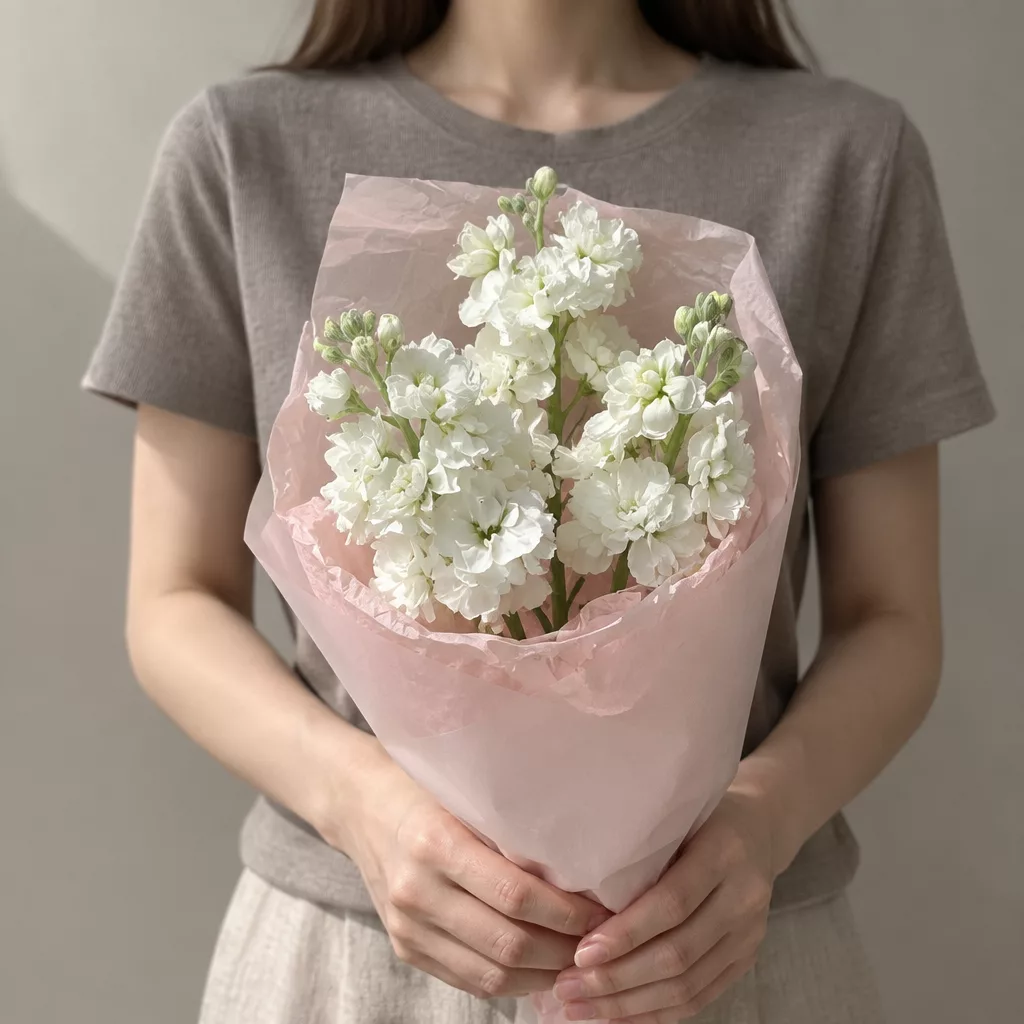
Bouquets we can deliver


How the Courier Approaches the Greeting and Handoff
Russian delivery culture can feel a little formal to someone expecting a casual doorstep exchange. Couriers typically announce the sender by name, confirm the recipient's name, and hand over the bouquet with a brief, warm phrase — something close to congratulations or good wishes — before presenting any accompanying items. This is not scripted stiffness; it is a genuine local custom that makes the moment feel more ceremonial than a standard parcel drop.
For recipients who are not expecting a delivery, that small ceremony can be genuinely moving. The courier is trained to give the person a moment to react, to hold the bouquet steady while the recipient adjusts their grip, and not to rush away the second the handoff is complete. If the arrangement is large — a tall vase design or a wide hatbox — the courier will ask where to set it down rather than leaving the recipient struggling in the doorway.
This is especially important for mixed arrangements that include heavier elements like branches of waxflower, eucalyptus, or thick-stemmed sunflowers. Those bouquets can weigh considerably more than they look, and a clean, supported handoff prevents stems from bending or water-filled cellophane pockets from splitting. The whole exchange is meant to feel like a presentation, not a transaction. For the recipient, those thirty seconds at the door are the emotional peak of the entire experience, and they deserve the same attention as the floristry itself.
The Greeting Card: When It Is Handed Over and How It Reads
The greeting card is a small object that carries a disproportionate emotional weight. At Turboflora, it is kept separate from the bouquet wrapping during transit — tucked into a protective envelope so it arrives flat, dry, and legible. The courier hands it over after the bouquet is secure in the recipient's hands, which means the first thing they hold is the flowers, and the first thing they read comes a moment later. That sequencing is deliberate.
In Russian custom, reading a card in front of the courier is perfectly normal, and couriers are prepared for that. They do not hover, but they do not disappear either. If the message is personal and the recipient becomes emotional, the courier simply gives them space. If the recipient has a question about the sender — which occasionally happens with surprise deliveries — the courier can confirm the sender's name but keeps the rest of the message private.
The card text is printed in the font and language you provide when ordering. If you write in English and the recipient reads Russian, you can request both languages on the same card. Handwritten-style fonts are available for a warmer feel. One practical note: keep the message under about sixty words so the text is large enough to read comfortably and does not crowd the card. A short, specific sentence — something that references a shared memory or uses the recipient's nickname — lands far better than a long general message. The card is often kept long after the flowers have faded, so it is worth taking a moment to write it well.
Temperature and Freshness at the Moment of Arrival
Flowers are living things and they respond to temperature the way people do — badly to extremes and well to consistency. In Saint Petersburg, winter deliveries face outdoor temperatures that can sit well below zero, and summer afternoons can push interiors past twenty-five degrees. Both ends of that range stress cut flowers, and the handling during the final courier leg is where temperature management either holds or fails.
Delicate varieties feel these shifts most acutely. Garden roses, which have more petals and softer cell walls than hybrid tea roses, can show petal browning if exposed to frost for even a few minutes without adequate wrapping. Tulips, on the other hand, are relatively cold-tolerant but will droop rapidly if left in a warm car for longer than necessary. Peonies, when they arrive in bud, need stable cool conditions to open correctly over the following two days.
Turboflora couriers keep bouquets in the climate-controlled section of the vehicle for the entire journey, not in the boot. Deliveries are timed to minimise the window between the studio and the door — the one-to-two-hour window is not just a convenience promise, it is a freshness guarantee. When the recipient takes the bouquet, the stems should feel cool and slightly damp through the wrapping, not warm and dry. If they do feel warm, that is a sign the cold chain was broken, and it is worth contacting the shop. Fresh flowers at the right temperature will hold their heads upright and their petals fully open, which is exactly what the recipient should see.
What the Recipient Should Do in the First Ten Minutes
The ten minutes after the courier leaves are the most important for the life of the bouquet. Most people carry flowers straight to a surface and leave them there while they read the card, take a photo, or call to say thank you. That pause is completely understandable — but it is also when the flowers need the most attention, because the stems have been out of water since the studio.
The wrapping usually conceals a small water-soaked pad or a sealed cellophane pocket at the base of the stems, which keeps them hydrated during transit. That is a bridge, not a substitute for a proper vase. The recipient should unwrap the bouquet, trim about two centimetres from the bottom of each stem at an angle using sharp scissors or a knife, and place them immediately into a clean vase filled with cool water. Warm water encourages bacteria; cool water slows it.
For mixed bouquets, it helps to know that not all stems need the same depth. Roses and carnations drink heavily and want deep water. Tulips prefer shallower water and will actually grow several centimetres in the vase, so leave room at the top. Anemones are sensitive to ethylene gas from fruit, so keep the vase away from the fruit bowl. Including these care notes with the delivery — either on the card or as a small printed insert — is something Turboflora does as standard, because a bouquet that lasts ten days rather than four is a better gift by every measure.
Condition Guarantees and What to Do If Something Is Wrong
A freshness guarantee is only meaningful if the recipient knows how to use it. Turboflora guarantees that flowers arrive in the condition they left the studio: fully hydrated, without bruising, with no more than one or two petals showing the very beginning of natural opening at the edges. That last point is worth understanding — a rose that has opened one layer past a tight bud is not a damaged rose, it is a rose at a beautiful stage of its life. A rose with brown petal edges or a bent neck is a different matter entirely.
If the recipient notices a problem, the best approach is to photograph the bouquet immediately, before trimming or placing in water. A clear photo taken within an hour of delivery gives the shop everything it needs to assess the situation. Turboflora can then arrange a replacement, a partial replacement, or a credit depending on the nature of the issue. The process is straightforward and does not require the sender to get involved unless they choose to.
Common issues that are not quality failures are worth knowing too. Tulips that look slightly limp on arrival will usually recover fully after two hours in water — this is normal transit fatigue, not damage. Ranunculus often arrive with petals folded inward and open dramatically within a few hours at room temperature. Hydrangea heads can look slightly soft immediately after delivery but firm up once the stem is trimmed and placed in deep water. Knowing the difference between a temporary travel state and a genuine problem saves unnecessary concern and helps the recipient enjoy the flowers rather than worry about them.
Making the Moment More Personal Before You Order
The handoff experience can be shaped before the courier ever leaves the studio. Small decisions at the ordering stage change what the recipient sees, hears, and feels at the door in ways that are easy to overlook but impossible to undo once the delivery is en route.
Choosing a specific colour palette rather than leaving it open means the wrapping colour can be matched to the flowers. A soft blush and white arrangement wrapped in ivory paper reads as one cohesive object; the same flowers in a mismatched wrapper feel accidental. If the recipient has a favourite variety — say, they have mentioned loving sweet peas or being drawn to the texture of protea — including even one stem of that flower in a mixed bouquet makes the arrangement feel seen rather than generic.
The delivery time is another lever. A morning delivery means the recipient has the flowers for the whole day and can arrange them at leisure. An evening delivery after work creates a different kind of surprise — coming home to find flowers on the doorstep, or answering the door after a long day to something beautiful. Neither is better in absolute terms, but one may fit the occasion or the person better than the other.
For milestone moments — a significant birthday, a return from a long trip, a new home — adding a secondary element like a small plant, a box of chocolates, or a candle gives the courier something to present alongside the bouquet, which extends the handoff moment and makes it feel more like an occasion. These additions are not about spending more; they are about giving the recipient more to take in, and more to remember.
The doorstep moment is brief, but it is the one the recipient will describe when they tell someone about the flowers. Everything before it — the selection, the studio work, the drive across the city — exists to make those thirty seconds feel effortless and warm. When the packaging is right, the card is personal, the stems are cool and fresh, and the courier handles the handoff with care, the gift lands the way you imagined it when you first decided to send flowers. That alignment between intention and experience is what Turboflora works toward with every delivery, from the first cut stem to the final moment at the door.
Frequently asked questions
Will the courier wait if the recipient does not answer the door immediately?
Yes. Couriers will wait a reasonable amount of time and attempt to call the recipient using the contact number provided at checkout. If there is no answer after multiple attempts, the courier will contact you as the sender to arrange a second delivery window. Flowers are never left unattended outside a door.
Can I ask the courier to deliver without revealing who sent the flowers?
You can request an anonymous delivery, in which case the courier will not name the sender aloud. However, the greeting card will still carry whatever message you have written, so if you want the sender to remain a mystery, simply leave the card message unsigned or use a playful hint rather than your name.
What if the recipient is not home at all when the courier arrives?
The courier will contact both the recipient and the sender. Together you can agree on a revised delivery time that day. Because Turboflora operates within a one-to-two-hour delivery window, rescheduling is usually possible on the same day without compromising the freshness of the bouquet, provided the flowers are kept correctly stored in the interim.
How can I tell from the photo whether the flowers arrived in good condition?
Look at the petal edges for browning, at the stem just below the head for any bend or kink, and at the overall head position — it should be upright or naturally open, not drooping. A slightly closed bud or a petal that has just begun to unfurl is normal and healthy. If in doubt, photograph and send it to the shop within one hour of delivery.
Is there anything the recipient needs to have ready before the courier arrives?
A vase and a pair of scissors are all that is needed. The vase should be clean and filled with cool water before the bouquet is unwrapped, so the stems go straight into water after trimming. If the recipient does not own a vase, a tall glass, a jug, or even a clean jar works perfectly well for most bouquet sizes.
Ready to send flowers?
Pick the city, choose the bouquet, and a local florist takes it from there.
Choose a city →