How long do cut flowers last, and how can you help them last longer?
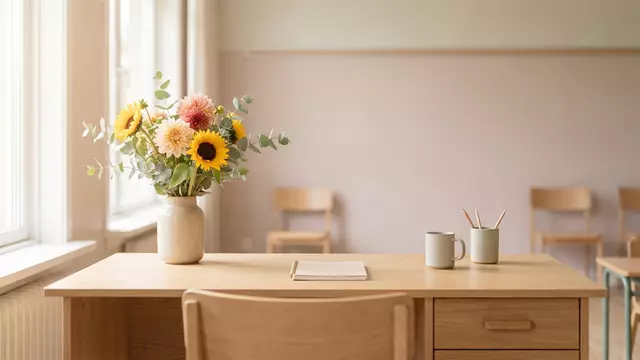
“Cuánto dura” means “how long does it last?” in Spanish; if you mean a bouquet, many cut flowers stay attractive for roughly five to ten days, though some fade sooner and others last longer. The variety, condition on arrival and care in the vase all affect that range, so treat it as a guide rather than a promise.
For a gift, there are two useful questions: how long the flowers will look their best, and when the recipient will be able to enjoy them. A bouquet arriving before someone leaves for a week may miss its moment. If you are sending flowers to Russia from abroad, plan around the recipient’s routine, then give them a few simple care instructions that make the first day easier.
Why flowers in the same bouquet age differently
A mixed bouquet rarely fades all at once. Different flowers open and age at different rates, and even stems of the same variety may arrive at slightly different stages. A tightly closed bud is not automatically a better choice: some buds open well in a vase, while others may struggle if cut before they have developed enough.
Roses can soften and open noticeably as they mature, while tulips may continue to lengthen and bend towards the light. Those changes alone do not mean the bouquet is failing. Look instead for persistent wilting, spreading brown patches, collapsing petals or deteriorating stems. Judge the whole flower rather than expecting it to keep its original shape.
Chrysanthemums and carnations often have a longer vase life than more delicate flowers, but a variety name cannot give you an exact expiry date. If longevity matters more than a particular silhouette, mention that when choosing your gift. Use the bouquets catalogue to compare the styles you like, then ask for help weighing appearance against care needs.
What to do when the bouquet arrives
Start with a clean vase, washed thoroughly to remove residue from earlier flowers. Fill it with fresh water and use cut-flower food if supplied, following its instructions. Guessing a stronger concentration is unhelpful: the product is designed to work at a particular dilution. Plain clean water is a sensible starting point when no flower food is available.
For a bouquet intended for a vase, remove any transport wrapping that would sit in the water and check the stems before arranging them. Take off leaves below the waterline; submerged foliage breaks down and makes the water dirty. You can usually keep a hand-tied bouquet together while doing this, provided you can reach the lower stems.
Trim a small amount from the stem ends with a sharp, clean tool, then place the flowers in water promptly. Make a clean cut without crushing the stem, and avoid leaving the bouquet on a table while you finish other preparations. If the flowers arrive arranged in a container or floral foam, ask how that arrangement should be watered before taking it apart.
Bouquets we can deliver




The daily habits that help a bouquet stay fresh
Check the water level every day, especially during the first few days, when a full bouquet may use more than you expect. Make sure the cut ends remain submerged. Top up when needed, and change the water promptly if it becomes cloudy or develops an unpleasant smell. A large decorative vase can hide a surprisingly low water level.
When changing the water, rinse the vase and inspect the submerged parts of the stems. Remove damaged foliage and any stems that have become soft or slimy. Recut the remaining stems if their ends have deteriorated, using a clean tool. If you add fresh flower food, measure it for the new volume of water rather than repeatedly adding it to the old solution.
Choose a position away from radiators, direct sunlight and strong draughts. Keep the bouquet away from ripening fruit, which can release ethylene and accelerate ageing in sensitive flowers. A comfortable spot where the recipient can see the arrangement is more useful than an elaborate care routine followed inconsistently; the main priorities are clean water and a suitable place.
How to tell normal ageing from a problem
A few fading stems do not mean you need to discard the entire bouquet. Remove individual flowers as they deteriorate and rearrange the healthy stems in a smaller vase if necessary. This keeps decaying material out of the water and gives the remaining flowers a balanced shape. A mixed arrangement can become a smaller, attractive display as it ages.
If flowers droop, first check whether the vase has run low and whether the stems can take up water. Fresh water, a clean vase and a fresh cut may help a dehydrated stem, but recovery is not certain. Avoid household tricks involving boiling water, flames or improvised chemical mixtures: different flowers respond differently, and such treatments can cause damage.
Do not mistake every loose petal or curved stem for poor condition. Some flowers naturally shed petals as they open, and tulips often become less upright over time. Persistent collapse, extensive discolouration or a decaying stem deserves closer attention. For a gift, a clear photograph and a description of when the change appeared are more useful than a general statement that it looks different.
Choose a delivery moment that suits the recipient
Think about where the flowers will go after the handover. Someone receiving a bouquet at work may need to carry it home, while a person travelling that evening may have little time to enjoy it. For a birthday or family occasion, delivery while the recipient is settled at home can be more practical than trying to make the flowers arrive at the earliest possible moment.
Turboflora delivers flowers across Russia. Express delivery in large cities is available in one to two hours after the order is confirmed. Other timing options include an exact time with a tolerance of plus or minus 30 minutes, or the windows 09–12, 12–15, 15–18 and 18–21. You can also pre-order one to 30 days ahead; agree the date and time using the recipient’s local time.
City delivery costs 500 RUB; for remote districts and suburbs, the operator confirms the price when confirming the order. The courier calls the recipient about 15 minutes before arrival, so account for that call when planning a surprise. If the recipient is absent, we agree a second delivery the same day or, with the sender’s consent, hand the flowers to a neighbour or concierge.
Send a thoughtful bouquet to Russia from abroad
Before ordering, gather the delivery address, the recipient’s contact details, the intended date and your card message. Check the recipient’s local time rather than calculating from your own calendar alone, particularly if you live several time zones away. You can contact a manager on WhatsApp for help choosing a bouquet, agreeing the time and address, and arranging a photo before delivery.
For etiquette, start with the person and the occasion rather than a rigid list of flower meanings. In Russia, an odd number of flowers is customary for celebratory bouquets when the stems are clearly counted; even numbers are traditionally associated with mourning. Colour meanings are less fixed, so a recipient’s known preferences are usually a better guide than assuming every colour sends a universal message.
Delivery is anonymous by default: the courier does not name the sender. A card with your text is free, so sign it if you want the recipient to recognise the gift immediately. At checkout, online payment uses CloudPayments; check the options displayed there for your card rather than assuming every foreign card will be accepted. Review delivery and payment details before completing your order.
Frequently asked questions
Does “cuanto dura” mean how long flowers last?
“Cuánto dura” means “how long does it last?” and needs context to identify the object. For a bouquet, the answer depends on the flower varieties, their condition and the care they receive.
Can you promise that a bouquet will last ten days?
An exact vase life cannot be promised for every bouquet. Five to ten days is a useful general guide for many cut flowers, but individual stems can fade earlier or remain attractive longer.
Should I remove all the wrapping immediately?
For flowers going into a vase, remove wrapping that would sit in the water and clear leaves below the waterline. Flowers arranged in foam or a container need different handling, so check their watering instructions before dismantling them.
How quickly can you deliver flowers in Russia?
Express delivery in large cities is available in one to two hours after the order is confirmed. You can also agree an exact time with a tolerance of plus or minus 30 minutes, choose an available delivery window, or pre-order one to 30 days ahead.
Can I pay for flowers from another country?
Online checkout uses CloudPayments. Check the payment options displayed at checkout for your card; acceptance of every foreign card is not guaranteed.
Ready to send flowers?
Pick the city, choose the bouquet, and a local florist takes it from there.
Choose a city →