Dos and Don'ts in Russia: A Practical Guide to Thoughtful Gestures
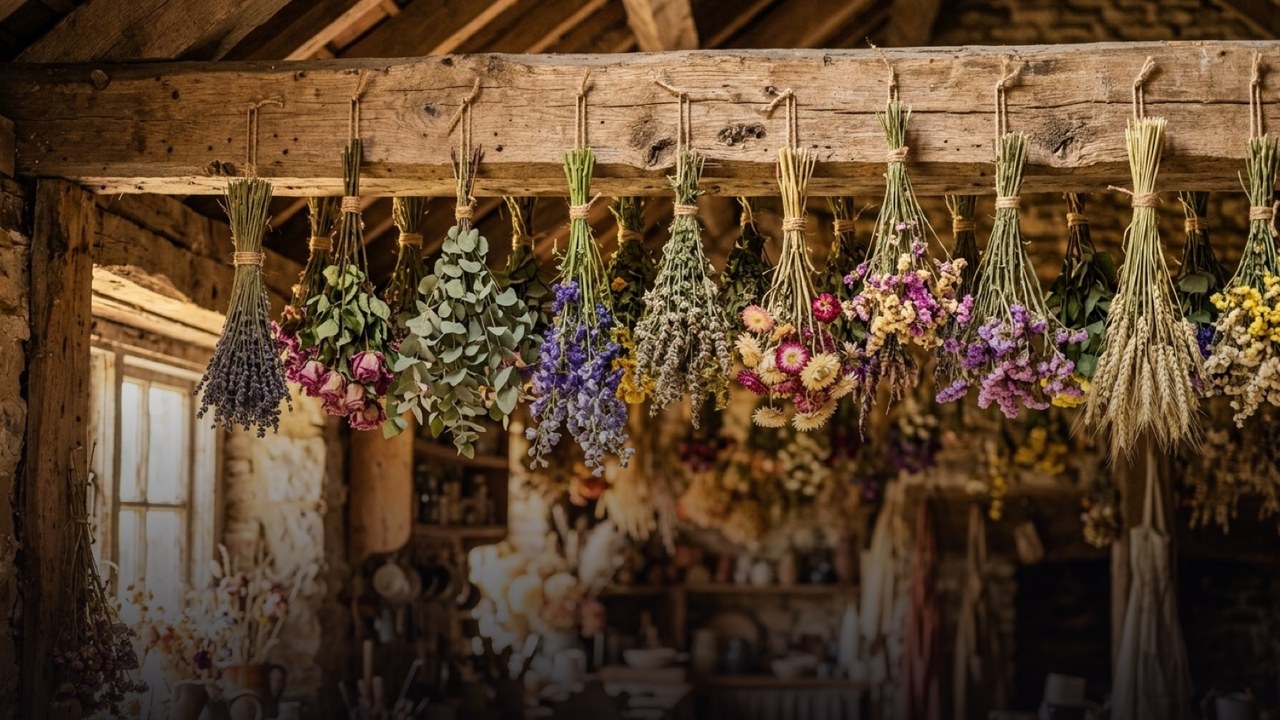
The most useful dos and don'ts in Russia are straightforward: greet people politely, follow your host's lead at home, respect personal boundaries and choose gifts for the person and occasion. With flowers, an odd number of stems is the usual choice for a celebration, while even numbers are traditionally associated with mourning. Treat customs as guidance, and let the recipient's preferences shape your decision.
If you live abroad, the harder questions are often practical: whether flowers might look romantic, what to write to a colleague, or how to arrange a surprise without disrupting someone's day. This guide covers everyday manners alongside the details we consider when helping you send flowers across Russia. Families, generations and workplaces differ, so a little knowledge of the recipient is more useful than a rigid list of national rules.
1. Do follow your host's lead when visiting a home
In many Russian homes, guests remove their outdoor shoes near the entrance. Pause there and ask what your host prefers; if slippers are offered, you can accept them. For a planned visit, agree an arrival time and send a message if you are delayed. These small acts are useful because they respect the household's routine without requiring you to guess every custom.
A modest gift can be appropriate when someone invites you for a meal, but it should suit the household. Flowers are one option; avoid turning an informal dinner into an elaborate presentation that leaves the host searching for a large vase. If you bring a bouquet yourself, remove any wet transport wrapping before handing it over, while leaving decorative wrapping in place if it supports the arrangement.
Ask before photographing someone's home or sharing pictures of the gathering. At the table, follow the pace of the hosts and explain dietary needs plainly. You can decline alcohol politely; you do not need to treat drinking as an obligation. If a toast is made, a brief, sincere wish is enough, and speaking in your own language is preferable to repeating a Russian phrase you do not understand.
2. Don't assume the same level of familiarity everywhere
With someone you have just met, begin with a polite greeting and use the name they give you. In Russian, the formal form of address, “vy”, is generally a sensible starting point with unfamiliar adults; follow their lead if they suggest greater informality. In English, clear, courteous wording does the same work. There is no need to imitate a style of speech that feels unnatural to you.
Do not read too much into a reserved expression or a brief reply. People differ in how readily they smile, make small talk or discuss private matters. Let conversation develop through shared interests, and avoid pressing someone about income, relationships or political views. If you are unsure whether a subject is welcome, ask an open question and leave room for the other person to change direction.
Apply the same judgement to gifts at work. A bouquet sent to a public reception desk may attract attention the recipient would rather avoid, particularly for a personal occasion or during illness. Before sending, establish whether the workplace is a comfortable setting and whether the person will be there. For a colleague, a short message with a clear professional purpose helps prevent an affectionate gesture from being misunderstood.
Bouquets we can deliver




3. Do check flower numbers, but don't treat colours as a code
For birthdays, congratulations and other happy occasions, choose an odd number when giving a clearly countable group of flowers: three, five or seven stems, for example. Even numbers are traditionally used for mourning in Russia. This distinction is especially noticeable in a simple bouquet of one flower type. If you are unsure how the convention applies to a mixed arrangement, ask the manager to help you choose.
Colour meanings are less fixed. Some recipients connect yellow flowers with separation, while others enjoy them simply because they are bright. Red roses can suggest romance, so they deserve thought when the recipient is a colleague or someone you barely know. White does not have one universal meaning either. A favourite colour, a known preference or the tone of the occasion is a better guide than a chart claiming every shade sends a precise message.
Consider scent and size as well as symbolism. For someone sensitive to fragrance, ask about a less strongly scented choice rather than assuming all flowers will be comfortable. Think about where the bouquet will stand: a crowded desk and a dining table offer different amounts of space. Browse the bouquets catalogue with those practical details in mind, and choose something the recipient can comfortably display.
4. Don't let a surprise create awkwardness
A successful surprise still needs a workable address and a suitable time. Check the recipient's schedule discreetly if you can, especially for an office delivery or a visit connected with a family celebration. For a home gathering, flowers arriving while the host is cooking or leaving the house can create extra work. Choose a time when someone can receive them and put them in water.
Match your card to the relationship. For a birthday, name the person and add one specific wish; for thanks, say what you appreciated. A message such as “Thank you for helping Mum while I was away” communicates more than a string of formal compliments. For illness or bereavement, use gentle language and avoid predicting recovery or telling someone how they should feel. You can write warmly without asking for a response.
Our deliveries are anonymous by default: the courier does not name the sender. A card with your text is free, so sign it if you want the recipient to know who sent the flowers. This matters particularly with colleagues, distant relatives and anyone who might find an unexplained gift unsettling. Use the guide to adding a gift card message to help you put your words together.
5. Do arrange delivery details before relying on a deadline
We deliver flowers across Russia. City delivery costs 500 RUB; for remote districts and suburbs, the operator confirms the price when confirming your order. Have the city, address and recipient's contact details ready, together with your preferred timing and card text. You can contact a manager on WhatsApp for help choosing a bouquet, agreeing these details and arranging a photo of the bouquet before delivery.
In large cities, express delivery is available in 1–2 hours after the order is confirmed. Other timing options are an exact time with a tolerance of plus or minus 30 minutes, or the windows 09–12, 12–15, 15–18 and 18–21. You can also pre-order 1–30 days ahead. If the flowers are needed for a meal, meeting or departure, explain that deadline when agreeing the delivery time.
The courier calls the recipient about 15 minutes before arrival, so allow for that contact when planning a surprise. If the recipient is absent, we agree a second delivery the same day or, with the sender's consent, hand the flowers to a neighbour or concierge. Online checkout uses CloudPayments: check the options displayed there, as acceptance of every foreign card cannot be guaranteed. See delivery and payment when preparing your order.
6. Do help the flowers settle in after arrival
When you receive cut flowers, prepare a clean vase with fresh water and remove any leaves that would sit below the waterline. Trim the stem ends with a clean, sharp tool before placing them in the vase. If flower food is supplied, follow its instructions. Different flowers can need different handling, so use any care guidance provided for the bouquet rather than applying an improvised treatment to every stem.
Choose a place away from radiators, direct sunlight and ripening fruit. During cold weather, avoid leaving flowers outdoors or in an unheated place while you finish other errands. If the bouquet arrives wrapped after exposure to cold, avoid handling chilled petals unnecessarily and ask for care advice if needed. Do not assume a flower is safe in freezing conditions because it is associated with winter or looks particularly sturdy.
Check the water daily, refresh it regularly and remove fading flowers or foliage. Keep the vase clean, especially if the water becomes cloudy. For a recipient who has little time or difficulty lifting a heavy container, consider the likely care involved before choosing a very large bouquet. A thoughtful gift suits the person's everyday life as well as the moment when they open the door.
Frequently asked questions
What are the main dos and don'ts when visiting someone in Russia?
Agree a time, arrive punctually and follow the host's lead about removing outdoor shoes. Ask before taking photographs, and feel free to decline food or alcohol politely when necessary.
Should you give an odd or even number of flowers in Russia?
An odd number is the usual choice for a celebration when the flowers are clearly countable. Even numbers are traditionally associated with mourning; ask for guidance if you are choosing a mixed arrangement and feel uncertain.
Is it rude to send yellow flowers in Russia?
There is no single answer for every recipient: some people associate yellow flowers with separation, while others love the colour. If you do not know the person's preference, choose another colour or ask someone close to them.
Can I send flowers anonymously to someone in Russia?
Yes, our courier does not name the sender by default. A card with your text is free, so include your name there if you want the recipient to know who sent the bouquet.
Can I pay for flower delivery to Russia with a foreign card?
Online checkout uses CloudPayments, and you should check the payment options displayed at checkout. Acceptance of every foreign card cannot be guaranteed.
Ready to send flowers?
Pick the city, choose the bouquet, and a local florist takes it from there.
Choose a city →