Drying Fresh Flower Bouquets Without Losing Their Shape
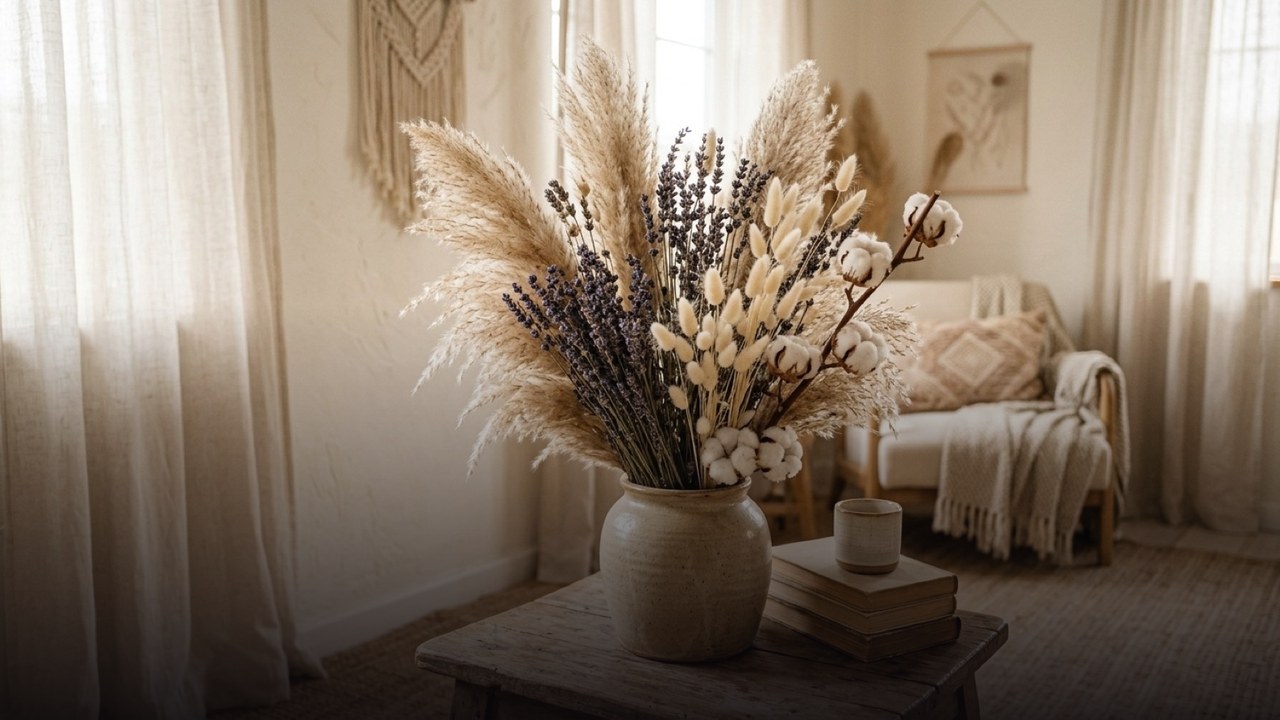
For drying fresh flower bouquets at home, remove the wrapping, separate the stems into small bunches and hang them upside down in a dry, dark place with good airflow. Start while the flowers still look healthy, before petals turn brown or stems soften. Air drying usually takes several weeks; flower-drying silica gel is another option for individual blooms whose shape you want to preserve.
A bouquet rarely dries exactly as it looked in the vase: petals shrink, colours change and some flowers become fragile. You can still keep its character by choosing the strongest stems and drying different flower types separately. Whether you are saving your own gift or helping someone in Russia preserve flowers you sent, the most useful decision is what to keep before the bouquet starts to decline.
Choose the flowers worth keeping
Look at each stem individually rather than treating the whole bouquet as one drying project. Choose flowers with firm petals, sound stems and no visible mould. Roses, statice and strawflowers are common candidates for air drying, although results depend on their condition and variety. A bloom that already sheds petals when you touch it is unlikely to survive much handling.
Flower structure helps you choose a method. Small, papery flowers often air dry well, while thick, fleshy blooms can retain moisture and deteriorate before their centres dry. Open roses may lose their shape more readily than partly open ones. For an unfamiliar flower, test one stem first instead of committing every bloom from an important bouquet to the same treatment.
You do not have to preserve every ingredient to keep the memory. Select a few flowers that represent the original colours, then add only foliage that remains sound as it dries. Some leaves curl or turn brown, so it is sensible to dry them separately. Our statice bouquet guide explains one flower often chosen for its papery texture and usefulness in dried arrangements.
Start before the bouquet reaches the end of its vase life
The best moment to begin is while the flowers are still attractive, rather than after they have visibly wilted. Drying removes moisture; it does not repair bruises, reverse browning or make a drooping flower fresh again. If keeping a bouquet matters to you, set aside several good stems early and enjoy the remaining flowers in water for longer.
Until you make that choice, keep the bouquet in a clean vase, remove leaves below the waterline and refresh the water regularly. Keep it away from direct sun and drying heat. These habits help you begin with healthier material, but different flowers still age at different speeds. Check the stems daily and take out anything that becomes slimy or develops mould.
Before drying, remove all wrapping, water tubes and any wet material around the stems. Strip off lower leaves, discard damaged parts and let surface droplets evaporate in an airy place. Do not enclose damp flowers in a box while you gather supplies. If your bouquet has just arrived, our unpacking and care guide helps you prepare it for its time in the vase.
Bouquets we can deliver




Air dry small bunches with space around them
Divide the bouquet into small, loose bunches, grouping stems of similar thickness together. Leave enough space around the flower heads for air to move between them. Secure the stems with an elastic band or an adjustable tie, since stems become thinner as they dry. Hang the bunches upside down from a secure support, clear of walls and other flowers.
Choose somewhere dark, dry and ventilated, such as a suitable spare room or a cupboard with airflow. Avoid a steamy bathroom, a damp cellar or a closed plastic bag. Darkness helps limit fading, while airflow lets moisture escape. Keep flowers away from direct heaters: strong heat can make petals brittle without drying a thick flower centre evenly.
Allow several weeks and check gently rather than working to a fixed deadline. The time varies with the flower, bunch size and humidity. Petals should feel dry and papery, and stems should be firm rather than flexible with moisture. Check dense flower heads as well as the outside petals; a dry surface alone does not mean the whole bloom is ready to store.
Use silica gel or pressing for selected flowers
For an individual bloom whose three-dimensional shape matters, consider silica gel sold specifically for drying flowers. Use a dry, closable container and follow the product instructions for depth, coverage and checking time. Support the bloom with the granules, adding them gently between and around petals. Pouring heavily onto a flower can crush the very shape you are trying to save.
Silica gel can help support petals as moisture leaves, but it cannot guarantee the original colour or a flawless result. Different flowers need different drying times, so avoid applying one timetable to a mixed bouquet. Once a bloom is dry, lift it carefully and remove remaining granules with a soft brush. Keep drying products away from children and pets, following the label's handling guidance.
Pressing suits a different keepsake: a flat flower for a card, album or frame. Place a small bloom, individual petals or thin sprigs between absorbent sheets beneath a flower press or a heavy book protected from moisture. Replace damp paper as needed. Thick flower centres are harder to press evenly, so a few petals may give you a cleaner result than a whole large bloom.
Reassemble, display and store the dried bouquet
Once every part is dry, rebuild the arrangement gently on a clear table. Put the strongest stems in position first, then add delicate flowers without forcing their heads through a tight opening. A smaller arrangement is often easier to handle than the original full bouquet. Use a dry vase and do not add water; dried stems will absorb it and may deteriorate.
Display dried flowers away from direct sunlight, damp windowsills, cooking steam and places where people brush past them. Expect some fading and shedding over time. Remove loose dust with a very soft brush, supporting each stem as you work. Avoid washing the flowers or using a strong blast of air, which can detach petals and scatter small flower heads.
For storage, choose a dry box that gives the flowers room without compressing them, and cushion them lightly with tissue. Do not seal flowers away while you are unsure whether they are fully dry. A musty smell, visible growth or a soft, damp centre is a reason to discard the affected material. Drying it for longer will not make mouldy flowers suitable for an indoor keepsake.
Plan a bouquet gift with a future keepsake in mind
If you are sending flowers to someone in Russia, you can ask whether they would enjoy keeping a few stems after the fresh display. Drying takes space and patience, so frame it as an option rather than another task attached to the gift. For a birthday or anniversary, a short note explaining why you chose the flowers can give the eventual keepsake a personal meaning without relying on fixed flower symbolism.
You can explore our bouquets catalogue and contact a manager on WhatsApp for help choosing a bouquet and agreeing the address, delivery time and card text. Mention your recipient's interest in drying flowers when discussing the choice, and ask for a photo of the bouquet before delivery. A card with your text is free; delivery is anonymous by default, so include your name in the message if you want the recipient to know who sent it.
We deliver flowers across Russia. City delivery costs 500 RUB; the operator confirms the price for remote districts and suburbs when confirming the order. You can pre-order 1–30 days ahead. In large cities, express delivery is available 1–2 hours after order confirmation. See delivery and payment for planning your order. Online checkout uses CloudPayments; check the payment options displayed there, as acceptance of every foreign card cannot be guaranteed.
Frequently asked questions
Can I dry a bouquet after keeping it in a vase?
Yes, provided the flowers are still healthy and have no mould or soft, decaying stems. Remove them from the water, strip off lower leaves and let surface moisture evaporate before hanging them.
Should I hang the entire bouquet upside down?
Separate it into small, loose bunches first so air can reach the flower heads. Dense wrapping, crowded stems and trapped moisture can make a whole bouquet dry unevenly.
How long does air drying a fresh bouquet take?
It usually takes several weeks, depending on the flowers and the humidity where you hang them. Check thick centres and stems as well as petals before deciding the flowers are ready for display or storage.
Will dried flowers keep their original colour?
Some colour change is normal: flowers may fade, darken or develop a muted shade. Drying them away from light helps limit fading, but no home method guarantees the colour they had when fresh.
Do I need hairspray to preserve dried flowers?
Hairspray is not necessary for drying a bouquet and cannot fix moisture trapped inside a bloom. Thorough drying, gentle handling and a dry display position are the more useful priorities.
Ready to send flowers?
Pick the city, choose the bouquet, and a local florist takes it from there.
Choose a city →