Is It Rude to Send an Even Number of Flowers in Russia?
You have found the perfect roses, you know the recipient's favourite colour, and then someone mentions the number and suddenly you are second-guessing the whole order. The even-number question comes up constantly, and it deserves a straight answer rather than vague warnings. Russian flower etiquette is specific on this point, but it is also more flexible in practice than most guides admit — and knowing the difference will make you a far more confident sender.
Where the Rule Actually Comes From
The association between even numbers and mourning in Russia is genuinely old and genuinely felt. At Russian funeral and memorial traditions, flowers are brought in even quantities — typically two, four, six, or twelve stems — as a mark of respect for the deceased. The logic, loosely traced through Slavic folk belief, is that even numbers represent completeness and closure, a circle that has ended. Odd numbers, by contrast, suggest continuation, growth, and a life still unfolding. This is why a bouquet of eleven tulips or seven peonies reads as a celebration of someone very much alive. The rule is not a modern marketing invention or an urban legend passed between florists. It is embedded in everyday social instinct across Russia, including in cities like Saint Petersburg, Moscow, Novosibirsk, and Kazan. Most Russians over the age of thirty will notice the count, even if they say nothing. Younger recipients in large cities tend to be more relaxed about it, particularly when a bouquet is clearly festive in colour and composition — a vivid mix of ranunculus, anemones, and garden roses does not read as a condolence gift regardless of stem count. Still, the safest and most respectful choice, especially when you are sending to someone you do not know well, is to stay with an odd number. It costs nothing to adjust and removes any ambiguity entirely. Understanding the origin helps you make that call with genuine awareness rather than superstition.
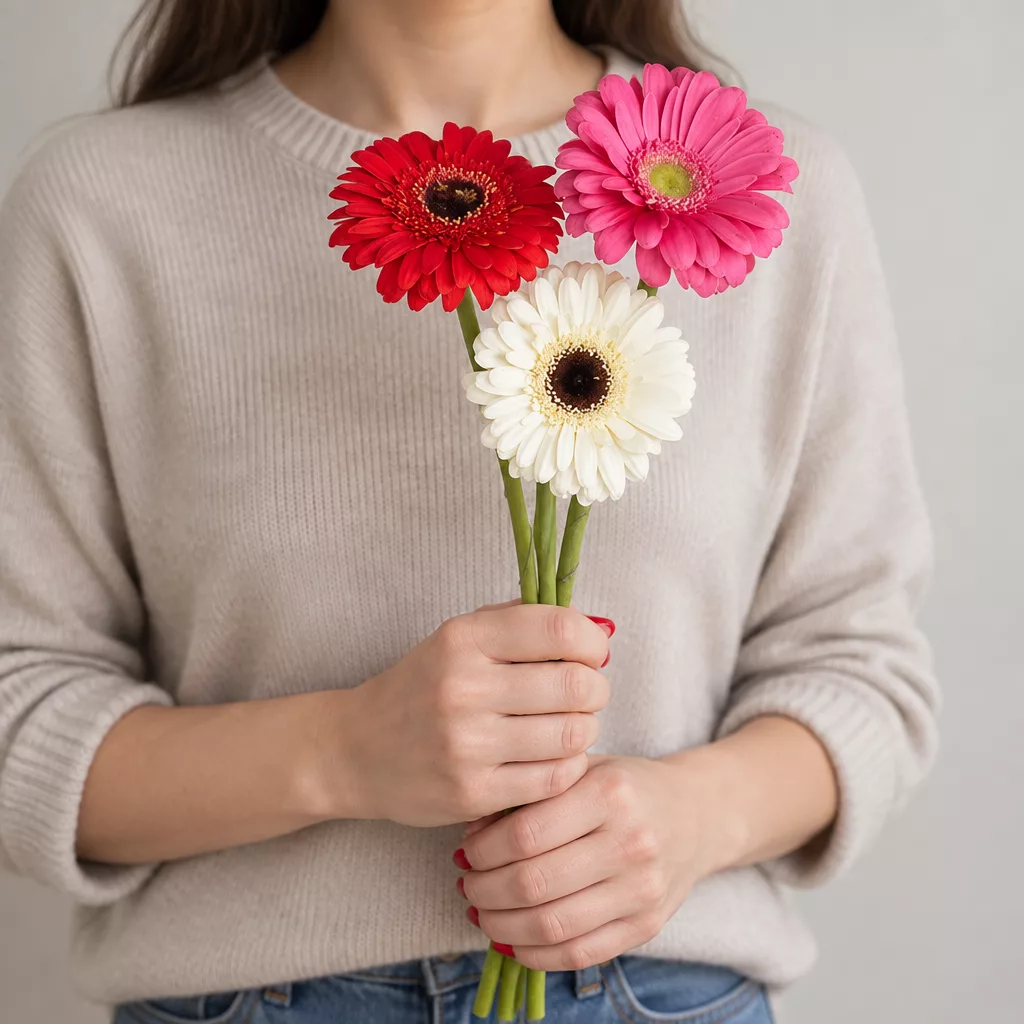
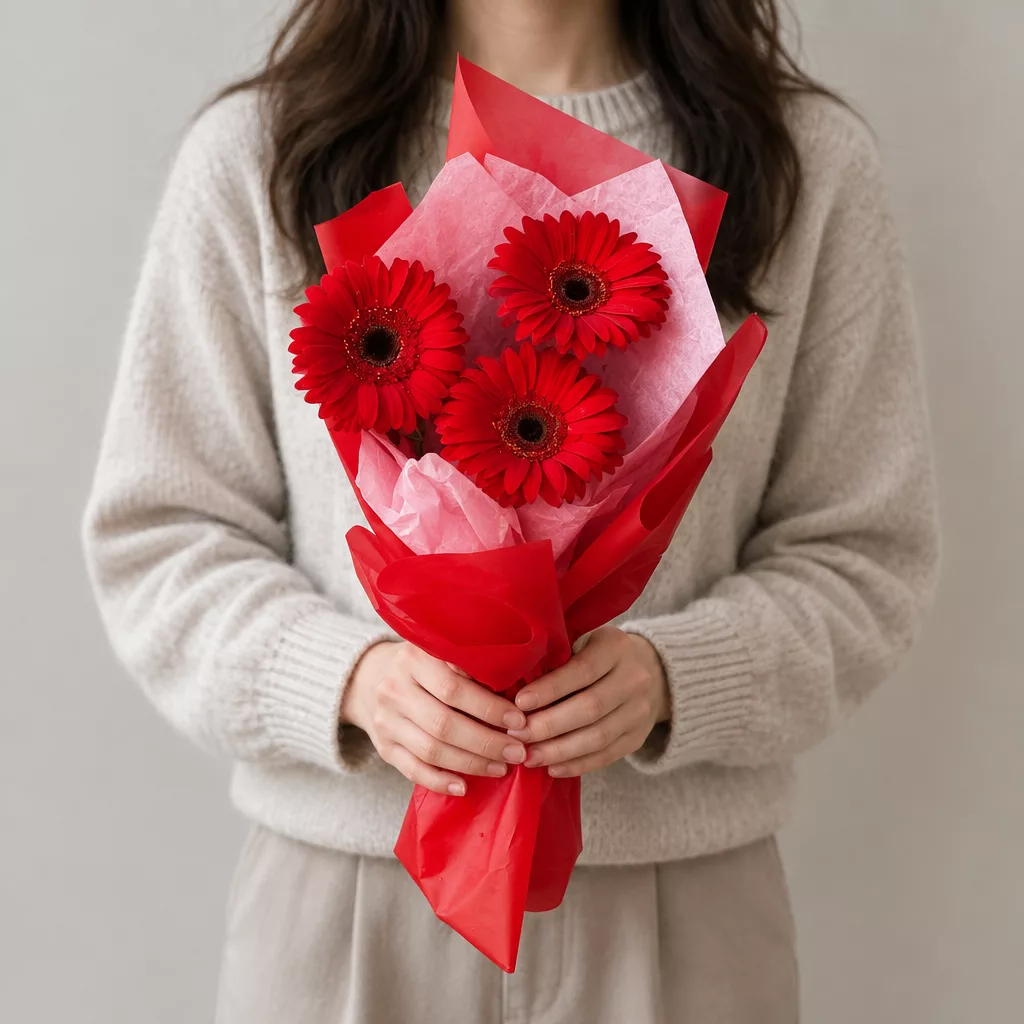
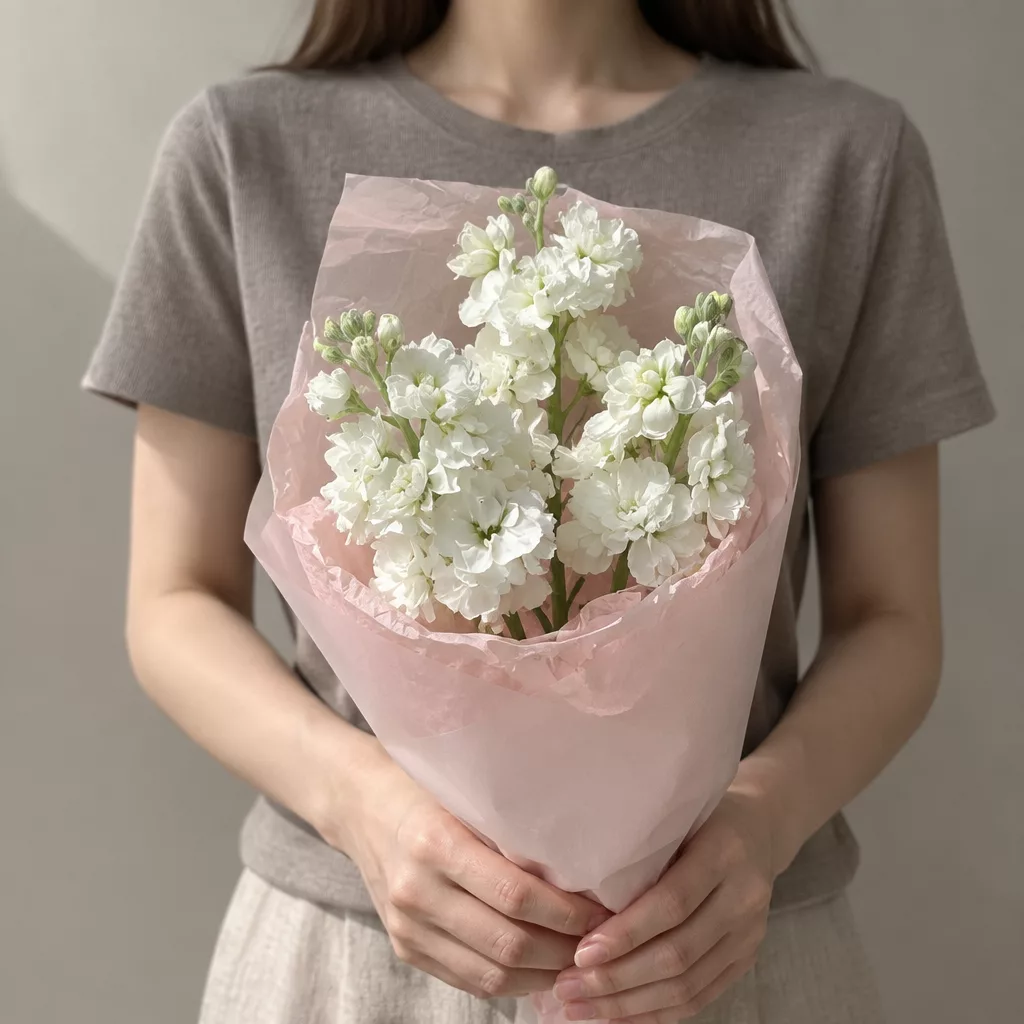
Bouquets we can deliver

When the Even Count Feels Unavoidable
Some arrangements simply look better with an even number of stems. A hand-tied bouquet of twelve garden roses arranged in a dome shape has a natural symmetry that eleven stems cannot replicate without looking sparse on one side. A paired presentation of two large Anthurium blooms is a design statement, not an accident. If your preferred composition naturally lands on an even count, you have several practical ways to handle it without compromising the look. The simplest solution is to add a single stem of a complementary variety. One stem of white lisianthus tucked into a dozen red roses shifts the count to thirteen without disrupting the overall feel — lisianthus has a delicate, almost transparent quality that integrates without competing. A single stem of eucalyptus or a sprig of wax flower works the same way if you want to stay within the foliage register. Another approach is to add a small accent flower in a contrasting scale. One garden anemone with its dark centre placed among softer blooms creates visual interest and solves the number in a single move. If the bouquet is wrapped rather than displayed openly, a tied bundle of dried lavender or a cinnamon stick tucked into the ribbon achieves the same result. The point is that adjusting the count does not mean ruining the composition. A skilled florist treats the odd-number requirement as a design constraint, and constraints often produce more interesting results than an open brief. Tell the florist what you are going for and let the adjustment happen naturally within the arrangement.
Which Flowers Are Most Often Counted and Why
Not every flower in a bouquet gets counted the same way in Russian custom. Single-stem flowers — roses, tulips, gerbera daisies, peonies, sunflowers, irises, and calla lilies — are counted individually and the total matters. If you send fifteen tulips, the recipient will likely count them and feel the warmth of that odd number. If you send fourteen, there is a reasonable chance the count registers, even unconsciously. Spray flowers are treated differently. A branch of alstroemeria carries multiple small blooms on a single stem, and that stem counts as one. A spray rose stem with five or six small heads is also counted as one stem. This means that a bouquet of ten spray rose stems and five large garden roses totals fifteen stems in the traditional counting method — well within the comfortable odd range. Fillers like gypsophila, wax flower, and limonium are generally not counted at all. They are understood as texture and support rather than primary blooms. The same applies to foliage: ruscus, eucalyptus, and asparagus fern are structural elements, not countable flowers. This distinction matters because it gives you real flexibility. A bouquet that looks visually rich and full can hit an odd count of primary stems while using generous amounts of filler to achieve the presentation you want. If you are ordering for someone who takes the tradition seriously — an older recipient, a formal occasion, a first-time gesture to someone you want to impress — focusing the odd count on the headline flowers is the most respectful approach.
Occasions Where the Rule Is Most Closely Observed
The even-number sensitivity is not equally strong across all occasions. There are situations where it carries real social weight, and others where it fades into the background almost entirely. Birthdays are the occasion where the count is most noticed. A birthday bouquet is a personal statement, and the recipient has time to unwrap it, arrange it, and count it. Roses for a fortieth birthday, tulips for a colleague's anniversary, peonies for a mother — these are all situations where an odd number feels like a conscious, warm choice. Valentine's Day is interesting because the tradition of a single rose or a dozen roses is so internationally embedded that many Russians hold the even-dozen rule loosely on February 14th. A dozen red roses on Valentine's Day reads as a romantic gesture, not a condolence. The international context overrides the local custom for many people. Women's Day on March 8th is perhaps the largest flower occasion in Russia, and the count matters here. Tulips are the classic choice — seven, nine, or eleven stems are all common. The mood of the day is celebratory and warm, and the odd count reinforces that energy. New Year and housewarming gifts in flower form are also occasions where the count is noticed. Bringing flowers to a housewarming with an odd count of bright sunflowers or mixed seasonal blooms signals good wishes for the life unfolding in that new space. For professional occasions — congratulating a colleague, welcoming a business partner — a clean bouquet of odd-numbered white or cream flowers is reliably appropriate across all ages and backgrounds.
Choosing the Right Odd Number for the Moment
Odd numbers are not all equal in the meaning they carry. One single bloom is an intimate, confident gesture — a single large peony or a long-stemmed rose says something precise and deliberate. It suits a romantic moment or a minimalist aesthetic, but it can feel too spare for a birthday or celebration unless the flower itself is exceptional. Three stems is affectionate and simple, best for a small gesture between close friends or a quick congratulation. Five and seven are the most versatile counts. A bouquet of seven garden roses in a single colour has presence without being overwhelming. Seven mixed tulips in spring shades is a cheerful, uncomplicated gift for almost any recipient. Nine and eleven work well for more significant occasions. Eleven long-stemmed roses is a classic, substantial gesture for a birthday or anniversary. Nine peonies in full bloom make a statement for a milestone celebration. Fifteen and beyond are for grand gestures and formal presentations. Fifteen or twenty-one sunflowers fill a room with warmth. Twenty-five roses are a traditional milestone gift. The number itself can carry an additional message — some senders match the stem count to a meaningful number, like the recipient's age or the number of years in a relationship. This is a charming detail that Russians appreciate, and it makes the odd count feel intentional rather than accidental. If you are unsure, seven is almost always the right answer: it is generous without being excessive, and it works across seasons, flower types, and recipients.
What to Do When Sending Flowers Remotely to Russia
Sending flowers to someone in Russia from abroad — or from a different Russian city — adds a layer of distance that makes the etiquette question feel higher stakes. You cannot see the arrangement before it goes out, you cannot adjust it in person, and you want to be confident it lands well. The most important thing you can do is specify the stem count explicitly when you place the order, rather than leaving it to a default or a preset number. Many standard bouquet sizes — six roses, ten tulips, twelve mixed stems — are even by default because they are easy to package and price. Asking for seven, nine, or eleven stems takes ten seconds and removes all ambiguity. When ordering online or by phone, also specify whether you want a mono-bouquet (one variety, one colour) or a mixed arrangement. A mono-bouquet of odd-numbered stems reads as considered and refined. A mixed arrangement with an odd primary stem count and generous filler reads as abundant and celebratory. Both are strong choices; the mood of the occasion should guide you. If you are sending in winter — November through February in Saint Petersburg and much of Russia — bear in mind that cold affects some flowers significantly. Tulips are more robust than they look and handle cold delivery well. Garden roses and peonies need careful temperature management during transit. Lisianthus and ranunculus are delicate in hard frost. A reputable florist delivering within one to two hours manages these conditions as part of the service, but if you are ordering something particularly delicate for a cold day, mentioning the delivery conditions when you order is worth doing.
The Broader Point About Russian Flower Giving
The even-number rule is the most commonly asked question about Russian flower etiquette, but it sits within a broader culture of flower giving that is genuinely rich and expressive. Russia has one of the highest rates of flower gifting in the world, and flowers are given for occasions that other cultures might not mark with blooms at all — the first day of school in September, the end of an academic year, professional milestones, and visits to someone's home. This means that the person receiving your flowers likely has real experience with bouquets and will appreciate one that is thoughtfully composed, not just correctly numbered. Colour carries meaning alongside count. Red roses read as romantic and passionate. White flowers signal purity and respect. Yellow flowers have a complicated reputation in some parts of Russia — some older recipients associate yellow blooms with separation or bad luck, while younger urban recipients treat yellow tulips and sunflowers as cheerful and modern. If you are unsure of the recipient's views, mixing yellow with other colours neutralises any concern. Pink and coral tones are universally warm and safe. Purple and lilac shades — lavender, lisianthus, allium — read as thoughtful and slightly unusual in the best way. The combination of correct count, appropriate colour, and a flower choice that suits the season and the person is what makes a bouquet feel like it came from someone who genuinely thought about it. That is the impression worth creating, and the even-number rule is simply one piece of that larger picture of care and attention.
The short answer is yes, an even number of flowers in Russia does carry an association with mourning, and it is worth avoiding when you can. But the longer answer is that a single extra stem, a sprig of something complementary, or a clear-eyed adjustment to the count is all it takes to sidestep the issue entirely — and it costs almost nothing in either effort or composition. The tradition exists for a real reason, it is genuinely felt by many recipients, and respecting it is a small act of care that the right person will notice. Whether you are sending eleven tulips to Saint Petersburg for a birthday or nine peonies to Novosibirsk for a celebration, the odd count signals that you paid attention. And paying attention is what makes a bouquet memorable.
Frequently asked questions
Is the even-number flower rule followed everywhere in Russia?
The rule is widely known across Russia and observed most closely by recipients over thirty and in more traditional family settings. Younger recipients in large cities like Saint Petersburg and Moscow tend to be more relaxed about it, especially when a bouquet is clearly festive in colour and style. When in doubt, choose an odd count — it is always the safer and warmer choice.
Does the even-number rule apply to potted plants as well as cut flowers?
The rule applies specifically to cut flower stems. Potted plants — an orchid in a pot, a succulent arrangement, a small olive tree — are not subject to stem counting because they are presented as a single living object. If you are unsure whether cut flowers are appropriate for an occasion, a potted plant is a graceful alternative that sidesteps the question entirely.
Are there any flowers that are always wrong to send in Russia regardless of number?
No flower variety is universally forbidden, but yellow flowers carry a mixed reputation among older recipients in some regions, where they are loosely associated with separation or bad luck. This is not a universal view, and younger urban recipients typically do not share it. If you are uncertain, mixing yellow blooms with other colours neutralises any concern while keeping a bright, cheerful arrangement.
What is the most popular odd number of stems to send for a birthday in Russia?
Seven and eleven are the most common choices for birthdays. Seven feels generous and warm without being excessive, and it works across almost every flower type and recipient. Eleven long-stemmed roses is a classic milestone gesture. Some senders match the stem count to a meaningful number — the recipient's age or years of friendship — which adds a personal layer the recipient will likely appreciate.
How do I specify the stem count when ordering flowers for delivery in Russia?
State the exact number when placing your order — by phone, in the order notes online, or in a message to the florist. Standard preset bouquet sizes are often even by default, so specifying seven, nine, or eleven stems directly avoids any confusion. A good florist will confirm the count before the arrangement is made and will suggest a complementary stem if your preferred design needs a small adjustment.
Ready to send flowers?
Pick the city, choose the bouquet, and a local florist takes it from there.
Choose a city →