Planning Flowers for a Corporate Event in Russia: What It Really Costs
You have a venue, a guest list, and a deadline — and somewhere on the spreadsheet there is a line called 'flowers' with a number that may be wildly off. Corporate flower budgets in Russia are easy to underestimate because the format here is more formal than many Western events, expectations around presentation are high, and the sheer scale of a Russian business dinner or conference can catch a first-time planner off guard. This article walks you through every category of spend — table centres, speaker gifts, welcome arrangements, and individual bouquets — so you can build a realistic figure before you make a single call.
Why Russian Corporate Events Have Higher Flower Expectations
In Russia, flowers at a business event are not decoration — they are a statement of respect. Guests notice the quality of blooms on a conference table the way they notice the quality of the catering, and a sparse or wilting arrangement reflects directly on the organiser. This cultural weight means you cannot simply order a few vases of mixed greenery and call it done.
The tradition of giving flowers at formal occasions runs deep. A speaker who arrives to deliver a keynote and leaves without a bouquet will feel the absence. A VIP guest seated at a plain table while others have centrepieces will notice. These are not hypothetical sensitivities — they are the kind of feedback that ends up in post-event reports.
This does not mean you need an unlimited budget. It means you need to allocate thoughtfully rather than treating flowers as a leftover line item. The good news is that once you understand the categories — table work, speaker gifts, welcome pieces, and individual guest bouquets — the numbers become predictable. Russian florists who work regularly with corporate clients think in exactly these categories, and building your brief around them saves time and prevents last-minute surprises. Start by counting your tables, your speakers, and any VIP guests who will receive individual attention, and the rest of the planning follows from there.
Bouquets we can deliver


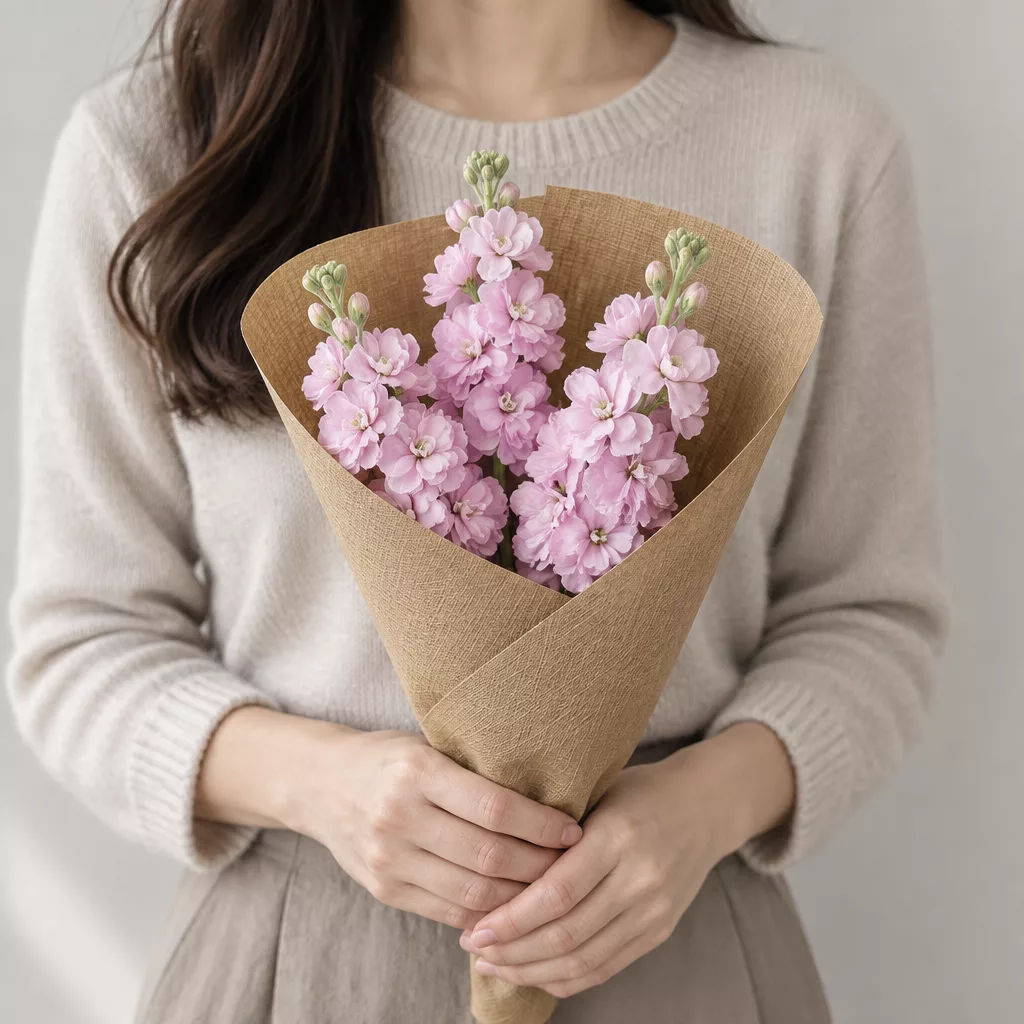
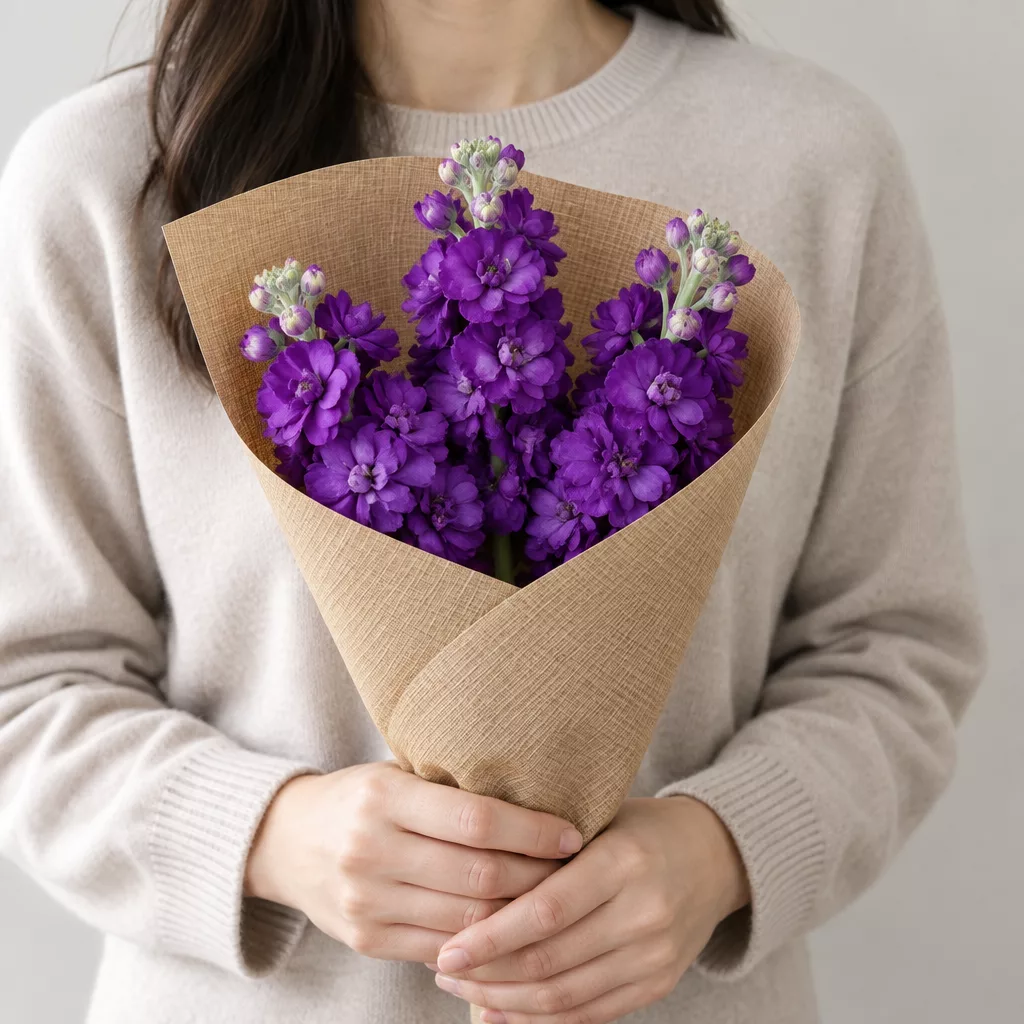
Table Centrepieces: Estimating by Format and Guest Count
The centrepiece budget depends on three decisions: height, density, and variety. Low arrangements — roughly 20 to 30 centimetres — work for dinner tables where guests need to see each other across the flowers. Tall compositions on narrow stems or in elevated vases suit gala formats where sight lines are less critical. Getting this wrong means either a redesign on the day or guests craning around roses all evening.
For a business dinner with round tables of eight to ten people, a single centrepiece per table is standard. Rectangular conference tables often need two or three smaller pieces spaced along their length rather than one central arrangement. Count your table shapes before you count your budget.
In terms of variety choice, white and cream flowers — garden roses, lisianthus, white spray chrysanthemums — read as formal and photograph cleanly. Adding eucalyptus, ruscus, or Italian pittosporum gives volume without inflating the cost dramatically. Peonies and hydrangeas are popular for premium events but are seasonal: peonies peak in May and June, hydrangeas are available year-round but are at their most affordable in autumn. If your event falls in January or February, lean on roses, tulips, and ranunculus rather than forcing seasonal varieties at high import cost.
A useful planning rule is to calculate the number of tables first, then assign a tier — standard, mid-range, or premium — based on your total budget divided by that count. This prevents the common mistake of over-spending on a few showpiece tables and leaving the rest of the room looking thin.
Speaker and Presenter Gifts: What to Give and When
Every speaker at a Russian corporate event expects to receive flowers at the end of their presentation. This is not optional etiquette — skipping it is noticed and considered a slight. The person handing over the bouquet is usually a company representative or a junior colleague, and the handover happens on stage or at the podium immediately after applause.
The size of the speaker bouquet should reflect the seniority of the speaker and the formality of the event. A compact, hand-tied bouquet of fifteen to twenty stems — roses, spray roses, and seasonal greenery — is appropriate for a standard presenter. A senior executive or external keynote speaker warrants something more substantial: a structured bouquet with premium varieties such as garden roses, lisianthus, or orchid stems worked in.
For female speakers, soft palettes of blush, white, and dusty rose are almost universally well received in a Russian corporate context. For male speakers, the convention is more flexible: a structured bouquet in white and green reads as elegant rather than decorative, and many male executives appreciate this. Avoid strongly scented flowers for stage presentations — freesia and oriental lilies can be overwhelming in a warm room with microphones.
If you have five or more speakers, order all bouquets at the same time from the same source so the presentation is consistent. Nothing looks more disorganised than bouquets that vary wildly in size or style from one speaker to the next. Build a small contingency — one or two extra bouquets — for unscheduled guests who are invited to speak on the day.
Welcome and Entrance Arrangements: First Impressions by the Door
The entrance of a corporate venue sets the tone before a single word is spoken. In Russia, large-format welcome arrangements — floor-standing compositions, arch frames, or statement vases at a reception desk — are standard for conferences, award ceremonies, and product launches. They signal investment and intention to every guest who walks through the door.
For a registration or welcome desk, two matching arrangements placed symmetrically on either side of the table is the most common format. These are typically tall, using flowers with strong stems: gladioli, delphinium, or large-headed roses in a base of structured greenery. The height matters — arrangements that sit below eye level at a standing desk disappear visually.
For a lobby or entrance hall with more space, a single floor-standing piece on a pedestal or in a large ceramic or glass vessel can anchor the room. These require more stems and more structural support, so they sit at the higher end of the per-piece cost. Factor in that someone will need to receive and position them — delivery timing to the venue matters here, and flowers should arrive at least two hours before guests so there is time to adjust.
One practical note for Russian winters: entrance arrangements placed near exterior doors face temperature swings as guests arrive in cold weather. Roses and tulips are sensitive to sudden cold drafts and can close or bruise quickly. If your venue has a poorly insulated entrance, choose hardier varieties — chrysanthemums, carnations, and alstroemeria — for the welcome zone and save the premium blooms for the warmer interior spaces.
Individual Guest Bouquets and VIP Gifts: The Personal Touch
Not every guest at a corporate event receives an individual bouquet, but certain roles almost always do in a Russian business context: the most senior company guest, an anniversary honouree, a retiring colleague, or a client being celebrated. Getting this list right before the event prevents the awkward moment of realising mid-ceremony that someone important has been overlooked.
VIP bouquets should be clearly differentiated from speaker gifts in size and composition. Where a speaker receives a hand-tied bouquet, a VIP honouree might receive a larger presentation bouquet with premium single-variety flowers — all white garden roses, or a mix of white and blush peonies in season — wrapped formally in kraft paper or silk ribbon rather than cellophane. The wrapping matters as much as the flowers in this context.
For events where every guest at a VIP table receives a small takeaway — a common format at gala dinners — consider individual bud vases placed at each seat rather than a single centrepiece. A single stem of a premium rose or two stems of lisianthus in a small glass vase doubles as a table decoration and a personal gift. This approach is elegant, manageable logistically, and often more memorable than a large shared arrangement.
Budget this category separately from your table and speaker costs. VIP flowers are the most visible spend at any event, and under-budgeting here while over-spending on table fillers is a common planning error. Allocate a fixed amount per VIP recipient and work backward to choose varieties that fit that figure without compromising quality.
Timing, Temperature, and Delivery Logistics in Russia
Russian corporate events often run in venues that are heavily heated in winter — a common feature of buildings designed for extreme cold. This is the single biggest threat to cut flower longevity on the day. Roses, ranunculus, and tulips open rapidly in warm rooms and can look overblown within four to five hours of delivery. If your event runs through an evening and flowers need to look fresh for a late dinner after a daytime conference, timing the delivery becomes a strategic decision.
For full-day events, consider a staggered delivery: table centrepieces and entrance arrangements arrive in the morning, and speaker bouquets arrive two to three hours before the ceremony portion of the day. Flowers stored in a cool back-of-house area — a service corridor or a room away from the main hall — will hold significantly better than those placed on tables in a heated room from early morning.
Summer events in Russian cities present the opposite challenge. June through August brings warm outdoor temperatures, and any flowers transported or displayed without climate control can wilt before the event begins. Hydrangeas are particularly vulnerable to heat and should be conditioned in water for at least twelve hours before an event in warm weather.
Always confirm with your florist exactly what time they will arrive at the venue, and share the venue's loading dock or service entrance details in advance. A thirty-minute delay on a tight schedule — common at large conference venues — can cascade into flowers being placed as guests arrive. Build a one-hour buffer between confirmed delivery and the first guest expected at the door.
Building the Total Budget: A Category-by-Category Approach
The clearest way to build a corporate flower budget is to work through each category in sequence rather than starting with a total and dividing it up. Start with the number of tables and assign a centrepiece tier. Then count confirmed speakers and assign a bouquet size to each. Then list VIP recipients. Then decide whether you need entrance or welcome arrangements. Add these figures together and you have a working estimate.
A common mistake is to budget only for the flowers themselves and forget the associated costs: vessel hire or purchase, delivery fees, setup time, and any on-site florist presence if arrangements need to be assembled in the venue. For large events, some compositions — particularly arch structures or multi-element entrance pieces — cannot be fully assembled offsite and require a florist to spend time at the venue. This is a real cost and should be in the brief from the start.
For multi-day conferences, decide whether centrepieces will be refreshed between days. Flowers that look pristine on day one can appear tired by day two in a warm room, and a premium event with wilting arrangements on the second morning undermines the first day's investment. Refreshing centrepieces between days adds cost but protects the overall impression.
Finally, build a five to ten percent contingency into your flower budget. Programmes change, additional speakers are added, and VIP guests arrive unannounced. Having a small reserve of stems — or a confirmed ability to order additional pieces with short notice — means you can respond without panic. Turboflora delivers across Russia within one to two hours, which makes last-minute additions manageable rather than impossible.
A corporate event in Russia asks more of its flowers than a casual gathering does, and the event managers who plan well are those who treat each category — tables, speakers, VIPs, entrances — as a separate decision rather than one undifferentiated line item. When you know how many tables you have, how many speakers will take the stage, and which guests will receive individual attention, the numbers stop being a guess and start being a plan. Quality flowers, delivered on time and suited to the temperature and format of your venue, do exactly what they are supposed to do: they make the room feel considered, they honour the people in it, and they leave the kind of impression that guests carry home. We deliver bouquets across Russia in 1–2 hours.
Frequently asked questions
How far in advance should I order flowers for a large corporate event in Russia?
For events with more than ten tables or five or more speakers, place your order at least five to seven days in advance. This allows time to source specific varieties, especially seasonal flowers like peonies or garden roses that may need to be ordered in quantity. For events in January or February, when import logistics are slower, ten days is safer.
Is it appropriate to give flowers to male speakers at Russian corporate events?
Yes, absolutely. Giving flowers to male speakers is standard practice at Russian business events and is not considered unusual. A structured bouquet in white and green tones works well and reads as formal rather than decorative. Avoiding strongly scented varieties is more important than worrying about colour when choosing for male recipients.
What flowers hold up best in heavily heated Russian conference venues?
Chrysanthemums, carnations, alstroemeria, and spray roses are the most resilient in warm indoor environments. Roses and tulips open quickly in heat and look best when delivered as close to the event start as possible. Hydrangeas need to be well-conditioned in water beforehand and should not be placed near heating vents or direct sunlight.
Can I use the same flower style for both table centrepieces and speaker bouquets?
You can use the same palette and varieties, but the format should differ. Centrepieces are structural and designed to be seen from a distance; speaker bouquets are hand-held and personal. Using the same flowers in both creates visual coherence across the event, which looks intentional and polished rather than repetitive.
What is the best way to handle flowers at a two-day corporate conference?
Plan for a partial refresh on the morning of day two. Entrance arrangements and speaker bouquets should be replaced with fresh pieces. Table centrepieces can often be revived overnight by re-cutting stems and placing them in fresh water in a cool room, but in a warm venue they will typically need replacing. Budget this from the start rather than deciding on the day.
Ready to send flowers?
Pick the city, choose the bouquet, and a local florist takes it from there.
Choose a city →