Flower damage: what you can rescue and what to do next
Flower damage includes crushed or torn petals, snapped stems, discolouration and decay; wilting can also signal water loss rather than permanent injury. Start by checking the stems and petals, photographing any delivery problems, then putting salvageable flowers into a clean vase with fresh water. Bruised tissue will not repair itself, but dehydrated flowers may improve once they can take up water.
The useful question is whether a flower needs care, careful trimming or removal from the bouquet. A slightly marked outer rose petal is different from a soft, mouldy flower head, and a drooping stem is different from one that has snapped. If you are sending flowers to someone in Russia from abroad, ask the recipient to describe what they see: clear details help you decide what to do without expecting them to diagnose the whole arrangement.
How to recognise damage and judge its extent
Inspect the bouquet in good light before rearranging it. Look for flattened flower heads, sharply creased petals, split stems and wet or translucent patches. Check where the wrapping presses against the blooms, because compression can leave marks while the rest of the bouquet looks fresh. Take an overall photograph first, followed by close-ups of the affected areas.
Wilting usually appears as limp leaves, soft stems or drooping heads without an obvious break. It can follow time out of water, but it can also accompany ageing or damaged stems, so appearance alone does not establish the cause. A firm crease with collapsed tissue suggests physical injury; spreading soft patches, visible mould or an unpleasant smell call for removing the affected material.
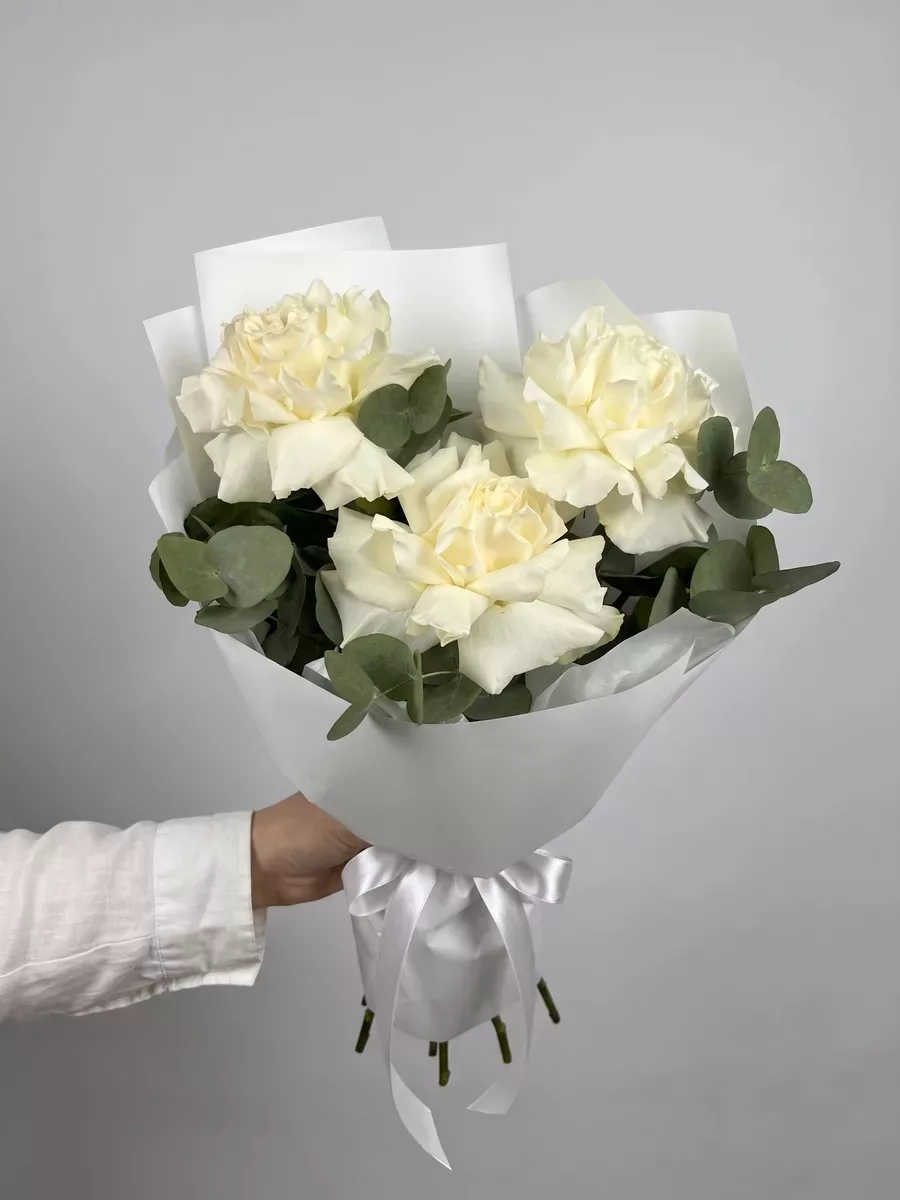
Some roses have firmer, less even outer petals, often called guard petals, which protect the inner bloom. A rough edge on one outer petal does not necessarily mean the entire rose is spoiled. Assess the centre and the stem as well. By contrast, several crushed inner petals or a flower head hanging from a broken neck deserve closer attention, even if the wrapping is tidy.
What to do in the first hour
If the flowers arrived with a problem, document their condition before trimming or discarding anything. Then remove the transport wrapping carefully, supporting the stems as you loosen it. Avoid pulling flower heads through tight paper or ribbon. Use a clean vase that holds the bouquet securely without forcing the stems into a narrow opening or pressing the blooms together.
Wash the vase, rinse it thoroughly and add fresh water. Use the supplied flower food according to its packet instructions, if provided; extra concentrate is not a shortcut to recovery. With clean, sharp scissors or secateurs, recut the stem ends and remove leaves that would sit below the waterline. Put the flowers into water promptly rather than leaving freshly cut ends exposed.
Give limp but intact flowers a few hours in a calm spot away from direct sunlight, heaters and draughts, then check them again. Improvement is possible, but it is not certain. Do not keep handling the heads to test their firmness, as pressure can add bruising. If one flower continues to collapse while the others recover, inspect its stem and remove it if it is deteriorating.
Bouquets we can deliver



Which flowers can be tidied and which should be removed
A small tear on an outer petal is mainly a cosmetic issue. You can leave it alone or gently remove a badly marked outer rose petal if it separates easily, holding the flower at its base. Repeatedly stripping petals can leave the bloom loose and misshapen. Never rub a brown patch or try to smooth a crease with your fingers: damaged petal tissue cannot be polished back to health.
A snapped stem cannot be restored by standing it in water or hiding the break with ribbon. If enough healthy stem remains below the flower head, cut above the damaged part and display the shorter flower in a small, clean vase. Keep its petals above the water. This can preserve something attractive from the bouquet, although the flower may have a shorter display life.
Remove flowers with visible mould, extensive soft decay or a foul smell, along with fallen material in the vase. Do not put healthy stems back into dirty water after removing a decaying bloom; clean the vessel and refresh the water first. For the remaining flowers, check the water level daily and replace water that becomes cloudy, keeping submerged leaves out of the vase.
Preventing bruising, wilting and transport damage
When carrying flowers yourself, support the bouquet underneath and keep the heads clear of bags, seat backs and closing doors. Hold the stems rather than gripping the blooms. Secure the bouquet so it cannot slide or tip during a journey, and do not stack anything on top of it. For a longer trip, plan both protection from pressure and a suitable way to keep stems hydrated.
Avoid leaving cut flowers in a parked car or next to a heater, and minimise exposure to harsh weather when moving between buildings and vehicles. Wrapping offers some protection, but it does not make flowers immune to heat, cold or crushing. Keep the journey direct where possible; our guide to the best way to transport flowers covers further handling considerations.
Once the bouquet is indoors, choose its position with the same care. A bright windowsill can expose petals to direct sun, while a busy doorway can mean repeated knocks and draughts. Keep flowers away from ripening fruit, which releases ethylene that can hasten ageing in sensitive varieties. Leave enough space around the arrangement for the heads to open without rubbing against a wall or shelf.
What to do if a delivered bouquet arrives damaged
Photograph the bouquet, the affected flowers and any visibly damaged packaging as soon as you can. Keep the order details and note when the flowers arrived and when the problem was noticed. Describe what you can observe, such as three snapped stems or crushed petals on one side. A photograph can show the condition, but it may not establish exactly when or why the damage occurred.
Contact a manager on WhatsApp with those details and ask for the issue to be reviewed. If you ordered from abroad, gather the recipient's photographs into one message so the account is clear. State whether the bouquet has already been unpacked or trimmed. The available response depends on the circumstances; do not assume a refund or replacement before the situation has been assessed.
Keep the recipient's comfort in mind, especially with sympathy flowers, hospital visits or a gift marking a difficult day. Ask for a few useful photographs without turning the gift into an investigation, then handle the order discussion yourself. Our guide to flowers that arrive damaged or late provides a further step-by-step reference.
Planning a flower delivery to Russia from abroad
Turboflora delivers flowers across Russia. Start with the bouquets catalogue, then agree the address, timing and card text with a manager if you need help. You can also arrange a photo of the bouquet before delivery. That image lets you review its appearance at that stage; the recipient should still check its condition on arrival and place the stems in water promptly.
In large cities, express delivery is available in 1–2 hours after order confirmation. Other options are an exact time with a tolerance of ±30 minutes, the windows 09–12, 12–15, 15–18 or 18–21, or a preorder 1–30 days ahead. Choose a time when someone can receive the flowers and attend to them. City delivery costs 500 RUB; the operator confirms the price for remote districts and suburbs when confirming the order.
The courier calls the recipient about 15 minutes before arrival. If they are absent, we agree a second delivery that day or a handover to a neighbour or concierge with the sender's consent. Delivery is anonymous by default: the courier does not name you, and a card with your text is free. Online checkout uses CloudPayments; check the options displayed there for your card. See delivery and payment when planning the order.
Frequently asked questions
Can bruised flower petals recover?
Bruised petal tissue does not return to its original condition. You can sometimes remove a damaged outer rose petal, but extensive handling may cause further marks.
Does a drooping flower always mean it arrived damaged?
No: drooping can result from water loss, ageing or a damaged stem. Recut an intact stem, place it in fresh water and reassess after a few hours; recovery is not guaranteed.
What photographs should I take if flowers arrive damaged?
Take one photograph of the whole bouquet, close-ups of the affected flowers and images of any damaged packaging. Photograph the condition before trimming, and send the images with your order details and arrival time.
Can I request a photo before flower delivery in Russia?
You can agree a photo of the bouquet before delivery with a manager. This shows its appearance before the journey, so the recipient should also check the flowers when they arrive.
Will I automatically receive a replacement for damaged flowers?
Contact a manager with photographs and order details so the problem can be reviewed. A replacement or refund should not be assumed before the circumstances have been assessed.
Ready to send flowers?
Pick the city, choose the bouquet, and a local florist takes it from there.
Choose a city →