Sending Flowers to Agidel: Timing, Choices and What Arrives at the Door
Agidel sits quietly on the Kama River in Bashkortostan, a compact city where a bouquet of fresh flowers still feels like a genuine event. Whether you are sending roses to a mother on her birthday, congratulating a colleague on a promotion, or simply letting someone know you are thinking of them, the flowers need to arrive looking as if they just left the cooler. Here is everything you need to know to make that happen.
Getting Flowers to Agidel: The Delivery Window You Can Count On
Agidel is a relatively small city, and that actually works in your favour when it comes to delivery. Because the address pool is compact and routes are straightforward, a courier can reach most residential addresses within one to two hours of your order being confirmed. That window holds for the central neighbourhoods and the riverside residential blocks that make up most of the city. If you are sending to an address on the outskirts or to a dacha area nearby, allow a little extra time and note the full address clearly, including the apartment number and entry code if there is one.
Orders placed in the morning tend to move the fastest. Florists have the widest selection early in the day, the traffic is lighter, and there is room to correct any small issues before the recipient is home. Evening deliveries are absolutely possible, but if you want a specific arrival time, morning or early afternoon is the safer bet.
One practical note: Agidel has cold winters and warm, humid summers. Both extremes affect flowers in transit. In January or February, delicate blooms like garden roses or lisianthus need insulated wrapping to survive even a short journey from the vehicle to the front door. In July, the same journey can wilt an unprotected bouquet in minutes. Turboflora accounts for both conditions in how bouquets are packaged before they leave, so you do not need to manage that yourself — but it is worth knowing why that packaging matters.
Bouquets we can deliver

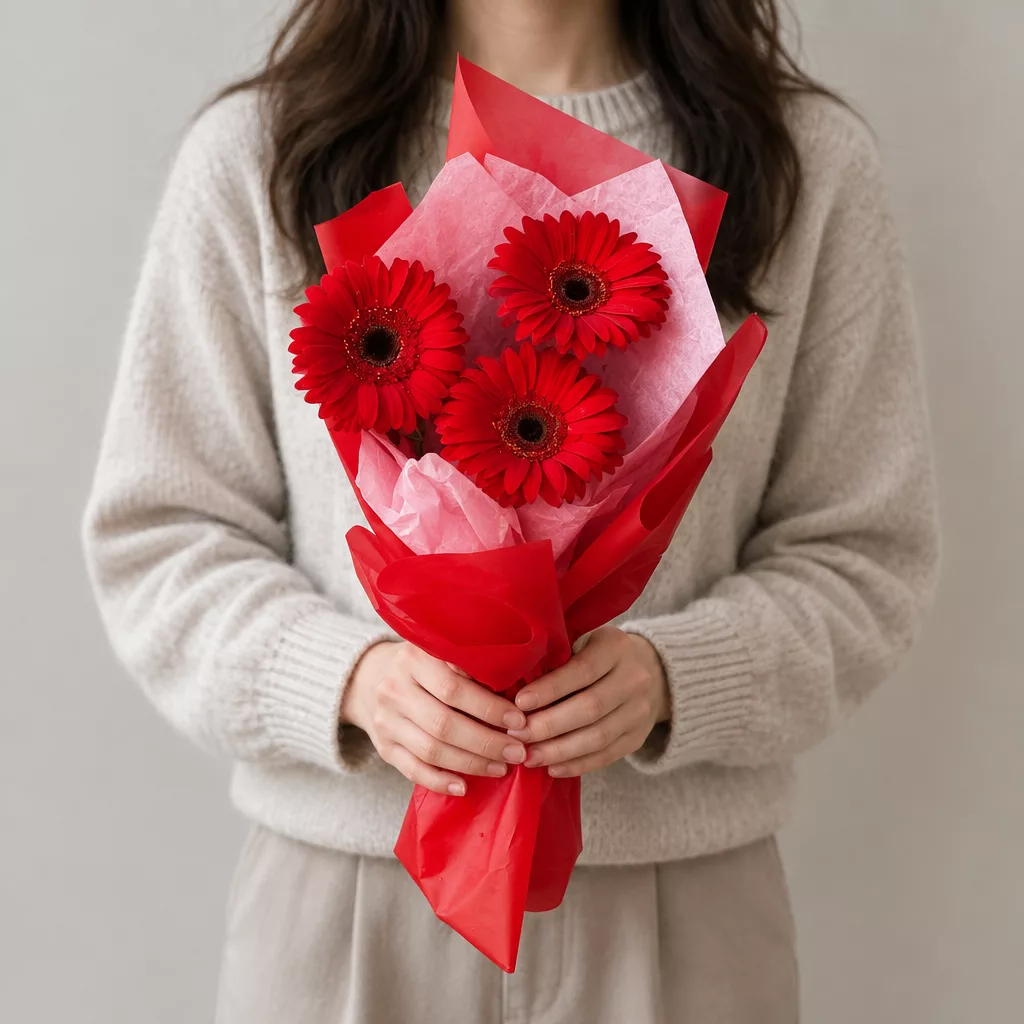
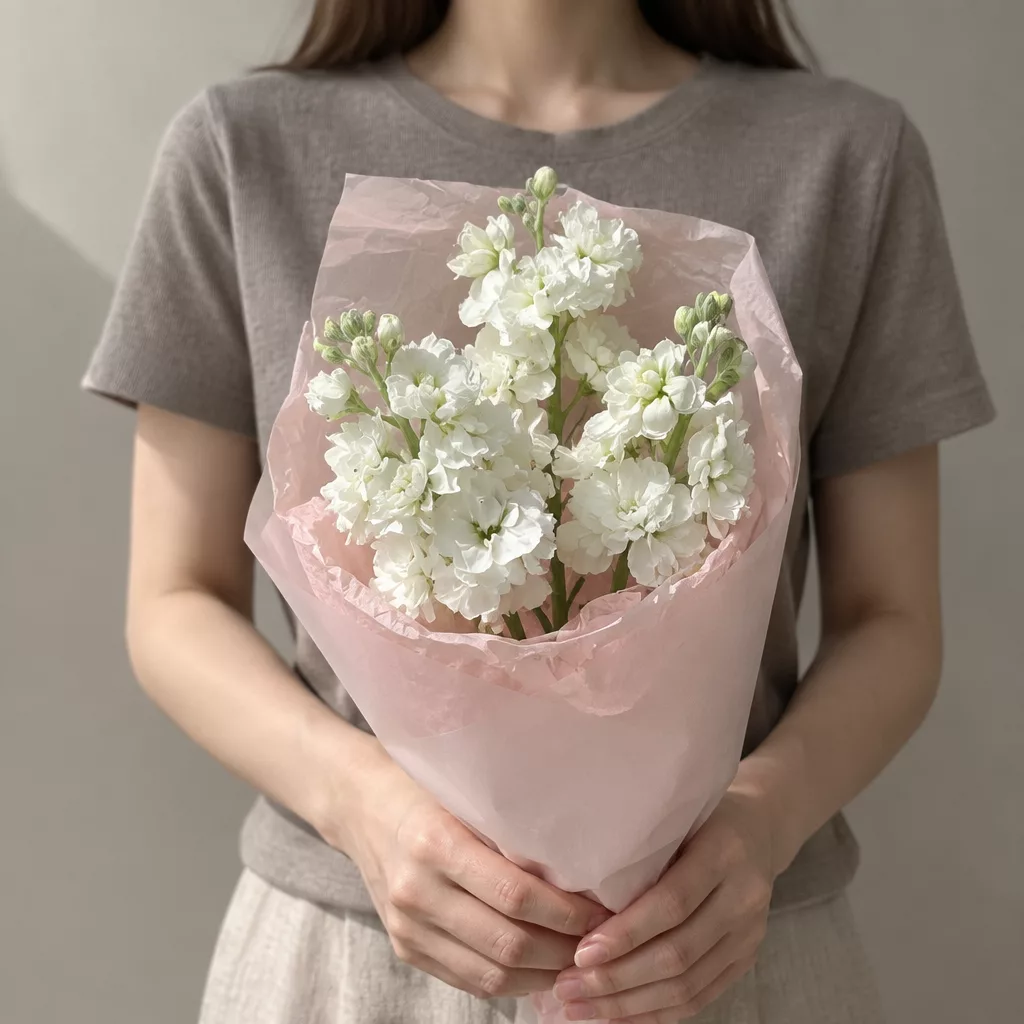
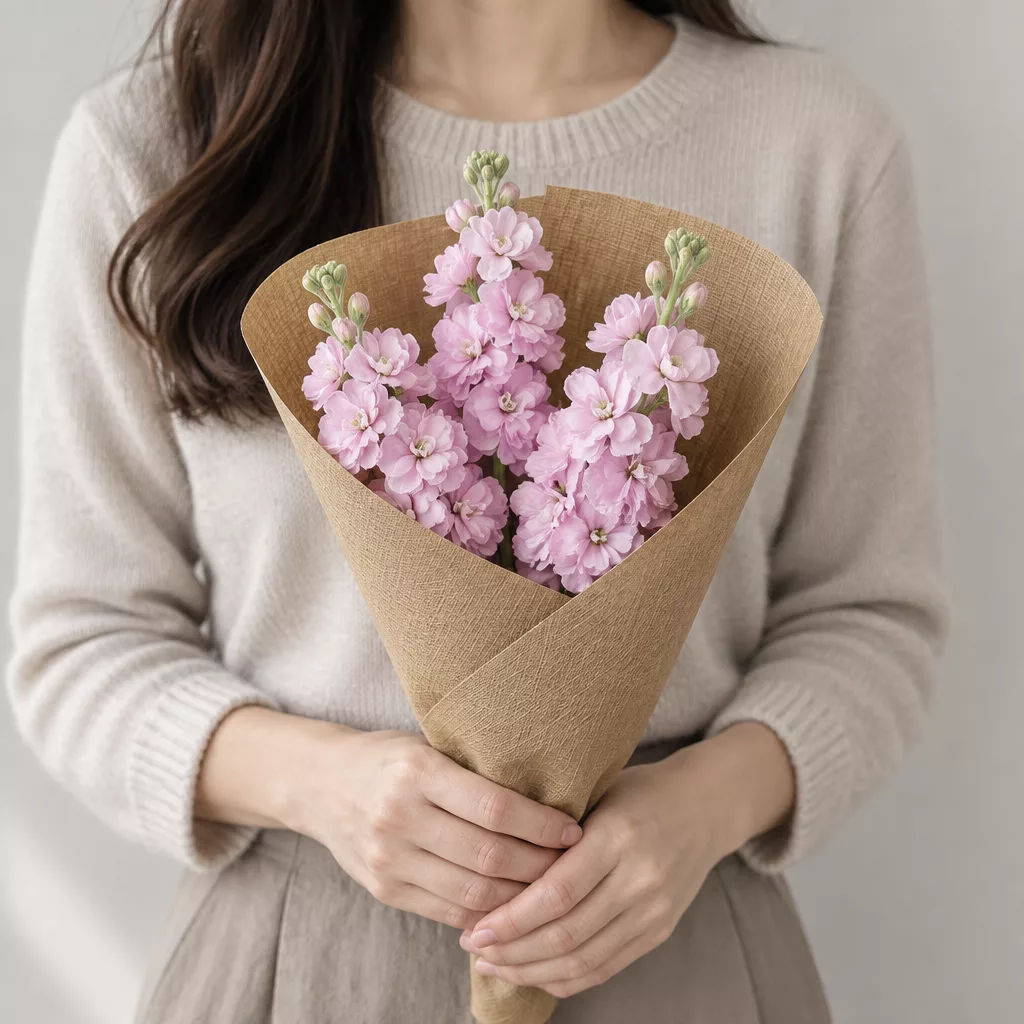
Choosing the Right Bouquet for the Person, Not Just the Occasion
The best starting point is the recipient, not a list of available flowers. Think about what they keep in their home. A person with a minimalist apartment and neutral tones will likely love a tight, monochromatic bouquet of white spray roses or pale peony-shaped ranunculus. Someone who fills their windowsills with plants and colour will appreciate something wilder — sunflowers paired with burgundy dahlias, or a loose arrangement of mixed seasonal stems that looks as though it came from a garden rather than a shop shelf.
For a birthday, bold colour reads as celebratory and warm. Red and coral tones in roses or gerberas feel energetic. Soft lilac and cream combinations in stocks and alstroemeria feel more tender and personal. For a professional congratulation — a new job, a graduation, a work anniversary — cleaner arrangements with a single dominant flower tend to feel more polished and less overwhelming in an office setting.
Russian custom generally favours odd numbers of stems in a bouquet, and this is worth knowing if the recipient is Russian or if the bouquet will be presented publicly. An odd number is associated with celebration and life; even numbers carry a different cultural weight and are avoided in happy occasions. You do not need to count every stem yourself — a florist will arrange this by default — but if you are customising, keep this in mind.
Also consider the season. What is actually fresh and in season in Bashkortostan will always look better than something that has travelled far out of its natural growing window.
Seasonal Flowers That Travel Well to Agidel
Agidel's continental climate means seasons are distinct, and the flowers available at their best change meaningfully through the year. In spring, tulips arrive from Dutch and domestic growers in excellent condition — they are hardy, travel well, and the recipient gets to watch them open over several days. Narcissus and hyacinths are also strong choices in March and April, and they carry a natural fragrance that makes a room feel different the moment the bouquet arrives.
Summer brings a wider palette. Sunflowers are robust and cheerful, and they hold up well in warm transit if properly hydrated. Eustoma, also called lisianthus, is a summer favourite that looks delicate but actually has a surprisingly long vase life of up to two weeks when cared for correctly. Dahlias peak in late summer and early autumn and bring a richness of colour — deep plum, burnt orange, creamy white — that feels genuinely seasonal rather than generic.
Autumn is the season for chrysanthemums. They are sometimes underestimated, but a well-arranged mono-bouquet of large-headed chrysanthemums in amber or dusty rose is genuinely beautiful and lasts exceptionally well. Autumn is also when roses are often at their most affordable without any loss of quality, since growing conditions stabilise.
Winter is the season to lean into roses, carnations, and alstroemeria — flowers that handle cold transit reliably. Amaryllis is a striking winter choice with dramatic trumpet-shaped blooms that feel festive without being clichéd. Avoid tropical varieties like bird of paradise in deep winter, as they are sensitive to temperature shock.
Bouquets by Budget: What Each Range Actually Gets You
Budget shapes the bouquet, but it does not have to limit the impression it makes. At a modest budget, the most effective approach is to choose one strong focal flower and build around it with complementary greenery and filler. A handful of garden roses with eucalyptus and a few stems of white gypsophila looks intentional and complete. The key is restraint — a small, well-composed bouquet is always better than a large, crowded one.
At a mid-range budget, you can introduce two or three varieties and let the composition breathe. This is where combinations become interesting: peach spray roses with lilac statice and soft green pistache foliage, for example, or white lisianthus with blue delphinium and a few stems of waxflower for texture. These bouquets have enough variety to feel generous without becoming overwhelming.
At a higher budget, the composition can include premium focal flowers — large-headed garden roses, peonies in season, or orchid stems — alongside layered greenery and textural fillers that give the arrangement real depth. A box arrangement or a hat-box style presentation adds a visual moment when it is opened, which matters if the delivery is meant to feel like a special occasion.
One honest piece of advice: a medium bouquet of genuinely fresh flowers will always outperform a large bouquet of flowers that are past their best. Freshness is the single most important factor in how a bouquet looks on arrival and how long it lasts. When in doubt, choose quality and appropriate size over volume.
What Happens Between the Florist and the Front Door
Understanding the journey a bouquet takes helps you set realistic expectations and make better choices. Once an order is confirmed, the florist assembles the arrangement using flowers held in temperature-controlled storage, typically between two and five degrees Celsius. Stems are freshly cut at an angle immediately before assembly, which maximises water uptake and helps the flowers stay firm during transit.
The bouquet is then wrapped and packaged according to the weather. In cold months, this means insulating layers that protect against frost damage during the walk from the courier vehicle to the building entrance. In warm months, packaging is kept breathable to prevent heat buildup inside the wrapping. Neither extreme is left to chance.
The courier carries the bouquet upright wherever possible. This sounds like a small detail, but it matters: flowers that travel horizontally for more than a few minutes can shift inside the wrapping, bruising petals or snapping stems. Upright transit, even in a car, keeps the arrangement intact.
On arrival, the courier will contact the recipient if there is no answer at the door. If the recipient is unavailable, the order details you provide should include a backup contact or a note about where to leave the bouquet safely. A covered entrance or a neighbour who has been told to expect the delivery both work well. For surprise deliveries, it is worth coordinating timing so that the recipient is actually home — a bouquet left outside in Agidel's summer heat or winter cold for even thirty minutes can arrive in noticeably worse condition than one handed directly to the recipient.
Keeping the Flowers Fresh Once They Arrive
A good bouquet deserves good care at home, and the difference between flowers that last four days and flowers that last ten often comes down to a few simple habits. The first thing the recipient should do is trim the stems. A clean diagonal cut of about two centimetres, made with a sharp knife rather than scissors, removes the sealed end that forms during transit and allows the stem to draw water immediately. This single step makes a meaningful difference to vase life.
The vase should be clean and filled with cool, fresh water. Tap water in most Russian cities is fine for flowers. Remove any leaves that would sit below the waterline, as submerged foliage rots quickly and clouds the water, introducing bacteria that shorten the life of the whole bouquet. Change the water every two days and re-trim the stems each time.
Flower placement in the home matters more than most people realise. Keep the bouquet away from direct sunlight, heating radiators, and draughts from windows or air conditioning units. All three accelerate water loss from the petals. A cool room, or even a bathroom with indirect light, is genuinely better for the flowers than a sunny windowsill.
Different varieties have different natural lifespans. Alstroemeria and chrysanthemums regularly last ten to fourteen days with good care. Roses typically give seven to ten days. Tulips are shorter — around five to seven days — but they continue to open and move toward light, which makes them dynamic and interesting in the vase. Knowing what to expect from each flower helps the recipient enjoy the bouquet fully rather than feeling disappointed when the first stems fade.
Making the Delivery Feel Like More Than a Transaction
Flowers carry meaning because of the thought behind them, and there are small choices that turn a standard delivery into something genuinely memorable. The message card is one of them. A specific, personal note — even two or three sentences that reference something real about the person or the occasion — lands completely differently from a generic greeting. If you are not sure what to write, start with what you want the recipient to feel when they open the door, and work backwards from there.
Presentation choices also matter. A bouquet in craft paper wrapping feels artisan and warm. The same flowers in a box feel more formal and luxurious. A glass vase included with the delivery means the recipient does not have to hunt for one, and it signals that the sender thought about the full experience, not just the flowers themselves.
Timing a delivery to coincide with a specific moment — the morning of a birthday before the day gets busy, the afternoon of an anniversary when the person is home — shows awareness of the recipient's life rather than just the occasion on a calendar. This kind of timing is usually possible with a morning order and a specified delivery window.
Finally, consider what happens after the flowers fade. Some recipients press a single bloom from a meaningful bouquet, or photograph it, or keep the card long after the flowers are gone. A bouquet that arrives beautifully, in good condition, with a thoughtful note, becomes a small memory rather than just a purchase. That is what a good delivery is actually for.
Agidel is not a city where flower delivery is complicated, but it is a city where the details matter — the right flower for the season, packaging suited to the temperature, a clear address, and a message that means something. Get those elements right and a bouquet becomes more than a gesture. It becomes the thing the recipient remembers about that particular day.
Frequently asked questions
How quickly can Turboflora deliver flowers in Agidel?
Most deliveries in Agidel are completed within one to two hours of order confirmation. Morning orders tend to arrive fastest because routes are clearest and the full range of flowers is available. If you need a specific arrival time, note it clearly when ordering and allow a small buffer around that window.
Can I send flowers to Agidel in winter without worrying about frost damage?
Yes. Bouquets going out in cold weather are packaged with insulating layers that protect blooms from temperature shock during the short journey from the vehicle to the building entrance. Varieties like roses, carnations, and alstroemeria are also naturally more cold-tolerant and are good choices for winter deliveries.
Is it true that bouquets in Russia should have an odd number of flowers?
This is a genuine cultural custom. Odd numbers of stems are associated with celebration and happy occasions in Russian tradition, while even numbers carry a different significance. Florists at Turboflora follow this by default, but it is useful to know if you are customising your order or adding extra stems yourself.
What should I do if the recipient is not home when the bouquet arrives?
The courier will call the recipient's number first. To avoid any delay, include a backup contact or a note in your order about where to leave the bouquet safely — a covered entrance or a neighbour works well. For surprises, coordinate timing in advance so the recipient is home when delivery is expected.
Which flowers last longest in a vase after delivery?
Alstroemeria and chrysanthemums regularly last ten to fourteen days with proper care. Roses give around seven to ten days. Tulips are shorter at five to seven days but continue to open beautifully in the vase. Fresh stem cuts, clean water changed every two days, and keeping the bouquet away from heat and direct sun all extend vase life significantly.
Ready to send flowers?
Pick the city, choose the bouquet, and a local florist takes it from there.
Choose a city →