Sending Flowers to Aksay? Here Is Everything You Should Know
Aksay sits close enough to Rostov-on-Don that the city energy spills right into it, yet it keeps a quieter, more personal feel — the kind of place where a bouquet arriving at someone's door actually turns heads. Whether you are sending flowers to a colleague who just moved there, a grandmother celebrating her birthday, or a partner you cannot visit in person, getting the delivery right matters more than the distance.
Which Areas of Aksay Turboflora Covers
Aksay is a compact town in the Rostov Oblast, and Turboflora delivers across its central districts as well as the residential neighbourhoods that have grown up along the main roads toward Rostov. This includes the older town centre around the main square, the newer apartment blocks along Traktorny and Pobedy streets, and the private house areas closer to the Don riverbank. If you are unsure whether a specific address falls within the delivery zone, the easiest step is to enter the postcode or street name at checkout — the system confirms coverage instantly before you commit to an order. Aksay is not a large city by Russian standards, which actually works in your favour. Shorter distances between districts mean the courier can reach most addresses without the traffic delays that larger cities like Rostov sometimes produce. The flowers spend less time in transit, which directly affects how fresh the arrangement looks when it arrives. One thing worth knowing: some addresses on the outskirts, particularly beyond the M4 motorway interchange, may fall into an extended delivery window. If you are sending to a private house in one of the newer suburban developments, it is worth checking the address early so there are no surprises on the day. The town's layout is straightforward, and most central and mid-town addresses receive the same reliable service as any major city delivery.
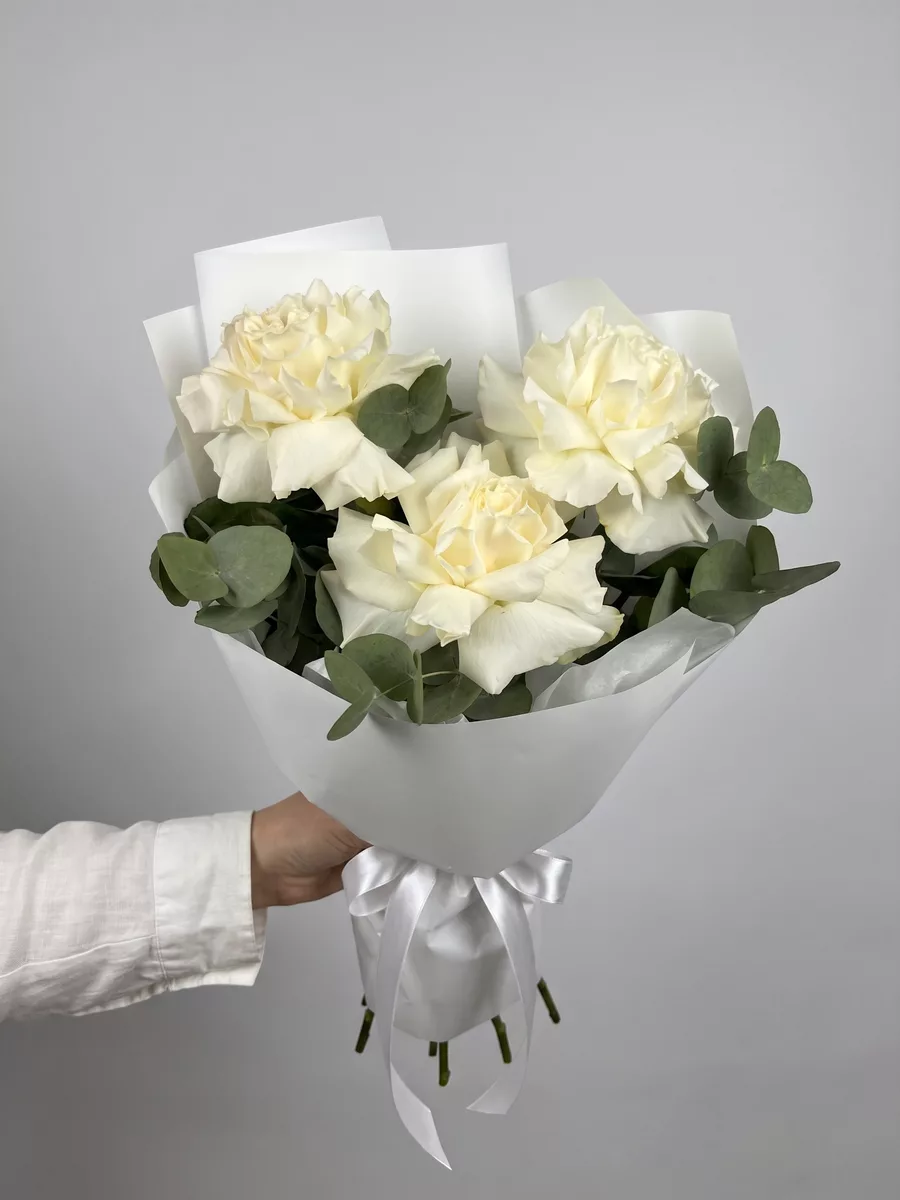
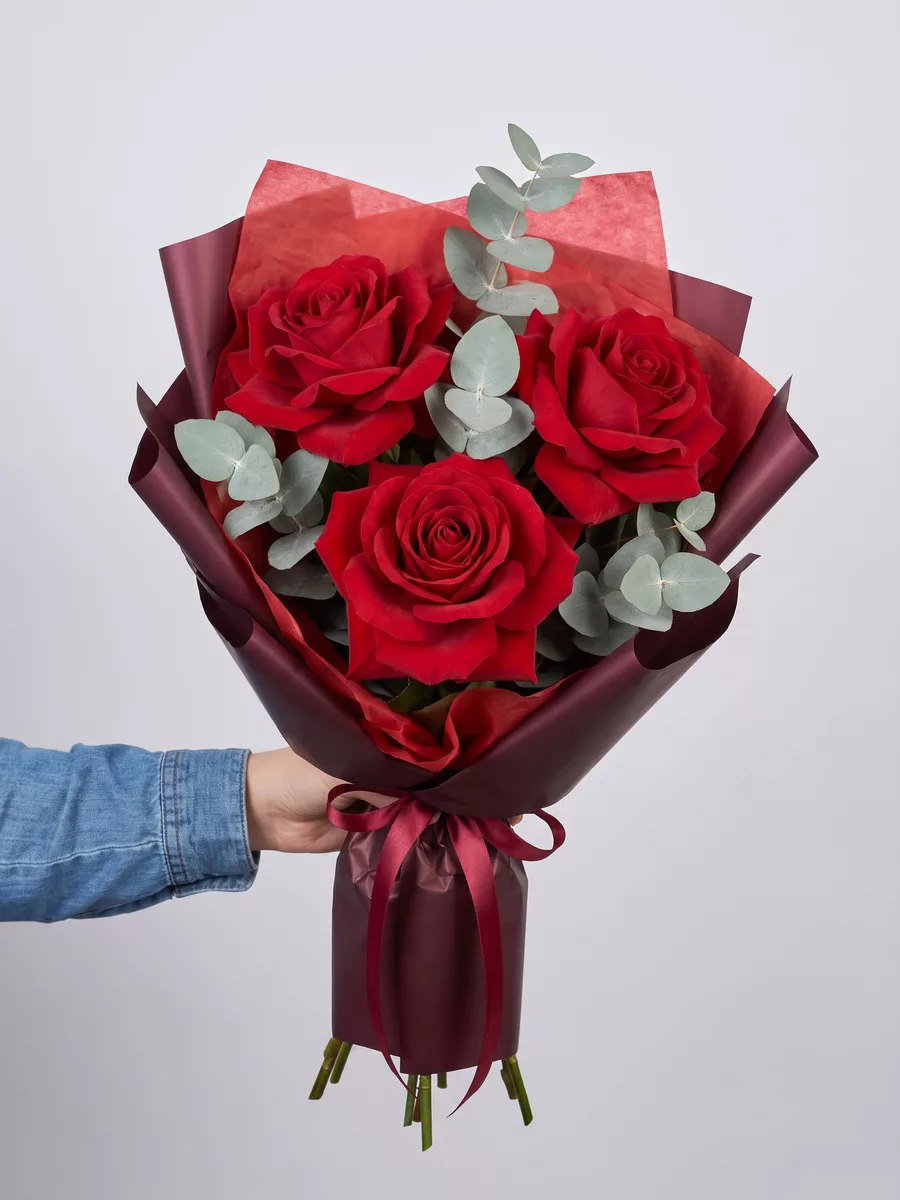
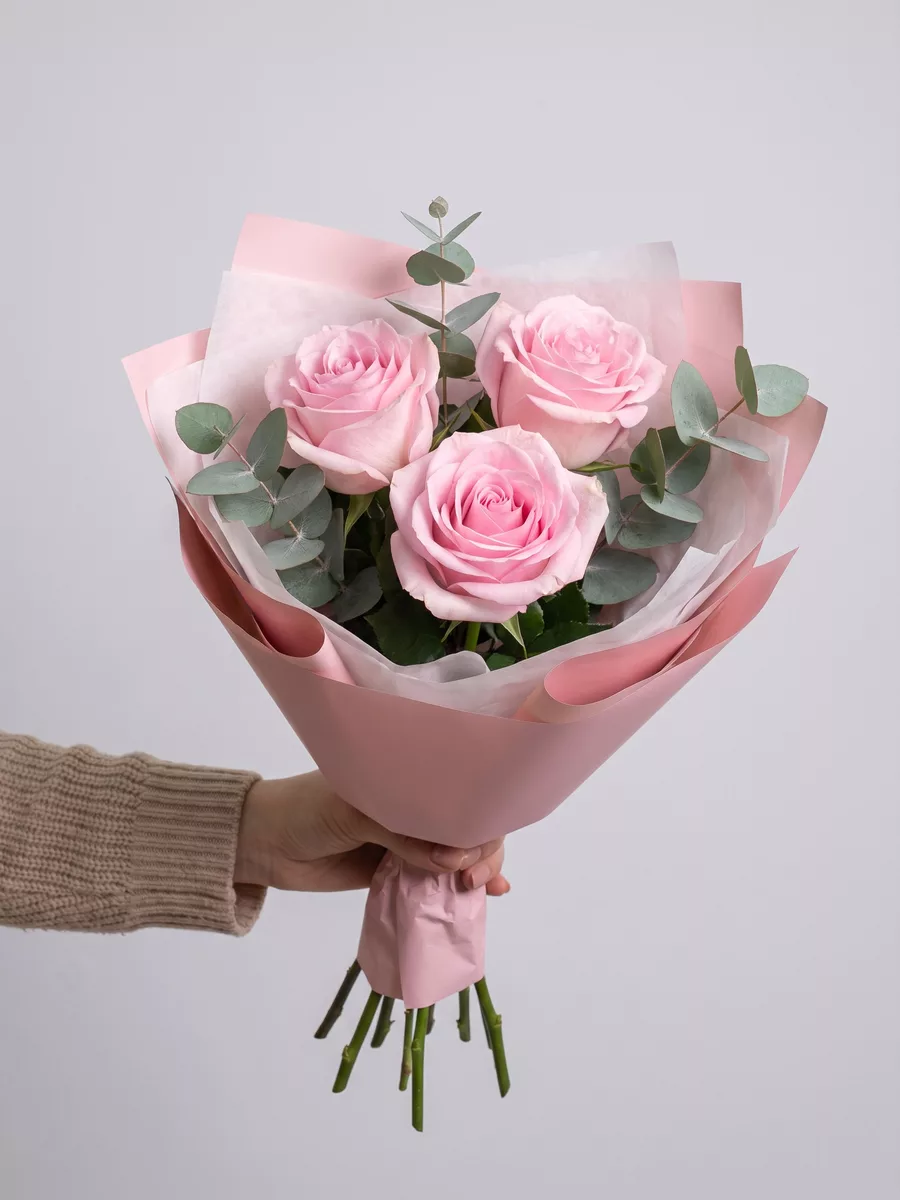
Bouquets we can deliver

Timing Your Order for the Moment That Counts
Turboflora works to a one-to-two hour delivery window from the moment your order is confirmed. For Aksay, this timing holds for most central addresses during standard hours. The practical advice is to place your order at least two hours before the moment you want the flowers to arrive — not one hour, two — because this gives the florist time to assemble the bouquet fresh rather than pulling something pre-made from a shelf. Fresh assembly makes a visible difference in how open the blooms look and how long they last afterward. Morning deliveries, roughly between ten and one in the afternoon, tend to go smoothly in Aksay because traffic is lighter and couriers are not yet managing multiple simultaneous runs. If you are planning a birthday surprise timed to a lunch gathering or an anniversary dinner, a morning order with a midday delivery slot is usually the most reliable combination. Evening deliveries are available, but if you are sending on a weekend or a Russian public holiday — and Russia has quite a few of them, including extended New Year and May Day breaks — it is worth ordering a day ahead or at least first thing in the morning. Demand spikes sharply around 8 March, International Women's Day, which is one of the busiest flower-giving occasions in the country. During that week, placing your order twenty-four hours in advance is genuinely sensible, not just cautious. The florist team scales up for peak periods, but lead time always helps you get exactly the varieties and colours you want rather than whatever is still available.
Choosing Flowers for the Person, Not Just the Occasion
The most common mistake people make when ordering remotely is choosing by occasion label — birthday roses, anniversary lilies — rather than thinking about the actual person receiving the bouquet. A woman in her thirties who keeps plants on every windowsill will respond differently to a loose, garden-style arrangement of ranunculus, lisianthus and eucalyptus than she will to a tight dozen red roses. Both are beautiful, but one will feel like it was chosen for her specifically. Start with what you know: does she prefer soft colours or bold ones? Does she have a vase at home, or would a wrapped hand-tied bouquet be more practical? Does she live alone, or will the flowers be in a shared office or family kitchen where something dramatic works better? For recipients you know less well — a colleague, a teacher, a host — neutral but generous choices work reliably. White and cream tones with textural greenery read as thoughtful and elegant without making assumptions about personal taste. Chrysanthemums, spray roses and alstroemeria hold up exceptionally well in transit and have a long vase life, which matters when you are sending to someone who may not immediately put flowers in water. For warmer, more personal gestures, peonies in season — late spring through early summer — or garden roses in blush and coral tones carry a softness that feels genuinely affectionate. The combination of a focal flower, a secondary bloom and a textural element almost always looks more considered than a single-variety bouquet, even at a modest size.
How Russian Flower Customs Might Surprise You
If you are sending flowers to someone in Aksay and you are not familiar with Russian customs, a few details are worth knowing so the gesture lands exactly as you intend. The most important one is the number of flowers in the bouquet. In Russian tradition, even numbers of flowers are associated with mourning and are brought to funerals. For any celebratory or affectionate occasion, the bouquet should contain an odd number of stems — three, five, seven, nine, eleven and so on. Turboflora's florists follow this automatically, so you do not need to count or specify, but it is useful to understand why a bouquet of seven roses is not a mistake but a deliberate choice. Another custom that surprises some international senders is the scale of bouquets for significant occasions. A birthday or graduation in Russia is often marked with a genuinely large arrangement — not a modest posy but something that requires two hands to carry. This is considered a sign of respect and warmth rather than excess. If you are celebrating something meaningful, going slightly larger than you might in another cultural context is usually appreciated rather than seen as over the top. Wrapping matters too. Russian floquets are typically wrapped in paper, often kraft or coloured tissue, sometimes with a ribbon. The presentation is part of the gift. Turboflora's packaging is designed with this in mind, so the bouquet arrives looking complete — not like flowers that still need arranging, but like a finished, considered present.
Seasonal Varieties and What Is Available When
One of the advantages of ordering through a florist who works with fresh supply rather than a warehouse model is that the selection reflects what is genuinely good at any given time of year. In Aksay, as across Russia, the seasons shape what is worth sending. Late winter and early spring — January through March — is the season of tulips, hyacinths and the first anemones. These are the flowers that feel like a promise of warmth, and they are enormously popular around 8 March. Tulips in particular come in an extraordinary range of colours and varieties at this time of year: parrot tulips with their fringed petals, double tulips that look almost like peonies, and the classic single-stem varieties in every shade from white to near-black. By May and into June, peonies arrive and the mood of bouquets shifts entirely. Peonies are possibly the most loved flower in Russia for good reason — they are lush, fragrant and generous-looking. They have a short season, so if you want to send them, late May through early July is your window. Summer brings garden roses, lisianthus, dahlias later in the season, and sunflowers, which are a genuinely cheerful choice for a casual or friendly gesture. Autumn is excellent for chrysanthemums, which are robust and long-lasting, and for dried or preserved elements mixed with fresh flowers for a more textural arrangement. Winter relies more on imported roses, lilies, orchids and evergreen foliage, all of which travel and hold well. Knowing the season means you can lean into what is at its best rather than fighting it.
Keeping the Flowers Fresh After Delivery
A bouquet that arrives in perfect condition can still disappoint if it is not cared for in the first hour. The single most important step the recipient can take is to put the flowers in water as soon as possible — not after lunch, not after the call to say thank you, but immediately. Cut stems begin to seal over quickly once they leave water, and a fresh diagonal cut with clean scissors before placing them in a vase makes a real difference to how much water the flowers can draw up. The water should be clean, cool and at room temperature rather than cold. Very cold water can shock tropical varieties like anthuriums or orchids. Change the water every two days and rinse the vase each time. If a small sachet of flower food was included with the bouquet, dissolve it in the first vase of water — it is not a gimmick but a combination of sugar, acidifier and antibacterial agent that measurably extends vase life. Keep the arrangement away from direct sunlight, radiators and fruit bowls. Fruit releases ethylene gas as it ripens, which accelerates aging in cut flowers — particularly in roses and carnations. A cool spot in the room, out of draughts, is ideal. In Aksay's climate, summer heat can be significant. If the recipient's home gets warm during the day, moving the flowers to a cooler room overnight extends their life noticeably. Roses and lisianthus typically last seven to ten days with good care. Tulips and anemones are shorter at five to seven days but open dramatically and look spectacular while they last.
Adding a Message and Getting the Details Right
A bouquet without a message is a lovely gesture that leaves the recipient guessing. In Russia, it is common to include a handwritten card — or at least a printed one — with the flowers, and the message does not need to be elaborate. A few sincere sentences, or even a single line, anchors the gift and makes it personal. When you order, take a moment to write something specific rather than generic. Not just 'Happy Birthday' but 'Happy Birthday — thinking of you from far away' or 'Congratulations on the new job, you earned it.' The florist will include it as a card with the bouquet. Getting the delivery details right saves more stress than any other single step. Double-check the street name and house number, and if the recipient lives in an apartment building, include the apartment number and the entry code for the building door if there is one. Many Russian residential buildings have keypads or intercom systems at the entrance, and a courier who cannot get past the front door will have to call the recipient, which can spoil a surprise. If you want the delivery to be a surprise, note in the order comments that the courier should contact you rather than the recipient if there is any issue. You can also specify a delivery window — morning, afternoon or evening — so the flowers arrive when the person is actually home. A gift that waits on a doorstep in summer heat, even for thirty minutes, is a gift that has already started to wilt.
Sending flowers to Aksay from a distance is less complicated than it might seem, and the result — a fresh, well-assembled bouquet arriving at someone's door within a couple of hours — is one of the most direct ways to make someone feel genuinely remembered. The town's size works in your favour, the seasonal variety in Russia is genuinely beautiful across the whole year, and a little attention to timing and detail turns a simple order into something the recipient will talk about.
Frequently asked questions
Can I schedule a flower delivery in Aksay for a specific time?
Yes. When placing your order, you can select a preferred delivery window — morning, afternoon or evening. For time-sensitive occasions like a birthday lunch or an anniversary dinner, choosing a morning slot and ordering the evening before gives you the most control. During peak periods such as 8 March, booking a day ahead is strongly recommended to secure your preferred time.
Why do Russian bouquets always have an odd number of flowers?
In Russian tradition, even numbers of stems are associated with mourning and are brought to funerals. For any joyful or affectionate occasion, odd numbers are the norm — three, five, seven, eleven and so on. Turboflora's florists apply this automatically to every celebratory order, so you do not need to count or specify it yourself.
What flowers are available for delivery in Aksay in winter?
Winter is a strong season for imported roses in a wide colour range, lilies, orchids, lisianthus and evergreen foliage. These varieties travel and hold well in cooler temperatures. Towards late January and through February, the first tulips and hyacinths begin to appear, building toward the peak supply around 8 March. The florist team will always work with what is freshest on the day.
How do I make sure the delivery is a surprise without the courier calling the recipient?
In the order comments, note that you want the courier to contact you rather than the recipient if there is any problem — for example, if the building entry code is needed or nobody answers. Also include as much address detail as possible: apartment number, floor, entry code and any landmark that helps. The more complete the information, the less likely the courier needs to make any call at all.
How long will the flowers last after delivery in Aksay?
With basic care — a fresh diagonal cut, clean cool water changed every two days and a spot away from sunlight and fruit — roses and lisianthus typically last seven to ten days. Tulips and anemones are five to seven days but open beautifully. Summer heat in Aksay can shorten vase life, so keeping flowers in a cooler room overnight helps significantly. Using the flower food sachet included with the bouquet also makes a measurable difference.
Ready to send flowers?
Pick the city, choose the bouquet, and a local florist takes it from there.
Choose a city →