Flower Delivery in Amursk: Timing, Choices and What Arrives at the Door
Amursk sits along the Amur River in Khabarovsk Krai, far from the flower markets of central Russia, and yet the desire to send something beautiful to someone there is exactly the same as anywhere else. Whether you are marking a birthday, a first anniversary, or simply wanting to remind someone they are thought of, a fresh bouquet can cross that distance and land on a doorstep still smelling of the grower's greenhouse. This article walks you through what delivery to Amursk actually looks like — the timing, the seasonal realities, the best choices for the climate, and the small things that make the difference between a bouquet that impresses and one that disappoints.
What Delivery to Amursk Actually Looks Like
Amursk is a city of roughly 40,000 people, compact enough that a courier can reach most addresses within a single district in a short window once the order is on its way. Turboflora coordinates delivery directly, meaning the bouquet is assembled fresh and dispatched without being passed between multiple hands. That matters more than it sounds, because every unnecessary transfer adds time and handling that shortens vase life.
The delivery window for Amursk is typically within one to two hours of order confirmation during standard operating hours. Morning orders placed before noon tend to arrive with the most flexibility for time-slot choice. Evening deliveries, especially for surprise occasions, are available but benefit from being booked at least a few hours in advance so the courier schedule can be arranged cleanly.
Addresses in the central part of the city — along Lenin Avenue and the surrounding residential blocks — are the easiest to reach quickly. Outlying areas near the industrial zones or the riverbank edges may add a small amount of time, but they are still within the delivery zone. When you place an order, noting any building entry codes or floor details helps the courier move without delay, which is especially important in winter when standing outside in minus twenty degrees is genuinely unpleasant for everyone involved.
Bouquets we can deliver

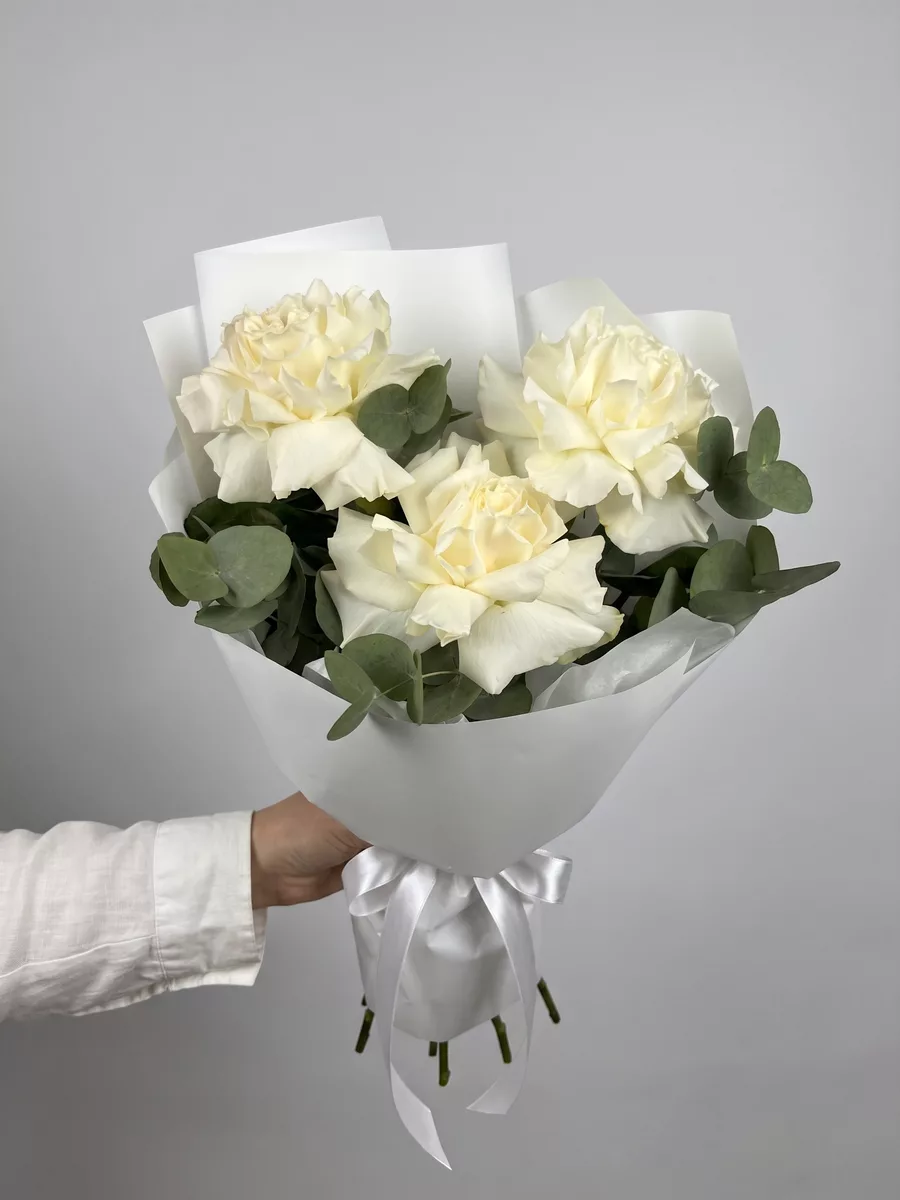
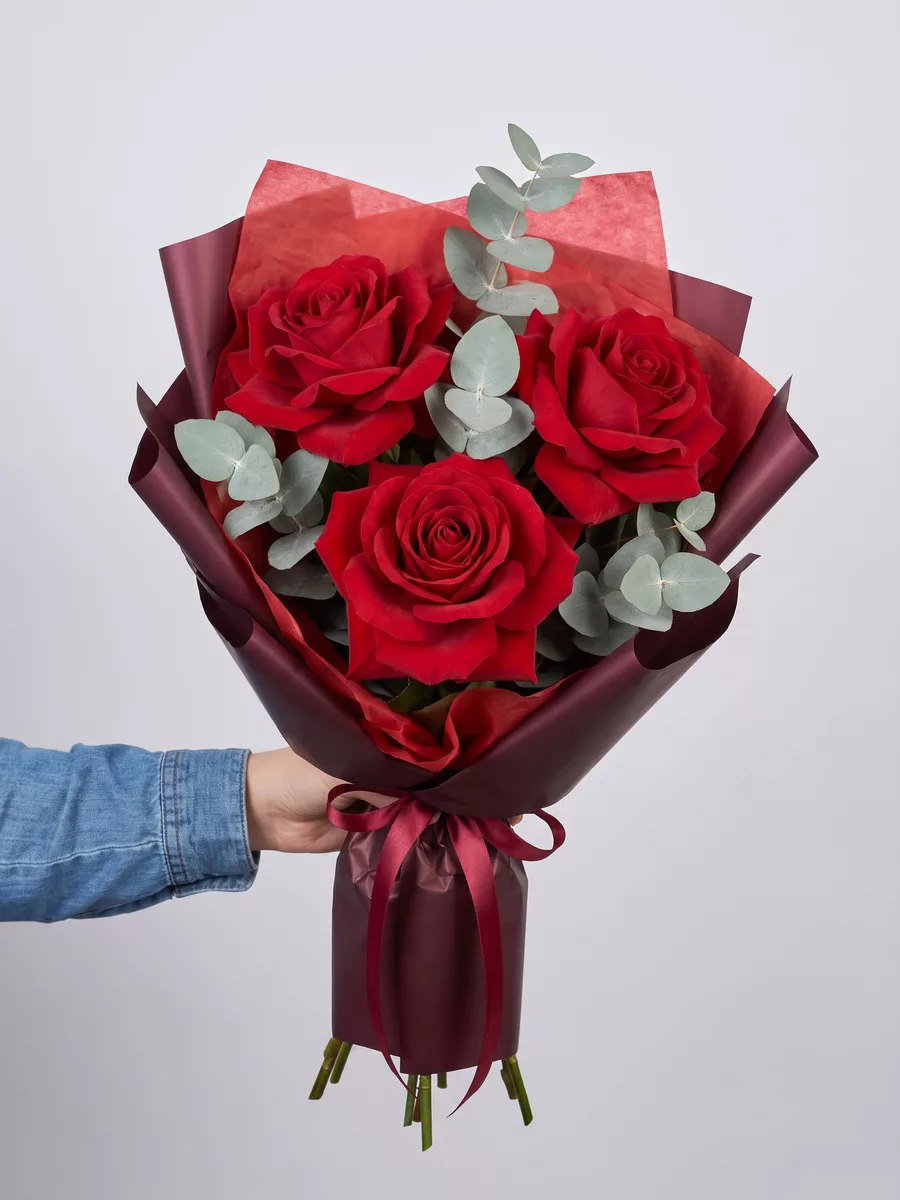
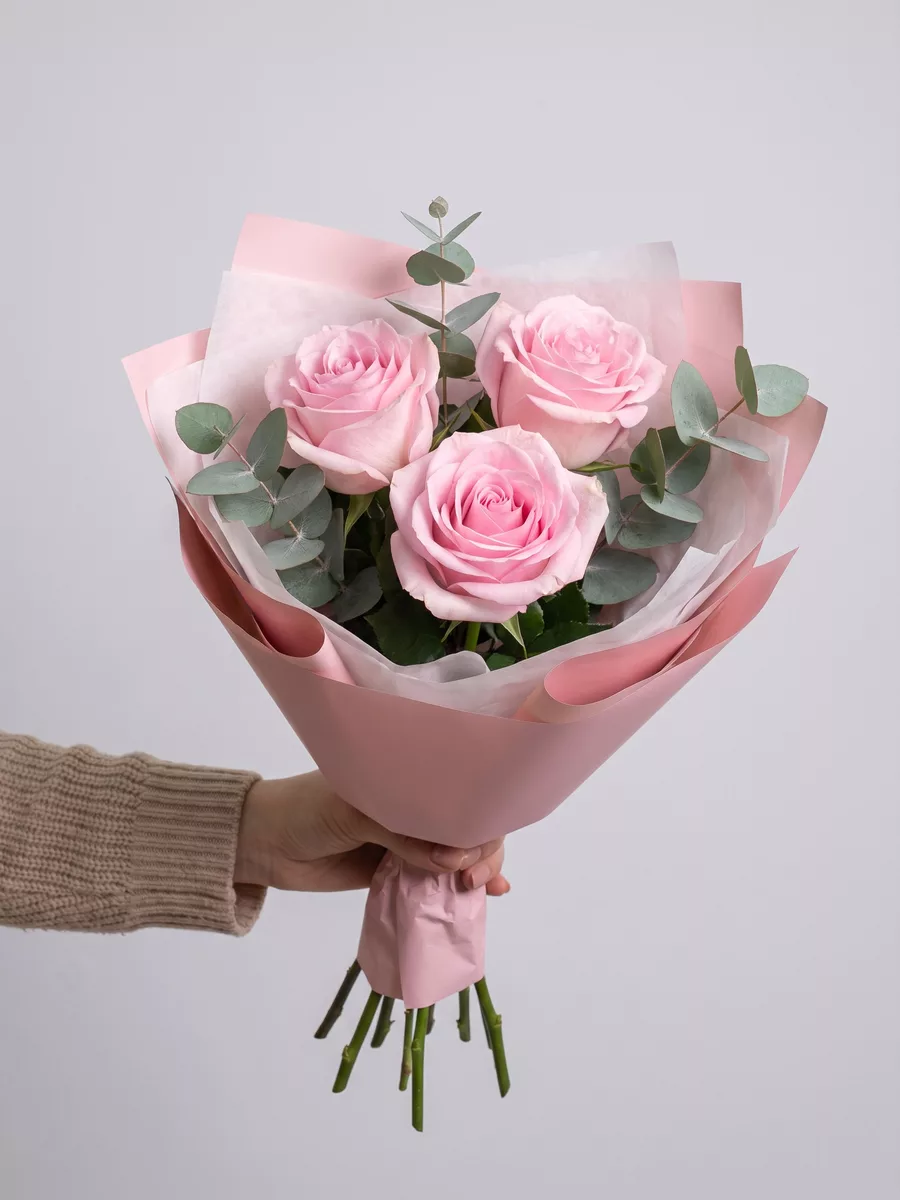
The Climate Factor: Why It Changes Everything You Order
Amursk has a sharply continental climate. Winters are long and cold, with temperatures regularly dropping below minus twenty Celsius from December through February. Summers are warm and humid, sometimes reaching thirty degrees or above in July. This range is not just background information — it directly shapes which flowers survive the journey from the assembly point to the recipient's hands.
In winter, delicate tropical flowers like anthuriums and open garden roses can suffer visible cold damage within minutes of being outside without proper insulation. Turboflora wraps cold-weather orders in thermal packaging, but the recipient should still open the bouquet promptly once it is indoors and not leave it near a cold window or unheated hallway. Chrysanthemums, spray roses, and alstroemeria handle cold far better than soft-petalled varieties and are genuinely good winter choices rather than a compromise.
In summer, the challenge reverses. Heat speeds up opening and shortens vase life noticeably. Flowers ordered for a midday delivery in July will open faster than the same arrangement sent in October. Ordering varieties that are naturally longer-lasting in warmth — such as lisianthus, statice, and solidago — adds days of beauty. Avoid ordering fully open peonies or garden roses for summer delivery if you want them to last more than a couple of days. Buds travel better and open beautifully in the recipient's home, which is actually a more satisfying experience than receiving something already past its peak.
Choosing by Occasion: Who Receives It and What They Will Feel
The most useful question when choosing a bouquet for Amursk — or anywhere — is not what flower you like but what the recipient will feel when they open the door. A colleague celebrating a promotion wants something that looks confident and a little celebratory. A grandmother on her birthday wants warmth and softness. A friend who just moved into a new apartment wants something that fills a room with colour and lasts long enough to feel like a real gift.
For romantic occasions, red and deep-pink roses remain the clearest signal in Russian floral culture, but a mono-bouquet of peonies in season or a combination of spray roses with eucalyptus reads as more considered and personal. Russians do appreciate classic gestures, but they also notice when someone has thought beyond the obvious. A bouquet of white lisianthus with pale-green pittosporum, for example, is elegant without being cold.
For birthdays, mixed seasonal arrangements with a clear colour story — all warm tones, or all soft pastels — tend to photograph well and feel generous without being overwhelming. In Russia, odd numbers of flowers are traditional for celebrations; even numbers are associated with different occasions. If you are not Russian and this is new information, simply trust the florist to count correctly. For children's occasions, sunflowers and bright gerberas create instant joy and are tough enough to survive enthusiastic handling. For a teacher or mentor, something structured and long-lasting like a mixed bouquet with chrysanthemums and freesias shows respect without being stiff.
Budget Ranges and What Each Level Buys You
Flower budgets in Russia tend to work across a few recognisable tiers, and understanding what each level delivers helps you choose without second-guessing. At the entry level, you are typically looking at a single-variety bouquet — a clean bunch of spray roses, alstroemeria, or chrysanthemums in one or two colours. These are not lesser flowers; they are simply unfussy, and a well-assembled mono-bouquet of good-quality stems can be genuinely striking.
The middle range opens up combination work. This is where a florist can pair a focal flower — a standard rose, a lisianthus, or a gerbera — with complementary fillers like waxflower, limonium, or ruscus. The result has depth and texture, and the arrangement holds its shape for longer because the supporting elements slow down how quickly the eye moves through the bouquet. This tier is the sweet spot for most birthday and celebration orders.
At the upper end, you move into premium focal flowers — Dutch garden roses, imported peonies in season, large-headed ranunculus, or orchid stems — combined with considered foliage and a presentation style that makes the packaging part of the gift. These bouquets photograph exceptionally well, which matters when the recipient will share the moment. They also last well if cared for correctly, making the higher spend feel justified over several days.
Whatever the budget, the single biggest factor in how a bouquet looks on arrival is freshness of the stems, not the variety. A well-cut alstroemeria delivered the same day will outlast an expensive rose cut three days ago.
Presentation and Packaging for Long-Distance Feeling
When you cannot be in the room when a bouquet is opened, the packaging does some of the emotional work for you. A bouquet that arrives wrapped carelessly, with stems exposed and water already dripped through the paper, creates a deflating first impression regardless of the flowers inside. Presentation is not vanity — it is part of the message.
Turboflora wraps bouquets in layered kraft paper or decorative sleeve packaging depending on the style of the arrangement. Structural bouquets — round, dome-shaped arrangements — travel best in sleeve wrapping that holds the shape. Loose, garden-style arrangements benefit from a softer wrap that lets the stems breathe without crushing the outer petals. In winter, an additional thermal layer is added before the outer wrap.
For gift situations, a small card is a detail that consistently matters more than people expect. In Russian culture, written words accompanying flowers carry real weight, and a short handwritten-style message from the sender feels personal in a way that a phone notification does not. When ordering, take thirty seconds to write something specific — not just "happy birthday" but something that tells the recipient why you thought of them today. That specificity is what people remember.
Ribbon, dried elements, and decorative accents can be added to most orders and are worth considering for milestone occasions. A single loop of velvet ribbon on a white peony bouquet, for example, shifts the register from everyday gift to something that feels considered and celebratory without adding significant cost.
Care After Delivery: Making the Bouquet Last
A bouquet arriving in Amursk in January has been through a temperature transition that even the best packaging only partially buffers. The first thing the recipient should do is let the flowers acclimatise at room temperature for fifteen to twenty minutes before unwrapping them fully. Cutting stems directly from cold air into warm water can cause a shock that shortens vase life. Patience at this stage pays off over the following week.
Once unwrapped, cut each stem at a forty-five-degree angle under running water or submerged in a basin — this removes the air bubble that forms at the cut end during transport and allows the stem to drink immediately. Use a clean vase with fresh, cool water and change the water every two days. Removing any leaves that fall below the waterline prevents bacterial growth that clouds the water and blocks stem uptake.
Keep the arrangement away from direct sunlight, radiators, and fruit bowls. Ripening fruit releases ethylene gas, which accelerates flower ageing noticeably — this is a common reason bouquets wilt faster than expected and is easy to avoid. In Amursk's dry-heated winter interiors, a light misting of the petals every morning helps slow dehydration without waterlogging the stems.
Alstroemeria, chrysanthemums, and lisianthus regularly last ten to fourteen days with basic care. Standard roses last five to eight days. Peonies are shorter — three to five days — but so intensely beautiful when open that most recipients consider the trade-off entirely worthwhile. Knowing the natural lifespan of what you are sending helps set the right expectation for the recipient.
Ordering Tips That Make the Experience Smoother
The single most useful thing you can do before placing a flower delivery order to Amursk is confirm the recipient's address down to the apartment number and entrance code. Couriers in Russian cities routinely encounter multi-entrance residential blocks where the wrong entrance adds ten minutes of searching. In winter, that delay is uncomfortable for the courier and potentially damaging for cold-sensitive flowers.
If you are sending a surprise, consider whether the recipient will actually be home. A bouquet left with a neighbour or building manager is common practice in Russia and generally accepted, but it is worth noting in the order comments if you are comfortable with that option or if you prefer the courier to call ahead. Some recipients prefer to be called regardless — others specifically want the surprise. Being clear in the order notes removes ambiguity.
For recurring occasions — a partner's monthly anniversary, a parent's birthday that falls on the same date each year — placing the order a day in advance rather than the morning of the occasion gives more flexibility on timing and variety availability. Popular flowers like peonies and garden roses in season sell quickly, and early ordering means you get the best stems rather than what remains.
Finally, if you are ordering from a different time zone — Moscow is seven hours behind Amursk — check the local Amursk time before selecting a delivery slot. An order placed at nine in the morning Moscow time lands at four in the afternoon in Amursk, which is still a perfectly good delivery window but worth knowing if you intended a morning arrival. Time zone awareness prevents the most common scheduling confusion for senders based in European Russia.
Sending flowers to Amursk is less complicated than the distance might suggest, and the effect on the person who receives them is the same as it would be anywhere — a moment of being genuinely seen and thought of. The climate adds a layer of practical consideration, the delivery logistics require a little attention to detail, and the care instructions are worth passing along, but none of it is beyond a five-minute investment of thought. The flowers do the rest.
Frequently asked questions
Can flowers really be delivered to Amursk within two hours?
Yes, for most central Amursk addresses during operating hours. The bouquet is assembled fresh and dispatched directly. Orders placed with clear address details and a confirmed recipient at home move fastest. Outlying areas may take slightly longer, but the two-hour window covers the majority of the city without difficulty.
Which flowers hold up best in Amursk's cold winters?
Chrysanthemums, spray roses, alstroemeria, and lisianthus are genuinely cold-tolerant and arrive well even in deep winter. Soft tropical varieties and fully open large roses are more vulnerable. Turboflora uses thermal packaging for winter orders, but choosing hardier varieties adds an extra layer of insurance for the recipient's experience.
Is it rude to send an even number of flowers in Russia?
Even numbers of flowers are traditionally associated with mourning occasions in Russian culture, so celebration bouquets are assembled in odd numbers. If you order through Turboflora without specifying, the florist will count correctly by default. It is not something you need to calculate yourself — just a useful piece of cultural context to be aware of.
What if the recipient is not home when the courier arrives?
The courier will call ahead if a phone number is provided. If the recipient is unavailable, the bouquet can be left with a neighbour or building manager in most cases — a common and accepted practice in Russian residential buildings. Note your preference in the order comments so the courier knows how to proceed without waiting.
How far in advance should I order for a specific delivery time in Amursk?
For a precise time slot, ordering at least three to four hours ahead is ideal. Same-day orders placed in the morning have the most flexibility. If you are based in Moscow or western Russia, remember that Amursk is seven hours ahead — factor that in when selecting a delivery window so the bouquet arrives at the time you actually intend.
Ready to send flowers?
Pick the city, choose the bouquet, and a local florist takes it from there.
Choose a city →