Sending Flowers to Anzhero-Sudzhensk? Here Is What to Expect
Anzhero-Sudzhensk sits in the Kemerovo region of western Siberia, and if you have someone there worth surprising — a mother, a partner, a colleague marking a milestone — the distance between you and them does not have to feel like a barrier. Fresh flowers can arrive at their door within hours, chosen with care and packed to survive the journey in good shape. This article walks you through everything that shapes a delivery here: the geography, the seasons, the right flowers for the climate, and the small details that turn a good bouquet into a genuinely memorable one.
Where Anzhero-Sudzhensk Sits and Why It Matters for Delivery
Anzhero-Sudzhensk is a city of roughly 70,000 people in the northern part of the Kemerovo region, about 100 kilometres north of Kemerovo city itself. It developed as a coal-mining centre in the early twentieth century and retains a compact, working-class character with distinct residential districts spread across a modest area. Understanding the layout matters because it affects how a courier plans a route and how quickly a bouquet reaches a specific address.
The city is divided into several named neighbourhoods, including the central part near Lenin Street, the Tikhiy district, and residential areas further from the core. Streets in older sections can be less predictable in terms of numbering, so a precise address — building number, apartment number, and an active phone for the recipient — makes the difference between a smooth handover and a delayed one.
Road conditions in Anzhero-Sudzhensk follow the Siberian pattern: winters bring compacted snow and ice from November through March, which slows vehicle movement even on main roads. Summer and early autumn are the most reliable seasons for fast delivery. Spring, especially April, brings the thaw period when some secondary roads become soft. Knowing this helps you set realistic expectations: a bouquet ordered in January may take slightly longer than the same order placed in July, and choosing a delivery window in the morning or early afternoon reduces the chance of running into evening traffic near the city centre.
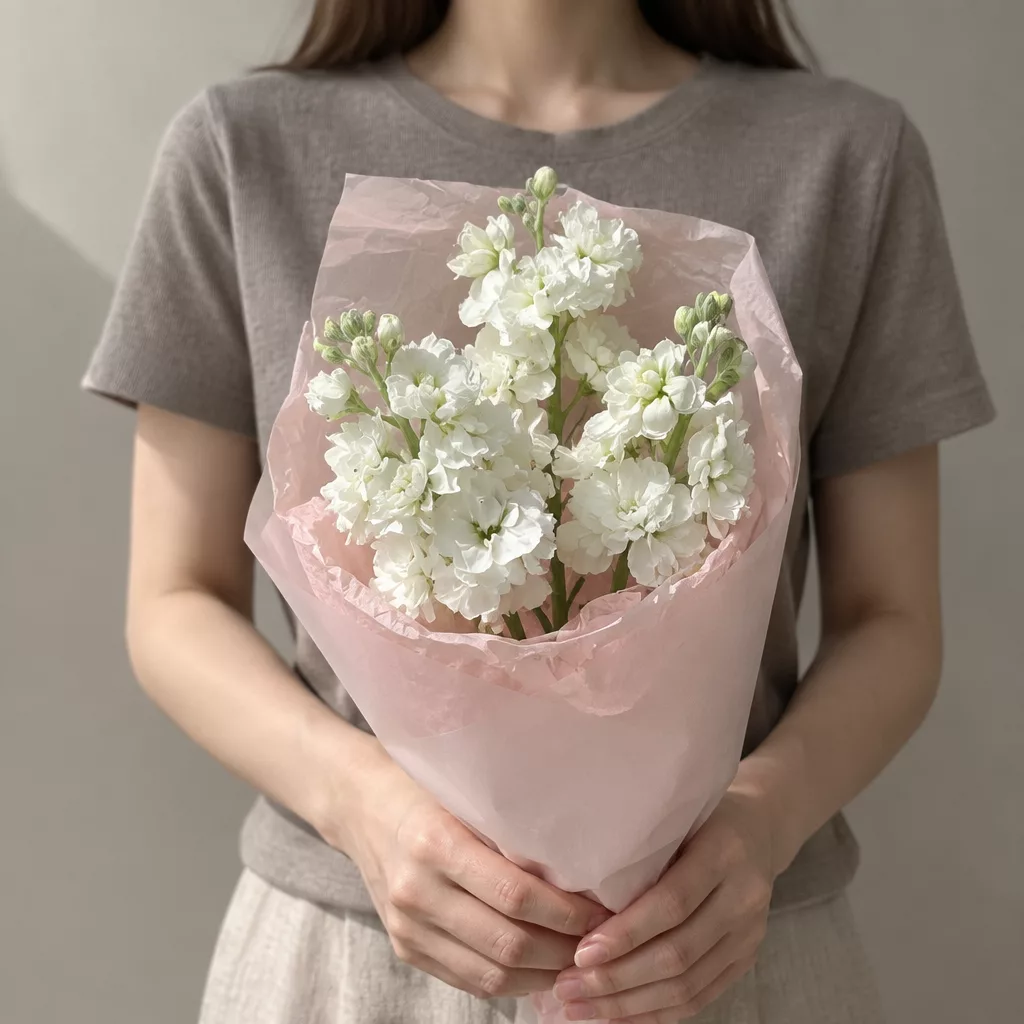
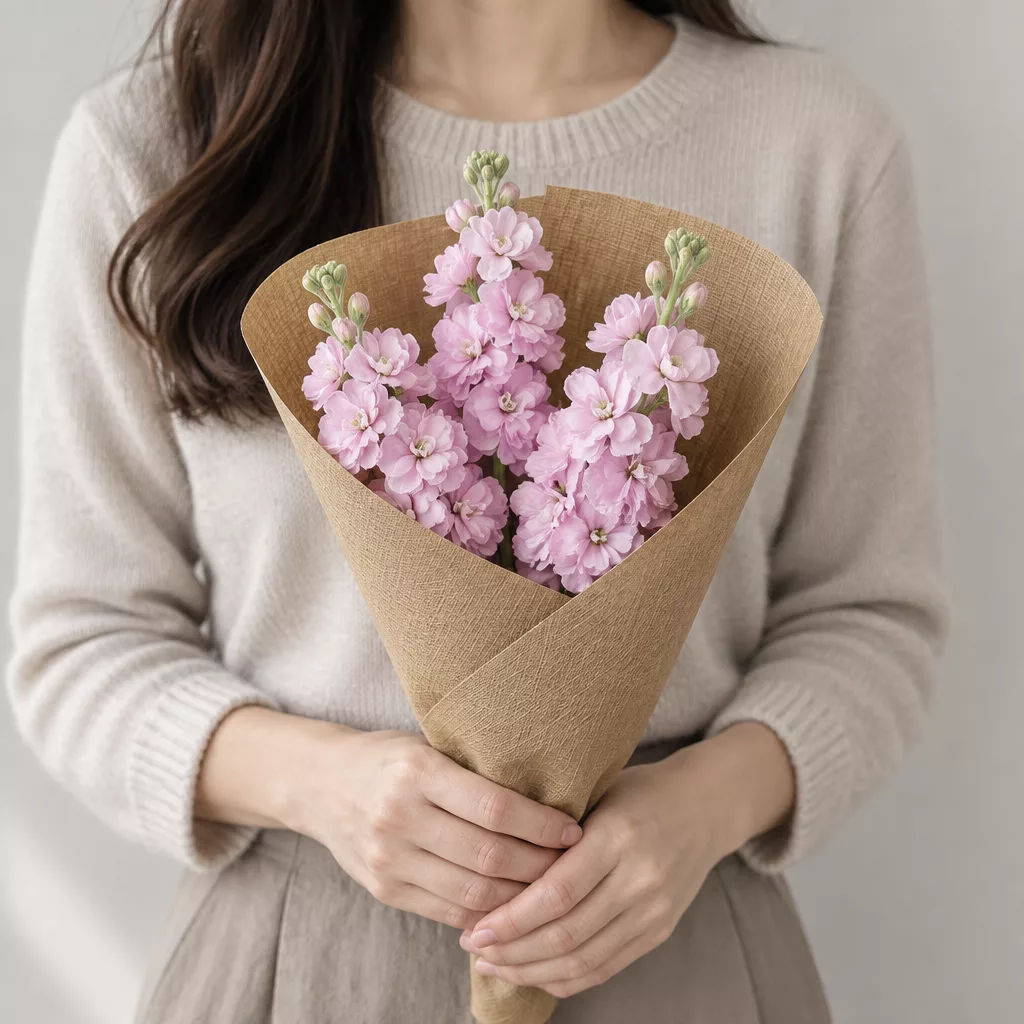
Bouquets we can deliver


Timing Your Order: Morning, Afternoon or Same Day
One of the most common questions from people ordering flowers to a Siberian city for the first time is whether same-day delivery is genuinely possible. The answer is yes, but timing the order well makes it far more reliable. Orders placed before noon local Kemerovo time give the widest choice of available flowers and the most comfortable delivery window. Orders placed in the afternoon can still reach the recipient the same day, but the selection of premium stems — long-stemmed roses, peonies in season, certain orchid varieties — may be more limited.
Anzhero-Sudzhensk is in the same time zone as Kemerovo, which is UTC+7. If you are ordering from Moscow, that is four hours ahead of you, so what feels like a midday decision on your end is already mid-afternoon locally. Keeping that time difference in mind is especially important for birthday deliveries or surprise arrivals tied to a specific moment in the day.
For celebrations where timing is part of the gesture — a bouquet waiting when someone wakes up, or flowers arriving just before a dinner — pre-ordering the evening before is always the smarter choice. You can specify a delivery window, and the florist can prepare the arrangement at the right moment so stems are fresh when they arrive. Roses, for instance, should ideally be cut and conditioned no more than a few hours before delivery in warm weather, and pre-ordering allows exactly that kind of preparation rather than a bouquet sitting in transit too long.
Choosing Flowers for a Siberian Climate and Recipient
Siberian winters are genuinely cold, and that affects which flowers travel best. At minus 15 to minus 25 degrees Celsius — common in Anzhero-Sudzhensk from December through February — delicate tropical blooms suffer quickly in unheated spaces. Thin-petalled flowers like anemones or sweet peas are vulnerable to frost damage even during a short walk from a courier's car to a front door. Roses, chrysanthemums, alstroemerias, and spray carnations handle cold better and arrive looking presentable.
In summer, the challenge reverses. July temperatures in the Kemerovo region can reach 28 to 30 degrees Celsius, and direct sunlight wilts unprotected bouquets fast. Flowers should be wrapped properly and kept out of a hot car boot. Sunflowers, echinacea, and lisianthus are good warm-season choices that hold up well in heat and feel right for the relaxed mood of a Siberian summer.
Beyond climate, think about the person receiving the flowers. In Russia, odd numbers of flowers in a bouquet are the standard for celebratory occasions — one, three, five, seven, eleven. Even numbers are traditionally reserved for mourning contexts, so a bouquet of twelve roses, while common in some Western countries, would feel unusual here. A working florist will always compose an odd count automatically, but if you are customising your order, keep this in mind. Red roses carry a romantic message almost universally; white and cream tones read as elegant and respectful for a teacher, a colleague, or a parent.
Occasions That Call for Flowers in Anzhero-Sudzhensk
Birthdays are the single most common reason people send flowers across Russia, and Anzhero-Sudzhensk is no different. A birthday bouquet here tends to be generous rather than minimal — Russians generally associate volume and colour with warmth and sincerity. A tight cluster of five stems feels understated; fifteen mixed flowers or a lush mono-bouquet of roses reads as genuinely celebratory. If you are unsure of the recipient's preferences, a mix of roses and alstroemerias in warm tones is a reliable, crowd-pleasing combination.
Teacher's Day falls on 5 October and is taken seriously across Russia. Chrysanthemums are the traditional flower for this occasion — they bloom naturally in autumn and have been associated with the holiday for decades. A bouquet of white or yellow chrysanthemums with a few stems of solidago or seasonal greenery is the kind of thing a teacher in Anzhero-Sudzhensk will recognise immediately as thoughtful rather than generic.
Anniversaries and romantic occasions call for roses, and in Russia the gesture tends toward the bold. Long-stemmed red or deep burgundy roses in quantities of eleven, nineteen, or twenty-five are popular choices for partners. If the relationship is newer or more playful, a mixed bouquet with garden roses, eucalyptus, and a touch of waxflower feels modern and personal without being overwhelming. Women's Day on 8 March is the busiest single day for flower delivery across the country — ordering two to three days ahead for that date is not overcautious, it is simply necessary.
How Bouquets Are Packed for Long-Distance and Cold-Weather Delivery
Packaging is the part of flower delivery that most people never see but that determines whether a bouquet arrives looking like the photo or like something that spent an hour in a bag. For deliveries to Anzhero-Sudzhensk, the wrapping has to account for both the journey and the local conditions at the moment of arrival.
In cold months, flowers are wrapped in several layers: an inner sleeve of soft kraft or tissue paper to protect petals from direct contact with cold surfaces, then an outer layer of insulating wrap or a thermal sleeve that buffers the stems against temperature shock. A bouquet moved from a warm preparation space to a cold vehicle and then into a heated apartment goes through rapid temperature changes, and good packaging slows that transition enough to prevent petal browning or wilting.
The water supply for stems during transit matters too. Cut flowers lose moisture through their petals continuously. For journeys of more than an hour, stems should be kept in a water-retaining medium — a small water capsule attached to the base of the stems is a standard professional solution. Roses are particularly sensitive to dehydration; a rose that has been out of water for two hours in a dry heated interior will already show slight softening at the outer petals.
Presentation wrapping — the decorative outer layer the recipient sees — is added last and should be breathable rather than airtight. Cellophane sealed completely around a bouquet traps humidity and accelerates bacterial growth in the water at the stem ends. A florist who knows their craft leaves the top open or uses a wrap that allows air circulation.
Vase Life and Care Once the Flowers Arrive
A bouquet is only as good as the care it receives after delivery, and passing along a few simple instructions — either on a card or by message — can double the time the flowers look their best. Most people in Russia are familiar with basic flower care, but if the recipient is younger or simply not used to receiving bouquets regularly, a gentle note makes a real difference.
The first step is always a fresh cut. Stems should be trimmed at an angle — about two centimetres from the bottom — using a clean knife or scissors, ideally under running water or while the stem is submerged. This prevents an air bubble from forming at the cut end and blocking water uptake. Roses, in particular, seal quickly after cutting and benefit from this step done immediately on arrival.
The vase should be clean and filled with cool, not cold, water. Lukewarm water actually moves up stems faster, which is useful for roses that have arrived slightly soft. Remove any leaves that would sit below the waterline — they decompose quickly and cloud the water with bacteria that shortens vase life significantly. Change the water every two days and re-trim the stems each time.
Keep the bouquet away from direct sunlight, radiators, and fruit bowls. Ripening fruit releases ethylene gas, which accelerates ageing in flowers — roses and tulips are especially sensitive to it. In a cool room away from heat sources, a well-conditioned rose bouquet should last seven to ten days. Chrysanthemums and alstroemerias are even more durable, often reaching twelve to fourteen days with basic care.
Making the Order Go Smoothly: Practical Details
The single most useful thing you can do when ordering flowers for delivery to Anzhero-Sudzhensk is provide a complete and verified address. This means the street name spelled correctly in Russian if possible, the building number, the apartment or office number, the entrance number if the building has multiple entrances, and the floor. In older Soviet-era apartment blocks — common in Anzhero-Sudzhensk — entrance numbers and intercom codes matter enormously. A courier who cannot reach the recipient and cannot get past the entrance door will have to reschedule, which defeats the purpose of a surprise.
A working phone number for the recipient is equally important. Couriers call ahead to confirm they are nearby and to coordinate the handover, especially in buildings without a doorman. If the delivery is meant to be a surprise, some customers ask a trusted person — a neighbour or family member — to be the contact without spoiling the moment. This is a reasonable workaround and florists are used to accommodating it.
If you are adding a card or a personal message, write it in the language the recipient reads comfortably. A message in English to someone who reads only Russian will land flat. Most order forms allow you to type the message in Russian using a Latin keyboard phonetically, and the florist will transcribe it, but confirming this option when ordering avoids confusion.
Finally, double-check the delivery date. Orders placed close to midnight can default to the following day depending on the system settings. If the date matters — a birthday morning delivery, for instance — confirm the exact date in the order notes and look for an acknowledgement from the shop.
Sending flowers to Anzhero-Sudzhensk from anywhere in Russia is a straightforward process once you understand the practical side of it: the city's layout, the seasonal weather, which flowers travel well in the cold, and what care instructions help the bouquet last. The gesture itself — a fresh arrangement arriving at someone's door in a Siberian city — carries more warmth precisely because of the distance involved. Get the address right, order with enough lead time for the occasion, choose flowers suited to the season, and the rest takes care of itself.
Frequently asked questions
Can flowers really be delivered to Anzhero-Sudzhensk on the same day I order?
Yes, same-day delivery is available when orders are placed in the morning local time. Orders submitted before noon give the best chance of a same-day arrival with the widest selection. Afternoon orders can still be fulfilled the same day, though premium flower varieties may be limited by that point. For time-sensitive occasions, ordering the evening before is the safest approach.
Which flowers hold up best during delivery in Siberian winter temperatures?
Roses, chrysanthemums, alstroemerias, and spray carnations are the most reliable choices in cold weather. They tolerate temperature fluctuations during transit better than thin-petalled varieties like anemones or sweet peas. Proper insulating packaging also plays a major role — flowers are wrapped in thermal layers to buffer them against the cold between the courier vehicle and the recipient's door.
Is it true that flower count matters in Russia?
Yes, this is a genuine custom. Bouquets for celebrations should contain an odd number of stems — one, three, five, seven, eleven, and so on. Even numbers are traditionally associated with mourning occasions. A professional florist will automatically compose an odd count, but if you are customising the order manually, it is worth keeping this in mind to avoid an unintentionally awkward impression.
What should I do if the recipient is not home at the time of delivery?
The courier will call the recipient's phone number before arriving to coordinate the handover. If there is no answer and no access to the building, the delivery will need to be rescheduled. To avoid this, provide a reliable phone number and consider specifying a delivery window when the recipient is likely to be available. For surprises, a trusted neighbour or family member can serve as the on-site contact.
How long will a delivered bouquet stay fresh in Anzhero-Sudzhensk?
With basic care — fresh water, a clean vase, trimmed stems, and a cool location away from sunlight and radiators — roses typically last seven to ten days. Chrysanthemums and alstroemerias can reach twelve to fourteen days. The key steps are re-trimming stems every two days, changing the water regularly, and keeping the bouquet away from fruit, which releases ethylene gas that shortens flower life.
Ready to send flowers?
Pick the city, choose the bouquet, and a local florist takes it from there.
Choose a city →