Sending Flowers to Aramil: Timing, Freshness and What to Expect
Aramil sits close enough to Yekaterinburg that most people assume any city florist will reach it without a second thought — and close enough to the Ural countryside that the roads, the temperatures and the logistics tell a different story. Whether you are sending roses to a colleague, peonies to a mother on her birthday, or a bright spring arrangement to someone who just moved into a new flat, the details of how the bouquet travels matter as much as what goes inside it. This guide walks you through exactly what delivery to Aramil looks like, what the flowers experience on the way, and how to make sure the person opening the door feels the full warmth of what you sent.
Where Aramil Sits and Why That Changes the Delivery Picture
Aramil is a small town in Sverdlovsk Oblast, positioned just south of Yekaterinburg along the Iset River. Its location means it is reachable from the regional hub relatively quickly, but it is not the same as ordering within a city centre. The final stretch of road into Aramil can slow a courier during peak hours, and the town's residential layout — a mix of low-rise apartment blocks and private houses — means addresses sometimes need a second look to locate precisely.
For anyone placing an order from Moscow, Saint Petersburg or another city far away, this geography is worth understanding. You are not sending flowers across town; you are sending them across a meaningful distance into a quieter, more residential environment. That affects how we time the dispatch, how we package the stems, and how we communicate with the recipient.
Aramil residents themselves often order for occasions that feel very local: name days, school graduations, anniversaries tied to factory or municipal work calendars. Russian name days, called imeniny, are celebrated similarly to birthdays and are a genuinely common reason to send flowers. If you are ordering from abroad and are unsure whether a name day or a birthday is the occasion, it does not change the bouquet choice much — the warmth of the gesture is the same. What matters is that the flowers arrive looking as though they were assembled an hour ago, not the day before.
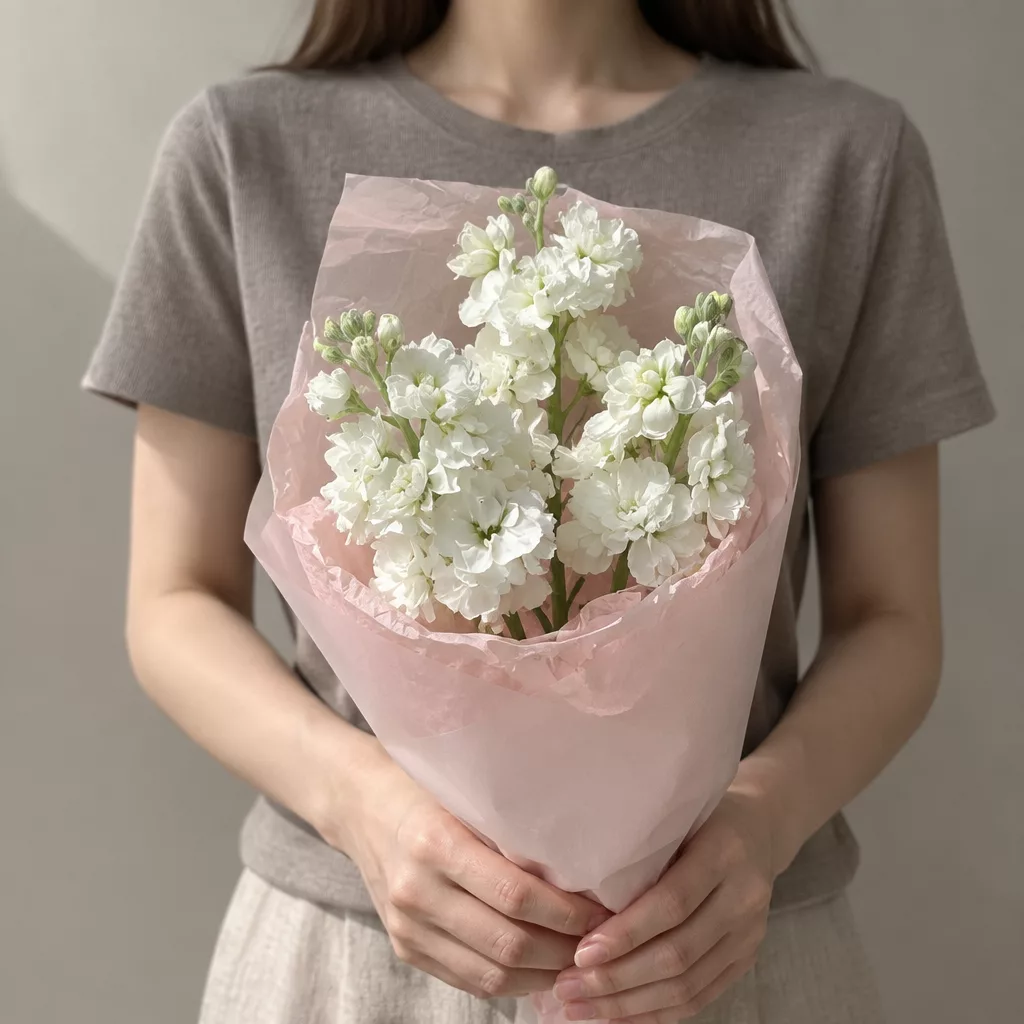
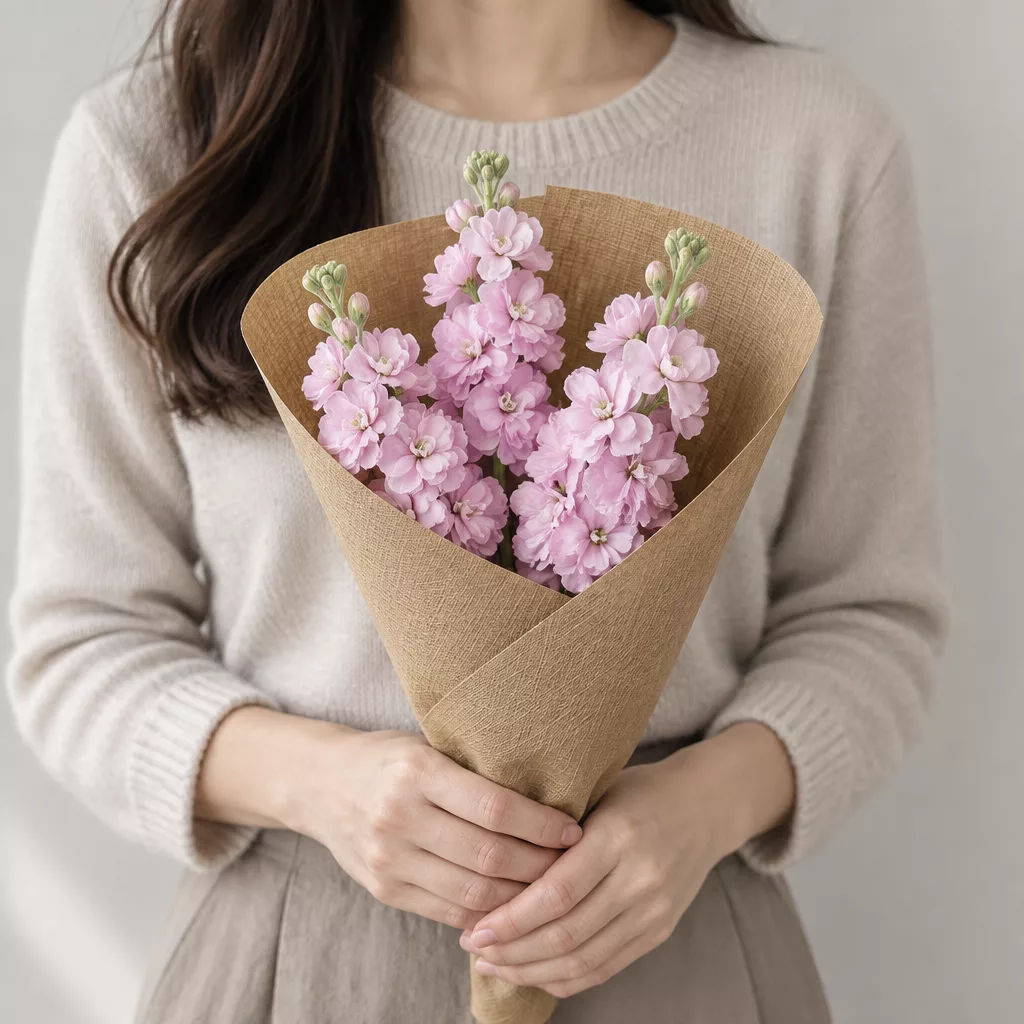
Bouquets we can deliver


Realistic Timing: What One to Two Hours Actually Means Here
Turboflora's standard delivery window of one to two hours applies within the core service area. For Aramil, the honest answer is that delivery typically falls in the upper part of that range or slightly beyond, depending on the time of day and the season. Morning orders placed before noon tend to move fastest. Orders placed during the evening rush on a weekday, or during heavy snowfall in January or February, will take longer, and we will always tell you that upfront rather than let you find out when the flowers are already on the road.
The Ural region experiences genuine winter — temperatures in Aramil regularly drop to minus fifteen or minus twenty degrees Celsius between December and February. This is not a minor detail for flowers. Roses, tulips and ranunculus are sensitive to sudden cold, and even a few minutes of exposure in an unheated vehicle can cause petal burn, which shows as translucent or bruised edges. Our couriers use insulated packaging during cold months, and we adjust stem conditioning before dispatch to give the flowers the best chance of arriving in full colour.
In summer, the risk flips: heat above twenty-five degrees Celsius can cause premature opening, especially in sunflowers and garden roses. We chill the flowers before packing and keep transit time as short as possible. Telling us the delivery address clearly — including the entrance number and flat number for apartment buildings — shaves real minutes off the final approach and makes a tangible difference to condition on arrival.
Choosing Flowers for the Person, Not Just the Occasion
The best starting point when ordering for someone in Aramil — or anywhere — is to think about the recipient before you think about the flower. A retired teacher who tends her own garden will notice and appreciate a bouquet that looks like it came from a considered hand: spray roses mixed with eucalyptus, perhaps some lisianthus for texture, kept in a soft palette of blush and cream. A young woman celebrating a promotion might love something bolder — red or coral gerberas, bright tulips in spring, or a tight cluster of garden roses in deep burgundy.
Russian flower-giving culture tends toward generous, full-looking bouquets rather than spare, minimalist arrangements. Odd numbers of stems are traditional for celebratory occasions — five, seven, nine or eleven stems rather than six or ten. If you are unfamiliar with this custom, it is simply worth knowing so that your order feels locally appropriate. Even numbers are traditionally associated with mourning, so a bouquet of seven roses will land differently than one of six, even if the colours are identical.
For children's events — a school performance, a first day at a new class, a birthday party — chrysanthemums and brightly coloured gerberas are practical choices. They are sturdy, they travel well, and they do not intimidate a child the way a formal rose bouquet might. Alstroemeria is another excellent option for younger recipients: it lasts well over a week in a vase with minimal care and comes in cheerful yellows, pinks and purples that feel genuinely festive rather than ceremonial.
Bouquets by Budget: Getting the Most From Every Price Point
Rather than listing numbers, it is more useful to think in terms of what each budget level can realistically achieve in terms of volume, variety and visual impact. At the entry level, a single-variety bouquet done well — seven or nine stems of a quality tulip or a spray rose, wrapped cleanly with quality paper and ribbon — is a genuinely lovely gesture. The key is that a smaller bouquet should be tight and intentional, not sparse. One type of flower, one colour, presented with care, reads as thoughtful rather than budget-constrained.
In the middle range, you can begin combining two or three elements: a focal flower like a garden rose or a peony in season, a secondary flower like lisianthus or ranunculus to add texture, and a foliage accent such as ruscus or eucalyptus to give the arrangement depth. This is where most bouquets live, and it is where the florist's eye for proportion matters most. A well-balanced mid-range bouquet will look fuller and more expensive than its price suggests if the stems are chosen to complement rather than compete.
At the upper end, you can work with premium varieties — David Austin roses, peonies at the height of their season in May and June, or imported Dutch tulips in unusual colours — and add structural elements like branches of ornamental cherry or curly willow. These bouquets photograph beautifully, which matters when the gift is partly about the moment of receiving it and the memory that follows. For milestone birthdays or significant anniversaries, investing in this tier makes the arrival feel like a genuine event.
What Happens Between the Shop and the Front Door
Understanding the journey a bouquet takes helps you set the right expectations and ask the right questions when you order. After assembly, the stems are conditioned in water for a period that varies by flower type — roses typically need several hours of hydration before they travel well, while tulips and gerberas are more forgiving. The bouquet is then wrapped and packaged according to the season and the distance.
For Aramil deliveries, we account for the road time explicitly in our scheduling. The courier carries the bouquet upright where possible, which matters more than it sounds: flowers that travel on their side for extended periods can shift inside the packaging and arrive with bent stems or crushed petals. Our drivers are briefed on this, and the packaging is designed to hold the arrangement stable through turns and stops.
On arrival, the courier will contact the recipient before approaching, which is standard practice in Russia for residential deliveries. If no one answers, we will reach out to the person who placed the order to decide next steps — we do not leave flowers unattended outside a door in cold or hot weather, because even thirty minutes of exposure can damage them significantly. This is especially important in Aramil's winters. If you are ordering as a surprise, it helps to let us know the recipient's phone number and to give us a rough sense of when they are likely to be home, so we can time the arrival to coincide with their presence rather than their absence.
Keeping the Bouquet Beautiful: Care After Delivery
The care a bouquet receives in the first hour after arrival determines how long it will look its best. This is worth communicating to the recipient, especially if they are not accustomed to receiving fresh flowers regularly. The first step is always to trim the stems — a diagonal cut of about two centimetres under running water, using a sharp knife rather than scissors, which can crush the stem tissue and reduce water uptake. Then place the bouquet in a clean vase with fresh, cool water and no additives unless a flower food sachet was included with the order.
Keep the arrangement away from direct sunlight, radiators and fruit bowls. This last point surprises people: ripening fruit releases ethylene gas, which accelerates the aging of cut flowers noticeably. A vase of roses placed next to a bowl of apples on the kitchen counter will fade days earlier than the same roses kept in a cooler, shadier spot.
Change the water every two days and re-trim the stems each time. This simple routine extends vase life significantly. Roses and lisianthus typically last seven to ten days with good care. Tulips are shorter-lived at five to seven days but continue to move and open in the vase in a way that many people find charming. Alstroemeria and chrysanthemums are the longest-lasting choices, often staying fresh for ten to fourteen days. If you want to give the recipient a flower that will still be beautiful a fortnight after delivery, alstroemeria is the most reliable option across all seasons.
Making the Order Feel Personal Across the Distance
One of the most common things people worry about when ordering flowers for someone far away is whether the gift will feel impersonal — a transaction rather than a gesture. The answer is almost always in the details you add rather than the size of the bouquet. A handwritten card message, even a short one, transforms the experience of receiving flowers. In Russian culture, written greetings carry real weight, and a card that names the recipient and says something specific — not just 'happy birthday' but something that references a shared memory or a genuine quality of the person — is remembered long after the flowers have faded.
When you place your order, tell us what you know about the recipient. Their favourite colour, a flower they have mentioned loving, whether they prefer something classic and elegant or wild and garden-like. This information shapes the assembly in ways that are hard to specify in a dropdown menu but easy to act on when a florist is standing at the bench deciding between two shades of pink or choosing between a tight bud and a more open bloom.
For recipients who live alone, a bouquet that arrives on an ordinary Tuesday — not a birthday, not a holiday, just because — tends to have an outsized emotional effect. The unexpectedness of it is part of the gift. If you are ordering from abroad and the time difference makes communication tricky, leaving a detailed note with your order ensures that the florist can make good decisions on your behalf without needing to reach you for clarification. The more context you give, the more the bouquet will feel like it came from someone who knows the recipient well — because, through you, it did.
Aramil is not a difficult destination — it simply rewards a little more thought than a same-city order. When you account for the season, give us a precise address, share something about the person you are sending to, and leave room in the timing for a careful delivery, the result is a bouquet that arrives looking genuinely fresh and feeling genuinely personal. That combination — the physical quality of the flowers and the sense that someone took care — is what makes the gesture land the way you hoped it would.
Frequently asked questions
Can I order flower delivery to Aramil on the same day?
Yes, same-day delivery to Aramil is available for orders placed with enough lead time to account for the distance. Morning orders are the most reliable. For afternoon or evening delivery, place your order at least two to three hours before your preferred arrival window and include a precise address with entrance and flat number to avoid delays on the final approach.
What flowers travel best to Aramil in winter?
Chrysanthemums, alstroemeria and spray roses handle cold transit better than open, delicate blooms. We insulate all winter deliveries, but if temperatures are below minus ten Celsius, choosing sturdier varieties reduces the risk of petal damage. Avoid requesting fully open garden roses or ranunculus for very cold days — tight buds travel more safely and open beautifully once indoors.
Do I need to be present to receive the delivery?
The courier will call ahead before arriving. If the recipient is unavailable, we contact the person who placed the order to decide next steps. We do not leave flowers unattended outdoors in extreme temperatures. Providing the recipient's phone number and a rough sense of when they will be home helps us time the arrival well, especially for surprise deliveries.
Why do Russian bouquets traditionally have an odd number of stems?
In Russian tradition, even numbers of flowers are associated with mourning and are brought to cemeteries or funerals. Odd numbers — five, seven, nine, eleven — are used for celebrations and gifts. This custom is widely observed across generations, so an odd-stem bouquet will feel locally appropriate and considerate, even if the recipient never explains the reason to you.
How long will the bouquet last after delivery to Aramil?
With basic care — fresh water, trimmed stems, a cool spot away from sunlight and fruit — most bouquets last seven to ten days. Alstroemeria and chrysanthemums can reach fourteen days. Tulips are shorter at five to seven days but continue to open and move in the vase. Sharing these care tips with the recipient when you send the order confirmation helps them get the full vase life from the flowers.
Ready to send flowers?
Pick the city, choose the bouquet, and a local florist takes it from there.
Choose a city →