Sending Flowers to Azov: Timing, Choices and What Arrives at the Door
Azov sits on the Don River delta, warm in summer and surprisingly cold by December, and both extremes matter when you are sending flowers from a distance. Whether you are surprising a mother on her birthday, congratulating a colleague on a promotion, or simply telling someone you are thinking of them, the bouquet that arrives should feel as considered as the gesture itself. This guide walks you through what delivery to Azov actually looks like, which flowers travel and last best in this climate, and how to make the whole experience feel effortless for both you and the person receiving it.
What the Delivery Zone Around Azov Actually Covers
Azov is a compact city of around 80,000 people in the Rostov Oblast, positioned about 35 kilometres southwest of Rostov-on-Don. The central districts, including the historic area near the Azov Fortress, the riverside neighbourhoods along the Don, and the newer residential quarters to the east, are all within the standard delivery zone. Addresses in Azov itself are straightforward to reach, and couriers familiar with the city know that the road grid can be slower near the market area on weekday mornings, so morning orders placed before 10:00 tend to move more smoothly than those placed right at lunchtime rush. Surrounding settlements — villages and suburban communities within roughly 10 to 15 kilometres of the city centre — can also be covered, but it is worth specifying the full address including any building entrance number, since rural addressing in the Rostov Oblast sometimes omits details that matter for a courier. If the recipient lives in a gated residential complex, leaving a contact phone number in the order comments is genuinely helpful. Azov is not a large city, which is an advantage: once a courier is on the road, travel time within the city itself rarely exceeds 20 minutes. That compactness means the bouquet you order arrives looking very close to how it left the florist's hands.
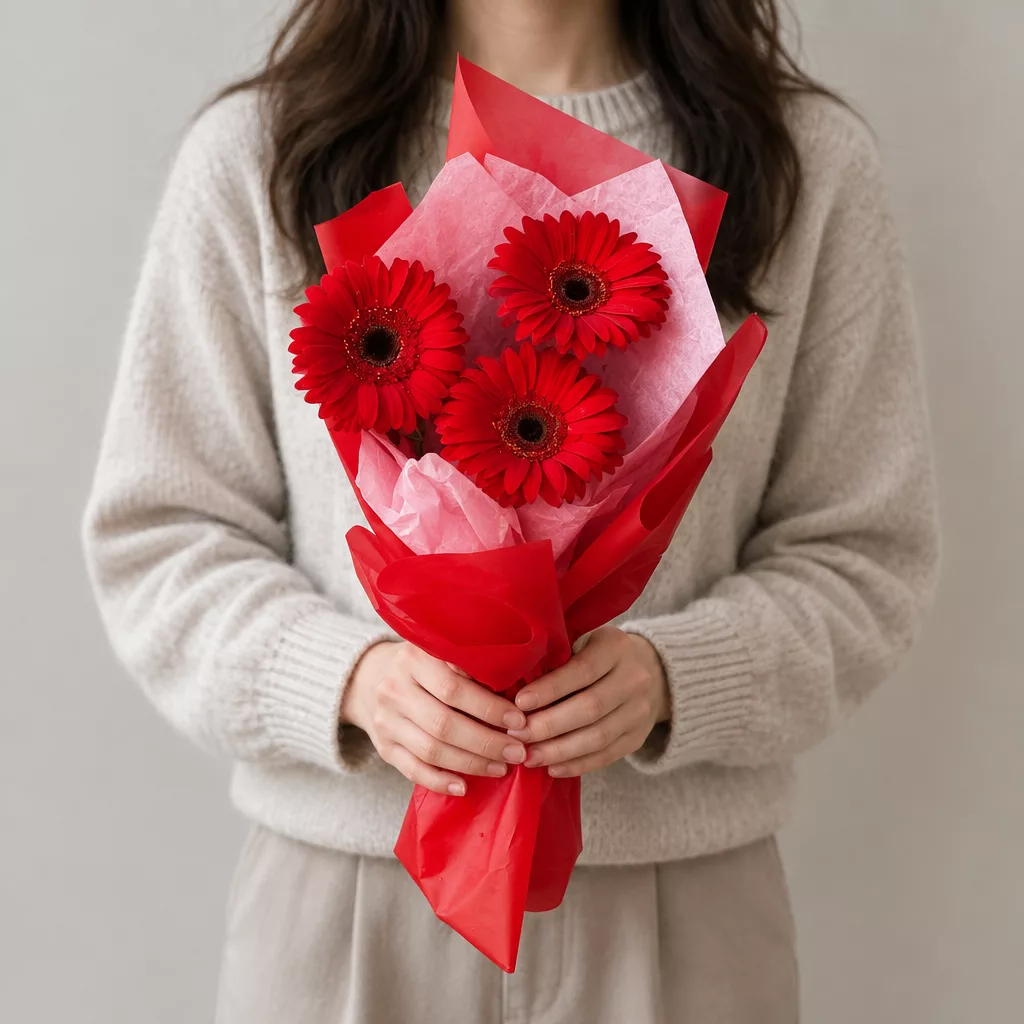
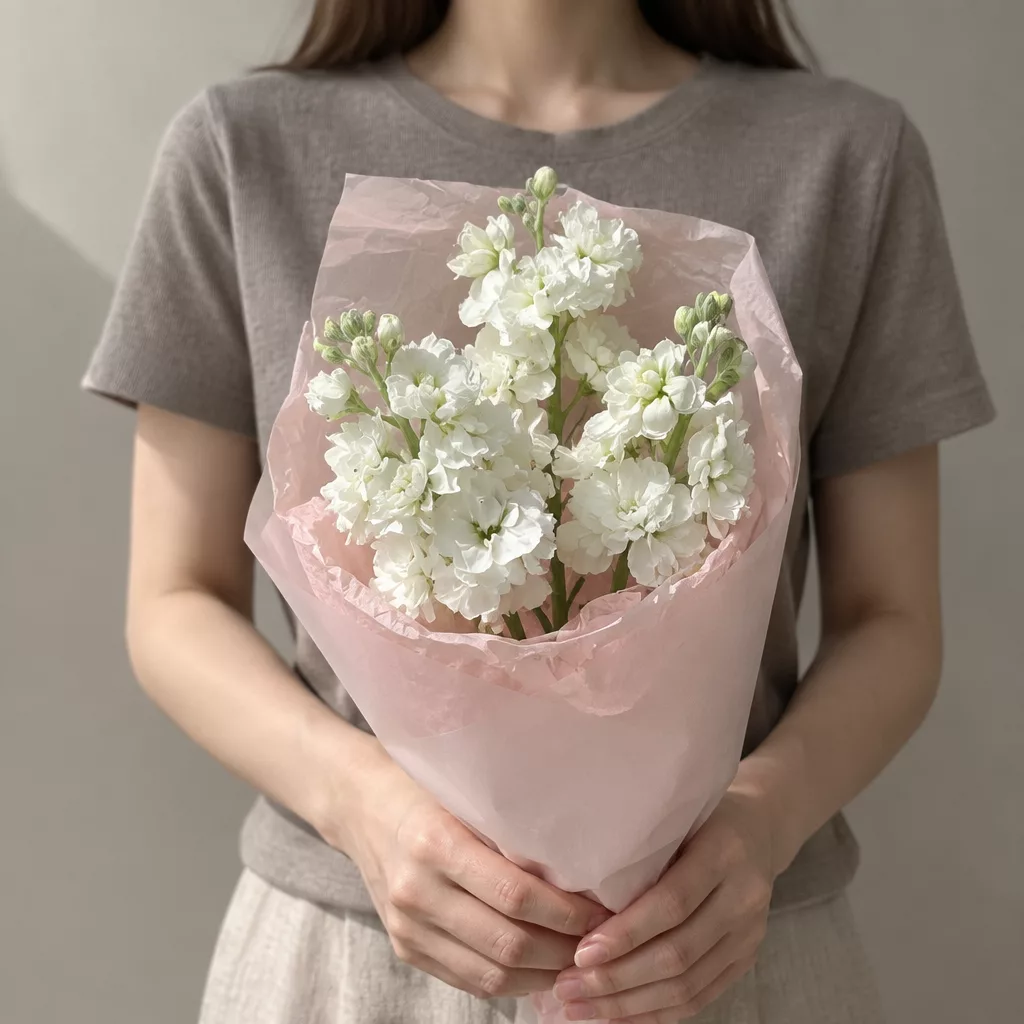
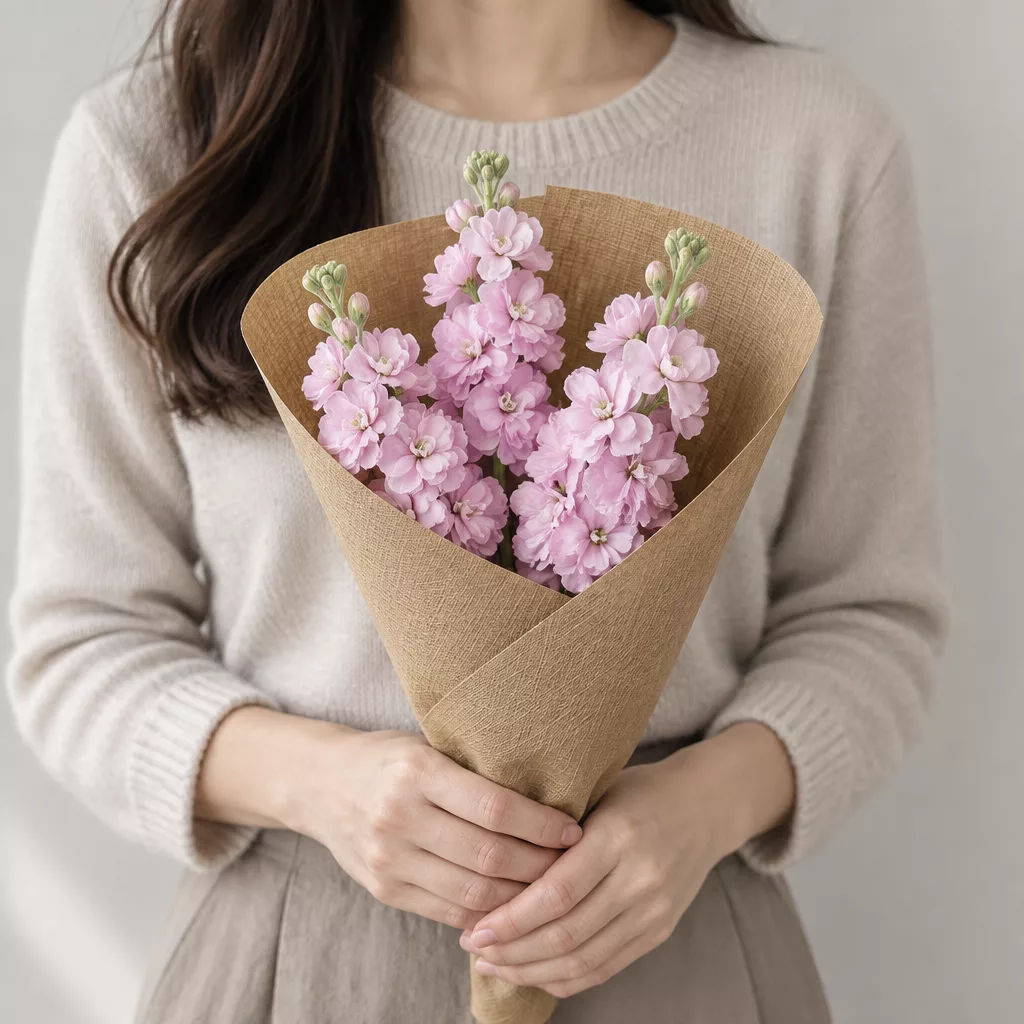
Bouquets we can deliver

Timing Your Order: When Flowers Arrive at Their Freshest
Turboflora operates on a 1 to 2 hour delivery window, and in Azov that window is realistic for most central addresses during standard hours. The key is placing your order with enough lead time before the moment matters — a birthday dinner at 19:00 is best served by an order placed no later than 16:30, giving the florist time to assemble the bouquet properly rather than rushing the conditioning step. Flowers that skip conditioning — the process of trimming stems at an angle under water and letting them hydrate for at least 30 minutes before boxing — arrive with shorter vase life. A well-conditioned rose or lisianthus can last 10 to 14 days in Azov's tap water, which is moderately hard; an unconditioned one might give you five. Summer in Azov brings temperatures that regularly exceed 30 degrees Celsius, and that heat is the single biggest enemy of a fresh bouquet in transit. Orders placed during the hottest part of a July or August afternoon — roughly 13:00 to 16:00 — are handled with insulated packaging and the shortest possible route. If you have flexibility, early morning delivery in summer is the most reliable choice for delicate varieties like garden roses, sweet peas, or ranunculus. In winter, the opposite concern applies: Azov can drop below minus 10, and flowers need wrapping that protects petals from frost burn without trapping condensation.
Choosing Flowers for the Person, Not Just the Occasion
Russian gifting culture places a lot of weight on abundance and colour, and a single-variety bouquet of 15 to 25 stems often reads as more generous than a mixed arrangement of the same price. That said, the trend in Azov, as in most Russian cities now, is shifting toward garden-style compositions — loose, slightly asymmetrical bunches that include texture alongside the main bloom. Think spray roses combined with eucalyptus and white lisianthus, or tulips layered with muscari in spring. For a woman receiving flowers at home, a wrapped bouquet in kraft paper or soft fabric feels personal and considered. For an office delivery, something upright and long-stemmed — classic roses, gladioli in season, or tall sunflowers — travels better in an elevator and looks intentional on a desk. Age and relationship matter more than people often admit. A grandmother in Azov who grew up in Soviet-era Russia likely has a deep affection for peonies, carnations, and chrysanthemums — flowers that younger buyers sometimes overlook as old-fashioned but that carry real emotional weight for that generation. A younger recipient might love the current favourites: dried-and-fresh mixed bouquets, protea, or anemones in deep burgundy and violet. When in doubt, ask yourself what the recipient's home looks like — a practical, cosy flat calls for something different than a bright modern apartment.
Seasonal Flowers That Thrive in the Azov Climate
The Rostov Oblast has a continental climate with hot, dry summers and cold winters, and that climate shapes which flowers are at their best locally and which ones need extra care in transit. Spring, from late March through May, is genuinely excellent for tulips, ranunculus, anemones, and the first peonies of the year. These varieties are at peak availability and travel well in the mild temperatures. Summer brings sunflowers, which are practically symbolic in southern Russia, along with zinnias, eustoma, and garden roses. These handle the heat better than many buyers expect, provided they are properly hydrated before boxing. Autumn is chrysanthemum season, and a large-headed chrysanthemum arrangement is one of the most durable choices you can make — these flowers last 2 to 3 weeks with basic care. They are also a traditional gift for September 1st, the first day of the Russian school year, when teachers across Azov receive armloads of them from students. Winter is rose and orchid season. Roses are flown in from Ecuador and the Netherlands and are available year-round, but winter is when their quality is most consistent because cold transit conditions actually suit them. Orchid plants — phalaenopsis in particular — are an excellent winter gift because they last months rather than days, which matters when you are sending something to a person who lives alone and will enjoy the company.
Presentation Details That Make the Difference
The wrapping is the first thing the recipient sees before they even reach the flowers, and it sets the emotional tone of the gift. Kraft paper with a simple ribbon reads as warm and artisanal. Matte black or deep green wrapping with a satin bow reads as elegant and celebratory. Transparent cellophane, while practical, has fallen out of fashion in most Russian cities and can make even a beautiful bouquet look like a petrol station purchase. When you order, specifying a colour preference for the wrapping — even broadly, such as neutral tones or something bright — gives the florist a direction that improves the final result. A handwritten card is worth adding every time, even if the message is short. In Russian gifting tradition, arriving without a card can feel slightly impersonal, even when the flowers themselves are beautiful. The message does not need to be elaborate: a name, a warm sentence, and your name is enough. If you are ordering from abroad or writing in English, the florist can transcribe the message or include both languages. Balloon additions are popular for children's birthdays and round-number anniversaries — a 50th or 60th birthday in particular — and they do travel safely in a van even on a windy Azov afternoon. Soft toys tucked into a bouquet are a long-standing Russian tradition for romantic gifts and are genuinely well-received, not seen as childish.
Care Instructions to Pass On to the Recipient
A bouquet that arrives beautifully can lose half its life to simple mistakes in the first hour. The most common one in Azov, as everywhere in Russia, is putting flowers straight into a vase without re-trimming the stems. Stems seal themselves during transport, and even a few centimetres cut at a 45-degree angle immediately before placing them in water makes a measurable difference to how long the flowers drink. The vase water should be cool and clean, changed every two days. Azov's tap water is safe for flowers but on the harder side, so if the recipient has filtered water available, that is worth using. Keep the bouquet away from direct sunlight — in summer, a south-facing windowsill in Azov can reach temperatures that wilt roses within an hour. A north-facing room or a spot near an air conditioner is ideal in July and August. Tulips continue to grow after cutting, sometimes by several centimetres, and will lean toward any light source in the room. Rotating the vase every day keeps them upright. Peonies often arrive as tight buds and open over two to three days; placing them in slightly warmer water speeds this up. Roses that have drooped slightly can often be revived by re-cutting the stems and placing the entire bouquet — flowers and all — in cool water for an hour. Passing on two or three of these tips with the delivery, whether on the card or in a separate note, turns a gift into something that lasts.
What to Do If Something Does Not Go as Expected
Occasionally, despite careful handling, something goes wrong — a delivery is delayed, a stem arrives broken, or the bouquet does not match what you pictured. Knowing what to do in those moments makes the experience far less stressful. The first step is always to contact the shop directly and promptly, ideally with a photograph of the bouquet as received. A clear photo taken within an hour of delivery gives the florist everything needed to understand what happened and offer a resolution. Most quality issues are visible immediately: a rose with a bruised outer petal, a stem that snapped at the neck, or wrapping that got damp in rain. These are solvable. What is harder to address is a complaint raised days later, when the flowers have already been in a warm room and the condition has changed for unrelated reasons. For timing issues — if the delivery window passed and the recipient was not home — the courier will typically call the number provided before leaving. If no one answers, the bouquet is held and a second delivery attempt is arranged. In Azov, where many residents live in apartment buildings, it helps to let the recipient know a delivery is coming so they can make sure someone is available, especially for a surprise where you are coordinating without the recipient's knowledge. A small logistical heads-up to a neighbour or family member can make the difference between a perfect surprise and a wilted bouquet left at a door.
Ordering flowers to Azov is simpler than it might seem from a distance, and the result — a fresh, well-wrapped bouquet arriving at a door on the Don — is worth every small detail you put into the order. The city is compact, the delivery window is tight, and when you choose varieties that suit the season and the person, the gesture lands exactly as you intended it.
Frequently asked questions
Can I order flowers to a village near Azov, not just the city centre?
Yes, settlements within roughly 10 to 15 kilometres of Azov city centre are generally covered. Always include the full address with street, building number, and apartment or house number, and add a working phone number for the recipient so the courier can confirm the exact location if needed.
What flowers hold up best in Azov's summer heat during delivery?
Sunflowers, chrysanthemums, and eustoma handle summer temperatures well. Delicate varieties like sweet peas, garden roses, and ranunculus are more vulnerable. For summer orders, early morning delivery and insulated packaging make a significant difference in how the bouquet arrives and how long it lasts.
Is it acceptable to send an even number of flowers in Russia?
Even numbers of flowers are traditionally associated with mourning in Russian culture, so bouquets for celebrations are almost always an odd number of stems — 7, 11, 15, 25, and so on. Turboflora arranges all celebratory bouquets this way by default, so you do not need to count or specify.
How far in advance should I order for a specific delivery time in Azov?
Placing your order at least 2 to 3 hours before the desired arrival time gives the florist comfortable room to assemble and condition the bouquet properly. For same-day orders during busy periods — mornings on public holidays, for example — earlier is always better to secure your preferred time slot.
Can I include a message in English on the card, or does it need to be in Russian?
You can write the card message in English and the florist will include it exactly as written. If you would like it translated or written in Russian as well, simply note that in the order comments. A short, warm message in any language is always appreciated and adds considerably to the personal feel of the gift.
Ready to send flowers?
Pick the city, choose the bouquet, and a local florist takes it from there.
Choose a city →