Flower Delivery in Barabinsk: Timing, Choices and What Arrives at the Door
Barabinsk sits in the heart of the Novosibirsk Oblast steppe, and sending flowers there feels like a bigger leap than ordering across a city block. But the distance does not have to mean disappointment. When you know what the journey involves, what varieties hold up best, and how to time your order, the bouquet that reaches your recipient can look just as fresh and generous as anything handed over a counter in Saint Petersburg.
Who Is Receiving These Flowers and What Will They Feel First
Before you think about roses versus peonies, think about the person opening the door. A grandmother in Barabinsk who rarely receives anything by courier will be moved by the gesture itself long before she notices the variety. A colleague celebrating a work anniversary wants something that reads as polished and intentional, not just pretty. Starting from that emotional picture makes every other choice easier.
In Russian culture, odd numbers of stems carry warmth and celebration — even numbers are traditionally reserved for solemn occasions, so always aim for seven, nine, eleven or any odd count when the mood is joyful. If you are sending to someone unfamiliar with this custom, it still applies locally and your recipient will notice.
Presentation matters enormously on arrival. A bouquet that has traveled several hours needs to arrive wrapped firmly enough to protect the heads but loosely enough that the stems can breathe. Kraft paper with a water-retaining base, secured at the right tension, is what keeps petals intact through a long road journey. When the wrapping comes off and the flowers stand upright and full, that first visual impression is what your recipient will photograph, share and remember. Getting that moment right is the whole point of the exercise.
Bouquets we can deliver

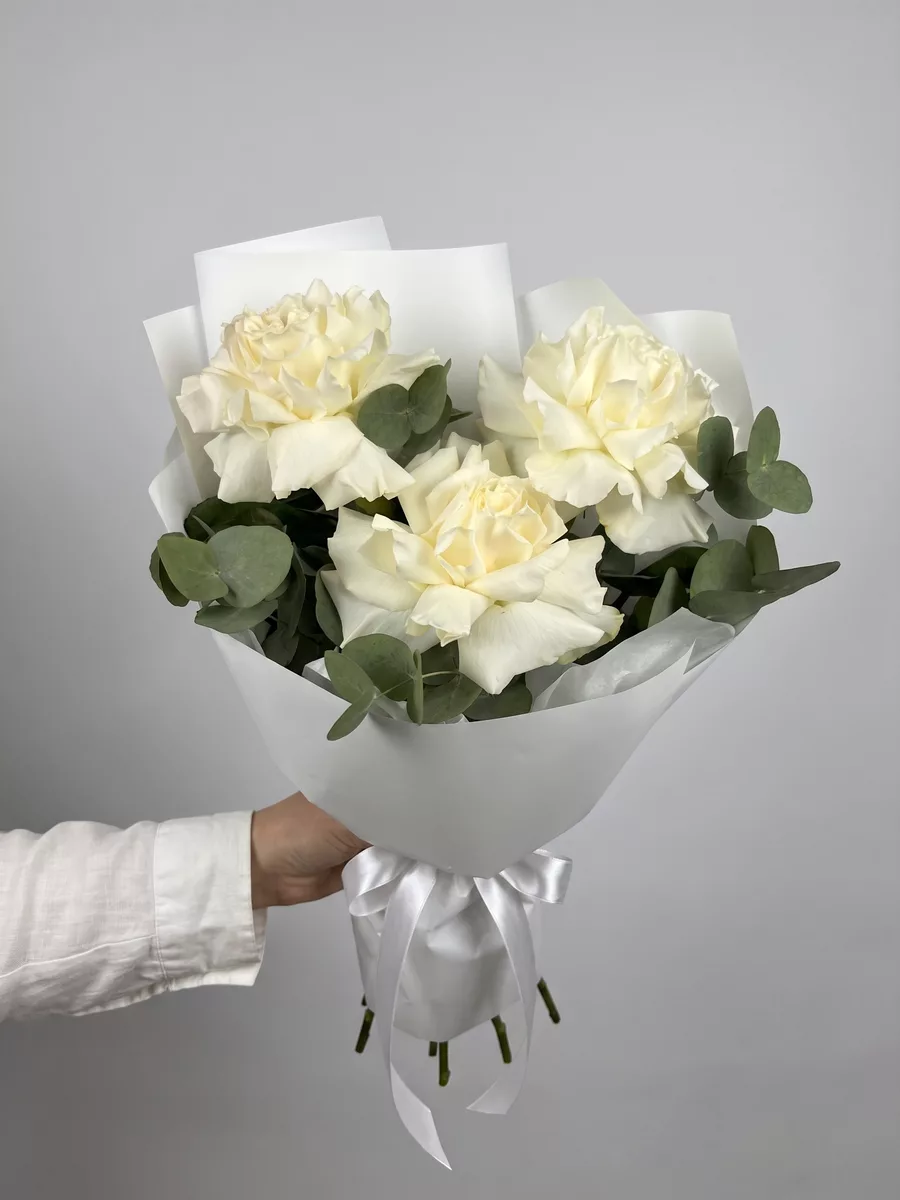
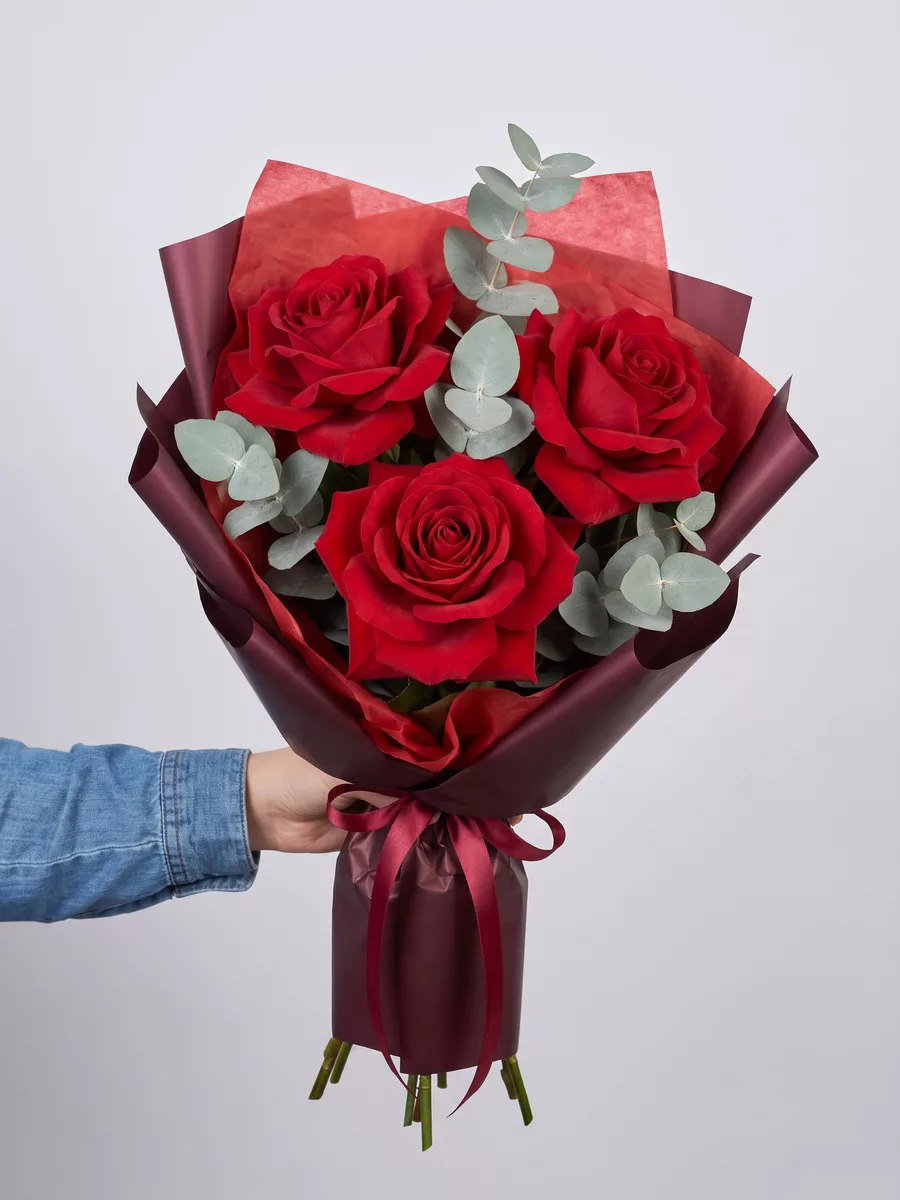
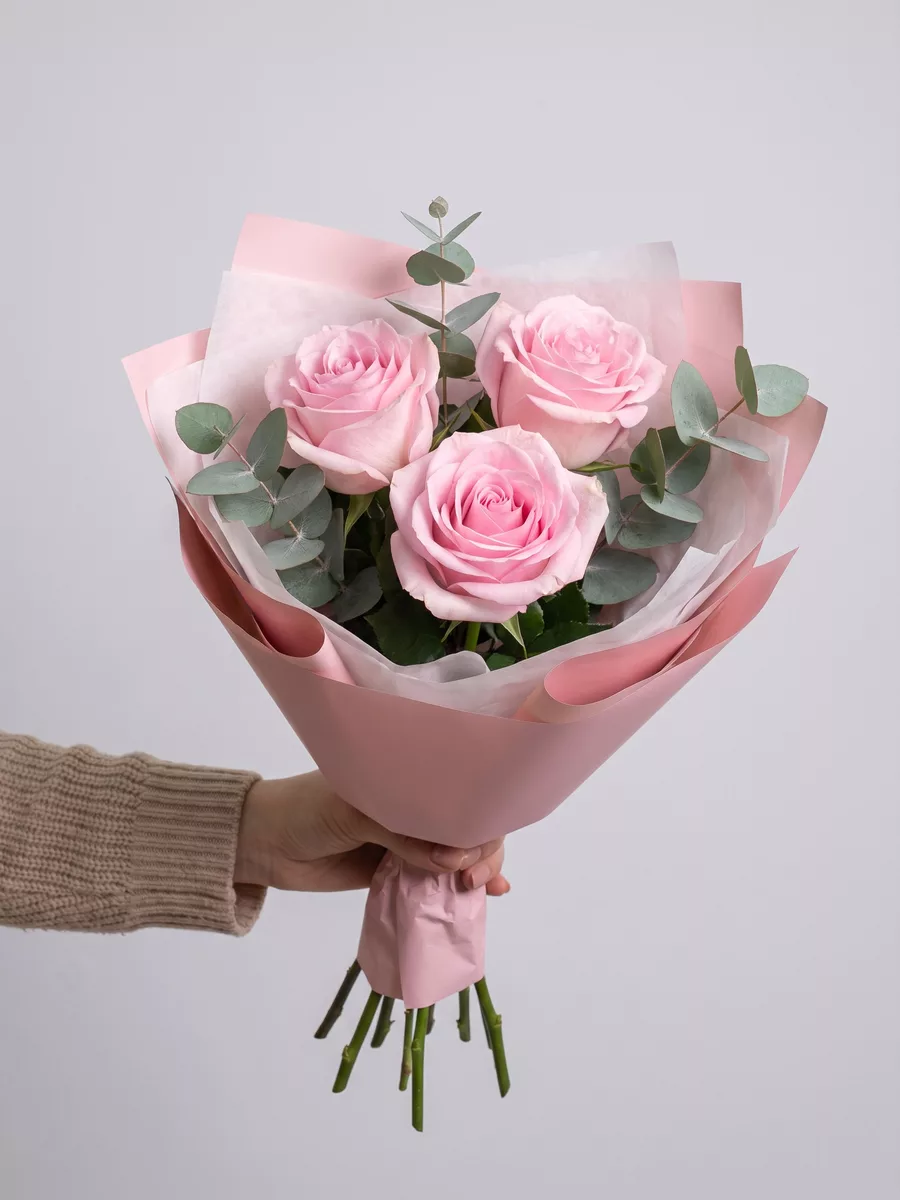
Understanding the Geography: What Barabinsk Means for Delivery
Barabinsk is a railway town of roughly 28,000 people located approximately 450 kilometres east of Novosibirsk along the Trans-Siberian corridor. It is not a remote village, but it is not a regional capital either. Roads connecting it to larger hubs are well established, and courier logistics along this corridor are predictable for experienced operators who know the route and its seasonal variations.
Delivery timing to Barabinsk depends heavily on when you place the order. Morning orders placed before 10:00 Moscow time have the strongest chance of same-day arrival. Orders placed in the afternoon may arrive the following morning, and that is not a failure — it is honest logistics on a 450-kilometre run. What matters is that the flowers leave in optimal condition and travel in a temperature-controlled environment.
Summer in the Novosibirsk Oblast can push temperatures above 30 degrees Celsius, which stresses roses and tulips significantly. Winter drops well below minus 20, which means stems need insulated packaging to prevent freeze damage in transit. Spring and autumn are the most forgiving seasons for long-distance flower delivery in this region. Knowing the season you are ordering in helps you choose varieties that will genuinely survive the journey and still look generous when they arrive, rather than varieties that photograph beautifully in a shop but wilt within two hours of warmth.
Choosing Flowers for the Occasion, Not Just the Season
For a birthday in Barabinsk, chrysanthemums are a reliable backbone. They are robust travelers, last ten to fourteen days in a vase with proper care, and come in enough colours to feel celebratory without being predictable. Pair them with alstroemeria for texture and you have a bouquet that reads as thoughtful rather than hasty. Roses work beautifully when the temperature allows safe transit — in summer, opt for spray roses over large-headed varieties, as the smaller blooms hold moisture better on a warm journey.
For a romantic gesture, a mono-bouquet of garden roses or a mix of ranunculus and eucalyptus signals effort and taste. Ranunculus are delicate but travel surprisingly well when packed correctly and kept cool. Eucalyptus adds scent and longevity, and Russian recipients generally respond warmly to its unusual texture among more familiar blooms.
For a new home or a congratulatory gift, consider something structural: lisianthus mixed with solidago and a few stems of ornamental grass creates a bouquet that feels abundant without being fussy. Lisianthus, sometimes called eustoma locally, is widely recognised and admired across Russia and holds its shape well in transit. Avoid flowers with very large, open heads like sunflowers or fully open peonies for long journeys — they bruise easily and arrive looking tired even when the stems are perfectly hydrated. Choose buds that are just beginning to open so the recipient gets to watch them bloom over several days.
Budget Ranges and What Each Level Actually Delivers
A modest bouquet for Barabinsk delivery still needs to account for the distance. What you spend on flowers in a local shop and what you spend on a delivered arrangement are different conversations, and it helps to understand why. Packaging, temperature management, courier time and fuel across hundreds of kilometres are real costs that go into keeping the flowers alive and beautiful on arrival.
At a lower budget, the strongest approach is a focused mono-bouquet: seven or nine stems of a single strong variety like spray chrysanthemums or alstroemeria, wrapped simply but neatly. This reads as intentional rather than sparse, and the recipient receives something coherent rather than a handful of mismatched stems. Greenery like ruscus or pittosporum fills volume without compromising the flowers themselves.
A mid-range budget opens up combinations. Roses with gypsophila is a classic that still works because the contrast is genuinely beautiful. Tulips with muscari in spring feel seasonal and considered. Gerberas with decorative foliage are cheerful and durable. At this level you can request a specific colour palette, which makes the bouquet feel personally chosen rather than grabbed from a shelf.
A higher budget allows for premium varieties — garden roses, peonies in season, ranunculus, lisianthus — combined with interesting textures and a presentation that includes a gift box or a hat-box format rather than standard wrapping. These arrangements photograph well and feel luxurious on arrival. The key at every level is matching the variety to the transit conditions, not just to the aesthetic you want.
What Happens to the Flowers Between Saint Petersburg and Barabinsk
The journey from Saint Petersburg to Barabinsk is long, and the flowers experience every kilometre of it. This is not a reason to avoid sending them — it is a reason to understand what good preparation looks like. Stems are cut at an angle before packaging to maximise water uptake. A hydrating gel or water-retaining foam at the base keeps the stems drinking during transit rather than drying out. The outer packaging protects against both physical impact and temperature shock.
In winter, insulated wrapping is not optional — it is what stands between a beautiful bouquet and blackened, freeze-damaged petals. Experienced florists use layered packaging that maintains an interior temperature above freezing even when the outside is minus 25. In summer, the challenge reverses: heat accelerates the opening of buds and the wilting of petals, so flowers are kept in refrigeration as long as possible before the final handoff to the courier.
One common mistake buyers make is choosing fully open flowers because they look impressive in photographs. Open flowers are further along in their vase life and have less resilience for a long journey. A bud that is one-third to half open when it leaves the florist will arrive looking fresh and continue opening over the next two to three days, giving your recipient the full experience of watching the bouquet come into its best. That arc of blooming is actually a gift in itself — the arrangement keeps changing and stays beautiful longer.
Timing Your Order: When to Place It and What to Tell the Recipient
The single most useful thing you can do when ordering flowers for Barabinsk is give yourself a time buffer and communicate it to your recipient. If the occasion is a birthday on a Saturday, ordering Thursday evening or Friday morning is far safer than ordering Saturday morning and hoping for a miracle. Long-distance deliveries have a delivery window, not a delivery minute, and building that expectation into your message to the recipient prevents disappointment.
For occasions with a fixed time — a party starting at 18:00, a work celebration at lunch — discuss the delivery window when you place the order. A good florist will tell you honestly whether that window is achievable and suggest alternatives if it is not. Surprises are wonderful, but a surprise that arrives three hours after the party has ended is not the memory you wanted to create.
Some recipients in smaller cities like Barabinsk are not used to courier deliveries and may not answer an unfamiliar number. It helps to let your recipient know a delivery is coming, even if you keep the contents secret. A simple message saying something will arrive tomorrow means they will be home or will arrange for a neighbour to accept it. Missed deliveries in a city without a large locker infrastructure mean the flowers wait in a vehicle, and waiting in a vehicle is hard on any bouquet regardless of how well it was packed. A little coordination on your end protects the investment you made in the flowers.
Caring for the Bouquet Once It Arrives in Barabinsk
The flowers have made the journey. What happens in the first hour after they arrive determines how long they last. The recipient should unwrap them promptly, not leave them in their packaging while they take photographs and make tea. Every minute in a sealed wrap after arrival is a minute without proper airflow.
Stem ends should be recut at an angle — about two centimetres — under running water or submerged in a bowl. This removes any air bubbles that formed during transit and opens the stem again for maximum water uptake. The vase should be clean, filled with cool water, and placed away from direct sunlight, radiators and fruit bowls. Ethylene gas from ripening fruit accelerates wilting in many flowers, particularly roses and carnations, and this is one of the most common reasons a bouquet dies faster than expected.
Water should be changed every two days. Chrysanthemums, alstroemeria and lisianthus are among the longest-lasting varieties and can give twelve to sixteen days in a vase with attentive care. Tulips last five to seven days and will lean toward any light source, which is actually charming if you rotate the vase. Roses last seven to ten days if the water is kept clean and the lower leaves — any that would sit below the waterline — are removed to prevent bacterial growth.
In Barabinsk's dry continental climate, indoor air in winter is very dry due to central heating. A light misting of the petals once a day extends vase life noticeably and keeps the colours vivid. This small habit makes a real difference across the life of the bouquet.
Sending flowers to Barabinsk is not complicated when you approach it with the right expectations and the right choices. The distance is real, the transit conditions matter, and the variety you pick should be suited to the journey as much as to the occasion. When all of that lines up — a robust variety, honest timing, proper packaging and a recipient who knows to expect something — what arrives at that door in a steppe town 450 kilometres from Novosibirsk is a genuine moment of warmth. That is worth planning for.
Frequently asked questions
How long does flower delivery from Saint Petersburg to Barabinsk actually take?
Orders placed in the morning typically arrive the same day or the following morning, depending on the route and time of year. Barabinsk is approximately 450 kilometres from Novosibirsk, and transit along that corridor is reliable. We always recommend giving yourself a one-day buffer for occasions with a fixed time, so there is no pressure on the delivery window.
Which flowers survive a long delivery journey best in winter?
Chrysanthemums, alstroemeria and lisianthus are the strongest travelers in cold conditions. They are packed with insulated wrapping to prevent freeze damage when outdoor temperatures drop below minus 20 Celsius, which is common in the Novosibirsk Oblast in January and February. Fully open roses and large-headed gerberas are more vulnerable and we advise choosing them in bud form for winter orders.
Can I request a specific colour palette for a delivery to Barabinsk?
Yes, and we encourage it. Specifying a colour direction — warm tones, whites and greens, deep purples — helps us build a bouquet that feels personally chosen rather than generic. Colour requests are easiest to fulfil at mid-range and higher budgets where we have more variety to combine. Simply include your preference in the order notes.
Is it normal to tell the recipient a delivery is coming, or does that ruin the surprise?
In a city like Barabinsk, giving the recipient a heads-up that something will arrive is genuinely practical. You do not need to reveal what is coming — just that a delivery is expected. This ensures someone is home to receive it, which protects the flowers from sitting in a vehicle longer than necessary. The surprise is preserved and the bouquet arrives in its best condition.
Why does the florist recommend buds rather than fully open flowers for long distances?
Open flowers are further along in their natural life cycle and have less resilience for a journey of several hours. A bud that is one-third open when it leaves us will arrive looking fresh and continue blooming over the next two to three days at the recipient's home. That unfolding is actually part of the gift — the bouquet keeps changing and stays beautiful longer than one that peaked before it left the shop.
Ready to send flowers?
Pick the city, choose the bouquet, and a local florist takes it from there.
Choose a city →