Sending Flowers to Belaya Kalitva? Here Is What to Expect
You want flowers to arrive in Belaya Kalitva looking as though they were just cut — stems firm, petals tight, the whole arrangement still carrying that faint green scent of a working florist's cooler. That is entirely possible, and it starts with understanding how delivery actually works in a mid-sized Russian town on the Seversky Donets river, where the climate swings hard between seasons and the right choice of flower can mean the difference between a gift that lasts five days and one that lasts twelve.
Which Parts of Belaya Kalitva We Reach and How Quickly
Belaya Kalitva sits in the Rostov Oblast, a compact town where most addresses fall within a manageable delivery radius. We cover the central streets around the main square, the residential districts along the river embankment, the newer neighbourhoods to the north, and the industrial-adjacent areas where many families live close to the Kalatinsky district. If you are sending to a specific microrayon and are unsure whether it is included, the safest step is to confirm the postcode at the point of order — our dispatch team checks coverage before confirming.
For most central and residential addresses, a one-to-two-hour delivery window is realistic once your order is assembled and dispatched. That window accounts for traffic on the main through roads, which can slow noticeably during morning and late-afternoon peaks, particularly near the market and the central crossings. Ordering before midday gives the most reliable timing for same-day delivery.
We do not hand orders off at a city boundary and hope for the best. The courier carries the bouquet in a temperature-controlled bag, which matters enormously in Belaya Kalitva, where summer air temperatures regularly exceed 30 degrees Celsius and January nights can drop well below minus ten. A rose that leaves our cooler at four degrees and sits in a hot car for forty minutes without protection arrives as a wilted disappointment rather than a gift. That controlled transit is part of what you are paying for, and it is not optional.
Bouquets we can deliver

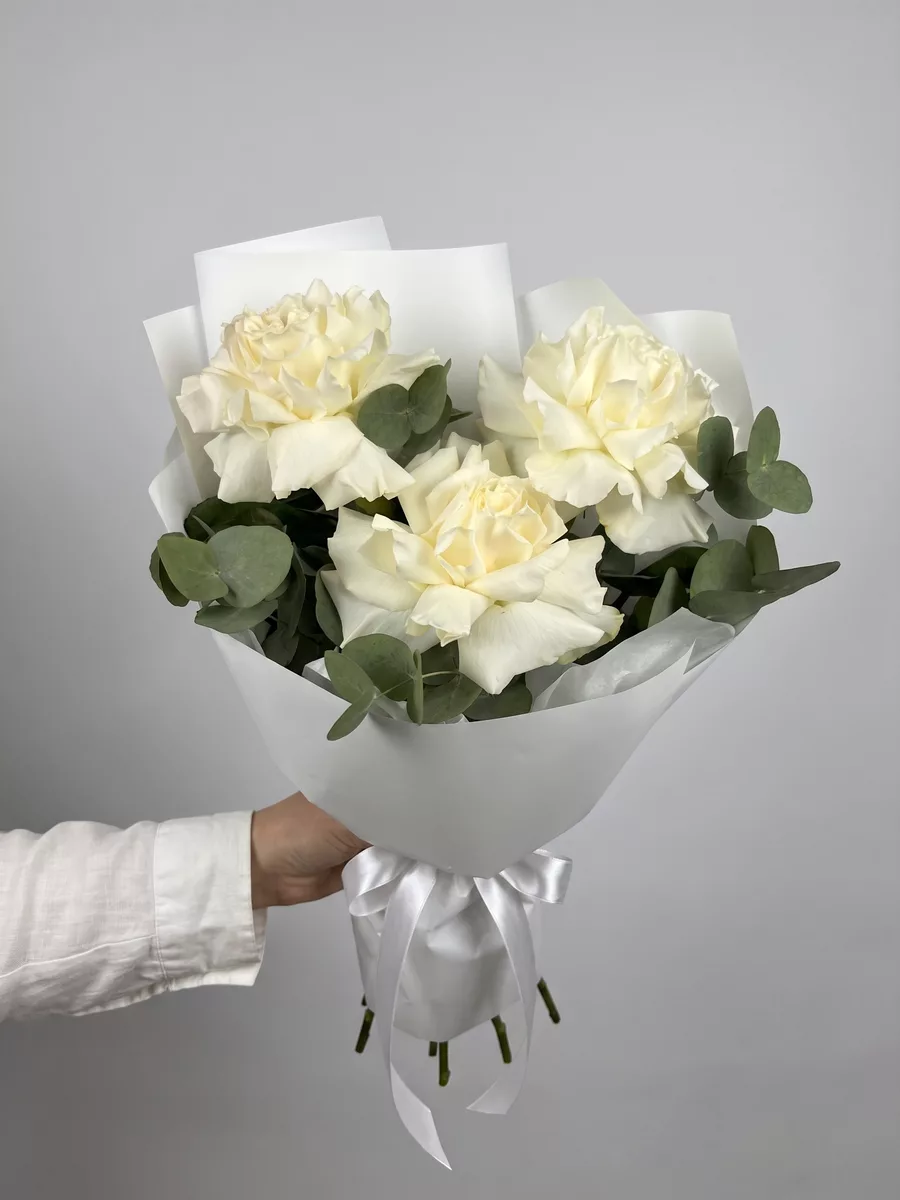
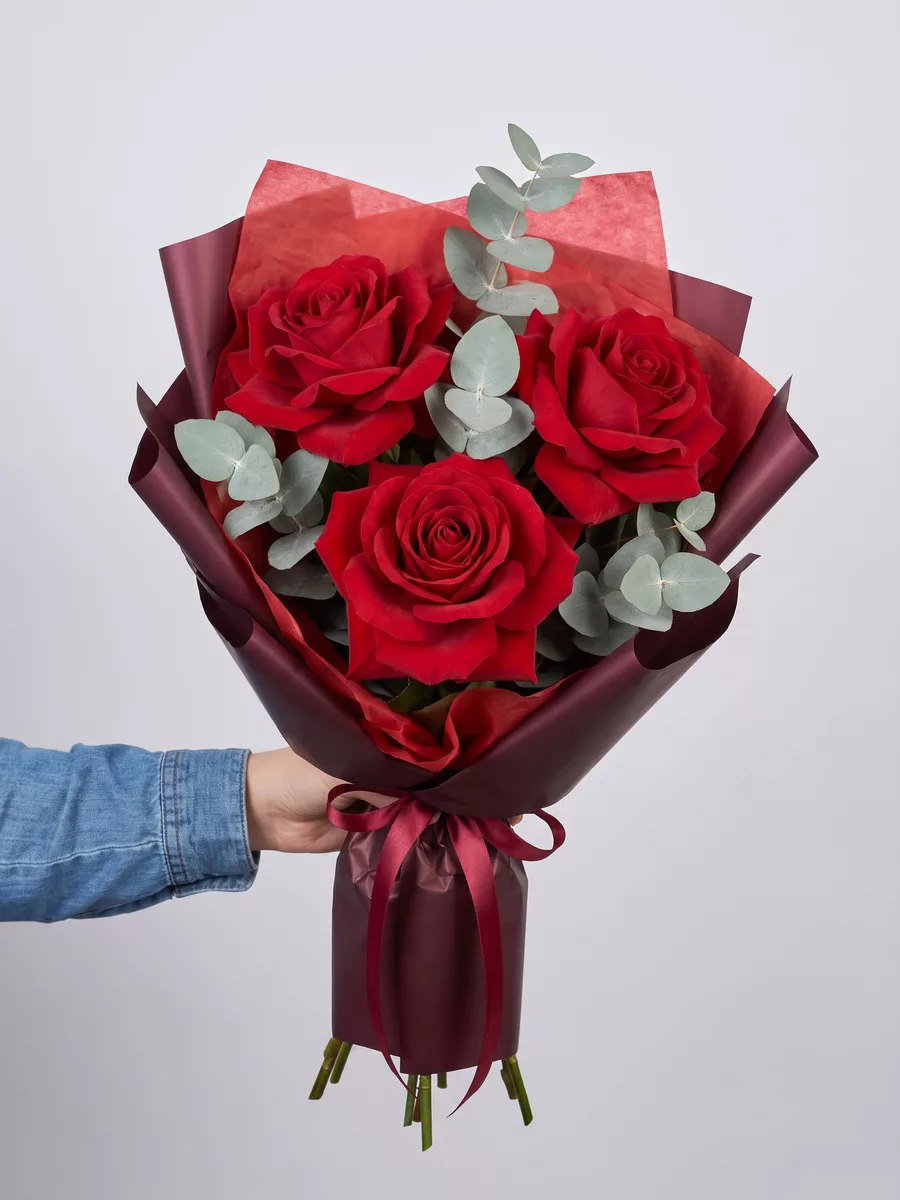
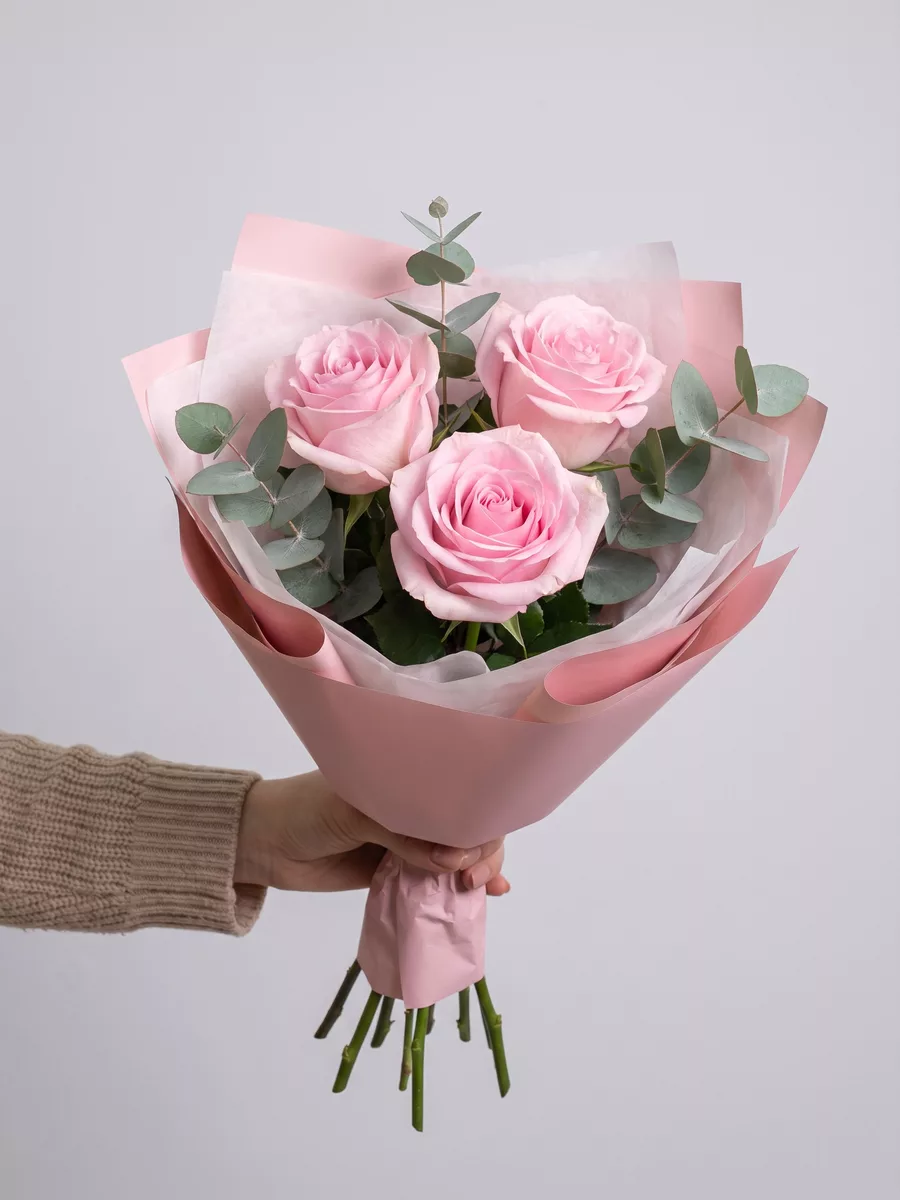
Choosing for the Person, Not Just the Occasion
Before you think about which flower, think about who is receiving it. A colleague celebrating a work anniversary in a busy office needs something compact and long-lasting — spray roses or alstroemeria hold up well in a warm room without water for several hours, which matters if the recipient cannot put them in a vase immediately. A close friend who loves her garden will respond differently to a loose, garden-style arrangement of lisianthus and eucalyptus than to a formal round bouquet of red roses, even if both cost the same.
In Russian culture, the number of flowers in a bouquet carries meaning: an even number is traditionally reserved for mourning, so bouquets are almost always made with an odd count — three, five, seven, eleven, fifteen. If you are ordering from outside Russia and were not aware of this, now you are. Our florists follow this automatically, so you do not need to specify it, but it is worth knowing so the recipient's reaction makes sense.
Colour matters too, and not just aesthetically. Bright yellow flowers — sunflowers, yellow tulips — are cheerful and popular in Russia, not associated with anything negative the way they are in some Western European traditions. White flowers are entirely appropriate for birthdays and celebrations. Deep burgundy and plum tones, achieved with varieties like Black Baccara rose or chocolate cosmos, read as sophisticated and romantic rather than sombre. When in doubt, a mix of blush pink, white and soft green is universally well received and suits almost every relationship and age group.
Seasonal Availability and What Grows Well Here
Belaya Kalitva's continental climate means the seasons are distinct and they affect what looks best in a bouquet. In late spring and early summer, peonies are at their peak — they arrive from growers in the south of Russia and from the Netherlands, and a full, open peony in soft pink or cream is one of the most generous-looking flowers you can send. They are also forgiving: a peony bud that looks almost closed on arrival will open fully within twenty-four to forty-eight hours in a warm room.
Summer is the season for sunflowers, which are grown regionally and arrive fresh with thick, sturdy stems. They combine beautifully with orange gerbera and green hypericum berries for an arrangement that reads as warm and energetic without being fussy. If you are sending in July or August, avoid garden roses in pale colours — they are more heat-sensitive than hybrid tea varieties and may show petal bruising after a long transit in warm weather.
Autumn brings chrysanthemums in a wide range of forms — button, spider, and the large decorative heads — and they are genuinely excellent value for longevity, often lasting two weeks with basic care. In winter, tulips arrive from Dutch growers and are one of the most reliable choices: they travel well in the cold, they open gradually, and a bunch of white or purple tulips in January feels like a small act of defiance against the grey. Ranunculus are another winter favourite, delicate-looking but surprisingly robust when kept cool.
Options Across Different Budgets Without Compromising on the Feeling
A smaller budget does not mean a lesser gift — it means a more considered one. Three stems of garden roses with a generous collar of ruscus and a few sprigs of waxflower can look more deliberate and personal than a dozen roses stuffed into a round shape with no breathing room. The key is proportion: a small bouquet that is tightly composed and well-wrapped feels intentional. A large bouquet that is mostly filler feels like an afterthought, regardless of price.
At a modest budget, single-variety bouquets work extremely well. Seven white spray roses, or five stems of lisianthus in deep violet, or a cluster of bright gerbera in a single colour — these are clean, confident choices. Alstroemeria is one of the most underrated flowers at this price point: each stem carries multiple blooms that open at different rates, so the bouquet actually looks better on day four than it did on day one.
Mid-range budgets open up mixed arrangements where texture becomes the story. Combining a focal flower like a garden rose or a peony with secondary flowers like matthiola or sweet peas, and finishing with textural elements like dried pampas grass or fresh eucalyptus, creates something that photographs beautifully and holds its shape for days. At a higher budget, the conversation shifts to scale and drama — large-headed hydrangeas, which require a lot of water but create enormous visual impact, or long-stemmed roses in a single bold colour arranged in the French manner, loosely and with visible stems. All of these work for Belaya Kalitva delivery because we pack them correctly for the journey.
What Happens Between the Florist and the Front Door
An order placed online triggers assembly, not just dispatch. Our florist reads the occasion, checks what is fresh that day, and builds the bouquet with the travel time in mind. Flowers that will be in transit for close to two hours are conditioned differently from those going across a single neighbourhood — stems are cut at a sharper angle to maximise water uptake when they arrive, and moisture-retaining wrapping is used around the stem ends.
The bouquet is then wrapped for protection, not just presentation. In summer this means insulating wrapping and a cool bag. In winter it means protecting petals from frost — a rose petal exposed to minus fifteen for even a few minutes will show translucent frost damage that does not reverse. The outer packaging is robust enough to protect against that, while the inner presentation layer is what the recipient sees when they unwrap it.
Delivery is made to the address you specify. If the recipient is not home, our courier will contact them directly to arrange a brief wait or an alternative handoff point. We do not leave bouquets outside a door in summer heat or winter cold — an unattended bouquet in a Belaya Kalitva July afternoon is a wilted one within an hour. If there is a concierge or a neighbour who can receive, that is worth noting in the order comments. We also send you a confirmation once delivery is complete, so you are not left wondering whether the flowers arrived.
Care Instructions Worth Passing On to the Recipient
Most flowers that die early do so because of three avoidable mistakes: no fresh cut on the stems, dirty water, and a warm spot near a radiator or sunny window. Passing on a few simple words when you send the bouquet makes a real difference to how long it lasts, and it shows care that goes beyond the initial gesture.
The first thing the recipient should do is fill a clean vase with cool water — not ice cold, not warm — and cut one to two centimetres off each stem at a diagonal angle, ideally under running water so no air enters the stem. This sounds fussy but takes thirty seconds and adds days to vase life. Removing any leaves that would sit below the waterline prevents bacterial growth, which is the main reason water turns cloudy and flowers fade.
Different flowers have different needs. Tulips keep drinking heavily and will grow several centimetres after cutting, so they need a deep vase and a water top-up every day. Roses benefit from having their stems recut every two to three days. Chrysanthemums are almost indestructible with basic care and can last two weeks. Peonies prefer a cooler room and will close slightly overnight and reopen during the day, which is not a sign of trouble — it is just how they behave.
Keeping flowers away from fruit bowls is a small but genuine tip: ripening fruit releases ethylene gas, which accelerates petal drop in roses and causes carnations and lisianthus to age faster. A spot on a table away from direct sun, draughts and the kitchen counter will always outperform a beautiful windowsill in terms of longevity.
Making the Delivery Feel Like More Than Just Flowers
A bouquet is the visible part of what you are sending, but the feeling it creates depends on small surrounding details. A handwritten card — even a few words — changes the experience of receiving flowers completely. In Russia it is common to include a personal message rather than leaving a bouquet anonymous, and recipients genuinely notice the difference between a card that says something specific and a generic printed slip.
If you are sending to someone who lives alone or is having a difficult time — not a bereavement, but perhaps a period of illness, a stressful move, or a hard week at work — consider a longer-lasting variety over a showy one. Alstroemeria or chrysanthemum will still be bright on the coffee table ten days later, which extends the feeling of being thought of. A dramatic arrangement of hydrangeas is spectacular for two days and then it is over.
For celebrations — birthdays, anniversaries, the arrival of a new home — scale matters. Russians tend to give generously, and a large bouquet reads as genuine enthusiasm rather than extravagance. If the recipient is someone who appreciates presentation, ask us to wrap in kraft paper with a ribbon rather than cellophane: it photographs better and has a more considered, artisanal quality that many people prefer.
Finally, timing the delivery to coincide with the moment matters more than most people realise. Flowers that arrive at nine in the morning on a birthday, before the working day begins, create a completely different emotional effect from the same bouquet arriving at seven in the evening. Think about the recipient's day and where in it you want the flowers to land.
Belaya Kalitva is not a city where flower delivery is complicated, but it is a place where the details — temperature management, stem conditioning, the right variety for the season — make the difference between a gift that feels considered and one that merely arrives. Whether you are sending from Saint Petersburg, from another city in Russia, or from abroad, the flowers leave our hands in the same condition we would want them to arrive in. That is the standard we hold ourselves to, and it is why the recipient's first impression when they open the wrapping is the one we spend our time thinking about.
Frequently asked questions
How does the temperature-controlled delivery bag actually protect flowers in Belaya Kalitva's summer heat?
The insulated bag keeps the air around the stems close to cooler temperature for the journey, which slows the opening of petals and prevents wilting before the bouquet reaches the door. In July and August, when Belaya Kalitva regularly exceeds 30 degrees, this difference between a protected and unprotected bouquet can be visible the moment the wrapping comes off.
Which flowers hold up best during the hard winters along the Seversky Donets?
Chrysanthemums, spray roses and alstroemeria tolerate cold transit well and do not bruise as easily as open garden roses or ranunculus when temperatures drop sharply. If you are sending in January or February, these are the flowers that will still look composed after the courier has moved between a cold street and a warm entrance hall several times during a delivery round.
Are there addresses in Belaya Kalitva where delivery takes longer than the standard window?
The Kalatinsky district and some of the newer northern neighbourhoods sit further from the central florist radius, so those deliveries can run closer to two hours rather than one. Ordering before midday is especially important for those addresses, and it is worth noting the microrayon when you place the order so the courier route is planned from the start.
What combination of flowers works for someone receiving a bouquet at their workplace in the town centre?
Spray roses paired with lisianthus make a compact, upright arrangement that does not overwhelm a desk and holds its shape through a working day without water. Adding a few stems of eucalyptus keeps the silhouette clean and means the bouquet still looks intentional rather than wilted by the time the recipient gets home.
How should the recipient care for the bouquet once it arrives, given how dry Belaya Kalitva apartments can be in winter?
Cut the stems at an angle immediately, place them in cool water and keep the vase away from radiators, which run hard through the Rostov Oblast winter and dry the air quickly. Changing the water every two days and removing any leaves sitting below the waterline will extend vase life noticeably, particularly for roses and tulips that struggle most in heated indoor air.
Ready to send flowers?
Pick the city, choose the bouquet, and a local florist takes it from there.
Choose a city →