Sending Flowers to Beloretsk? Here Is What to Expect
Beloretsk sits deep in the southern Urals, surrounded by mountains and rivers, and the people who live there celebrate life just as warmly as anywhere else in Russia. Whether you are sending a bouquet to mark a birthday, a graduation, or simply to say you are thinking of someone, getting flowers there in good condition and on time is entirely possible — if you understand how delivery to this city actually works and what to choose for the journey.
Which Parts of Beloretsk We Reach and Why It Matters
Beloretsk is a compact industrial city in the Republic of Bashkortostan, stretched along the Belaya River at the foot of the Ural ridge. The central districts — around Lenin Street, the main square and the steel mill area — are the easiest to reach, and deliveries there move smoothly. Residential neighbourhoods further from the centre, including the areas near the Tirlyansky reservoir road, may add a small buffer to the journey time, so it is worth building that into your order.
The city itself is not enormous, which works in your favour. A driver who knows the layout can cover most addresses without difficulty. What does matter is the precision of the address you provide. Beloretsk has a number of streets with similar names, and apartment buildings in older Soviet-era blocks sometimes share entrance codes or have unlabelled intercoms. Including the entrance number, floor and a working phone number for the recipient saves everyone time and keeps the flowers from sitting in a cold hallway.
If you are sending to a workplace — the metallurgical plant, a school, a local clinic — mention the name of the organisation and the recipient's department. Reception desks in large buildings often hold deliveries, but a name alone on a bouquet can get lost. A little extra detail in the address field costs nothing and protects your order entirely.
Bouquets we can deliver

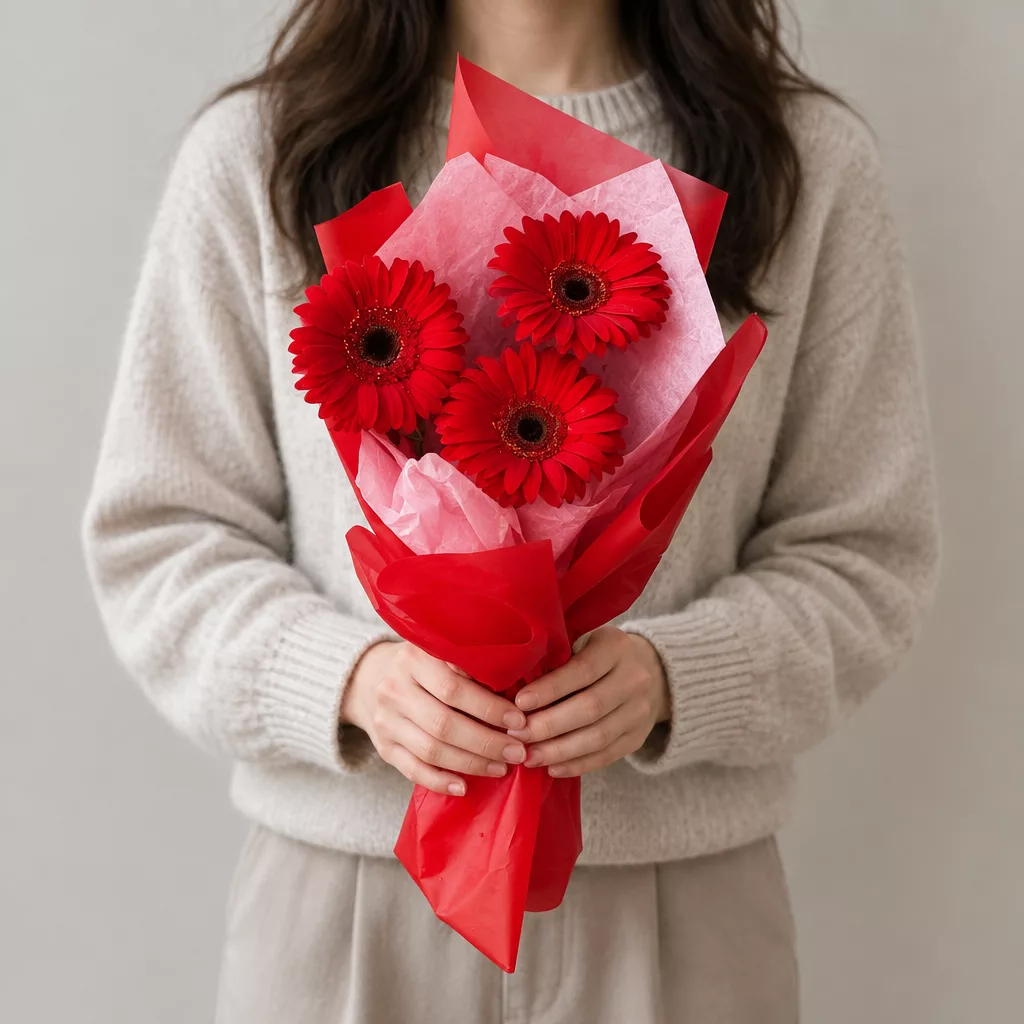
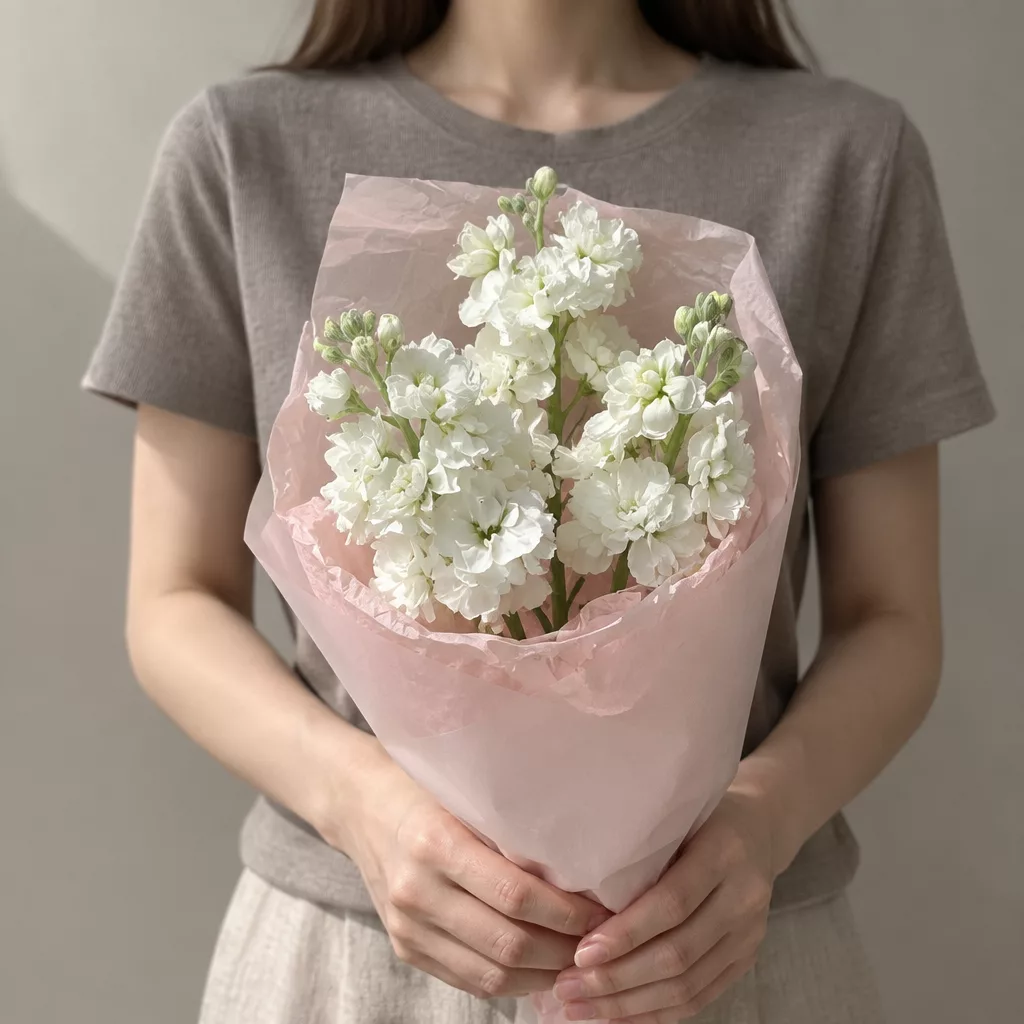
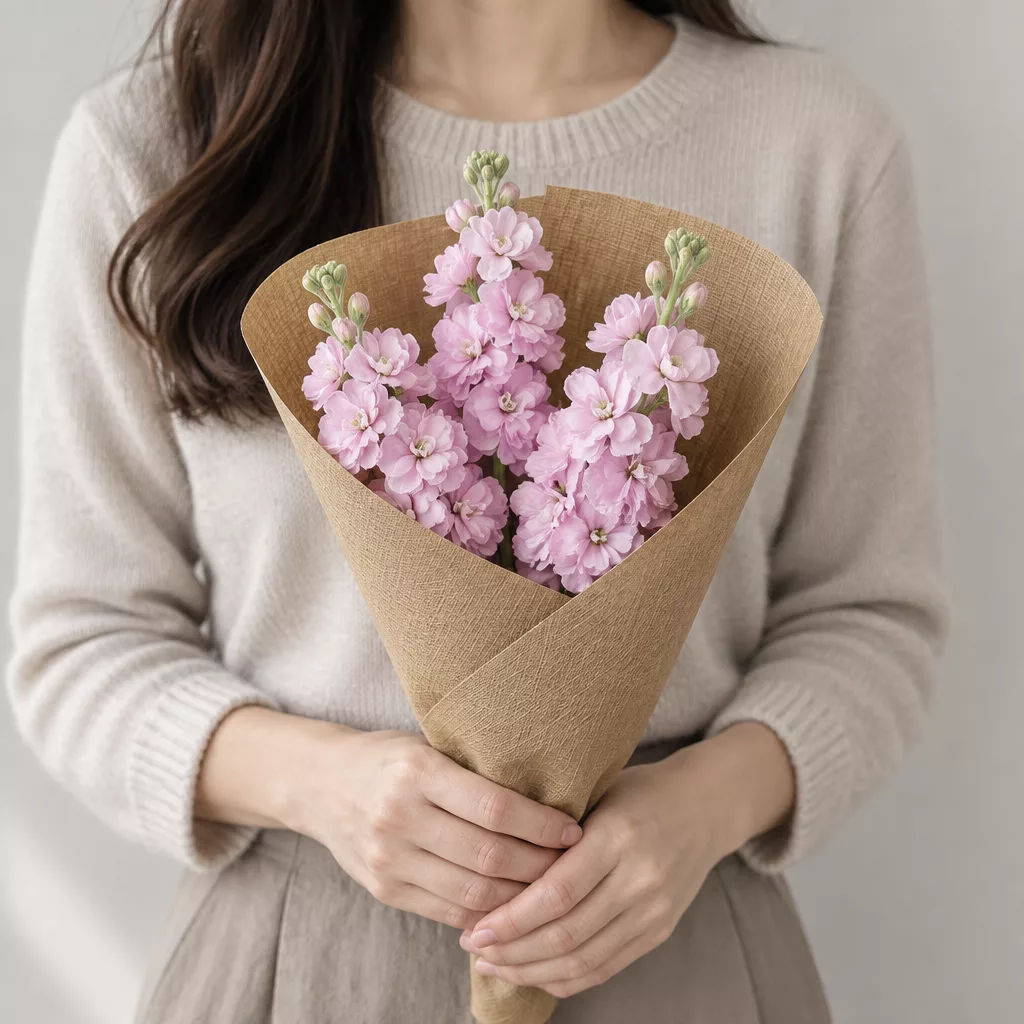
Timing Your Delivery: What the Ural Climate Changes
Beloretsk experiences one of the more pronounced continental climates in European Russia. Winters here are genuinely cold, regularly dropping to minus twenty or below, and summers can swing to thirty degrees in July. Both extremes affect flowers more than most people realise, and timing your delivery with the season in mind is one of the most practical things you can do.
In winter, the window between the van and the front door is brief but critical. Roses and tulips are the most sensitive — exposed to sharp frost even for three to four minutes, their petals develop translucent patches that cannot be reversed. We wrap cold-weather bouquets in insulating kraft and use sealed packaging that holds warmth through the handover. Requesting a morning delivery in winter, before temperatures drop further in the evening, is a sensible choice.
Summer brings the opposite challenge. Heat above twenty-five degrees accelerates wilting, particularly in ranunculus, anemones and garden roses with many petals. Deliveries in mid-afternoon on hot days are the riskiest slot. If you are ordering for a summer birthday or anniversary, an early morning arrival — before eleven — gives the flowers the best start. The recipient can then place them in water immediately, and they will last several days longer than the same bouquet delivered in afternoon heat. Asking for a specific time window when you order is always worthwhile in Beloretsk.
Choosing Flowers for the Person, Not Just the Occasion
The occasion tells you the register — celebratory, tender, grateful — but the person tells you the flowers. A grandmother celebrating her seventieth birthday in Beloretsk may love the classic abundance of spray chrysanthemums and alstroemeria, which hold beautifully in a warm apartment and need no special care. A younger recipient who follows design trends might respond far more to a loose, garden-style arrangement of lisianthus, eucalyptus and a few stems of scabiosa, which feels less formal and more personal.
For romantic gestures, red roses remain the clear first choice in Russia, and there is nothing wrong with that tradition — a tight bunch of thirty red roses with dark foliage is genuinely striking. But if you want something that reads as more considered, a mixed arrangement of dusty pink roses, white freesia and a handful of waxflower tells a quieter, more intimate story. Freesia also carries a light natural fragrance, which matters when the flowers arrive in an enclosed flat.
For congratulations — a new job, a diploma, a promotion — sunflowers mixed with yellow solidago and orange gerbera make an immediately uplifting impression. These are also among the most robust varieties for longer delivery routes, which makes them a practical choice as well as a cheerful one. Think about where the flowers will live once they arrive: a small kitchen needs a compact arrangement, while a large living room can carry a tall, generous vase piece without looking out of place.
Budget Ranges and What You Actually Get at Each Level
Flowers in Russia are generally spoken about by stem count and variety rather than by arrangement style, and Beloretsk is no different. At a modest budget, a single-variety bouquet of eleven tulips or fifteen spray carnations is a completely acceptable and genuinely pretty gift — odd numbers are traditional in Russia for living recipients, and even a simple bunch presented well carries warmth.
A mid-range order opens up mixed compositions. You might combine roses with matthiola, which adds a clove-like scent and soft texture, or build around a central flower like a large-headed peony rose surrounded by smaller seasonal blooms and green foliage. At this level you can also request a specific colour palette, which makes the bouquet feel more intentional rather than assembled from whatever was available.
At the higher end, the difference is volume and variety. A large arrangement might include garden roses, ranunculus, sweet peas in season, and several types of foliage — eucalyptus, ruscus, pittosporum — that give the whole thing a lush, layered quality. These arrangements are also where presentation details matter most: the wrapping, the ribbon, the handwritten card. In Beloretsk, as across Russia, a bouquet arriving beautifully packaged signals that the sender thought carefully, and that impression lands before a single flower is even seen properly. It is worth spending a little on the finishing, not just the flowers themselves.
What Happens After the Flowers Arrive: Care That Doubles Vase Life
Most people in Russia know to put flowers in water immediately, but the details after that make an enormous difference. The first thing to do is cut the stems at a forty-five degree angle under running water, removing at least two centimetres. This reopens the vascular tissue that closes during transport and lets the flower drink properly from the first moment. Scissors rather than a knife are fine, but a clean, sharp cut matters more than the tool.
Remove any leaves that would sit below the waterline. Submerged foliage rots within a day or two and releases bacteria that shorten the life of every stem in the vase. This is the single most common mistake, and it is entirely avoidable. Change the water every second day and rinse the vase when you do — residue builds up quickly and does more damage than most people expect.
Keep the arrangement away from direct sunlight and from heat sources, which in a Beloretsk apartment in winter often means the radiator beside the window. That combination — warm radiator, cold glass, fluctuating temperature — is particularly hard on roses and tulips. A cool hallway or a spot on a table away from the window is ideal. Tulips will continue to grow in the vase and can gain several centimetres; trimming them every couple of days keeps the arrangement looking tidy. With proper care, roses last seven to ten days, tulips five to seven, and chrysanthemums can hold for two weeks or more.
Russian Flower Customs Worth Knowing Before You Order
If you are not familiar with Russian gifting culture, a few customs are genuinely useful to know before you place an order. The most important is the odd-number rule: bouquets for living recipients always contain an odd number of stems — five, seven, eleven, fifteen, and so on. Even numbers are associated with mourning and funerals, so a bouquet of ten roses, however beautiful, sends the wrong message entirely. Most florists count automatically, but if you are specifying a stem count, keep this in mind.
Yellow flowers carry a complicated reputation in Russia. In older generations, yellow is associated with separation and infidelity, and while younger Russians are far less superstitious about this, it is still worth knowing if you are sending to someone over fifty or to a more traditional household. A bouquet of pure yellow tulips to a grandmother could land awkwardly. Mixing yellow with white or orange softens the association considerably.
Handwritten cards are taken seriously. A brief, sincere message — even two or three sentences — adds more to the gift than an extra five stems would. If you are sending from abroad or from another city, the card is the only voice the sender has in the room. In Russian culture, flowers are often given with a small ceremony: the giver presents them personally, says something warm, and the recipient thanks them. When the delivery driver stands in for that moment, the card carries the weight of it. Take a moment to write something real.
Ordering for Someone in Beloretsk When You Are Far Away
Sending flowers across a distance adds one layer of uncertainty that is worth thinking through before you order. You cannot see the recipient's face when the bouquet arrives, and you may not know exactly when they will be home. Both of these are manageable with a little planning.
Confirm the recipient's schedule before choosing a delivery window, even loosely. If they work shifts at the metallurgical plant or have a long commute, a mid-morning delivery might find no one home. Many people in Beloretsk live in apartment buildings where leaving flowers with a neighbour is common and accepted, but it is better to arrange a time when the person is actually there — the moment of receiving flowers matters as much as the flowers themselves.
If you are sending from outside Russia entirely, make sure the phone number you provide for the recipient is a current Russian mobile number. Our driver will call ahead to confirm arrival, and an unreachable number delays everything. Including a second contact — a family member or colleague — is a simple backup that prevents most problems.
Finally, order a day in advance when you can. Same-day delivery to Beloretsk is possible, but giving an extra twelve hours means we can select the freshest stems for a longer journey and ensure the arrangement is assembled with care rather than at speed. A birthday bouquet ordered the evening before arrives looking exactly as intended, and that is what the person on the other end will remember.
Beloretsk may feel remote from the big flower markets of Saint Petersburg or Moscow, but distance is not the obstacle it once was. With the right timing, the right varieties for the season, and a little attention to the details that Russian gifting culture values, a bouquet can arrive fresh, beautiful and genuinely meaningful — whether you are sending from across the country or from the next street over. The flowers do the talking when they get there; the planning is what makes sure they arrive ready to speak.
Frequently asked questions
Which neighbourhoods in Beloretsk are hardest to deliver to, and how do I help the driver?
Areas on the outskirts near the Tirlyansky reservoir road take longer to reach than central streets around Lenin Street or the main square. The simplest thing you can do is include the entrance number, floor, and intercom code if there is one. A working phone number for the recipient also lets the driver call ahead rather than wait at a locked door.
If I am sending to someone at the metallurgical plant, how should I fill in the address?
Write the organisation name and the recipient's department clearly in the address field, not just a street number. Large industrial sites and their reception areas handle many visitors, and a bouquet with only a name can sit uncollected. Specifying the department or building entrance gives the driver somewhere precise to go and the staff somewhere to direct the delivery.
How does the extreme cold in Beloretsk affect which flowers I should choose?
Delicate tropical varieties and thin-petalled flowers are most vulnerable during transit in temperatures below minus twenty. Roses, chrysanthemums, and sturdy spray carnations travel better in severe cold because their petals hold structure longer when chilled. If you are ordering in January or February, ask the florist to wrap the bouquet with insulating paper and keep the journey from van to door as short as possible.
Does the season change what combination of flowers will look right in Beloretsk?
It does, and it is worth thinking about more than just what is available. In summer, sunflowers paired with local meadow-style foliage feel natural and generous in a city surrounded by Ural landscape. In winter, deep-toned roses or amaryllis with pine or eucalyptus carry warmth that lighter pastel arrangements simply do not. Matching the bouquet to the season makes it feel considered rather than ordered at random.
What details should I add to the order so the bouquet arrives at the right moment for the occasion?
State the occasion clearly when placing the order, even if it feels obvious. A birthday delivery timed for the morning carries a different weight than one arriving mid-afternoon, and a florist who knows the reason can advise on flowers that hold well across the day. If the date is fixed, like a graduation or anniversary, book at least two days ahead so the shop can source the right stems rather than substituting at short notice.
Ready to send flowers?
Pick the city, choose the bouquet, and a local florist takes it from there.
Choose a city →