Sending Flowers to Belovo? Here Is Everything You Need to Know
Belovo sits in the Kemerovo region, a working industrial city where a well-chosen bouquet can feel like a small miracle dropped into an ordinary Tuesday. Whether you are ordering from across Russia for a birthday, an anniversary or simply to say you were thinking of someone, the details matter: what flowers travel well to Siberia, when they will arrive, and how to make the moment land properly. This guide answers all of that from the perspective of florists who handle these orders every day.
Which Parts of Belovo We Reach and Why That Matters
Belovo is a mid-sized city spread across several distinct districts, including the central part near the administration building, the Bochaty settlement, Krasnyi Gorodok and the surrounding residential mikrorayons. Each of these areas has its own street layout and access conditions, and knowing this in advance prevents the kind of delay that turns a birthday surprise into an awkward phone call. When you place your order, entering the full address including the building number, entrance number and floor saves significant time on the ground. Apartment buildings in Russian cities often have multiple entrances numbered separately, and a courier arriving at entrance one when the recipient lives near entrance four is a genuinely common problem. If you are ordering from another city and do not have the complete address, it is worth messaging the recipient casually beforehand — most people do not guess that a delivery is coming when the question is framed as something unrelated. Private houses in the outer districts of Belovo sometimes have unpaved approach roads, which affects delivery in winter and early spring. Mentioning this in the order notes helps the courier plan accordingly and keeps your flowers arriving on time rather than waiting at the edge of a muddy lane. The more specific your address information, the smoother the whole experience becomes for everyone involved.
Bouquets we can deliver

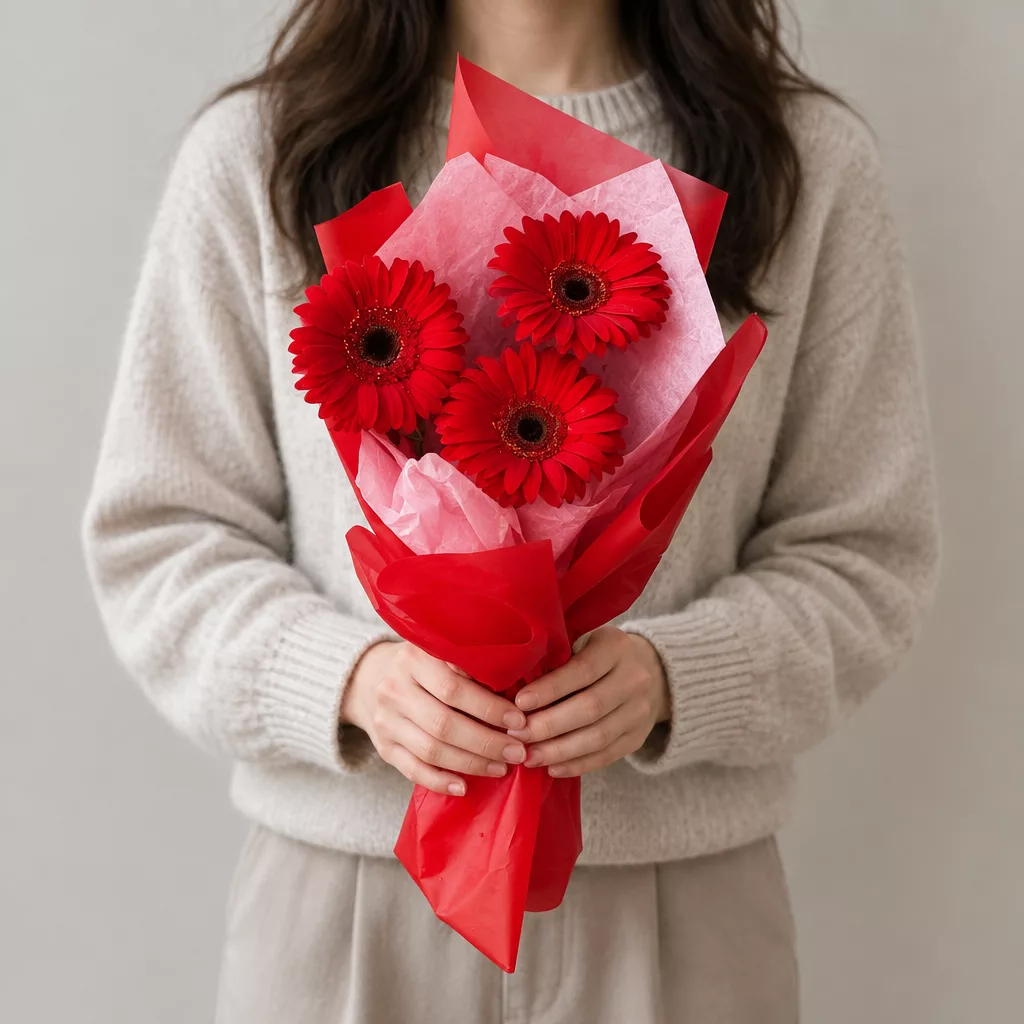
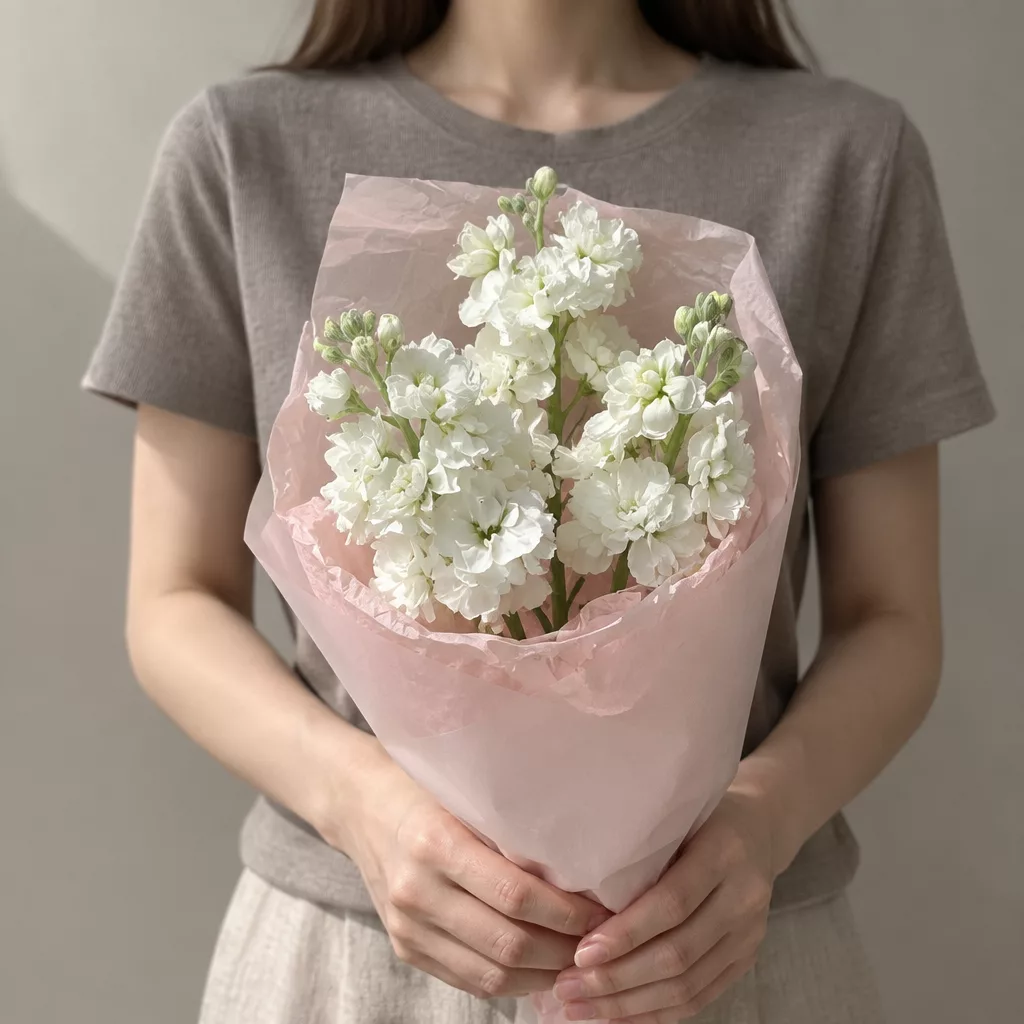
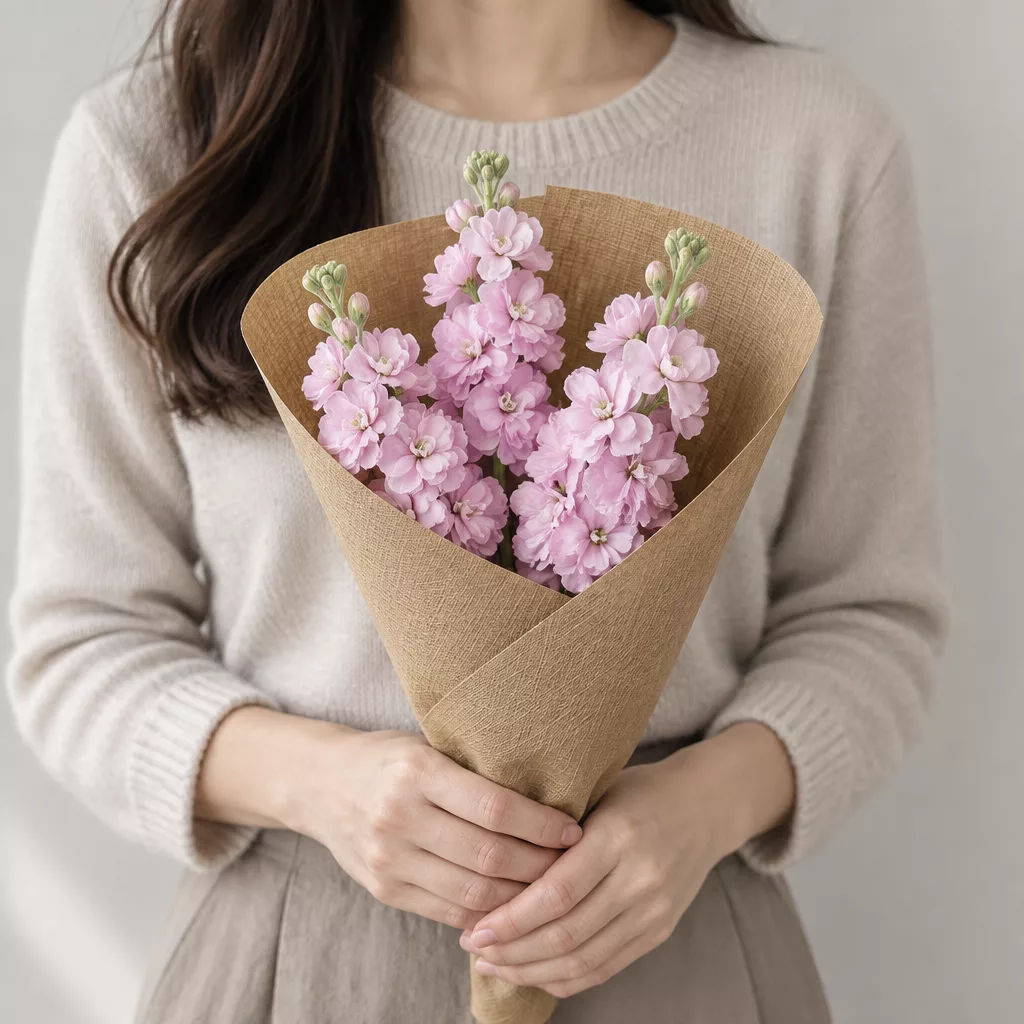
Timing Your Delivery: Morning, Afternoon and Same-Day Orders
Turboflora delivers across Russia including Belovo with a standard window of one to two hours from the moment the order is confirmed and assembled. That window is realistic for most addresses within the city boundaries, though outer settlements and private house areas can add time depending on road conditions. If you are planning a morning delivery — say, flowers waiting when someone wakes up on their birthday — placing the order the evening before is the most reliable approach. Same-day orders placed before midday have the strongest chance of arriving within your preferred time slot. Orders placed in the afternoon for an evening delivery are also very manageable, but leaving it to the last hour before you need the flowers to appear creates unnecessary pressure. Russian celebrations often happen in the early evening, around six or seven, when people gather after work. Aiming for a delivery between four and five gives a comfortable buffer and means the recipient has time to arrange the flowers before guests arrive, which matters more than it sounds — a fresh bouquet in a vase on the table reads very differently from flowers still in their wrapping. In winter, Belovo temperatures regularly drop below minus fifteen Celsius. Flowers are wrapped and protected for cold transit, but the shorter the time they spend moving between warmth and cold, the better they look on arrival. This is another reason that precise address information and a recipient who is actually home makes a real difference to the final result.
Choosing Flowers for the Person, Not Just the Occasion
The most common mistake people make when ordering remotely is thinking about the occasion first and the person second. A birthday bouquet for a woman in her sixties who loves her dacha garden should look nothing like a birthday bouquet for a twenty-five-year-old who follows design trends on social media. Roses are the default choice for many people, and they are a default for good reason — spray roses, garden roses and standard long-stemmed varieties all travel well and last reliably when cared for properly. But they are not always the most interesting or most personal choice. For someone who appreciates texture and a less formal look, a combination of lisianthus, eucalyptus and white chrysanthemums creates something that feels considered rather than automatic. Lisianthus in particular is underused: its ruffled petals resemble peonies at first glance, it holds up beautifully in transit and it works across a wide range of color palettes. For a romantic gesture, deep red or burgundy tones in ranunculus paired with soft greenery feel warmer and less corporate than a dozen identical red roses. For a new colleague or a professional thank-you, white and cream tones with clean lines — tulips in season, white alstroemeria, or a structured arrangement of white carnations — read as elegant without overstepping. Thinking about the recipient's home, their personality and the relationship you share leads to a bouquet that feels genuinely personal rather than simply purchased.
Budget Ranges and What Each One Gets You in Practice
Flower budgets in Russia are often discussed less openly than in some other countries, but understanding what different spending levels actually produce helps you make a confident decision without guessing. At the lower end of the range, you are typically looking at a compact, single-variety bouquet: five or seven tulips in season, a small arrangement of spray chrysanthemums, or a simple cluster of alstroemeria. These are not lesser flowers — alstroemeria in particular lasts up to two weeks in a vase, which makes it one of the most generous gifts in terms of longevity. The mid-range opens up combinations. This is where you can mix varieties, add foliage like ruscus or pittosporum, and choose a more interesting color story. A bouquet of garden roses with eucalyptus and a few stems of waxflower, for example, has depth and scent that a single-variety arrangement simply cannot match. At the higher end, you are working with premium varieties — peonies when in season between May and June, David Austin roses, large-headed hydrangeas or orchid stems — and a more generous volume that makes an immediate visual impression when the door opens. Presentation also changes at this level: the wrapping, the ribbon and the overall composition are more considered. Whatever your budget, being honest about it when you order means the florist can build something that looks intentional rather than stretched thin. A well-made smaller bouquet is always more impressive than an underwhelming large one.
Seasonal Flowers and What Grows Well in Siberian Conditions
Kemerovo region has a sharply continental climate, which means real winters and relatively short but warm summers. This affects which flowers are locally available at different times of year and which ones are flown in from growing regions further south or from the Netherlands. In winter, from November through February, the reliable workhorses are roses, chrysanthemums, carnations, alstroemeria and gerberas. These are all grown in controlled greenhouse conditions and arrive consistently. Tulips begin appearing in January and February, initially expensive but becoming more accessible through March, when they are at their most beautiful — full stems, rich colors and that particular fresh-cut smell that signals the end of winter. Spring brings ranunculus and anemones, both of which are worth ordering if they are available: ranunculus has layered petals that unfurl slowly over several days, and anemones with their dark centers have a graphic quality that photographs exceptionally well. Summer in Belovo is short but genuine, and this is when peonies, sunflowers and garden-style mixed bouquets feel most natural and most affordable. Autumn shifts toward warm tones: orange and rust chrysanthemums, dahlias if available, and combinations that echo the colors outside the window. Ordering seasonally is not just an economic choice — flowers that are in their natural season look more alive, last longer and feel more connected to the moment you are marking.
How to Write a Card Message That Actually Lands
In Russian culture, the card message attached to a bouquet carries more weight than many international senders expect. It is often read aloud, kept for years or photographed and shared. A generic message — happy birthday, best wishes — is noticed for its brevity in a context where warmth and specificity are valued. This does not mean you need to write a long text. It means the few words you choose should feel like they could only come from you to this particular person. Mentioning something specific — a shared memory, an inside reference, a quality you genuinely admire in them — transforms a card from a formality into something the recipient will remember. If you are ordering from abroad or from another Russian city and you are not confident writing in Russian, sending the message in English is entirely acceptable for younger recipients and in professional contexts. For older recipients or more traditional family occasions, a short Russian phrase handled correctly means more than a longer English message. If you are unsure, keep it simple: the name of the person, one warm sentence and your name. Florists see thousands of card messages, and the ones that stand out are always specific rather than elaborate. Avoid generic phrases that could apply to anyone. Think about what you would say if you were handing the flowers over in person, then write that — even if it is only two sentences. That directness is what makes a card message feel genuine rather than printed.
Keeping Your Flowers Fresh After Delivery: Practical Vase Care
The bouquet arrives, the moment happens, and then the flowers need to live in someone's home for as long as possible. Most people in Russia know the basics — fresh water, trim the stems — but a few specific habits make a significant difference to how long different varieties last. Roses should have their stems cut at an angle, about two centimeters from the bottom, and the cut should happen while the stem is submerged in water if possible. This prevents an air bubble from forming at the base, which is the most common reason roses droop prematurely. Remove any leaves that would sit below the waterline, as they rot quickly and cloud the water, which shortens the life of every stem in the vase. Tulips are more demanding than they look: they continue growing after being cut and will lean toward any light source in the room. Keeping them in a cool spot away from direct sun and changing the water every two days keeps them upright and fresh for up to a week. Chrysanthemums and alstroemeria are the most forgiving — they tolerate a wider range of temperatures and last reliably with basic care. Gerberas need shallow water rather than deep, as their stems rot easily when fully submerged. In Belovo's heated winter apartments, where indoor air can be very dry, placing the vase away from radiators extends the life of almost any flower by several days. A cool bedroom or a north-facing windowsill in winter is genuinely better than a warm kitchen counter, even if the kitchen feels more welcoming.
Sending flowers to Belovo from anywhere in Russia is straightforward when you know what to expect at each step. The address details, the timing, the choice of flowers for the actual person rather than a generic occasion, and a few minutes of thought about the card message — these are the things that turn a transaction into a gesture someone will remember. Turboflora handles the transit, the wrapping and the delivery; your job is simply to think about the person on the other end of the door.
Frequently asked questions
Can I order flowers for delivery in Belovo from another city in Russia?
Yes, you can place an order from anywhere in Russia through turboflora.com. Enter the recipient's full Belovo address including entrance number and floor, choose your preferred delivery time, and we handle everything from assembly to doorstep delivery. Having a working phone number for the recipient makes the process significantly smoother.
How are flowers protected during winter delivery in Belovo?
In cold weather, bouquets are wrapped in insulating packaging designed to protect stems and petals from frost during transit. Belovo winters can reach minus fifteen Celsius or colder, so our couriers move quickly between the vehicle and the door. The wrapping keeps flowers safe for the duration of a standard delivery, but having the recipient available to answer the door promptly helps avoid any cold exposure.
Which flowers last longest in a vase after delivery?
Alstroemeria regularly lasts ten to fourteen days with basic care, making it one of the best choices for longevity. Chrysanthemums and carnations also hold well for ten or more days. Roses last five to seven days when stems are trimmed and water is changed every two days. Tulips and gerberas are shorter-lived but visually striking for their four to six day window.
What if the recipient is not home when the flowers arrive?
The courier will call the recipient before arriving. If there is no answer, we contact the sender to decide on next steps — leaving with a neighbor, rescheduling or leaving in a secure spot if the recipient confirms this is acceptable. To avoid complications, it helps to let the recipient know a delivery is coming, even without revealing what it is.
Are there flowers I should avoid ordering in winter for Belovo?
Tropical flowers such as bird of paradise or anthurium are more sensitive to cold transit and less commonly stocked in winter for Siberian deliveries. Peonies are a warm-season flower and are not reliably available from November through April. Sticking to roses, chrysanthemums, tulips from January onward, and alstroemeria gives you the best combination of availability, quality and vase life in winter months.
Ready to send flowers?
Pick the city, choose the bouquet, and a local florist takes it from there.
Choose a city →