Flower Delivery in Beloyarsky: What to Expect When You Order
Beloyarsky sits deep in the Khanty-Mansiysk Autonomous Okrug, and sending flowers there from Saint Petersburg is not the same as ordering across town. The distances are real, the climate is extreme, and the person waiting on the other end deserves something that actually arrives looking alive. This article walks you through every part of the process — timing, what travels well, how to pick the right bouquet for the occasion, and what your recipient should do the moment the flowers arrive at their door.
Where Beloyarsky Is and Why Distance Actually Matters for Flowers
Beloyarsky is a small city in the north of Western Siberia, roughly 2,000 kilometres east of Saint Petersburg. The region sits close to the Arctic Circle, which means winters are long and brutal, with temperatures regularly dropping below minus 30 degrees Celsius. Summers are short, warm, and surprisingly bright, but the transition seasons bring their own challenges: wet roads, unpredictable frosts in May, and early freezes in September.
For flowers, every kilometre and every degree matters. A rose that travels poorly packaged through minus 20 air will arrive with blackened petals and limp stems. That is not a romantic surprise — it is a disappointment nobody wanted. Understanding the geography helps you set realistic expectations and make smarter choices about what to order.
Beloyarsky is served by air connections through Khanty-Mansiysk and Surgut, and road access depends heavily on the season. In winter, some routes become ice roads. In spring thaw, the same routes turn unreliable. These realities shape how flowers are prepared, packed, and scheduled for delivery. When you place an order, the route your bouquet takes is already factored into the preparation at the Saint Petersburg end — the choice of packaging, the conditioning of stems, and the selection of varieties that handle cold transit without collapsing.
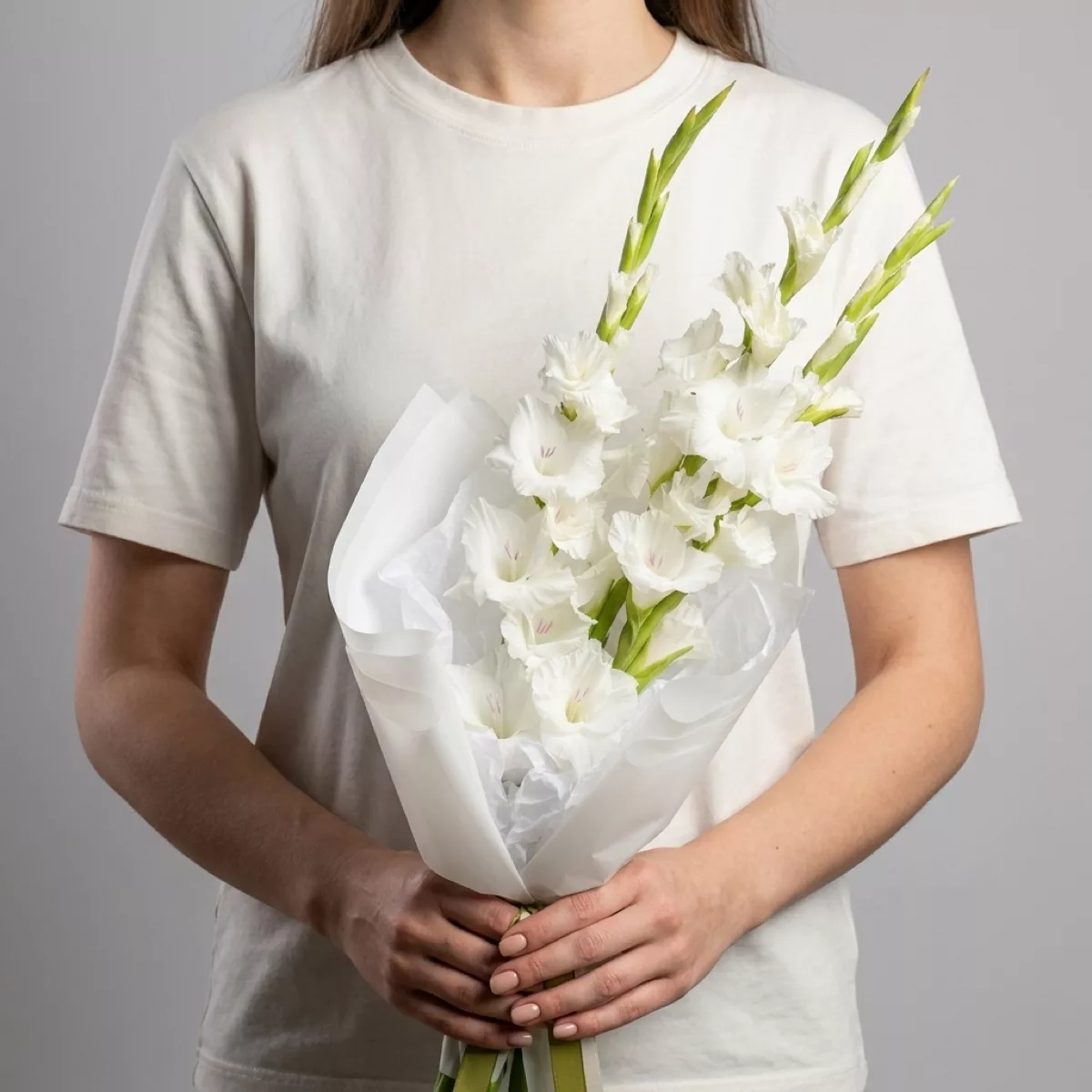
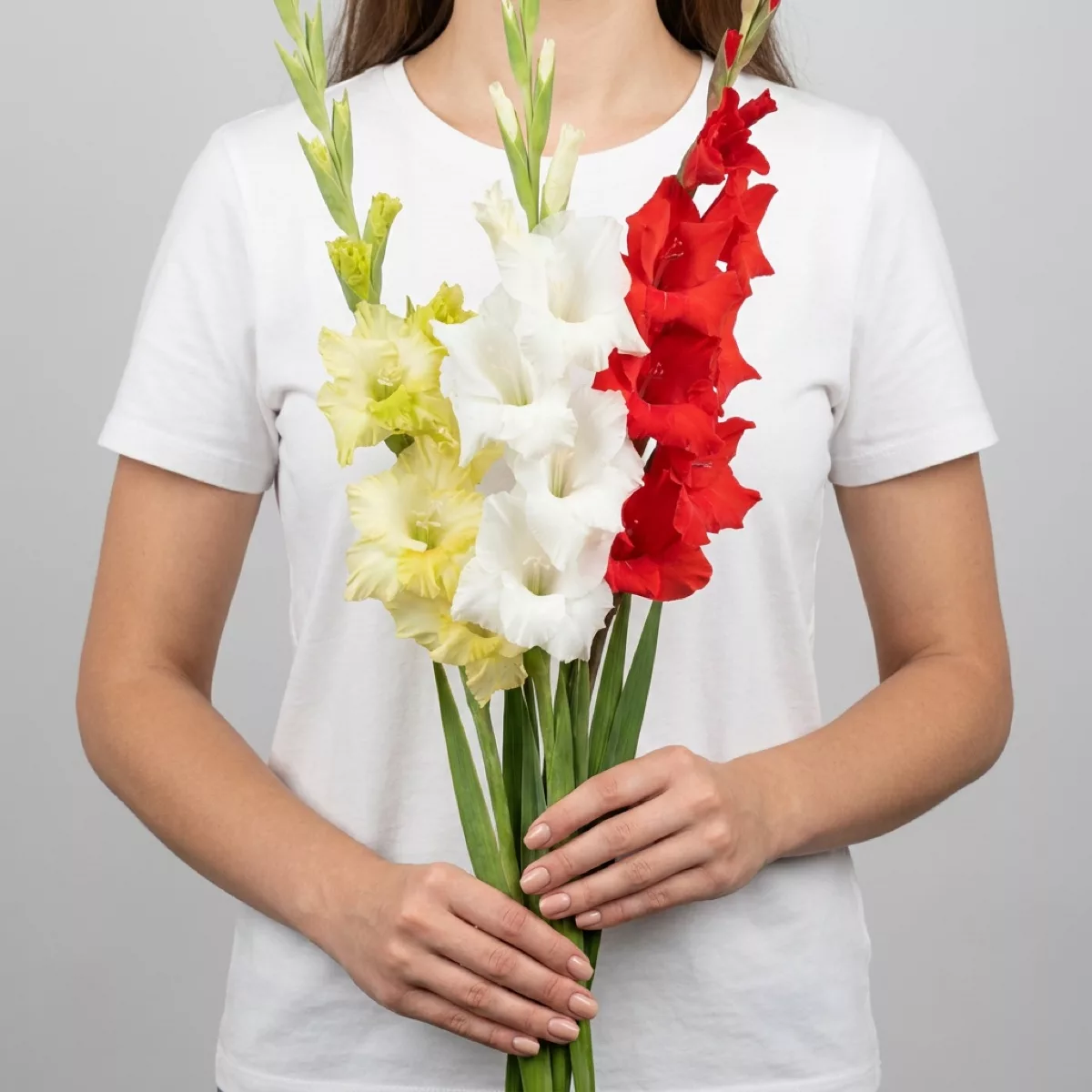
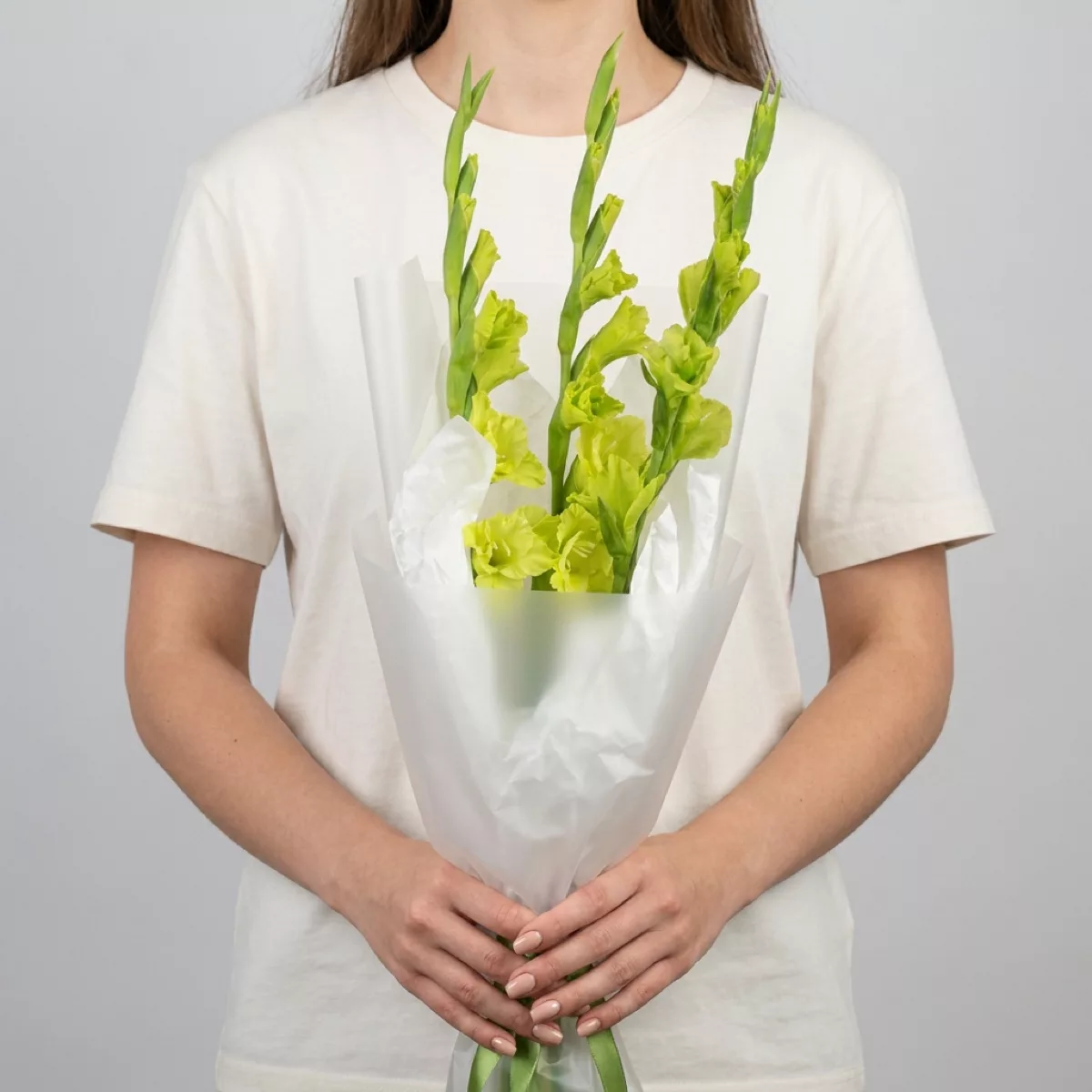
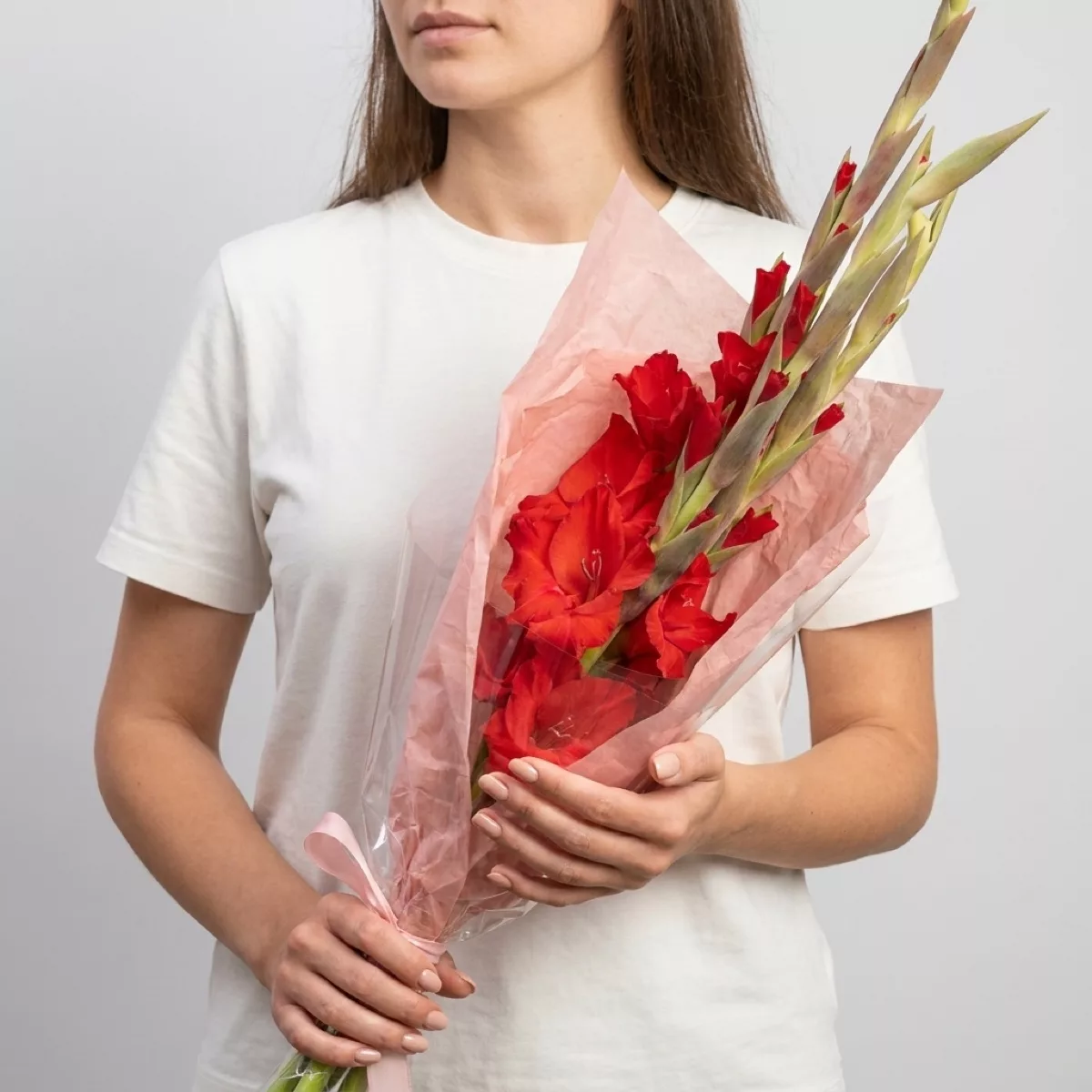
Bouquets we can deliver
Timing Your Order: When Flowers Actually Arrive in Beloyarsky
Turboflora delivers fresh flowers across Russia, and Beloyarsky falls within that reach. However, delivery timing here is not the same as in Saint Petersburg, where same-day delivery within one to two hours is standard. For Beloyarsky, you should plan your order at least one to two days in advance, and for important dates — birthdays, anniversaries, the eighth of March — three to four days ahead is a much safer approach.
The reason is straightforward. Flowers leave Saint Petersburg freshly cut and conditioned. They travel by the fastest available route, but Beloyarsky's location means transit time is a real factor. Ordering on the morning of a birthday and expecting afternoon delivery is a gamble that rarely pays off in northern Siberia.
Seasonal timing adds another layer. In December and January, cold packaging becomes critical. In July, heat management matters instead — a bouquet left in a warm vehicle for too long will wilt before it reaches the door. When you place your order, specify the preferred delivery window and include a phone number for the recipient. A quick call before arrival means the flowers go straight into water rather than sitting in a hallway for hours.
If the occasion is flexible — a thank-you gesture, a welcome home — consider ordering for the day after arrival rather than the exact day. It gives the logistics room to breathe and the recipient a proper surprise rather than a rushed delivery.
Choosing by Occasion: Who Is Receiving These Flowers and What Will They Feel
Start with the person, not the flower. A colleague celebrating a promotion wants something that looks confident and generous on a desk — think tall sunflowers, strong spray chrysanthemums, or a structured arrangement with solidago and lisianthus. A mother receiving flowers from a child studying in Saint Petersburg wants warmth: soft pink alstroemeria, white freesias with their quiet fragrance, or a round bouquet of garden roses that feels like a hug sent by courier.
For romantic occasions, red roses remain the clearest signal in Russian culture — they carry weight and intention. A dozen long-stemmed red roses is understood by everyone, regardless of age or background. If you want something slightly more personal, mix deep burgundy roses with white waxflower or eucalyptus. The contrast is striking, and the eucalyptus adds a gentle scent that lasts well into the week.
For new babies, white and pale yellow combinations feel fresh and gentle. Avoid heavily scented flowers in households with newborns — strong fragrance can overwhelm a small room. Spray roses, chamomile-type flowers like tanacetum, and soft greenery work beautifully without overpowering.
For a teacher, mentor, or someone you want to honour with dignity, consider a mono-bouquet: one variety, presented with care. All-white lisianthus or a single-colour arrangement of alstroemeria reads as considered rather than extravagant. In Russian gifting culture, a thoughtful single-variety bouquet often lands better than a busy mixed arrangement.
What Flowers Travel Well to Northern Siberia
Not every flower is suited to long-distance cold-weather delivery. Some varieties are genuinely robust; others are delicate and suffer the moment temperatures swing. Knowing the difference saves you from a beautiful photograph on the website becoming a wilted reality at the door.
Chrysanthemums are among the most reliable long-distance travellers. They handle cold well, drink water efficiently once they arrive, and hold their shape for ten to fourteen days with basic care. Alstroemeria is another excellent choice — the buds travel closed and open gradually over the following days, which means the recipient gets a bouquet that looks better on day four than on day one.
Roses travel well when properly conditioned and cold-packed. The key is stem preparation: roses need their stems cut at an angle and placed in water immediately on arrival. If they arrive slightly soft, a deep-water soak for two hours in a cool room will revive most of them completely. Avoid roses with very open heads for long-distance orders — they are already at peak and have less resilience for transit.
Freesias and tulips are more sensitive. Freesias bruise in rough handling, and tulips continue to grow after cutting, which means they can become floppy in transit. They are beautiful choices when conditions are right, but for maximum reliability in Beloyarsky's climate, lean toward chrysanthemums, spray roses, alstroemeria, and lisianthus. Greenery like ruscus and eucalyptus adds structure and travels extremely well in any season.
Options by Budget: What Different Price Points Actually Get You
A smaller budget does not mean a lesser gift — it means a different kind of thoughtfulness. A compact bouquet of five spray chrysanthemums wrapped in kraft paper with a ribbon is a genuinely lovely thing to receive. It is unpretentious, long-lasting, and says: I thought of you. In Russian culture, odd numbers of flowers are given to the living, so five, seven, or nine stems is the right count for a gift bouquet.
At a mid-range budget, you move into combination bouquets. This is where the florist's eye makes the biggest difference. A mix of alstroemeria, waxflower, and ruscus greenery creates volume and texture without needing expensive focal flowers. Adding two or three spray roses lifts the whole arrangement. The recipient sees generosity; the price point stays reasonable.
At a higher budget, you can work with premium roses — long-stemmed varieties from Ecuador or Kenya that have large heads and strong stems. Combine them with lisianthus, which has a ruffled, peony-like appearance that many people find more romantic than peonies themselves. Add a layer of eucalyptus or pittosporum for a finished, florist-quality look.
For the highest-end occasions, consider a hatbox arrangement or a wrapped bouquet with additional elements: a small candle, a box of chocolates, or a handwritten card in an envelope. The flowers carry the emotion; the extras signal that someone spent real time thinking about this gift. In Beloyarsky, where a beautiful flower delivery is not an everyday occurrence, the full presentation lands with particular impact.
What Your Recipient Should Do the Moment Flowers Arrive
The first thirty minutes after delivery are the most important for vase life. A bouquet that is unwrapped, trimmed, and placed in fresh water immediately will last significantly longer than one left in its packaging on a kitchen counter while someone finishes a phone call.
First, unwrap the flowers completely and remove any rubber bands from the stems. Cut one to two centimetres off the bottom of each stem at a forty-five degree angle — this increases the surface area for water uptake. Use a sharp knife rather than scissors, which can crush the stem tissue. Do this under running water or with the stems submerged to prevent air bubbles entering the cut.
Fill a clean vase with cool, fresh water. In Beloyarsky's cold climate, the water from the tap is often very cold, which is actually ideal — flowers prefer cool water in winter. If a sachet of flower food was included with the bouquet, dissolve it in the water before adding the stems. Flower food contains a mild acidifier, a sugar source, and a biocide, all of which extend vase life measurably.
Place the vase away from direct heat sources. In Siberian winters, radiators run constantly and strongly — a bouquet sitting next to a radiator will lose moisture rapidly and fade within two days. A cool windowsill away from draughts is ideal. Change the water every two days, re-cut the stems each time, and remove any leaves that fall below the waterline. These simple steps can double the life of almost any bouquet.
Common Mistakes People Make When Ordering to Remote Addresses
The most frequent mistake is leaving the delivery address incomplete. Beloyarsky has apartment buildings, private houses, and office addresses that may not appear clearly in standard mapping tools. Always include the full street name, building number, apartment or office number, and a working phone number for the recipient. If the building has an entry code or an intercom, include that too. A courier who cannot reach the recipient or find the entrance will not be able to leave a fresh bouquet on a doorstep in minus 25 weather.
The second mistake is choosing flowers by photograph alone without considering the transit. A fully open garden rose looks magnificent on screen but may arrive with bruised outer petals after a long cold journey. Ask the florist — or check the product description — whether the variety is suited to long-distance delivery. When in doubt, trust the florist's recommendation over your own aesthetic preference.
Third: ordering too late. This happens most often around major Russian holidays — the eighth of March, the fourteenth of February, and New Year. Demand spikes dramatically, and delivery slots to remote areas fill quickly. If you know the date, order a week in advance during peak periods. You can specify the delivery date at checkout.
Finally, do not forget the card message. In Russian gifting culture, the card is part of the gift. A bouquet arriving without any message feels anonymous. Even three short sentences — who it is from, what the occasion is, and one personal line — transforms a beautiful arrangement into something the recipient will remember. Write it when you order, not as an afterthought.
Sending flowers to Beloyarsky from Saint Petersburg is entirely possible, and when it is done with the right preparation, it is genuinely moving for the person on the receiving end. A fresh bouquet arriving in a northern Siberian city carries a particular kind of warmth — the message that someone in another part of Russia was thinking of you specifically, went to the effort of choosing something beautiful, and made sure it reached you. Order early, choose varieties that travel well, give the recipient clear instructions for care, and the flowers will do exactly what you want them to do.
Frequently asked questions
How far in advance should I order flowers for delivery to Beloyarsky?
For Beloyarsky, order at least one to two days ahead for standard occasions. For major holidays like the eighth of March or New Year, three to four days minimum is strongly recommended. Delivery slots to remote northern addresses fill faster than you might expect during peak periods, and the extra lead time ensures your flowers arrive fresh rather than rushed.
Will the flowers survive the cold climate in Beloyarsky?
Yes, when the right varieties are chosen and proper cold packaging is used. Chrysanthemums, alstroemeria, spray roses, and lisianthus are all reliable in cold transit. The bouquet is packed to protect against temperature extremes. Once it arrives, placing the stems in cool water immediately makes the biggest difference to how long the flowers last.
What is the correct number of flowers to give as a gift in Russia?
In Russian tradition, bouquets given to living recipients should contain an odd number of stems — five, seven, nine, eleven, and so on. Even numbers are associated with memorial occasions. When ordering, your florist will naturally follow this convention, but it is worth knowing if you are specifying a custom stem count yourself.
Can I include a gift or a card with the bouquet sent to Beloyarsky?
A handwritten card message is included with every order and is an important part of the gift in Russian gifting culture. Additional items such as chocolates or candles can often be added depending on availability — check the extras section when placing your order. Specify everything at checkout so the whole package travels together.
What should the recipient do if the flowers look slightly wilted on arrival?
This is usually reversible. Remove the packaging immediately, cut one to two centimetres off each stem at a diagonal angle, and place the bouquet in a deep container of cool water for two hours in a cool room away from radiators. Most flowers, especially roses and chrysanthemums, recover fully with this treatment. Contact us if the bouquet does not revive — we stand behind every delivery.
Ready to send flowers?
Pick the city, choose the bouquet, and a local florist takes it from there.
Choose a city →