Sending Flowers to Birobidzhan? Here Is What to Expect
Birobidzhan sits nearly six thousand kilometres from Moscow, close to the Chinese border, where winters are long and sharp and summers arrive with surprising warmth. Ordering flowers for someone there feels like a small act of courage — you want the bouquet to arrive looking exactly as you imagined it, not tired from a journey. This guide walks you through how delivery actually works in this city, what the climate means for your flower choices, and how to make the whole experience feel effortless for both you and the person receiving it.
Why Birobidzhan Is a Different Kind of Delivery City
Birobidzhan is the capital of the Jewish Autonomous Oblast and has a population of around seventy thousand people. It is a compact, walkable city built along the Bira River, with a distinct cultural identity that sets it apart from other Far Eastern towns. For flower delivery, this compactness is actually an advantage — couriers can reach most addresses within the city centre and residential districts quickly once an order is confirmed and assembled.
What makes it different from delivering to Saint Petersburg or Kazan is the distance from major wholesale flower hubs. Flowers travel further to reach this city, which means the assembly and dispatch process requires more careful planning on the florist's side. At Turboflora, we account for transit conditions when selecting stems, choosing varieties that hold their form and colour under longer handling times.
The city also has a strong local culture around gifts and celebration. Flowers are given at graduations, anniversaries, professional milestones and national holidays with genuine enthusiasm. If you are sending a bouquet to someone in Birobidzhan for the first time, know that the gesture will be received warmly — people here appreciate a well-presented arrangement and notice the thought behind it. A bouquet is not just decoration; it is a statement that you remembered someone from across a great distance.
Bouquets we can deliver


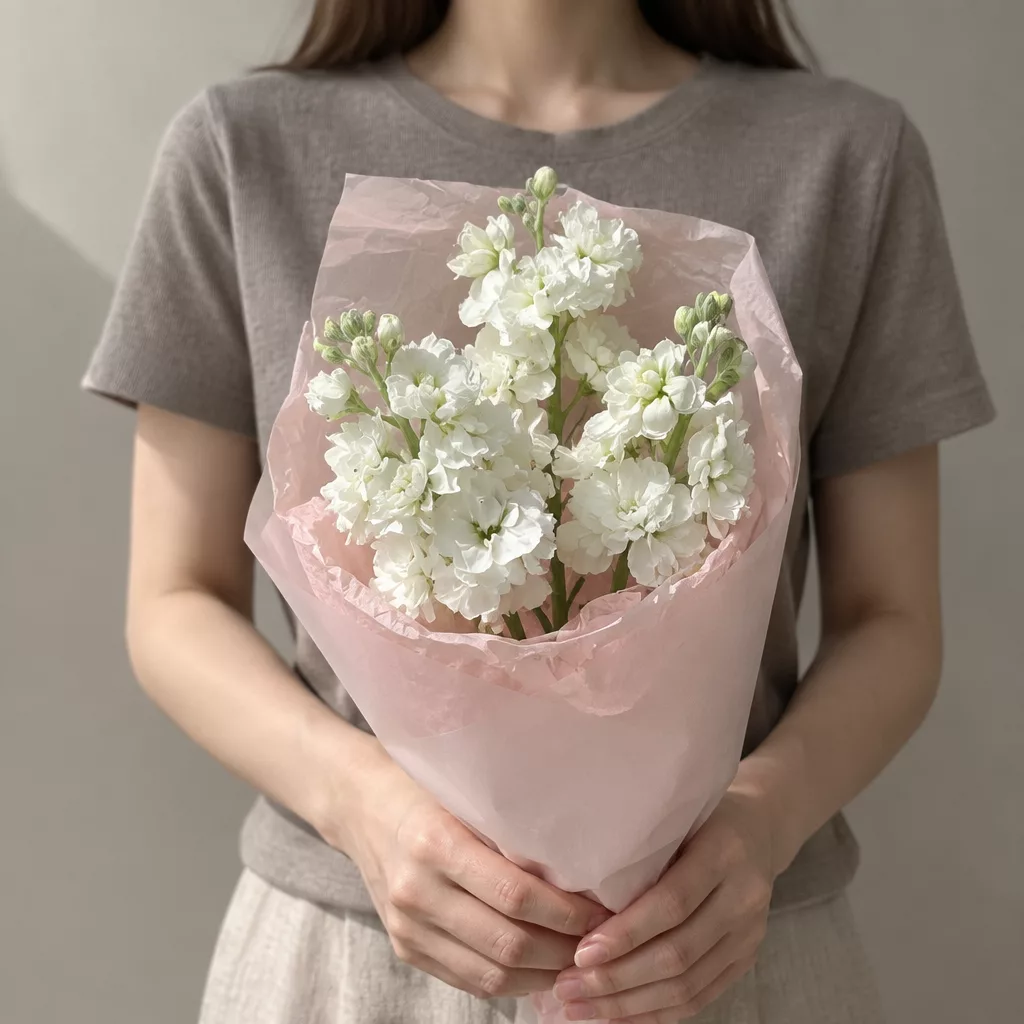
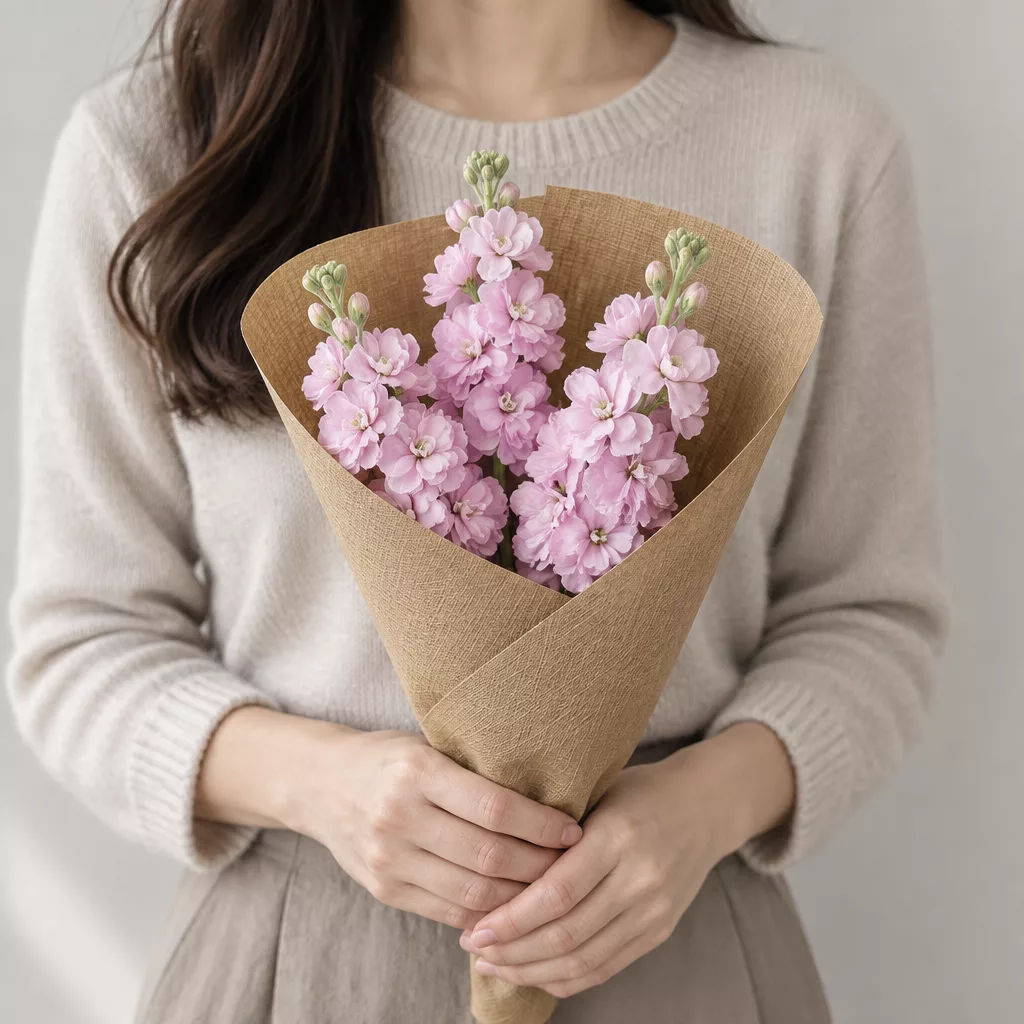
Delivery Timing: What the Distance Actually Means for You
Turboflora offers delivery across Russia, and Birobidzhan is part of that network. Because of the city's location in the Russian Far East, same-day delivery works differently here than in cities closer to our Saint Petersburg base. Orders placed with enough lead time — ideally the evening before or early in the morning of the delivery date — give our team the window needed to prepare and dispatch a fresh arrangement that arrives in excellent condition.
The one-to-two hour delivery window that applies within Saint Petersburg applies locally once the bouquet is in the city and with a courier. The broader journey to Birobidzhan requires planning, so communicating your preferred delivery time clearly when placing the order makes a real difference. If you are sending flowers for a birthday dinner at seven in the evening, placing the order by early afternoon gives the best chance of a relaxed, on-time arrival.
Time zones matter here too. Birobidzhan is in UTC+8, which is six hours ahead of Moscow and eight hours ahead of Saint Petersburg. When you are calculating the right moment to order, convert the times carefully. A florist in Saint Petersburg at nine in the morning is already mid-afternoon in Birobidzhan. Building that awareness into your order timing means the bouquet reaches the door when your recipient is actually home and ready to enjoy it, not sitting in a hallway waiting.
Choosing Flowers for Birobidzhan's Climate
The climate in Birobidzhan is continental with a strong monsoon influence. Winters can drop to minus twenty-five degrees Celsius and lower, while summers are warm and humid, often reaching thirty degrees. This range matters enormously when choosing flowers, because what survives a winter delivery differs from what works in July.
In winter, roses with tight bud heads — varieties like Red Naomi or Avalanche — travel better than open, multi-petalled blooms that can bruise in cold air. Chrysanthemums are excellent in cold conditions and hold their shape reliably. Alstroemeria is another strong winter choice: it is sturdy, long-lasting and comes in a wide range of warm tones that feel cheerful against a grey January backdrop. Avoid open-headed gerberas in deep winter, as their petals are sensitive to rapid temperature changes.
In summer, the challenge shifts to heat. Hydrangeas wilt quickly if they spend time in a warm vehicle without water, so they need careful handling. Sunflowers, on the other hand, travel well in summer and feel entirely right for the season. Lisianthus in cream or purple tones holds up in warmth and adds an elegant softness to any summer arrangement. When you are ordering in July or August, mention the outdoor temperature in your note — our florists adjust the composition and packaging accordingly to protect the stems during the final delivery leg.
What to Order for the Occasion, Not Just the Season
Before thinking about varieties, think about the person receiving the bouquet and what the day means to them. A colleague receiving flowers for a work anniversary wants something polished and not overly romantic — a structured arrangement of white spray roses, eucalyptus and a few stems of blue delphinium reads as professional and genuinely beautiful without overstepping. A mother celebrating her daughter's university graduation wants something that feels abundant and joyful: mixed peonies in season, garden roses and soft greenery that fills a room.
For romantic occasions, deep red roses remain the classic choice and they remain classic for good reason. But if you want to move slightly beyond the expected, a combination of burgundy ranunculus, blush spray roses and dark foliage like ruscus creates something that feels intimate and considered rather than simply conventional. The recipient notices that someone thought about the combination, not just the flower type.
Birthday bouquets in Russia often lean bold and generous in size. Russians tend to associate the volume of a bouquet with the warmth of the feeling behind it, so a full, round arrangement reads as more celebratory than a minimal one. If you are unfamiliar with this custom, it is worth knowing before you choose a small, refined posy — it may look understated rather than elegant to local eyes. Opt for something with presence: full stems, visible blooms and a colour story that feels complete.
Presentation and Packaging for a Long-Distance Bouquet
When flowers travel to a city as far as Birobidzhan, packaging is not just aesthetics — it is protection. Every bouquet we send is wrapped in a way that keeps stems hydrated and blooms separated so they do not press against each other during transit. Kraft paper and soft inner wrapping hold the arrangement without crushing petals, and the overall shape of the bouquet is maintained with structural support inside the packaging.
The outer presentation still matters enormously, because the first moment of unwrapping is part of the gift. We use ribbon, coordinated wrapping tones and clean finishing so that the bouquet looks intentional and beautiful the moment it is opened. If you are sending flowers as a surprise, that first visual impression is everything — the recipient should feel that someone put real thought into every detail, from the flower selection to the way it is tied.
For winter deliveries, bouquets are additionally protected against cold exposure during the final outdoor leg. Insulating layers are added around temperature-sensitive blooms. In summer, packaging is kept lighter to allow airflow and reduce heat retention. These adjustments happen automatically based on the season, but if you have specific concerns — for example, the recipient lives in a building with a long outdoor walk — you can note this when placing the order and we will adapt the packaging accordingly.
Care Instructions to Pass Along to Your Recipient
A bouquet arriving in Birobidzhan after a journey deserves a good welcome. The most important first step is re-cutting the stems — about two centimetres off the bottom at a diagonal angle, ideally under running water or submerged in a bowl. This reopens the stem's water channels, which may have closed slightly during transit, and allows the flower to drink properly from the first moment it is placed in a vase.
The vase itself should be clean and filled with cool, fresh water. Warm water encourages bacteria to grow, which shortens vase life significantly. Remove any leaves that fall below the waterline for the same reason — decomposing foliage clouds the water and introduces bacteria that attack the stems. Change the water every two days and re-cut the stems each time.
Placement in the room matters more than most people expect. Keep the bouquet away from direct sunlight, radiators and open windows in winter. In Birobidzhan's cold months, a window ledge that seems cool to the touch can actually expose flowers to freezing air, especially at night. A table in the centre of a room, away from heat sources and draughts, gives most bouquets the best chance of lasting well. Roses and alstroemeria typically last seven to ten days with good care. Lisianthus can go two weeks. Hydrangeas are more demanding — they need misting and very fresh water to hold their heads upright past the first few days.
Making the Order Feel Personal Across the Distance
Sending flowers from another city — or another country — carries a particular kind of meaning. The recipient knows you could not be there in person, and the bouquet becomes a proxy for your presence. That is why the details you add to an order matter so much: the message card, the colour choices that reflect something you know about the person, the timing that lines up with the exact moment they will most appreciate it.
A handwritten-style message card included with the delivery transforms a beautiful bouquet into a complete gesture. In Russia, it is common to write something warm and direct — congratulations are expressed with genuine enthusiasm, and affectionate language between friends and family is entirely normal. If you are writing a card message in Russian but are not a native speaker, keep it simple and sincere. A short, clear sentence in imperfect Russian is received more warmly than a long translated paragraph that sounds stiff.
If you know the recipient's favourite flower or colour, use it. If you know they keep a particular kind of vase, consider the bouquet shape accordingly — a tall cylindrical vase suits long-stemmed roses and irises, while a wide-mouthed bowl works beautifully with a low, rounded arrangement of garden roses and herbs. These small calibrations are what make a flower delivery feel like it came from someone who truly knows the person, rather than a standard order placed in a hurry. That feeling, arriving at someone's door in Birobidzhan on a cold Tuesday afternoon, is the whole point.
Birobidzhan may be one of Russia's most distant cities, but a well-chosen bouquet reaches it with full intention intact. The distance asks a little more planning from you — the right timing, the right varieties for the season, a clear delivery window — but the result is a gesture that lands with real weight. Someone in that Far Eastern city will open their door, see flowers that were chosen specifically for them, and know that the distance between you was never really the point.
Frequently asked questions
Can I order flowers to Birobidzhan for same-day delivery?
Same-day delivery to Birobidzhan is possible when an order is placed early enough to allow for preparation and dispatch. Because of the time zone difference — Birobidzhan is eight hours ahead of Saint Petersburg — placing your order the evening before or in the early morning gives the most reliable result. Contact us directly to confirm availability for your specific date and time.
Which flowers hold up best in Birobidzhan's cold winters?
Roses with tight bud heads, chrysanthemums and alstroemeria are the most reliable choices for winter delivery. They tolerate cold air during outdoor transit better than open, delicate blooms. We also adjust packaging with insulating layers in winter months to protect petals during the final delivery leg. Avoid requesting open gerberas or hydrangeas for January and February deliveries.
How many days will the bouquet last after it arrives?
With proper care — re-cut stems, clean cool water changed every two days, placement away from heat and sunlight — roses and alstroemeria typically last seven to ten days. Lisianthus can hold for up to two weeks. Hydrangeas are more demanding and last best when misted daily and kept in very fresh water. We include care instructions with every delivery.
Is it possible to include a personalised message card with the delivery?
Yes, a message card is included with every order. You write the text when placing your order, and we print it in a handwritten style and attach it to the bouquet. You can write in Russian, English or any language you prefer. Keeping the message warm and direct works best — a sincere short sentence lands more naturally than a long formal paragraph.
What should I do if the recipient is not home at the time of delivery?
When placing your order, include the recipient's phone number so our courier can call ahead and coordinate arrival. If the recipient is unexpectedly unavailable, the courier will contact you to arrange an alternative time. We do not leave bouquets unattended in cold weather, as exposure to frost even for a short time can damage the blooms significantly.
Ready to send flowers?
Pick the city, choose the bouquet, and a local florist takes it from there.
Choose a city →