Sending Flowers to Biysk? Here Is What to Expect
Biysk sits at the edge of the Altai foothills, and the people who live there are used to real things — solid food, honest conversation, flowers that actually look alive when they arrive. Whether you are sending a bouquet from across the country or ordering for someone a few streets away, the details matter: which varieties survive the journey, how long delivery realistically takes, and what the recipient will see when they open the door. This article walks you through all of it, from choosing the right arrangement for the occasion to keeping the stems fresh for as long as possible.
Which Parts of Biysk We Reach and How Quickly
Biysk is the second largest city in the Altai Krai, and its layout reflects that — the historic centre near the Biya River, the newer residential districts spreading northward, and industrial zones that blend into quieter neighbourhoods. Delivery covers the full city boundary, including Zaton, Priobsky and the areas along Lenina Prospekt, so there is no part of town where a bouquet cannot reach. The standard delivery window runs from one to two hours after the order is confirmed. That window accounts for assembly time in the studio, careful packaging and the drive itself. In warm months, when roads are clear, many deliveries land closer to the one-hour mark. In winter, especially during heavy snowfall or ice on the Chuysky Trakt approach roads, the driver may need the full two hours — and occasionally a few minutes beyond that. It is worth building in a small buffer if the moment is time-sensitive, like a birthday breakfast or a pre-theatre surprise. When you place the order, you choose a delivery slot rather than a single fixed minute. This gives the florist room to assemble the bouquet properly rather than rushing the stems into a box. A hurried bouquet shows — the foliage is crushed, the focal flowers face the wrong way, the wrapping is uneven. Choosing a realistic slot is the first step toward a bouquet that genuinely impresses the person receiving it.
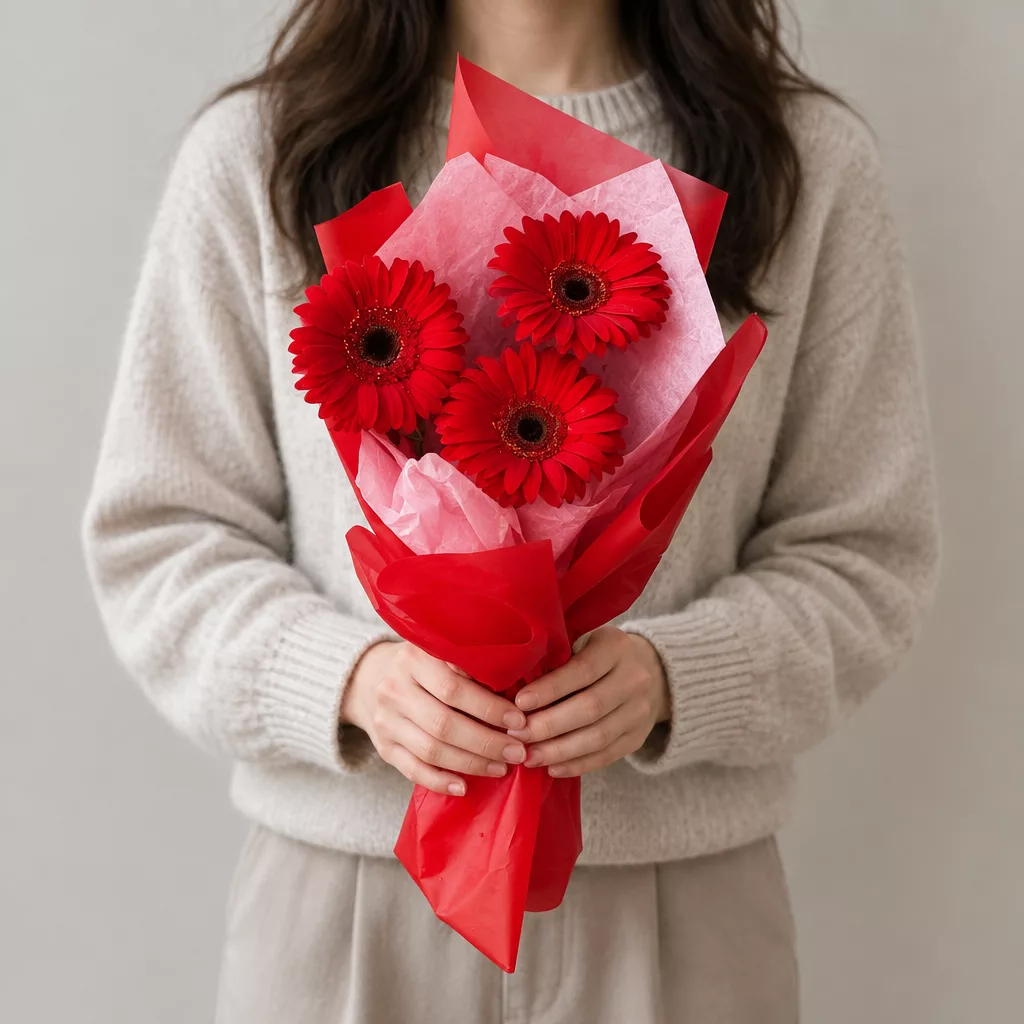
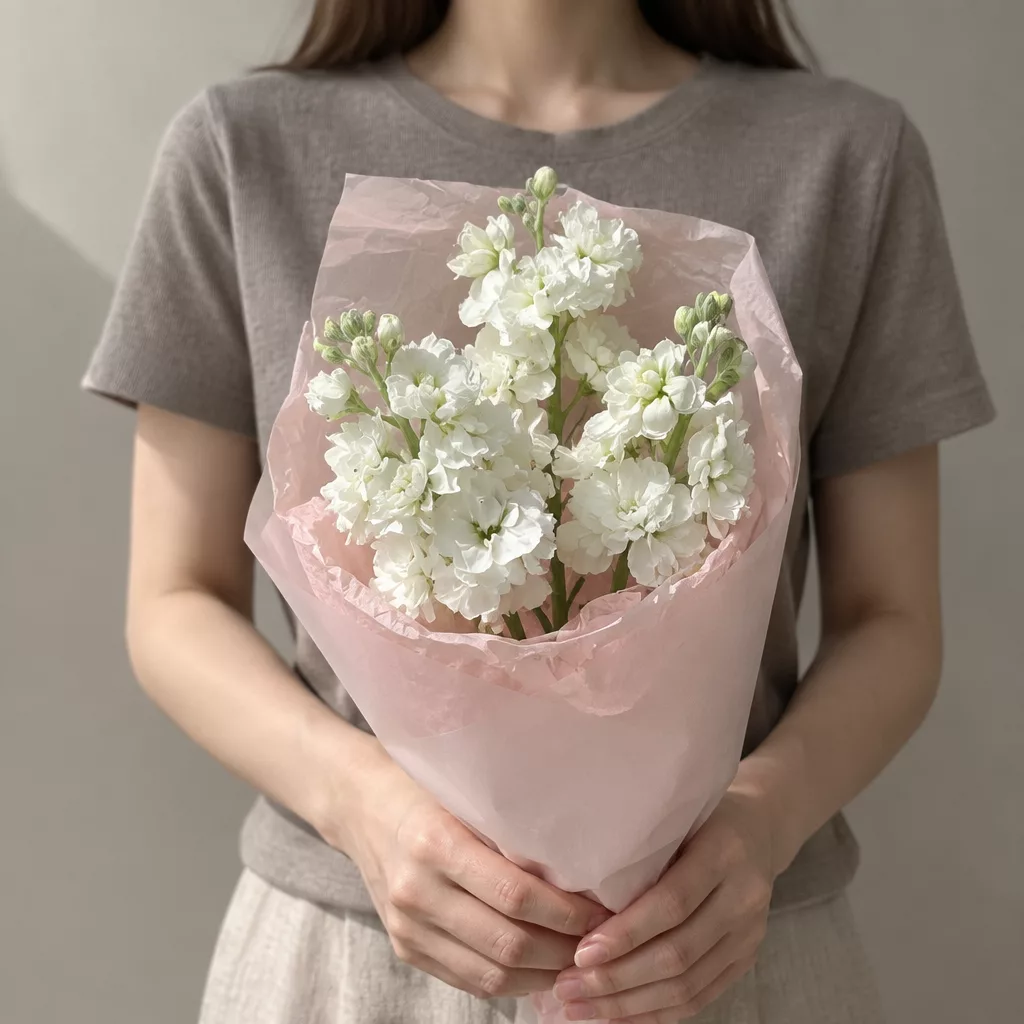
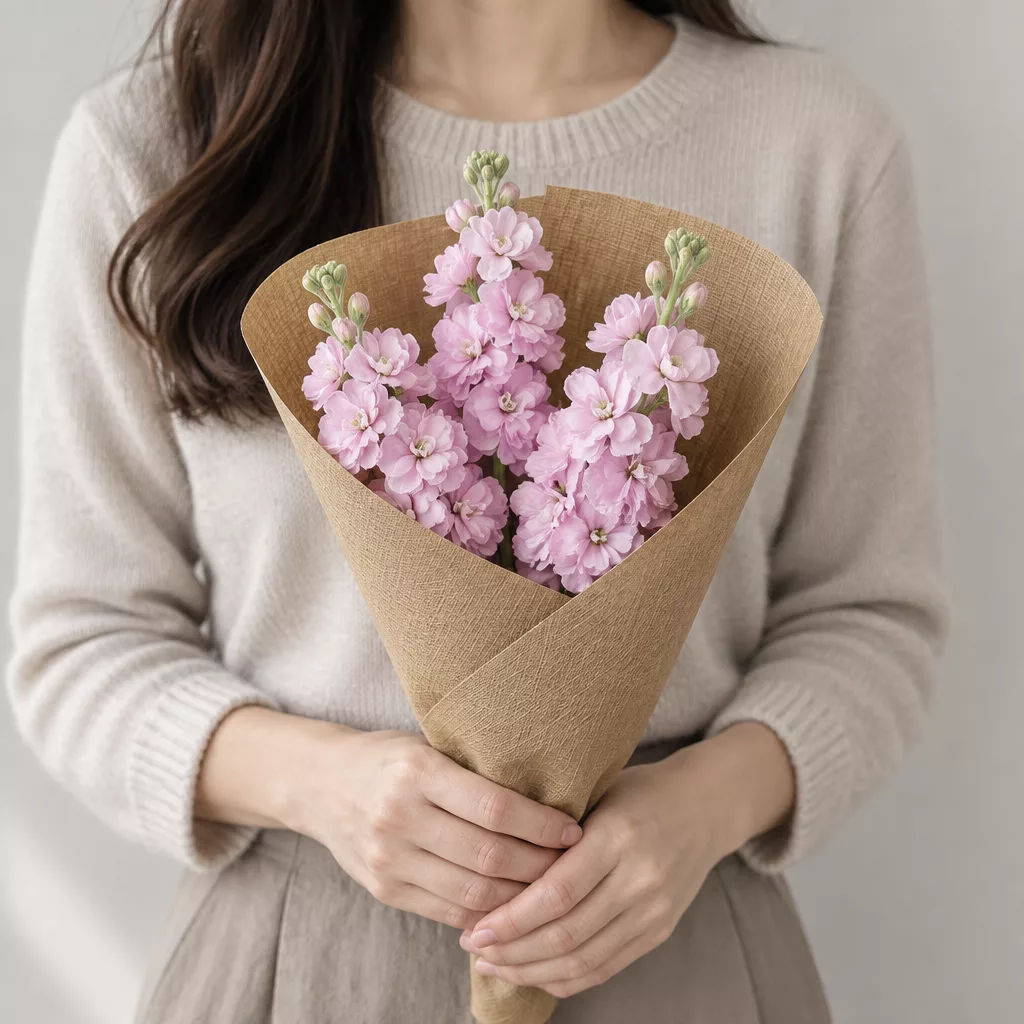
Bouquets we can deliver

What the Altai Climate Does to Fresh Flowers
Biysk experiences a sharply continental climate: summers can push above 30 degrees Celsius, and winters regularly drop below minus 20. Both extremes create real challenges for cut flowers, and understanding them helps you make smarter choices when ordering. In summer, the main enemy is heat. Roses, lisianthus and ranunculus are sensitive to temperatures above 25 degrees and will begin wilting within an hour if left in a warm car or a sunny entrance hall. For warm-weather deliveries, we use insulated packaging and keep the transit time as short as possible, but the recipient should move the bouquet into a cool room immediately. Avoid placing it near a window with direct afternoon sun. In winter, the opposite problem applies. Chrysanthemums, alstroemeria and carnations handle cold reasonably well and are excellent choices for January and February deliveries. Roses and tropical varieties like anthuriums are more vulnerable to frost damage — even a few minutes below minus 10 can cause the outer petals to bruise and turn translucent. We wrap cold-weather bouquets in thermal paper and box them, but the handover at the door should be quick. Ask the recipient to unwrap the flowers inside rather than on the doorstep. Spring and autumn in Biysk are mild and genuinely the easiest seasons for flower delivery — stems travel well, and the widest range of varieties is available without compromise.
Choosing Flowers for the Person, Not Just the Occasion
Russian gifting culture places a lot of weight on the bouquet feeling personal rather than generic. A wrapped bundle of identical roses is acceptable, but a thoughtful combination — where the colours, the textures and the scale all seem chosen for this particular person — lands far more warmly. Start with what you know about the recipient. Someone who keeps a tidy, minimal home often appreciates a single-variety bouquet with clean lines: all-white spray roses, or a tight cluster of blue irises with no filler. Someone with a garden or a love of wild landscapes tends to respond to mixed arrangements that feel gathered rather than composed — think chamomile, cornflowers and wheat ears together, or peonies mixed with eucalyptus and sweet peas. For a woman celebrating a significant birthday, volume matters as much as variety. A full, generous bouquet signals that the occasion was taken seriously. Peonies in season, garden roses and ranunculus together create that impression without looking overdone. For a colleague or a teacher — people where the relationship is warm but not intimate — a medium-sized arrangement of alstroemeria or freesia in soft tones reads as genuine without overstepping. Men in Russia do receive flowers, more commonly than in some other countries. Straightforward choices work best: a bold arrangement of sunflowers, or a structured bunch of red tulips. Avoid anything that reads as delicate or purely decorative — the bouquet should feel like a considered gift, not an afterthought.
Seasonal Availability and What Is Worth Ordering When
Knowing what is genuinely in season prevents disappointment and usually produces a better bouquet. Flowers that are in their natural season arrive fresher, last longer in the vase and cost less because supply is steady. In late spring and early summer — May through June — peonies are the standout choice. They are beloved across Russia and carry a strong association with warmth and celebration. Biysk recipients tend to react to peonies with immediate recognition and pleasure. Pair them with mint or eucalyptus for a bouquet that smells as good as it looks. Tulips arrive in force from March through April. Dutch tulips are available year-round through import, but the spring flush brings the widest colour range, including the striped and fringed varieties that look extraordinary in a vase. Roses are available in every month, but the quality of Ecuadorian and Colombian roses peaks in cooler months when the cold chain from airport to studio is easier to maintain. From November through February, long-stemmed roses with large heads and strong stems are at their best. Chrysanthemums are the workhorses of Russian floristry and deserve more credit than they receive. They last two to three weeks in a vase, come in a range of forms from tight pompons to open spider varieties, and handle Biysk winters without complaint. If you want the recipient to enjoy the flowers for as long as possible, a chrysanthemum-forward arrangement is a genuinely practical choice. Freesia and lisianthus add elegance to any season and both carry a light, pleasant scent that fills a room without being overwhelming.
How to Order When You Are Not in Biysk Yourself
Ordering flowers for someone in a city you are not standing in requires a little more trust and a little more information. The most important thing to provide is a precise delivery address — apartment number, entrance number and floor. In Russian apartment buildings, entrances are numbered separately from the main street address, and a missing entrance number can add twenty minutes to a delivery while the driver calls ahead. The intercom code, if the building has one, is equally important. Many newer residential buildings in Biysk use coded intercoms, and without the code the driver cannot reach the door. Include it in the order notes. If you want the delivery to be a surprise, note that explicitly. The driver will not call the recipient ahead of time, and the sender's name will not appear on the outer packaging. The card message, if you include one, is printed and placed inside. Write the message in whatever language feels natural — Russian or English both work, and the sentiment is what matters. For long-distance senders who are unfamiliar with Russian naming customs, it is worth knowing that Russian recipients typically prefer a specific, personal message over a generic phrase. Something that references a shared memory or a specific quality of the person feels more meaningful than a standard birthday greeting. If you are unsure what to write, keep it simple and direct: a single warm sentence is better than a formal paragraph that feels copied from a template.
Vase Life and Care After the Bouquet Arrives
A well-made bouquet deserves proper care, and most flowers last significantly longer when a few simple steps are followed. The first thing the recipient should do is trim the stems — about two centimetres, cut at a diagonal with a sharp knife rather than scissors, which can crush the stem tissue. Do this under running water or submerged in a basin so air does not enter the cut before the stem reaches the vase. Fill the vase with cool, clean water. Room-temperature water is fine; avoid warm water, which accelerates bacterial growth. Change the water every two days and re-trim the stems each time. Remove any leaves that fall below the waterline — they decompose quickly and cloud the water, shortening the life of the whole arrangement. Placement in the room makes a real difference. Keep the bouquet away from radiators, which are common in Russian apartments and run hot through the winter. A windowsill looks beautiful but exposes the flowers to cold drafts in winter and direct sun in summer. A table in the centre of a cool room is usually the best spot. Different varieties have different lifespans. Alstroemeria and chrysanthemums typically last fourteen to twenty-one days with good care. Roses, depending on the head size and the season, give seven to twelve days. Tulips are shorter — five to seven days — but they continue to grow and move in the vase in a way that many people find charming. Ranunculus and peonies last around seven to ten days and should be kept especially cool to slow the opening of the blooms.
Small Details That Make a Delivery Feel Special
The mechanics of delivery — timing, temperature, correct address — are the foundation. But the details that the recipient actually notices and remembers are often smaller and more personal. The way a bouquet is wrapped tells the recipient something before they even look at the flowers. Kraft paper with a single satin ribbon reads as understated and confident. Multiple layers of cellophane with glitter feels festive but can overwhelm a delicate arrangement. When you order, you can specify the wrapping style, and it is worth thinking about what suits the person rather than defaulting to whatever is suggested. A handwritten card, even a short one, changes the experience entirely. In a world of text messages, a physical note inside a bouquet feels considered. If you are ordering online from another city, take a moment to write something that could only come from you — a reference to something specific, a private joke, a direct expression of feeling. The driver is the last person who touches the bouquet before the recipient does, and a calm, unhurried handover matters. If the recipient is not home, we will contact you to arrange a new delivery time rather than leaving the bouquet in a corridor where it can be damaged or stolen. It is always worth confirming that the recipient will be available in the chosen window, or giving a neighbour's name as a backup contact. These small preparations are what separate a delivery that arrives and a delivery that is remembered.
Biysk is not a city that needs elaborate gestures — the people here respond to sincerity, to something chosen with care and delivered when it was promised. Getting flowers there well means understanding the climate, picking varieties that travel honestly, and giving the recipient something that feels personal rather than routine. When all of that comes together, a bouquet becomes more than a gift. It becomes the thing someone photographs and keeps on the table for as long as the stems will allow.
Frequently asked questions
Can I order flowers for same-day delivery in Biysk?
Yes. Orders placed with a confirmed address and payment are assembled and dispatched the same day, with delivery arriving within one to two hours. For time-sensitive moments like a morning birthday or an evening celebration, choose a delivery slot when you order rather than requesting the earliest possible time — it gives the florist room to build the bouquet properly.
What happens if the recipient is not home when the flowers arrive?
The driver will contact the sender rather than leave the bouquet unattended. You can then arrange a new delivery window that works for the recipient. It is always worth confirming availability before placing the order, or providing a trusted neighbour's name in the order notes as a backup, especially for surprise deliveries.
Which flowers hold up best during a Biysk winter delivery?
Chrysanthemums, carnations and alstroemeria are the most cold-tolerant cut flowers and are excellent winter choices. Roses travel well when properly packed but should be unwrapped indoors immediately. Avoid requesting tropical varieties like anthuriums or birds of paradise during hard frosts, as even brief exposure below minus ten degrees can damage the blooms visibly.
Is it possible to include a card message if I am ordering from another city?
Absolutely. When you place the order online, there is a field for your card message. It is printed and placed inside the bouquet packaging. Write in Russian or English — either works. A specific, personal message always lands better than a standard phrase, so even a single sentence that references something particular to the recipient will make the gift feel more meaningful.
How do I make sure the bouquet lasts as long as possible after delivery?
Trim the stems diagonally under water as soon as the bouquet arrives, place it in a clean vase with cool water, and keep it away from radiators and direct sunlight. Change the water every two days and re-trim the stems each time. Remove any leaves below the waterline. Chrysanthemums and alstroemeria can last up to three weeks this way; roses typically give seven to twelve days.
Ready to send flowers?
Pick the city, choose the bouquet, and a local florist takes it from there.
Choose a city →