Sending Flowers to Bogdanovich? Here Is What to Expect
You want someone in Bogdanovich to open their door and feel genuinely surprised — not just to receive a box with something wilted inside. Whether it is a birthday, an anniversary, or simply a moment when you want to say you are thinking of them, the flowers need to arrive fresh, arranged well, and at the right time. This article walks you through everything that shapes a successful delivery to Bogdanovich: the geography, the timing, the best choices by season, and the small details that make the difference between a gift that lands and one that disappoints.
Where Bogdanovich Sits and Why That Matters for Delivery
Bogdanovich is a town in Sverdlovsk Oblast, located roughly 80 kilometres east of Yekaterinburg along the Trans-Siberian corridor. It is a working industrial town with a clear residential layout, which means addresses are generally straightforward to find and couriers do not lose time navigating unusual street plans. That said, it is not a major metropolitan centre, so delivery logistics require more planning than sending flowers across Saint Petersburg itself.
The distance from our Saint Petersburg base means that flowers travel by temperature-controlled courier rather than by a local van doing short neighbourhood runs. This is actually an advantage in one respect: the cold chain is maintained throughout, which keeps roses and tulips in tight-bud stage far longer than a warm car boot would allow. Flowers arrive in the same condition they left the shop.
For the recipient, the experience is simply someone knocking at their door with a fresh bouquet. They do not need to know any of the logistics. What they see is colour, fragrance, and the care someone took to send something beautiful all the way to their city. That impression is entirely shaped by how well the flowers were packed and conditioned before departure, which is where our preparation process matters most.
Bouquets we can deliver

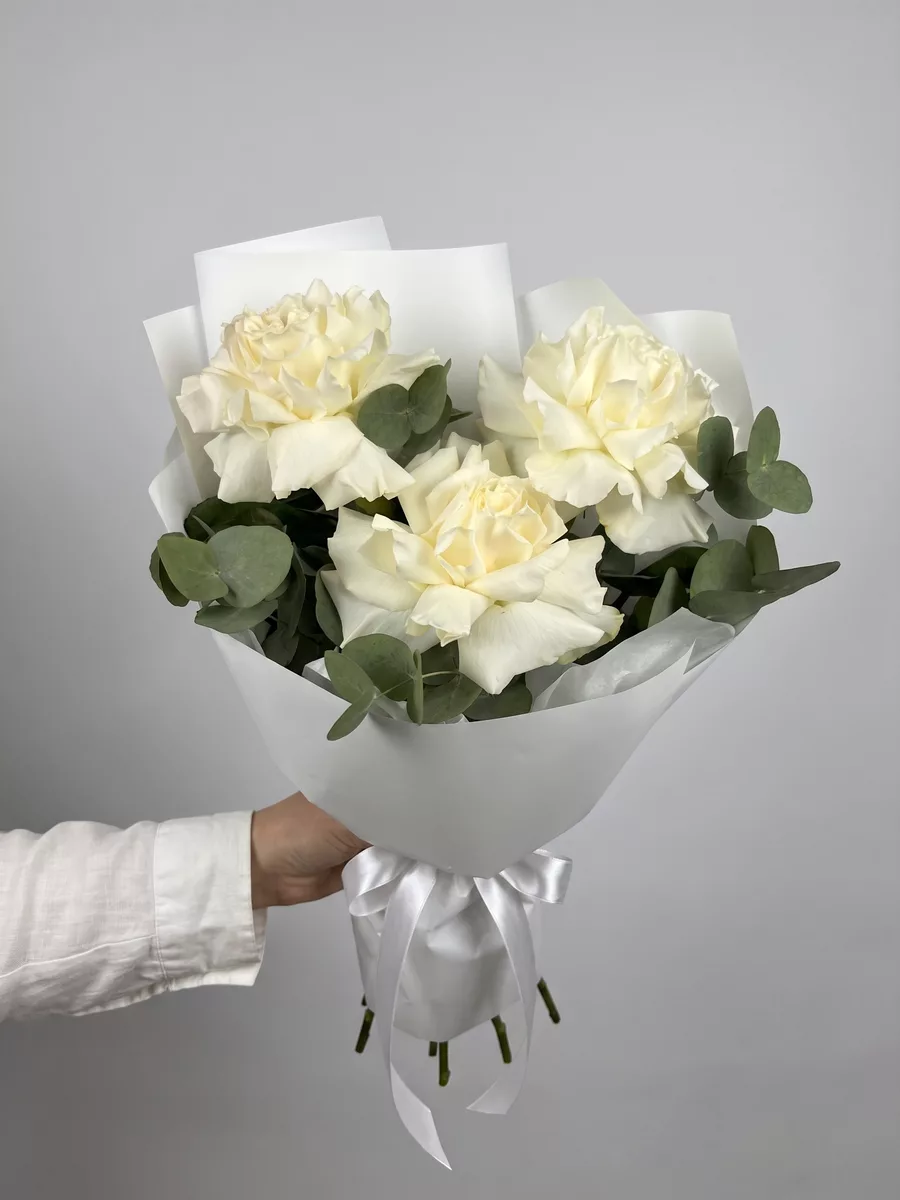
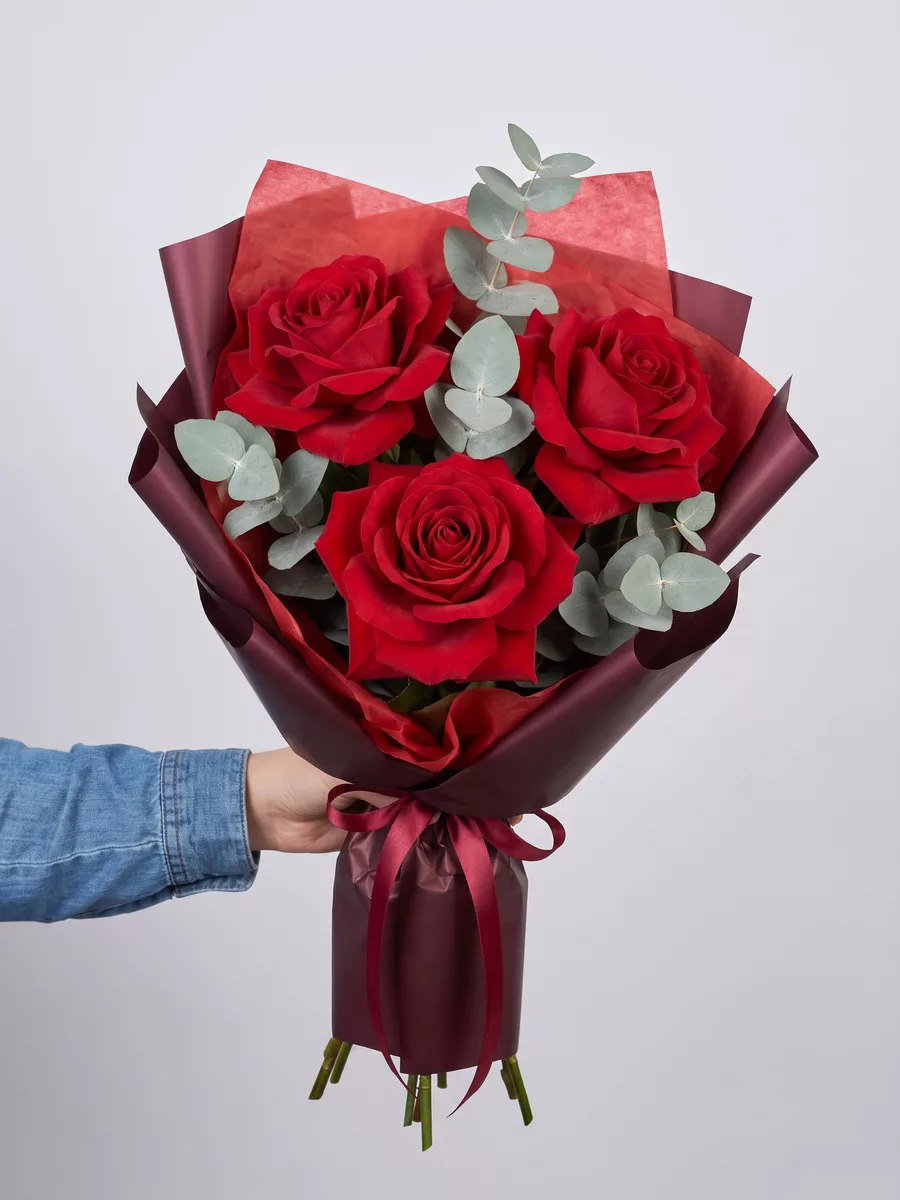
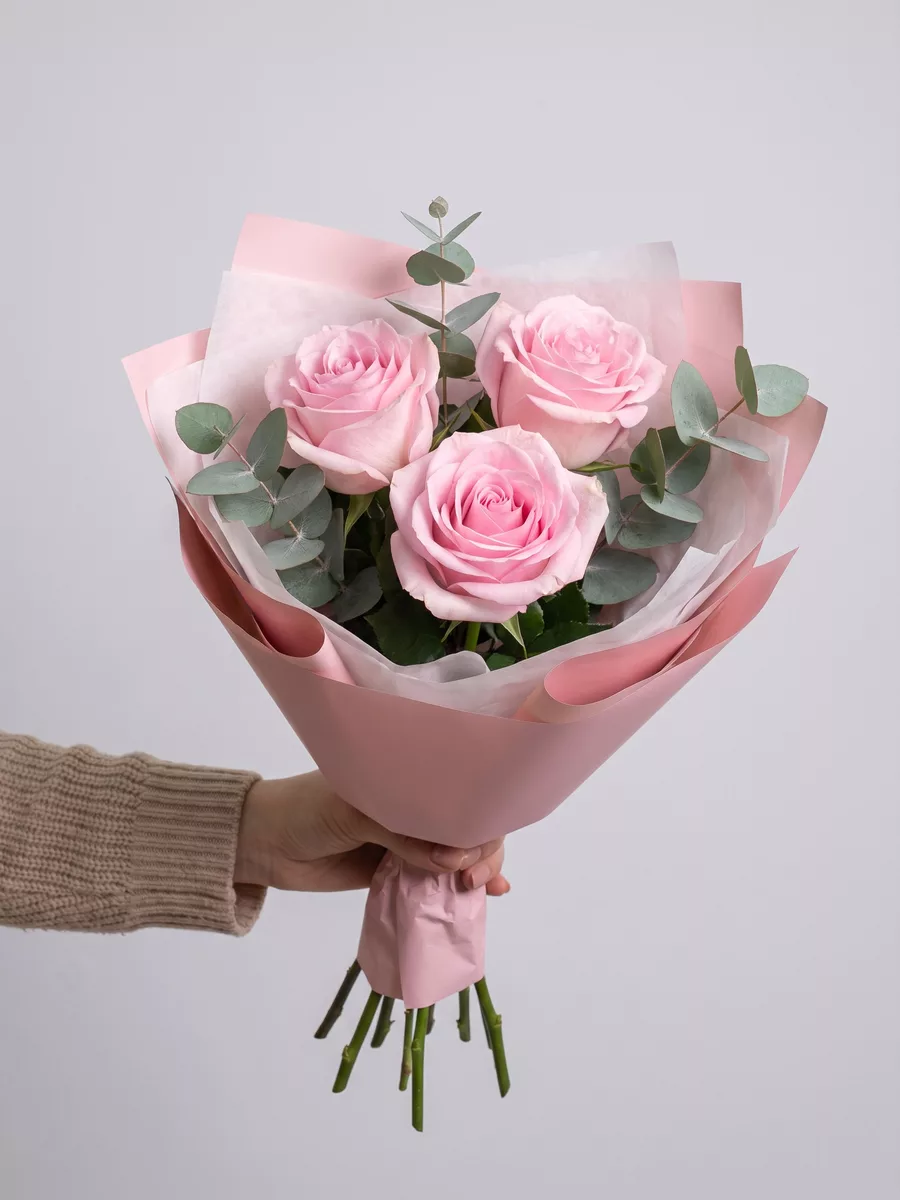
Delivery Timing: What the Window Really Looks Like
Turboflora operates on a one-to-two-hour delivery promise within Saint Petersburg, and we are transparent about how that model extends to cities like Bogdanovich. For inter-city delivery, the timeframe is naturally longer, and the honest answer is that same-day delivery depends on when you place your order and which courier service is running that corridor on that day. Orders placed in the morning have the strongest chance of arriving the same evening.
For guaranteed next-day delivery, placing your order the evening before gives us full preparation time. We condition the flowers overnight — meaning the stems are cut at an angle, placed in fresh water with a floral preservative solution, and kept at between two and five degrees Celsius. This conditioning period actually improves vase life significantly, because the cells are fully hydrated before the bouquet is packed for transit.
If the occasion has a fixed time — a birthday dinner, a graduation ceremony — build in a buffer. Ask for delivery in the late morning rather than hoping for a precise afternoon slot. Bogdanovich is not a city where traffic is unpredictable the way Moscow or Saint Petersburg can be, but courier schedules on long-distance runs do not always allow for exact-hour precision. Being a few hours early is always better than being a few hours late when flowers are involved.
Choosing Flowers for the Person, Not Just the Occasion
The occasion tells you the mood; the person tells you the flower. A formal anniversary calls for something structured — long-stemmed red or deep-pink roses, perhaps with eucalyptus for a modern edge. A birthday for someone who loves colour and informality is better served by a mixed bouquet of sunflowers, orange gerberas, and green alstroemeria. Think about the room the flowers will sit in, the personality of the person receiving them, and how much time they typically spend caring for plants.
For recipients who travel frequently or lead busy lives, choose varieties with naturally long vase life. Chrysanthemums, alstroemeria, and carnations regularly last ten to fourteen days with basic care. Roses last well too, provided the recipient knows to recut the stems on arrival and change the water every two days. Lilies are a strong choice for dramatic impact — a single stem of oriental lily will open over several days and fill a room with scent.
In Russian culture, the number of flowers in a bouquet carries meaning: an even number is traditionally associated with mourning, so bouquets for celebrations are always composed of an odd number of stems. If you are sending flowers to someone in Bogdanovich and you are not familiar with this custom, it is worth knowing. We always compose bouquets with this in mind, so you do not need to count — but it is useful context if you are specifying a custom arrangement.
Seasonal Availability and What Grows Well in Each Month
Russia's climate shapes what flowers feel right at different times of year, and Bogdanovich sits in a continental zone with cold winters and warm summers. Even though our flowers are sourced from professional growers and not locally cut, the seasonal instinct of the recipient matters. In January and February, white and cream tones feel elegant — freesia, white spray roses, and waxflower create bouquets that feel considered rather than generic.
Spring in Russia carries enormous emotional weight. The appearance of tulips in March is almost a cultural event, marking the end of a long winter. Tulips in yellow, coral, and deep purple are the strongest choice for March and April deliveries. By May, peonies begin to arrive in volume — a full, lush peony bouquet in blush or white is one of the most beloved gifts you can send to a Russian woman, and they are available for a short window of roughly six to eight weeks.
Summer brings the widest variety: sunflowers, lisianthus, garden roses, and dahlias. These are also the months when heat becomes a factor in transit, so our temperature-controlled packaging is especially important for deliveries to Sverdlovsk Oblast, where July temperatures can reach 30 degrees Celsius or above. Autumn is the season for deep tones — burgundy roses, orange and rust-coloured chrysanthemums, and branches of hypericum berry for texture. These arrangements hold up particularly well in the cooler temperatures of September and October.
Budget and Presentation: Getting the Balance Right
The way a bouquet is presented often matters more to the recipient than its monetary value. A modest arrangement of five garden roses wrapped in kraft paper with a satin ribbon and a handwritten card creates a warmer impression than a large, loosely assembled bunch in a plastic sleeve. Presentation is where the thought shows.
At a modest budget, focus on one hero flower rather than trying to include everything. A tight cluster of spray roses in a single tone, with a few stems of wax flower or ruscus for greenery, looks intentional and complete. Moving into a mid-range budget opens the door to combinations — roses paired with lisianthus, or sunflowers with solidago and green bell — which add visual depth without requiring a large number of stems.
For larger budgets, the opportunity is in volume and layering. A generous bouquet of mixed peonies and garden roses in complementary tones, wrapped in several layers of tissue and finished with a wide grosgrain ribbon, is the kind of arrangement that gets photographed and remembered. You can also add a vase — this is particularly thoughtful for recipients who have just moved or who you know do not own many vases. Arriving with flowers already in their vessel removes a small practical obstacle and makes the gift immediately displayable.
Whatever your budget, always include a card. In Russian culture, a handwritten note attached to a bouquet is considered more personal than a digital message sent separately, and it travels with the flowers as part of the gift itself.
What Happens When the Flowers Arrive: Care Instructions
The first thirty minutes after a bouquet arrives determine a great deal about how long it will last. The recipient should unwrap the flowers promptly, recut each stem by about two centimetres at a 45-degree angle using a sharp knife rather than scissors (scissors crush the vascular tissue), and place them immediately in a clean vase with fresh, cool water. Warm water encourages faster opening but shortens overall vase life — cool water is better for longevity.
Water quality matters more than most people realise. Tap water in many Russian cities, including those in Sverdlovsk Oblast, is heavily chlorinated. Letting the water stand for an hour before use, or using filtered water, makes a noticeable difference. Adding the sachet of floral food that comes with the bouquet is worthwhile — it contains a mild biocide that slows bacterial growth and a small amount of sugar to feed the flowers.
Position matters too. Keep the bouquet away from direct sunlight, radiators, and fruit bowls. Ripening fruit releases ethylene gas, which accelerates petal drop — this is a common and easily avoided mistake. Change the water every two days and recut the stems each time. Lilies and roses benefit from having their lower leaves removed so no foliage sits below the waterline, which would rot and cloud the water quickly.
With this basic care, roses should last seven to ten days, alstroemeria ten to fourteen, and chrysanthemums up to two weeks. Tulips are shorter-lived — typically five to seven days — but they continue to grow and move in the vase, which many people find charming.
Making the Order Feel Personal Across the Distance
Sending flowers to someone in Bogdanovich when you are in Saint Petersburg — or anywhere else in Russia — carries a particular kind of meaning. The distance itself communicates effort. But the personal details are what transform a delivery from a transaction into a memory.
Start with the card message. Write it as you would speak to the person — not formally, not with stock phrases like 'wishing you all the best,' but with something specific to them and the occasion. Mention a shared memory, a private joke, or simply the exact feeling you want them to have when they open the door. A card that feels written for that person, in that moment, is irreplaceable.
Think about timing in relation to the recipient's day. Flowers arriving at nine in the morning on a birthday feel like the day begins with celebration. Flowers arriving at seven in the evening feel like a warm close to the day. Both are valid — the choice depends on what you know about the person's routine and what emotional note you want to strike.
If you are sending flowers to mark a milestone — a new job, a graduation, a first home — consider adding something that extends the gesture beyond the flowers themselves. A small plant alongside the bouquet, such as a succulent or a potted orchid, gives the recipient something that lasts beyond the bouquet's vase life. In a new home especially, a living plant feels like a wish for the future rather than just a celebration of the present.
Bogdanovich is not the easiest city to reach, but the flowers that arrive there carry the full weight of the intention behind them. When the preparation is right — the stems conditioned, the packaging temperature-controlled, the card written with care — the distance disappears for the person opening their door. They simply receive something beautiful from someone who thought of them. That is what flower delivery is really for, and it is entirely achievable from wherever you are placing the order.
Frequently asked questions
Can I send flowers to Bogdanovich on the same day I order?
Same-day delivery to Bogdanovich is possible for orders placed in the morning, but it depends on the courier schedule running that day. For a guaranteed delivery on a specific date, placing your order the evening before gives us the preparation time to condition the flowers properly and confirm the courier slot.
Why does the number of flowers in a Russian bouquet matter?
In Russian tradition, an even number of flowers is associated with mourning and is brought to funerals. For any celebration — birthday, anniversary, congratulations — bouquets are always composed of an odd number of stems. We follow this automatically with every arrangement, so you do not need to count or specify it separately.
Which flowers travel best over long distances in warm weather?
Chrysanthemums, alstroemeria, and carnations are the most resilient over distance and temperature variation. Roses travel well when properly conditioned and kept cool. We avoid including open garden roses or fully open peonies in long-distance bouquets during summer, preferring tight buds that open after arrival.
What should the recipient do with the flowers as soon as they arrive?
Unwrap immediately, recut each stem at a 45-degree angle with a sharp knife, and place in a clean vase with cool water. Remove any leaves that would sit below the waterline. Add the sachet of floral food if included. Keep the bouquet away from direct sun, radiators, and fruit — these three things shorten vase life significantly.
Is it possible to include a card with a personal message for delivery in Bogdanovich?
Yes, and we strongly encourage it. You write the message when placing your order and we print or handwrite it on a card that travels with the bouquet. The card is considered part of the gift in Russian culture — arriving with flowers and no note feels incomplete, so take a moment to write something specific to the person and the occasion.
Ready to send flowers?
Pick the city, choose the bouquet, and a local florist takes it from there.
Choose a city →