Flower Delivery in Bogoroditsk: Timing, Choices and What Arrives at the Door
Ordering flowers for someone in Bogoroditsk feels simple until you start wondering whether the roses will still be fresh, whether the courier knows the address, and whether the whole thing will arrive before the birthday dinner ends. These are fair questions, and the answers are more reassuring than you might expect. Turboflora delivers fresh bouquets from Saint Petersburg directly to recipients in Bogoroditsk, and this article walks you through every part of that journey — from choosing the right flowers for your person to keeping them alive on the windowsill for as long as possible.
Ordering Flowers for Bogoroditsk: What the Distance Actually Means
Bogoroditsk sits in the Tula region, roughly 200 kilometres south of Moscow, and the distance from Saint Petersburg is real — this is not a same-day sprint across the city. Turboflora works with a scheduled delivery model for this route, which means your order is prepared fresh and dispatched so it arrives within the promised window rather than rushed out half-assembled. Understanding this helps you plan rather than panic.
The practical advice is simple: place your order at least one day in advance whenever possible. If the occasion is a birthday or anniversary, ordering the evening before gives the team time to source the exact varieties you want rather than substituting at the last moment. Last-minute orders are handled, but the earlier you book, the more control you have over the final bouquet.
Bogoroditsk itself is a compact town, which is actually an advantage. Addresses are generally straightforward to locate, and there are no complicated access restrictions like those you sometimes find in large city apartment complexes. The recipient gets a message before the courier arrives, so nobody is caught off guard at the door. This small courtesy matters more than people expect — it means the flowers are received properly, not left in a hallway or handed to a neighbour.
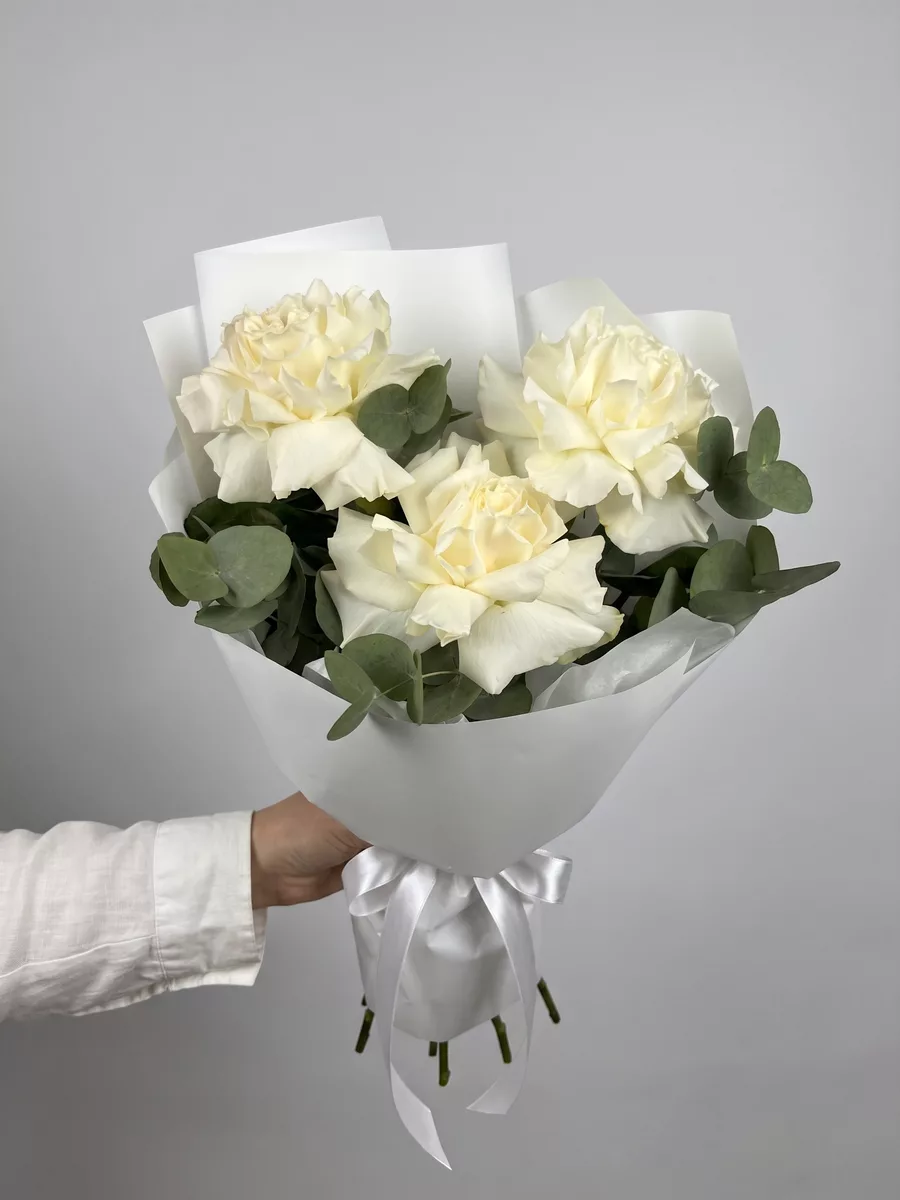
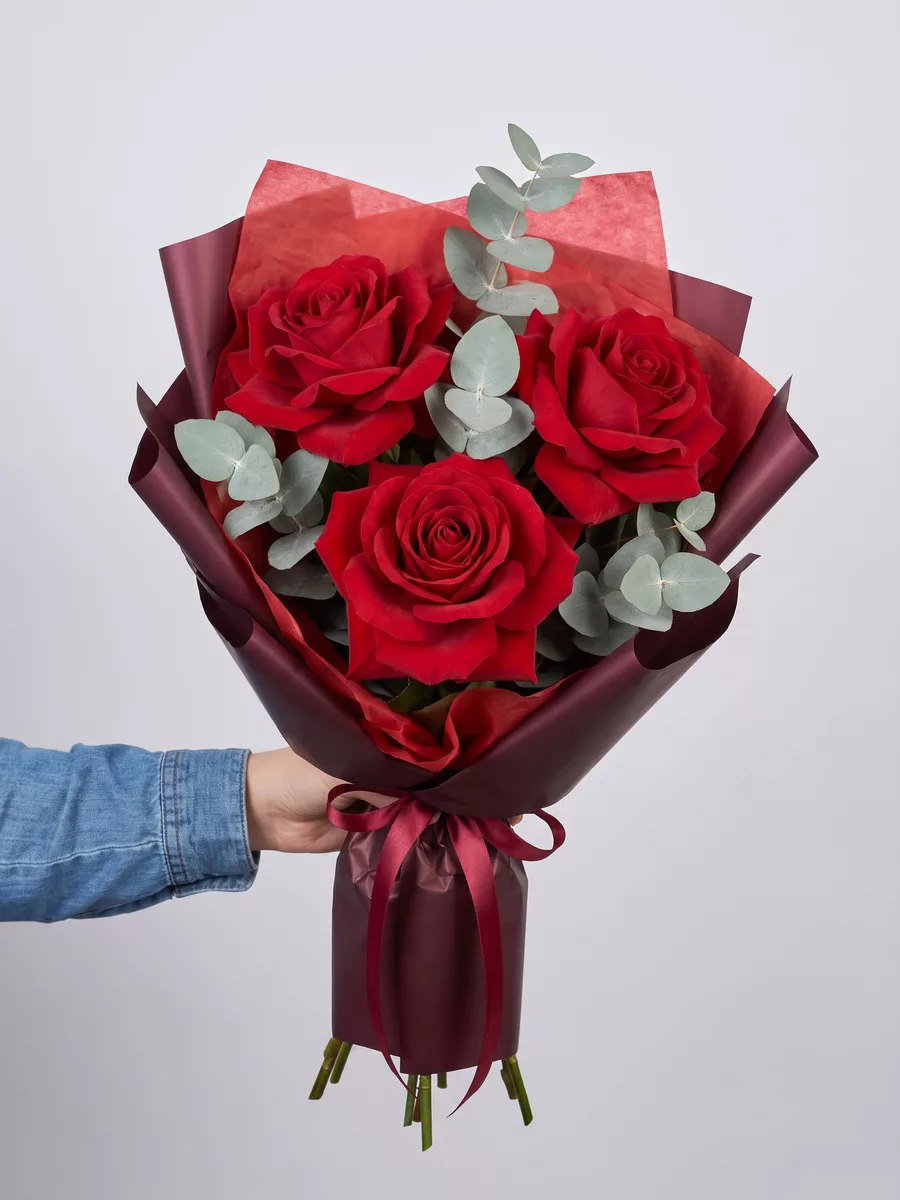
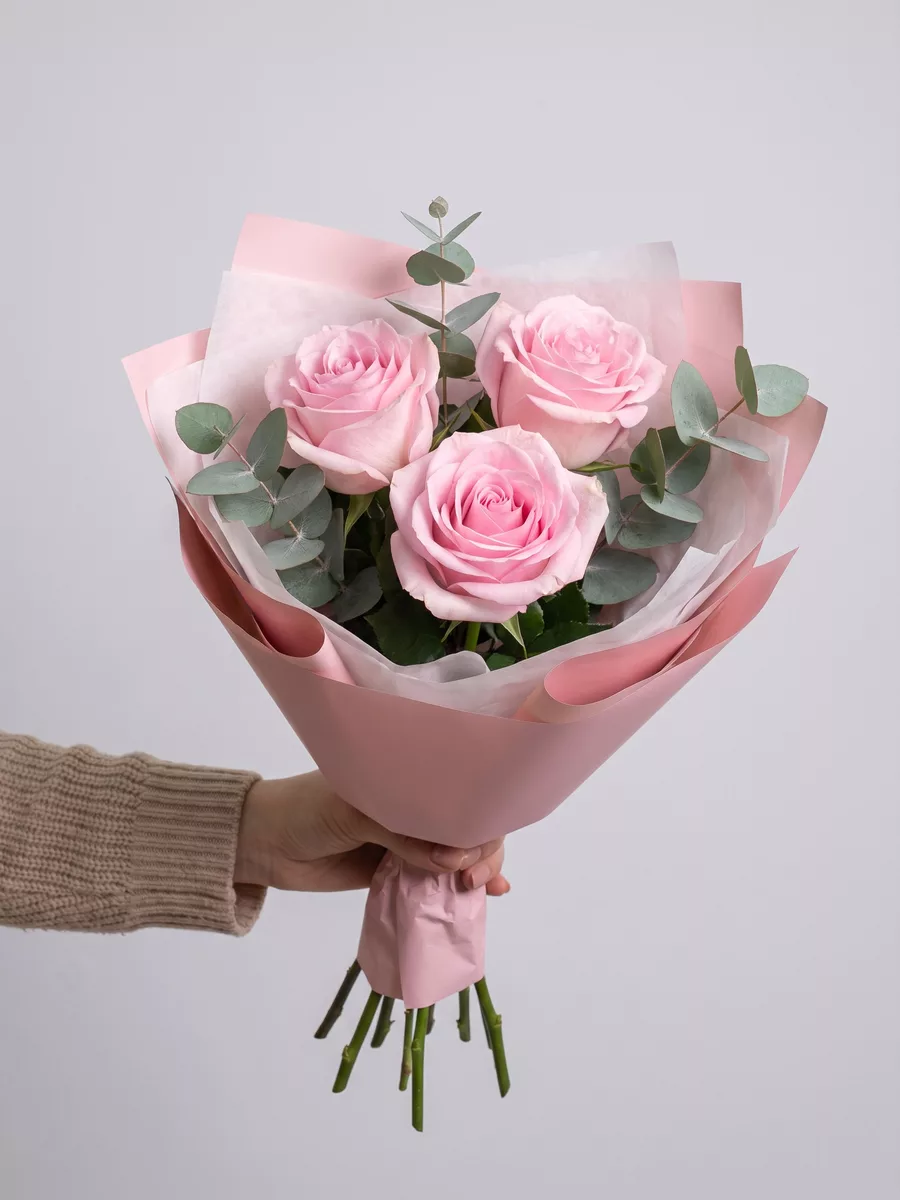
Bouquets we can deliver

Choosing Flowers for the Person, Not Just the Occasion
The most common mistake people make when ordering remotely is choosing flowers for the occasion rather than for the person. A birthday is a birthday, but a 60-year-old woman who gardens all summer has different tastes from a 25-year-old who fills her flat with succulents and graphic prints. Starting from the recipient makes every decision easier.
For someone warm and classic, garden roses in blush, cream or deep burgundy read as genuinely thoughtful. Varieties like David Austin-style garden roses or standard spray roses in mixed tones give a full, romantic look without feeling stiff. For someone with a more modern eye, a bouquet built around anthuriums, tropical greenery or architectural protea will feel personal rather than generic.
If you are not sure of their taste, seasonal flowers are almost always the right answer. In spring, ranunculus and tulips in mixed colours feel fresh and effortless. In summer, lisianthus and matthiola add texture and a gentle fragrance. In autumn, chrysanthemums — which are genuinely beloved in Russia and carry no negative meaning despite what some Western sources suggest — combine beautifully with hypericum berries and eucalyptus. In winter, amaryllis and waxflower hold up well in cold transport and look dramatic in a simple vase.
Think about what the recipient's home looks like if you can. A small studio flat calls for a compact, upright bouquet. A wide dining table can carry something loose and abundant.
Timing Your Delivery Around the Moment That Matters
Getting the timing right for a delivery to Bogoroditsk is about understanding two things: when the recipient will actually be home, and when you want the flowers to land for maximum effect. A bouquet that arrives two hours before a celebration dinner is perfect. One that arrives the morning after, when the mood has passed, is just flowers in a box.
The most reliable approach is to confirm the recipient's schedule before you order. This sounds obvious, but many people skip it when the delivery is meant to be a surprise. You do not need to reveal the sender — you can simply ask a mutual friend or check whether the person has mentioned plans. Knowing they will be home between noon and four in the afternoon gives you a clear delivery window to request.
For morning deliveries, roses and lilies are the strongest choices because they open slowly and will look their best by early afternoon. For evening deliveries, flowers that are already partially open — like full-bloom sunflowers or open-face gerberas — make a stronger immediate impression when the door opens.
Turboflora sends a notification to the recipient ahead of arrival, which helps them be ready rather than miss the courier. In winter, this also matters for the flowers themselves: standing outside in sub-zero temperatures even for ten minutes can bruise petals and blacken the tips of tropical varieties. A prepared recipient means the bouquet goes straight from courier hands into a warm room.
Budget Ranges and What Each One Gets You in Bogoroditsk
Talking about budget honestly is part of choosing well. A lower budget does not mean a poor bouquet — it means a different one, and knowing what to expect prevents disappointment on both sides.
At a modest budget, the strongest options are single-variety bouquets built around one generous flower. A tight bunch of white or yellow spray chrysanthemums, a dozen standard roses in a single colour, or a seasonal tulip bouquet in spring all look intentional and complete. The key is not to spread a small budget across too many varieties — five types of flower in small quantities looks sparse rather than rich.
In the mid range, you can introduce combinations that add visual depth. Roses paired with waxflower, lisianthus with eucalyptus, or peonies with ranunculus in season all feel genuinely considered. This is the range where presentation starts to carry real weight: the wrapping, the ribbon and the card make the difference between a bouquet that looks ordered and one that looks chosen.
At a higher budget, the options open up to statement flowers — large-headed garden roses, tropical bird of paradise, branches of flowering cherry in spring, or tall gladioli with trailing greenery. These bouquets work best when the recipient has space to display them properly, so think about their home before going large.
For any budget, ask the florist to match the palette to something you know about the recipient — their favourite colour, the colour of their walls, or even just warm versus cool tones. That single detail lifts any bouquet.
What Happens to the Flowers During Transit to Bogoroditsk
Fresh flowers are living things, and a long delivery route is a real stress test for them. Understanding what happens in transit helps you choose varieties that arrive beautifully rather than ones that struggle.
Temperature is the main factor. In summer, heat accelerates the opening of blooms and shortens vase life significantly. Roses and peonies are particularly sensitive — a bouquet assembled in the morning can be fully open and starting to drop petals by evening if it sits in a warm car. Turboflora packs bouquets with temperature in mind, using appropriate wrapping to buffer heat and cold, but the choice of flower still matters. In July and August, hardy varieties like alstroemeria, statice, and standard chrysanthemums travel better than soft-petalled garden roses.
In winter, the concern reverses. Temperatures in the Tula region regularly drop below minus ten Celsius in January and February, and tropical flowers like anthuriums and orchids can be damaged by even brief cold exposure. For winter deliveries, the safest and most beautiful choices are amaryllis, hypericum berries, waxflower and roses, all of which handle cold transport well when properly wrapped.
Spring and autumn are the easiest seasons for transit. Ranunculus, tulips, lisianthus and matthiola all move well in mild temperatures and arrive looking close to how they left the studio. If you are ordering for the first time and want confidence in the result, late April or early October is the most forgiving time to do it.
Russian Flower Customs Worth Knowing Before You Order
If you are not familiar with Russian gifting traditions around flowers, a few customs are worth knowing — not because you must follow them, but because they explain some of the choices your recipient will notice.
The most widely observed tradition is the odd-number rule. In Russia, even numbers of flowers are associated with mourning and are given at funerals, so bouquets for celebrations are always made with an odd number of stems — one, three, five, seven, eleven, fifteen, and so on. This is not a superstition that only older generations follow; it is genuinely universal, and a recipient of any age will notice an even-numbered bouquet. When ordering, confirm that the final stem count is odd, or simply leave the composition to the florist.
Colour carries meaning too, though less rigidly than the number rule. Yellow flowers were once considered unlucky in Soviet-era culture, associated with separation or infidelity. This belief has faded significantly among younger Russians, and yellow roses or sunflowers are now widely given and received without hesitation. That said, if your recipient is older or more traditional, a palette built around pink, red, white or coral is always safe.
Wrapping style matters in Russia in a way it does not everywhere. A bouquet presented in craft paper with a visible arrangement of stems is considered elegant and contemporary. Cellophane wrapping is seen as old-fashioned. If you have a preference, mention it — but the default from a quality florist will already reflect current taste.
Keeping the Bouquet Fresh Once It Arrives in Bogoroditsk
The flowers have made it to Bogoroditsk, the recipient is delighted, and now the question is how long that feeling lasts. Vase life varies significantly by variety, and a few simple habits make a real difference.
The first step is the most important: cut the stems at an angle under running water or in a bowl of water, removing about two centimetres from the bottom. This reopens the water-conducting channels that close during transit and lets the flowers drink immediately. Use a clean vase — any residue from previous flowers carries bacteria that shortens life dramatically. Tap water is fine in most Russian cities, but if the water is heavily chlorinated, letting it stand for an hour before use helps.
Remove any leaves that sit below the waterline. Submerged leaves rot quickly and cloud the water, which stresses the stems. Change the water every two days rather than waiting for it to look murky. A small pinch of sugar and a drop of bleach in the water is a traditional Russian trick that genuinely works — the sugar feeds the flowers and the bleach slows bacterial growth.
Keep the bouquet away from direct sunlight, radiators and fruit bowls. Ripening fruit releases ethylene gas, which causes flowers to age faster — this is especially true for roses and carnations. A cool spot, ideally between 15 and 18 degrees Celsius, extends vase life noticeably.
With proper care, roses last seven to ten days, chrysanthemums and alstroemeria up to two weeks, and lisianthus around ten days. Tulips are shorter-lived at five to seven days but open beautifully in a warm room.
Ordering flowers for someone in Bogoroditsk from a distance is genuinely manageable when you know what to plan for. The distance calls for a little advance thought — booking a day ahead, confirming the recipient's schedule, choosing varieties suited to the season and the journey. Beyond the logistics, the bouquet itself does the work: the right combination of flowers for the right person, in the right colours, wrapped with care, says something that a message alone cannot. Turboflora handles the route and the freshness; your job is simply to think about the person on the other end of the door.
Frequently asked questions
How far in advance should I order flowers for delivery to Bogoroditsk?
Ordering at least one day ahead gives the best results. This allows the florist to source your preferred varieties and schedule the delivery within your chosen window. For major occasions like anniversaries or significant birthdays, two days in advance gives even more flexibility and reduces the chance of last-minute substitutions.
Can I send flowers to Bogoroditsk in winter without worrying about frost damage?
Yes, with the right variety choices. Roses, amaryllis, hypericum berries and waxflower all handle cold transit well when properly wrapped. Tropical flowers like anthuriums and orchids are more vulnerable to sub-zero temperatures, so they are better suited to warmer months. The florist can recommend the safest options for the current season.
Why do Russian bouquets always have an odd number of flowers?
In Russian tradition, even numbers of flowers are reserved for funerals and mourning, so celebratory bouquets are always made with an odd number of stems. This custom is observed across all ages and regions. When ordering, either specify an odd number or leave the count to the florist, who will follow this convention automatically.
What flowers last longest in a vase after a long delivery journey?
Alstroemeria, chrysanthemums and lisianthus are among the most durable, lasting ten to fourteen days with basic care. Roses last seven to ten days when stems are cut fresh on arrival and water is changed every two days. Tulips are shorter at five to seven days but open beautifully indoors and make a strong first impression.
Will the recipient know who sent the flowers before they open the card?
Not unless you choose to include your name in the delivery notification. The recipient receives a message that their delivery is on the way, but the sender details appear only on the card inside the bouquet. If you prefer the reveal to happen when they open the card, simply write your message there and leave the notification neutral.
Ready to send flowers?
Pick the city, choose the bouquet, and a local florist takes it from there.
Choose a city →