Sending Flowers to Boksitogorsk? Here Is Everything You Need to Know
Boksitogorsk sits quietly in the Leningrad Oblast, a town where a bouquet arriving at the door still feels like a genuine event. Whether you are sending flowers to a relative you cannot visit in person or marking a birthday from across the country, the details matter — which blooms travel well on a winter road, how long they will last in a centrally heated apartment, and what combination will actually make someone stop and smile. This is what working florists think about before a single stem is cut.
Getting Flowers to Boksitogorsk: The Delivery Area and What It Covers
Boksitogorsk is located roughly 230 kilometres east of Saint Petersburg along the A114 highway, and Turboflora delivers directly to addresses throughout the town and the surrounding Boksitogorsky district. That includes residential streets in the central part of town, the newer residential blocks on the outskirts, and addresses in nearby settlements within the district boundaries. If you are unsure whether a specific address falls within the delivery zone, the easiest step is to enter the postcode or street name when placing your order — the system will confirm coverage immediately.
Delivery to Boksitogorsk is not the same as delivery inside Saint Petersburg, and it is important to set realistic expectations from the start. The journey itself takes time, and that time is factored into how the bouquet is assembled and packaged. Flowers going this distance are wrapped more firmly, kept cool during transit, and chosen with road conditions in mind. In summer that means selecting varieties that handle warmth without wilting quickly. In winter, the concern shifts to frost — a bouquet left in a cold car or carried across an icy courtyard without proper wrapping can show damage on the outer petals within minutes.
The address you provide should be as complete as possible: building number, entrance number if the building has several, and a phone number for the recipient or a note about whether a surprise delivery is intended. A courier who cannot find the entrance or reach the recipient will not simply leave the flowers outside in sub-zero temperatures. Clear address details are the single most practical thing you can do to make the delivery go smoothly.
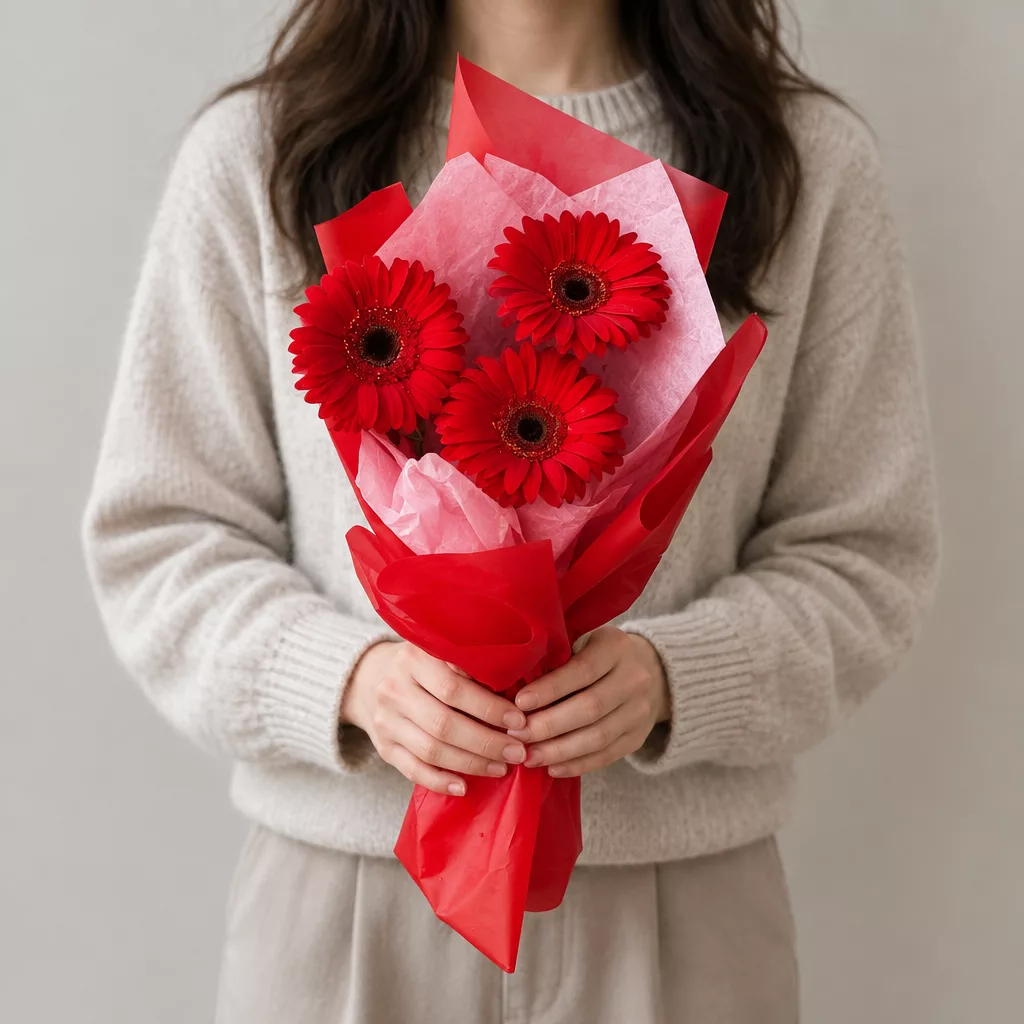
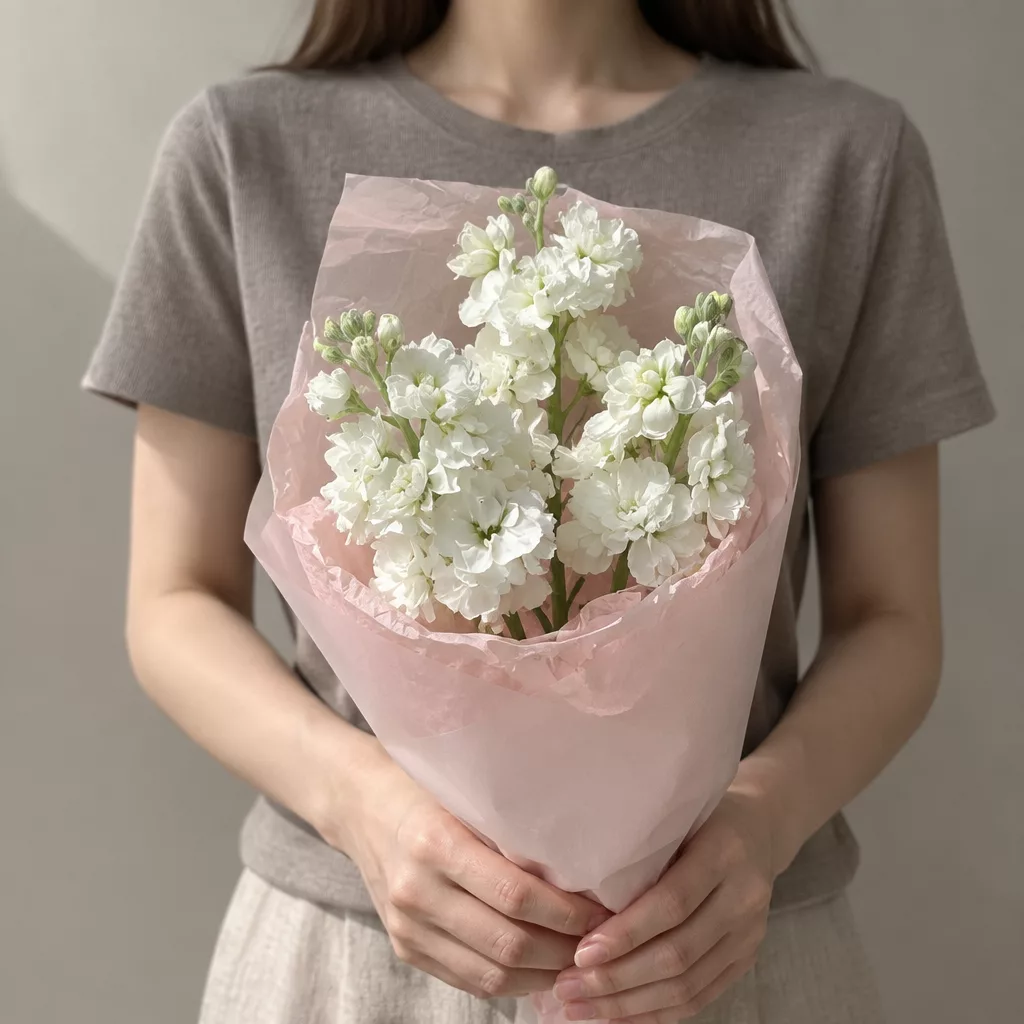
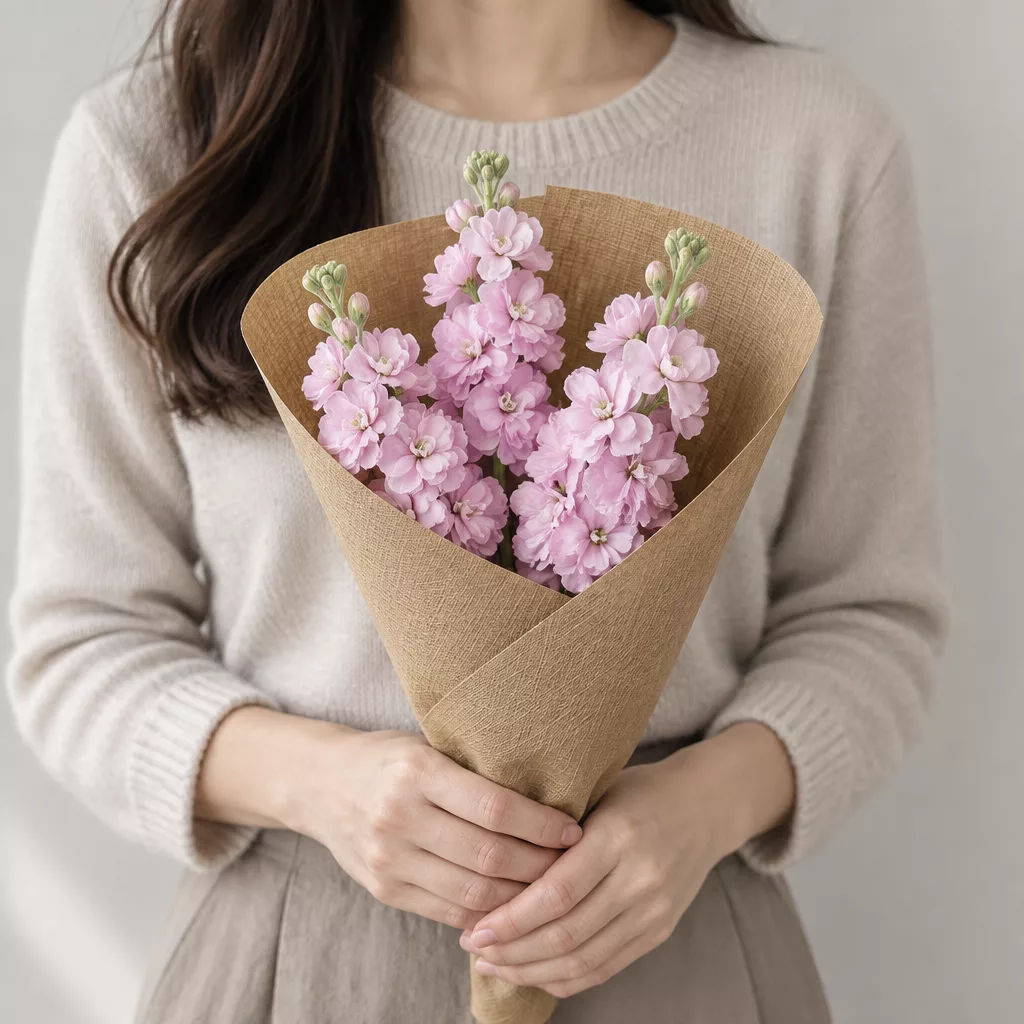
Bouquets we can deliver

Timing Your Order: When to Book for the Best Result
Turboflora operates on a same-day and next-day delivery model for Boksitogorsk, and the cut-off time for same-day orders is something every sender should check before assuming. Because the route from Saint Petersburg takes several hours, orders placed in the morning have the best chance of arriving during afternoon or early evening. Orders placed after early afternoon are typically scheduled for the following day, which is often the smarter choice anyway — a bouquet that arrives when someone is home and awake, rather than left with a neighbour or missed entirely, is worth the extra planning.
For significant occasions — a birthday, an anniversary, a graduation — booking one to two days in advance removes almost all the uncertainty. You can specify a delivery window, and the florist assembling the bouquet will time the cutting and conditioning of the stems so that the flowers are at their freshest when they arrive, not hours before or after. Roses, for example, are ideally cut when the bud is just beginning to open, then conditioned in water for several hours before being wrapped for transit. If you order with enough lead time, that process happens properly.
Public holidays in Russia bring a sharp increase in orders, and the days around International Women's Day on the 8th of March are the busiest of the entire year. Deliveries to regional destinations like Boksitogorsk fill up quickly during that period. Booking three to four days ahead around major holidays is not overcautious — it is simply how experienced senders avoid disappointment. The flowers will be just as fresh; the timing will be far more reliable.
Choosing Flowers for the Person, Not Just the Occasion
The most useful question to ask before ordering is not what occasion it is, but who the person actually is. A woman in her sixties who keeps a tidy home and has always grown her own dacha garden will likely respond very differently to a bouquet of garden-style flowers — lisianthus, scabiosa, spray roses and eucalyptus — than to a tight formal arrangement of identical red roses. Both are valid choices, but one will feel chosen for her specifically, and the other will feel like a standard gesture.
For younger recipients, loose, asymmetric bouquets with texture and colour contrast tend to feel more contemporary. Combinations like ranunculus with tulips and dried pampas grass, or anemones with white freesia and soft greenery, photograph beautifully and feel personal rather than generic. For recipients who prefer something more classic, a single-variety bouquet done in generous volume — thirty garden roses in a blush tone, or a full arrangement of white alstroemeria — reads as deliberate and elegant rather than minimal.
Children's birthdays and school celebrations call for something bright and uncomplicated: sunflowers, gerbera daisies, and cheerful chrysanthemums in warm yellows and oranges hold up well during the excitement of a school day and do not wilt under the attention of small hands. For a colleague or professional contact, white and cream tones with structured greenery strike a respectful, tasteful note that avoids anything too personal. The colour palette and flower variety together communicate something before a single word is said, and a working florist thinks about that message at every step of the assembly.
Seasonal Availability and What Travels Best in Each Season
Boksitogorsk experiences genuine continental winters with temperatures that regularly drop below minus fifteen Celsius, and genuinely warm summers where apartment interiors can stay above twenty-five degrees for weeks. Both extremes affect which flowers are worth ordering and how they should be handled on arrival.
In winter, the hardiest cut flowers for long-distance delivery include chrysanthemums, carnations, alstroemeria, and sturdy spray roses. These varieties tolerate cold air during the brief moments of exposure between the courier's vehicle and the front door, and they last well in heated interiors if the recipient changes the water every two days. Tulips are popular in winter but require careful handling — they continue to grow after cutting and will lean dramatically toward any light source within twenty-four hours if not placed in a balanced position. Roses in winter need their outer guard petals left on during transit to protect the inner bud; the florist removes them only if the recipient requests it.
In summer, the priority reverses. Heat is the enemy, and flowers that are delicate in warmth — garden roses, sweet peas, ranunculus — need to be ordered with a clear plan for where they will go on arrival. If the recipient will be out of the house for several hours after delivery, a hardier combination makes more sense. Sunflowers, gerbera, solidago, and statice all handle summer temperatures with far more composure. Spring brings the most joyful seasonal options: tulips, hyacinths, narcissus, and the first peonies of the year. Peonies arriving in tight bud will open over three to five days in a warm room, which means the recipient gets to watch the bouquet change — one of the small pleasures that makes them so beloved.
Bouquet Combinations That Work Well as Gifts in This Region
In smaller Russian towns, flowers are often presented in a way that feels abundant rather than minimal. A bouquet that looks full and generous — even if it is assembled from mid-range varieties — tends to land better than a sparse arrangement of expensive single stems. That does not mean overcrowding: it means choosing combinations where each element contributes to a sense of warmth and care.
One reliable combination for a birthday is a mixed bouquet built around peach or coral spray roses as the base, with white lisianthus adding softness, a few stems of dusty miller for silver-grey contrast, and ruscus or pittosporum as the structural greenery. This reads as considered and warm without being overly formal. For a romantic occasion, deep burgundy roses paired with white waxflower and dark green foliage create a rich, classic contrast that photographs well and ages gracefully over the week.
For a housewarming or a thank-you gift, potted plants and mixed arrangements with long-lasting flowers make more practical sense than a single-occasion bouquet. A combination of alstroemeria, chrysanthemums, and carnations in complementary tones will stay attractive for ten to fourteen days with basic care — far longer than more delicate varieties. Including a small succulent or a sprig of fragrant eucalyptus alongside cut flowers adds an element the recipient can keep, which makes the gesture feel more lasting. Fragrance is worth considering too: freesia, hyacinth, and lilac all carry scent that fills a room, and many recipients remember a fragrant bouquet long after they would have forgotten a purely visual one.
What Happens After Delivery: Care Instructions Worth Passing On
A bouquet that arrives in perfect condition can look tired within twenty-four hours if the recipient does not know the basic steps. This is not a criticism of anyone — flower care is simply not something most people learn unless someone explains it. If you are sending flowers as a gift, it is worth including a short note with the delivery that covers the essentials, or asking the florist to include printed care instructions with the arrangement.
The first step on arrival is always the same: remove any packaging, cut one to two centimetres from the bottom of each stem at a diagonal angle, and place the flowers immediately in a clean vase with cool, fresh water. Tap water in most Russian towns is fine for cut flowers. The diagonal cut increases the surface area through which the stem draws water — a straight cut pressed against the bottom of a vase dramatically reduces water uptake. Removing any leaves that would sit below the waterline prevents bacterial growth that shortens vase life significantly.
The vase should be placed away from direct sunlight, radiators, and draughts. In centrally heated Russian apartments in winter, the air is very dry, which speeds up dehydration in the petals. Misting the flower heads lightly with a spray bottle once a day helps, particularly for roses and lisianthus. Water should be changed every two days, and the stems re-cut each time. Flower food sachets, if included with the bouquet, should be used as directed — they contain sugar for energy, an acidifier to help water uptake, and a biocide to slow bacterial growth. With this basic care, most mixed bouquets will look their best for seven to ten days.
Making the Order Feel Personal: Notes, Timing and Small Details
The flowers themselves are only part of what arrives at someone's door. A handwritten card — or a message printed in a thoughtful font — changes the register of the whole gift. In Russian culture, the words accompanying flowers carry real weight. A simple, sincere sentence or two is almost always more effective than a lengthy formal message. Something specific to the person or the occasion, written in the sender's own voice, will be read many times and remembered. A generic greeting will be forgotten before the flowers open.
If you are sending flowers to someone who was not expecting them, a brief text message warning them that a delivery is on its way is a small courtesy that prevents the courier from waiting outside a locked building. It does not spoil the surprise — the surprise is in the flowers themselves, not in the moment of the doorbell. This is particularly relevant in Boksitogorsk where apartment buildings often have entrance codes or intercoms, and a courier who cannot reach the recipient faces a genuine logistical problem.
Timing a delivery to coincide with a specific moment adds meaning. Flowers arriving first thing in the morning on a birthday set the tone for the entire day. An evening delivery after a long working week feels like a considered reward. If the recipient has a particular routine — a morning commute, an afternoon at a dacha, a regular class — knowing that routine helps you choose a window when they will actually be home and in the right frame of mind to receive something beautiful. The logistics and the feeling are not separate things. Getting both right is what makes a flower delivery genuinely memorable rather than simply functional.
Sending flowers to Boksitogorsk is entirely straightforward when you plan a day or two ahead, choose varieties suited to the season and the journey, and think about the person receiving them as much as the occasion itself. A bouquet assembled with care, packed for the road, and accompanied by a genuine note will arrive as something more than flowers — it will arrive as evidence that someone thought about another person specifically, and went to the trouble of making that thought tangible. That is what flowers have always done, in every town and every season.
Frequently asked questions
Can I order flowers for same-day delivery to Boksitogorsk?
Same-day delivery to Boksitogorsk is available for orders placed in the morning, as the route from Saint Petersburg requires several hours of transit. Orders placed after early afternoon are scheduled for the following day. For important occasions, booking one to two days ahead gives you a confirmed delivery window and ensures the flowers are assembled and conditioned at the right moment.
Which flowers hold up best during delivery to Boksitogorsk in winter?
Chrysanthemums, carnations, alstroemeria, and spray roses are the most resilient choices for winter delivery. They tolerate brief exposure to cold air during transit and last well in heated apartments. Roses travel with their outer guard petals intact to protect the bud. Tulips are popular but need to be placed in a balanced position immediately on arrival, as they lean toward light sources quickly.
How should the recipient care for the bouquet after it arrives?
Cut one to two centimetres from the bottom of each stem at a diagonal angle, place the flowers in a clean vase with cool fresh water, and remove any leaves below the waterline. Keep the arrangement away from direct sunlight, radiators, and draughts. Change the water every two days and re-cut the stems each time. Most mixed bouquets last seven to ten days with this basic care.
What should I write on the card to send with the flowers?
A short, specific message in your own voice works far better than a formal greeting. Mention the person by name, reference something particular to them or the occasion, and keep it to one or two genuine sentences. In Russian gift culture, the words accompanying flowers carry real significance and are often reread. Sincerity matters more than length or formality.
Does Turboflora deliver to addresses outside the centre of Boksitogorsk?
Delivery covers addresses throughout Boksitogorsk town and the wider Boksitogorsky district, including residential areas on the outskirts and settlements within the district boundaries. Enter your specific street or postcode when placing the order to confirm that your address is within the delivery zone. Providing a complete address with entrance number and recipient contact details ensures the smoothest possible delivery.
Ready to send flowers?
Pick the city, choose the bouquet, and a local florist takes it from there.
Choose a city →