Flower Delivery in Bolshoy Kamen: Timing, Choices and What Arrives
Bolshoy Kamen sits close enough to Vladivostok to feel connected to the wider world, yet it has its own quiet rhythm — shipyard shifts, family evenings, anniversaries celebrated without much fuss. When you want flowers to reach someone there, the question is not just which bouquet to pick. It is whether the stems will arrive fresh, whether the timing will work around a recipient's day, and whether the whole experience will feel personal rather than transactional. This is what we think about every time an order comes in for this city.
Why Bolshoy Kamen Is Worth Sending Flowers To
Bolshoy Kamen is a compact industrial city on the shore of Ussuri Bay in Primorsky Krai, best known for its shipbuilding industry. That working character shapes the people who live there — practical, unpretentious, genuinely moved by a gesture that breaks the everyday routine. A bouquet arriving at a workplace or a home door carries real weight here precisely because it is unexpected.
The city is not large, which is actually an advantage for delivery. Streets are navigable, addresses are straightforward, and a courier does not lose time in dense urban traffic. What matters more is the distance from the nearest major flower supply hub, which means planning around freshness becomes the central concern rather than navigation.
For the person sending flowers from another city — a son in Moscow, a colleague in Saint Petersburg, a friend abroad — the emotional stakes are high. You cannot hand the bouquet over yourself, so the arrangement has to do the talking. That means choosing stems with strong vase life, compositions that travel without losing their shape, and packaging that protects petals through the final stretch of the journey.
Bouquets we can deliver

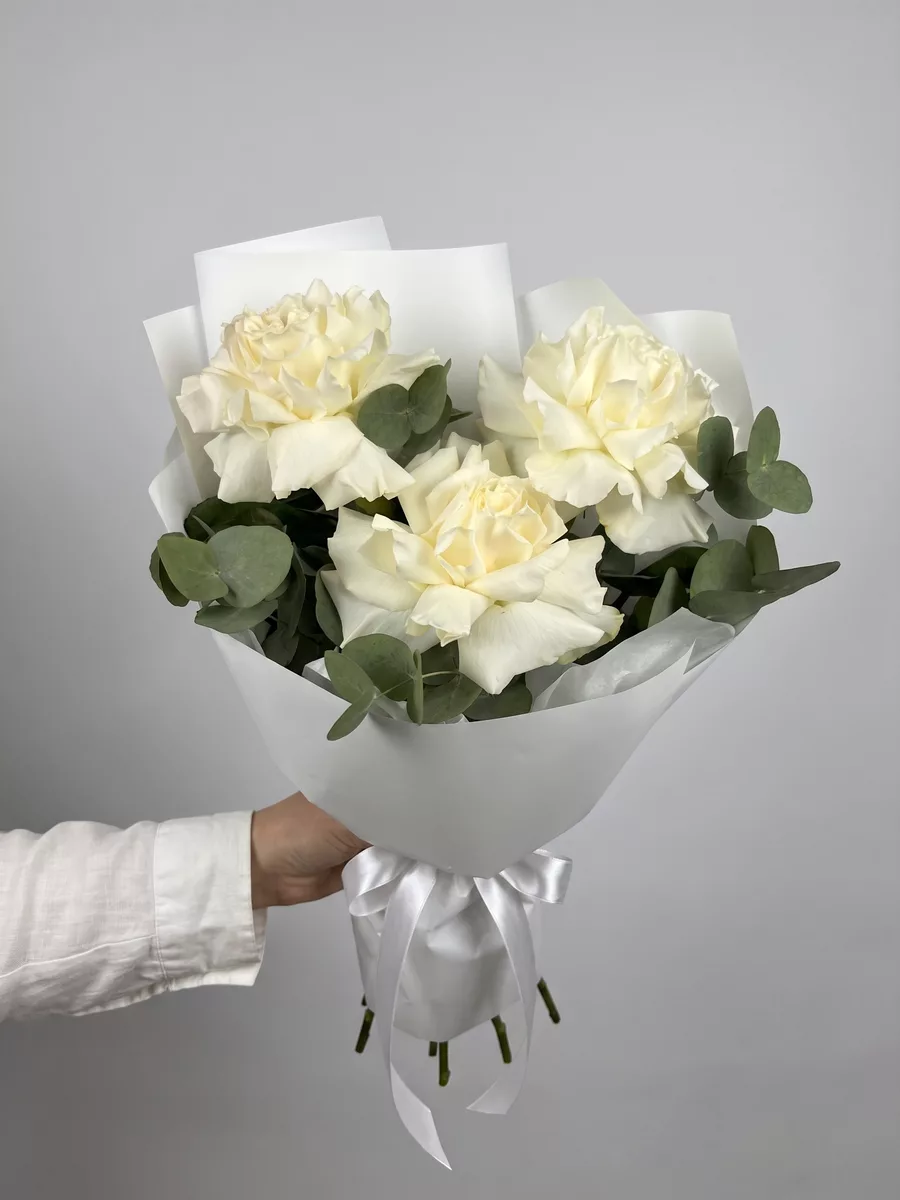
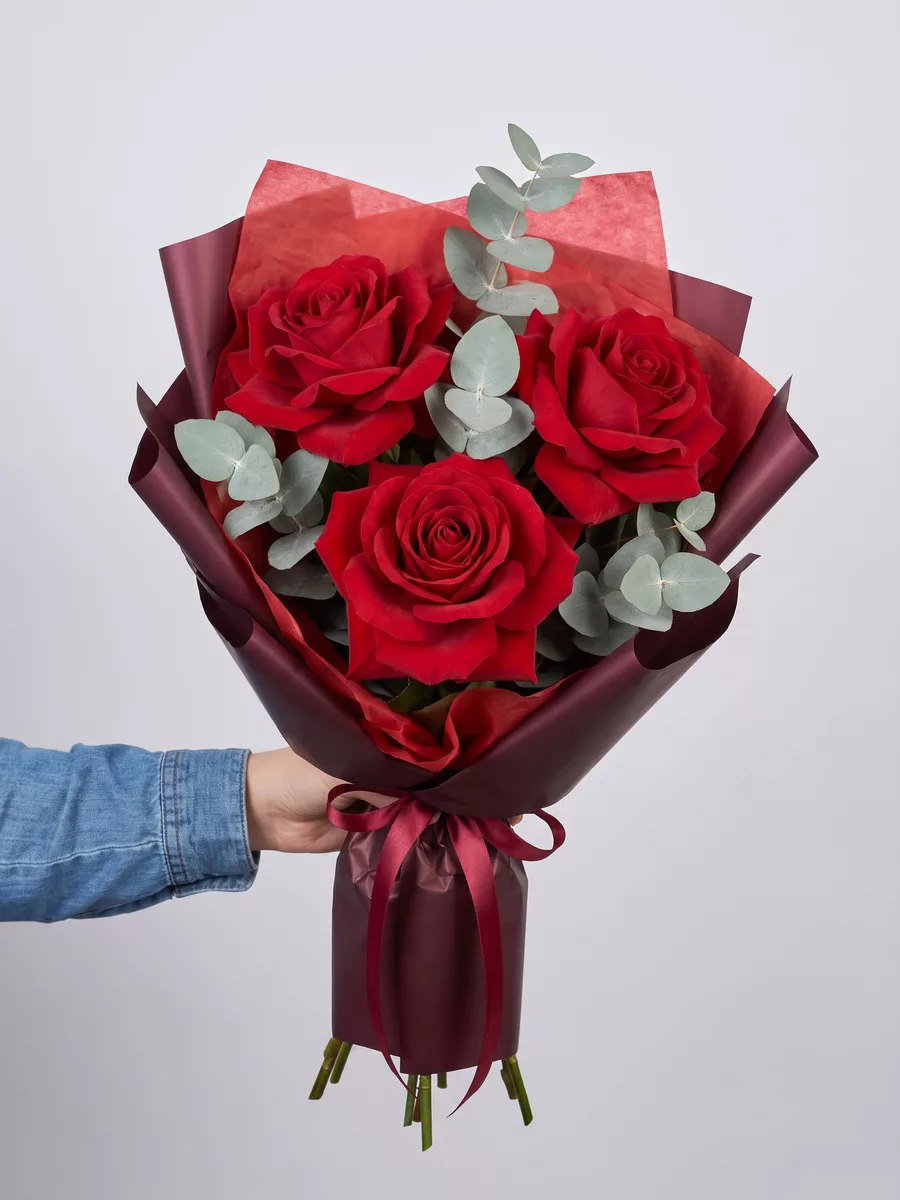
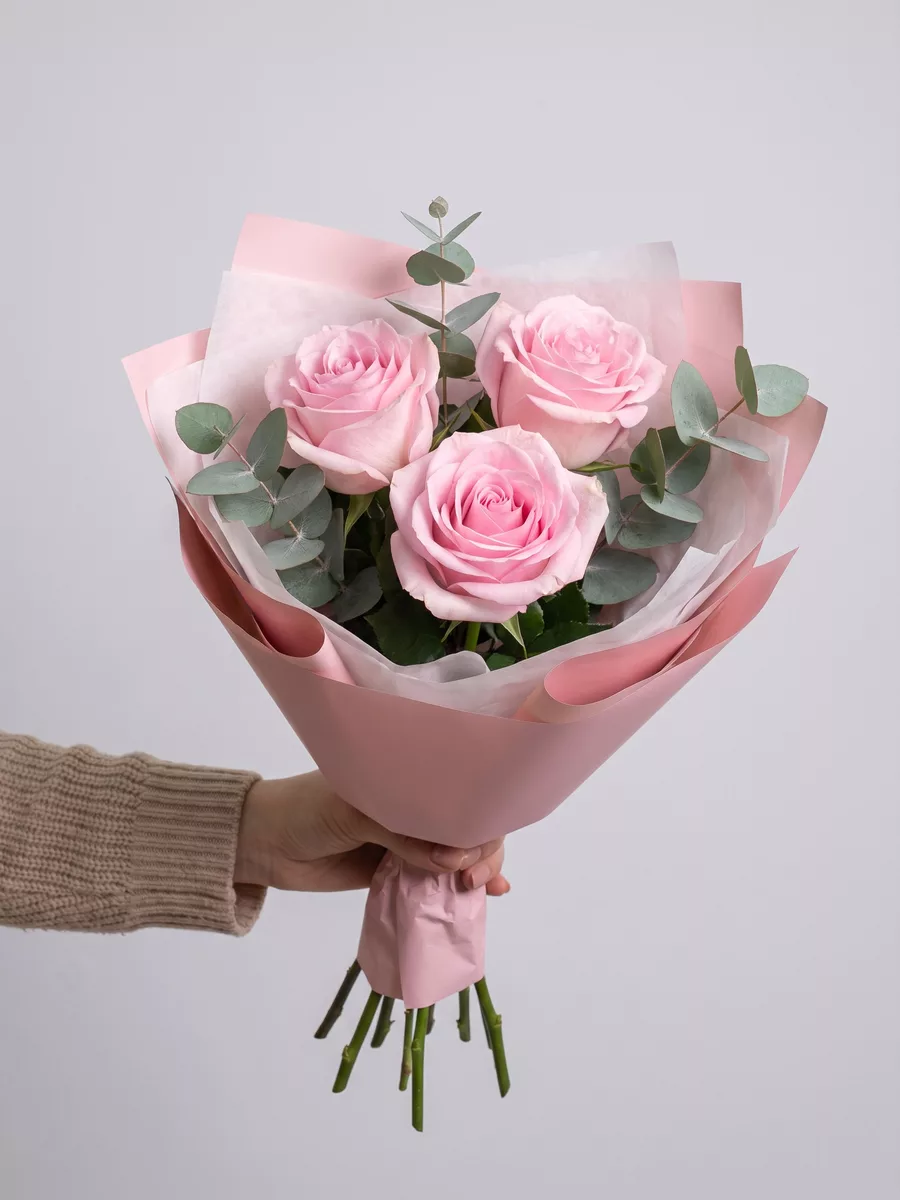
Delivery Timing: What the Journey Actually Looks Like
Flowers ordered for Bolshoy Kamen do not come from a corner stall. They are assembled fresh at our Saint Petersburg workshop and dispatched through a temperature-managed logistics chain that reaches the Russian Far East. The realistic delivery window for Bolshoy Kamen is typically one to two days from the moment the order is confirmed, depending on the time of day you place it and the specific address.
Orders placed in the morning on a weekday move fastest. If you order before midday, the bouquet enters the dispatch queue the same day. Evening orders are prepared overnight and move first thing the following morning. Weekend timing follows a similar pattern, though processing can shift by a few hours.
For time-sensitive occasions — a birthday on a specific date, an anniversary dinner — we recommend ordering at least a day in advance. This is not about slowness; it is about giving the flowers the handling time they deserve. Rushing a bouquet through packaging cuts corners on conditioning, and conditioned stems last significantly longer in the vase. A rose that has been properly hydrated before dispatch will still look full and open three to five days after arrival. One that was rushed will droop within twenty-four hours. The extra planning is entirely for the recipient's benefit.
Choosing for the Occasion: Who Is Receiving These Flowers
Before you think about varieties or colours, think about the person on the other end. A woman in her fifties who works at the shipyard administration office will respond differently to a bouquet than a twenty-year-old celebrating her first apartment. One might love the structured elegance of white spray roses and eucalyptus; the other might be delighted by a loose, garden-style mix of ranunculus, lisianthus and seasonal greenery.
For birthdays, lean toward warmth and abundance. Sunflowers hold up exceptionally well in transit and carry an immediate joy that needs no explanation. Paired with alstroemeria — which lasts up to two weeks in the vase — they make a practical and cheerful combination. For romantic occasions, garden roses in blush or deep red remain the clearest signal of intention, especially when wrapped simply rather than over-decorated.
If you are sending flowers to a colleague or a professional contact, restraint is elegant. A single-variety bouquet of white or cream chrysanthemums, or a small arrangement of irises, communicates respect without overstepping. In Russian culture, odd numbers of stems are the norm for gifts — three, five, seven, nine. Even numbers are associated with mourning, so always confirm the stem count before finalising your order. This is one of the details that makes a gesture feel considered rather than careless.
Budget Ranges and What They Actually Get You
Flower budgets work on a sliding scale of abundance and variety, not a hierarchy of quality. Even a modest arrangement, if built around the right stems, can look genuinely generous. The key is knowing what to prioritise at each level.
At a lower budget, single-variety bouquets are your friend. Five or seven stems of garden roses, a bunch of tulips in season, or a cluster of alstroemeria — these are honest and beautiful without pretending to be something they are not. Tulips are available from late winter through spring and travel well when cut at the bud stage, opening fully in the recipient's home over two to three days. That slow reveal is actually part of the pleasure.
A mid-range budget opens the door to combinations. This is where you can mix textures — a focal flower like a peony or a large-headed rose alongside a secondary flower like waxflower or statice, with foliage to add depth. Peonies have a short season, roughly May through June, but within that window they are extraordinary. Outside of it, garden roses in full bloom make an equally lush substitute.
At a higher budget, the composition becomes sculptural. You are working with premium stems — Dutch roses, Ecuadorian roses with their notably large heads, orchid branches, or amaryllis in winter — combined with thoughtful packaging and a handwritten card. For Bolshoy Kamen recipients, this level of presentation is genuinely rare, which makes it memorable.
What Travels Well and What Does Not
Not every flower is suited to a long delivery route. Some varieties are delicate by nature and suffer from temperature fluctuation or extended time in packaging. Knowing which stems hold up saves disappointment on both ends.
Chrysanthemums are among the most resilient flowers available. They tolerate a wide temperature range, do not bruise easily, and last up to two weeks in clean water. Alstroemeria shares these qualities and comes in a wide colour range. Carnations, often underestimated, are genuinely tough — modern varieties in dusty pink, burgundy or white are far removed from the clichéd image and hold their form for ten days or more.
Delicate flowers like sweet peas, anemones and garden cosmos are beautiful but fragile. They are better suited to local same-day delivery than to longer routes. If you love the soft, romantic look they provide, lisianthus is a strong alternative — it mimics the ruffled, layered appearance of a peony or a sweet pea but travels with far greater resilience.
Temperature matters enormously in transit. In summer, Primorsky Krai can be warm and humid, which accelerates ageing in cut flowers. We account for this in packaging — insulated wrapping and moisture retention are standard. In winter, the risk shifts to freezing damage, particularly to petals. Roses and tulips are vulnerable below zero, so they are packed with thermal protection during cold months. Asking about seasonal packaging when you order is always sensible.
Presenting and Caring for the Bouquet on Arrival
The moment the bouquet arrives is only the beginning of its life in the recipient's home. A few simple steps in the first hour make a significant difference to how long the flowers last and how good they continue to look.
The first thing to do is cut the stems. Use a clean, sharp knife rather than scissors — scissors compress the stem tissue and reduce water uptake. Cut at a forty-five-degree angle, which increases the surface area for drinking. Remove any leaves that would sit below the waterline in the vase, because submerged foliage rots quickly and clouds the water with bacteria.
Fill the vase with cool, clean water. Flowers drink more in the first twenty-four hours after arrival than at any other point, so check the water level the following morning and top it up. Change the water entirely every two days, re-cutting the stems each time. Keep the bouquet away from direct sunlight, heating vents and fruit bowls — ripening fruit releases ethylene gas, which accelerates flower ageing noticeably.
In Russian tradition, receiving flowers is a meaningful gesture regardless of the occasion. Many recipients will place the bouquet in a prominent spot — the kitchen table, the living room sideboard — where it becomes part of the daily view for a week or more. Helping the flowers last that long is as much a part of the gift as the bouquet itself. A small packet of flower food, included with the order, extends vase life by slowing bacterial growth in the water.
Making Your Order Feel Personal from a Distance
Sending flowers to someone in Bolshoy Kamen when you are in another city requires a small act of imagination. You cannot see the room where the bouquet will land, you cannot hand it over yourself, and you will probably only know it arrived when someone sends you a photograph or a voice message. That distance is actually why the details matter so much.
A handwritten card changes everything. A printed label with a generic message reads like an afterthought. A card with a specific sentence — referencing an inside joke, a shared memory, something that only the two of you would understand — turns a bouquet into a conversation. When you order, take two minutes to write something real rather than something safe.
Colour choice is another personal signal. If you know the recipient has a favourite colour, build the bouquet around it. If their home is decorated in neutral tones, a bouquet of white and green — white spray roses, white lisianthus, eucalyptus — will look intentional rather than generic. If they love drama, deep burgundy dahlias in season or velvety red roses make that statement clearly.
Timing the arrival is also a form of care. If the recipient works a morning shift, an afternoon delivery means they are home to receive it. If they live alone and spend evenings out, a morning delivery might sit in the corridor for hours. A brief message asking about their schedule — framed as a casual question — gives you the information you need to make the timing feel considered rather than coincidental.
Bolshoy Kamen may not be the first city that comes to mind when you think about flower delivery, but the people who live there feel occasions just as fully as anyone elsewhere. A birthday, a thank-you, a quiet expression of love — these deserve flowers that arrive in good condition, presented thoughtfully, and chosen with the recipient genuinely in mind. The distance between you and them does not have to show in the bouquet.
Frequently asked questions
Why does freshness depend so much on where the flowers are assembled, not just where they are delivered?
Bolshoy Kamen has no large wholesale flower market of its own, so stems travel from a hub city regardless of who you order from. When that hub is a professional workshop with cold-chain logistics rather than a regional reseller, the flowers spend less time at room temperature before they reach the recipient. Assembly point and transit conditions matter more than the final address.
Which bouquet compositions hold their shape best on a long journey to the Russian Far East?
Compact, structured arrangements travel better than loose, open designs. Roses, alstroemeria and chrysanthemums keep their form through extended transit, while delicate open peonies or garden-style arrangements with exposed petals can bruise. A bouquet built around firm stems with supporting greens protects itself from movement. Asking for packaging that holds the heads in place adds another layer of protection on the final stretch.
What occasions in Bolshoy Kamen actually suit a flower delivery, given how practical the city's character is?
Birthdays and anniversaries are the clearest fit, but workplace deliveries for a promotion or a farewell carry particular weight in a city built around professional life. A bouquet arriving at a shipyard office or a family apartment breaks the ordinary day in a way that feels genuinely significant rather than showy. The gesture lands harder precisely because it is not expected.
How do I choose between a smaller bouquet and a larger arrangement when I cannot see the recipient's home?
Think about where the flowers will live, not how impressive they look at the door. A compact bouquet of seven or nine stems fits a small apartment without overwhelming a table, and it is easier for one person to arrange alone. Larger compositions make more sense for a workplace reception or a celebration with several people present. When in doubt, a medium arrangement with a single dominant flower reads as considered rather than extravagant.
Can the delivery time be matched to the recipient's schedule rather than a standard window?
It can be guided rather than guaranteed to the minute, but specifying morning or afternoon and noting whether the recipient works shifts helps the courier plan the approach. For Bolshoy Kamen, where many residents follow industrial shift patterns, flagging that detail at the order stage is worth doing. A note to call ahead gives the recipient a chance to be present rather than missing the delivery entirely.
Ready to send flowers?
Pick the city, choose the bouquet, and a local florist takes it from there.
Choose a city →