Sending Flowers to Borisoglebsk? Here Is What to Expect
Borisoglebsk sits quietly in the Voronezh region, a city where a bouquet arriving at the right moment means everything — a birthday remembered, a reunion made warmer, an apology turned into a conversation. If you are ordering from another city and wondering whether fresh flowers can actually reach someone there on time and in good shape, the answer is yes, and this article walks you through exactly what that looks like.
Which Parts of Borisoglebsk We Reach and How Quickly
Borisoglebsk is a compact city, and that works in your favour. The central districts — around Kirov Street, the main market area and the residential blocks near the railway station — are the most straightforward to reach. Deliveries to these addresses typically land within one to two hours of the order being confirmed. Addresses on the outer edges of the city, including some of the newer residential developments toward the city limits, may take slightly longer depending on traffic and road conditions at the time.
When you place an order, the system asks for a full address including the apartment number and entry code if there is one. In Russian apartment buildings, intercoms are common and couriers need that information to get through the front door without delay. A missing entry code is one of the most frequent reasons a delivery slows down, so double-check that detail before confirming.
Borisoglebsk does not have the traffic congestion of a large city, which is genuinely useful. Peak hours around midday and early evening can add a few minutes, but the overall delivery window stays reliable. If you are targeting a specific moment — the start of a birthday dinner, the end of a school performance — place the order at least two hours ahead and note the preferred arrival window in the comments field. The team reads those notes and plans the route accordingly.
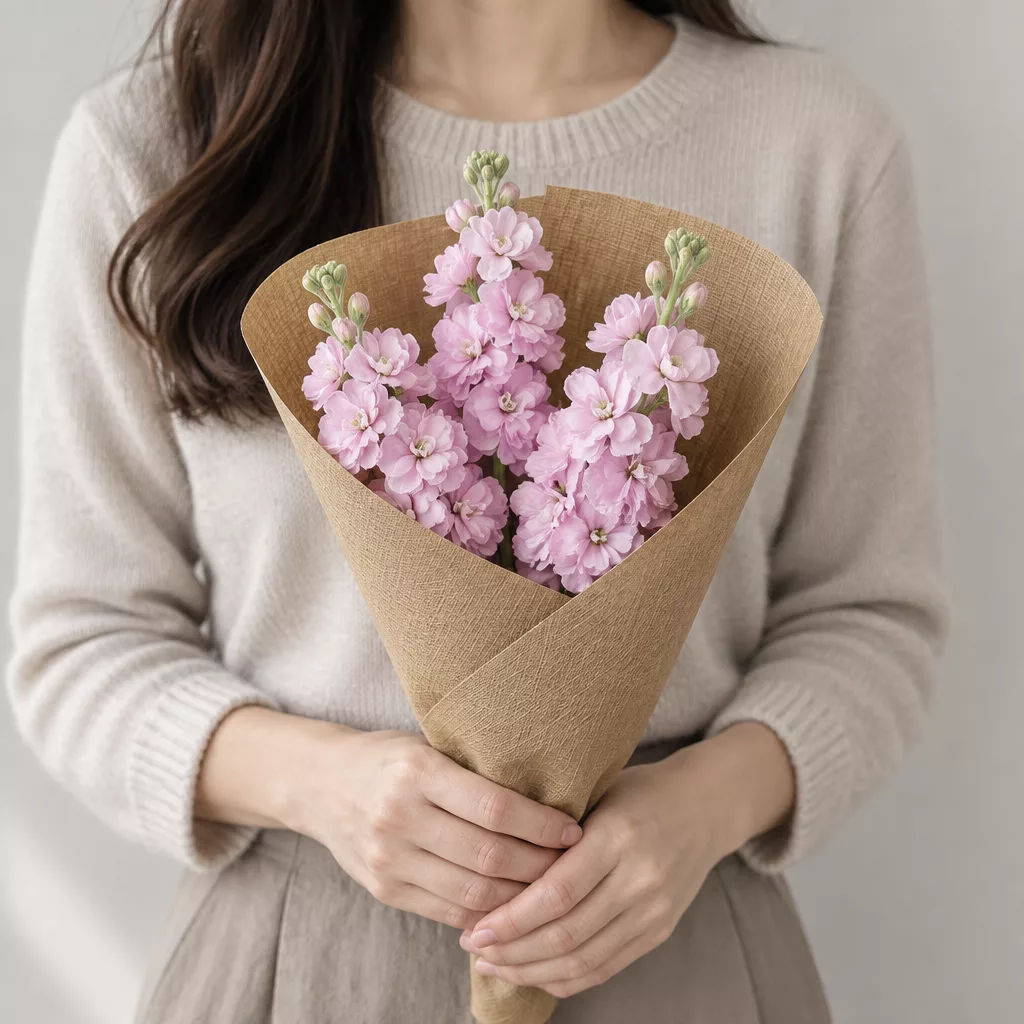
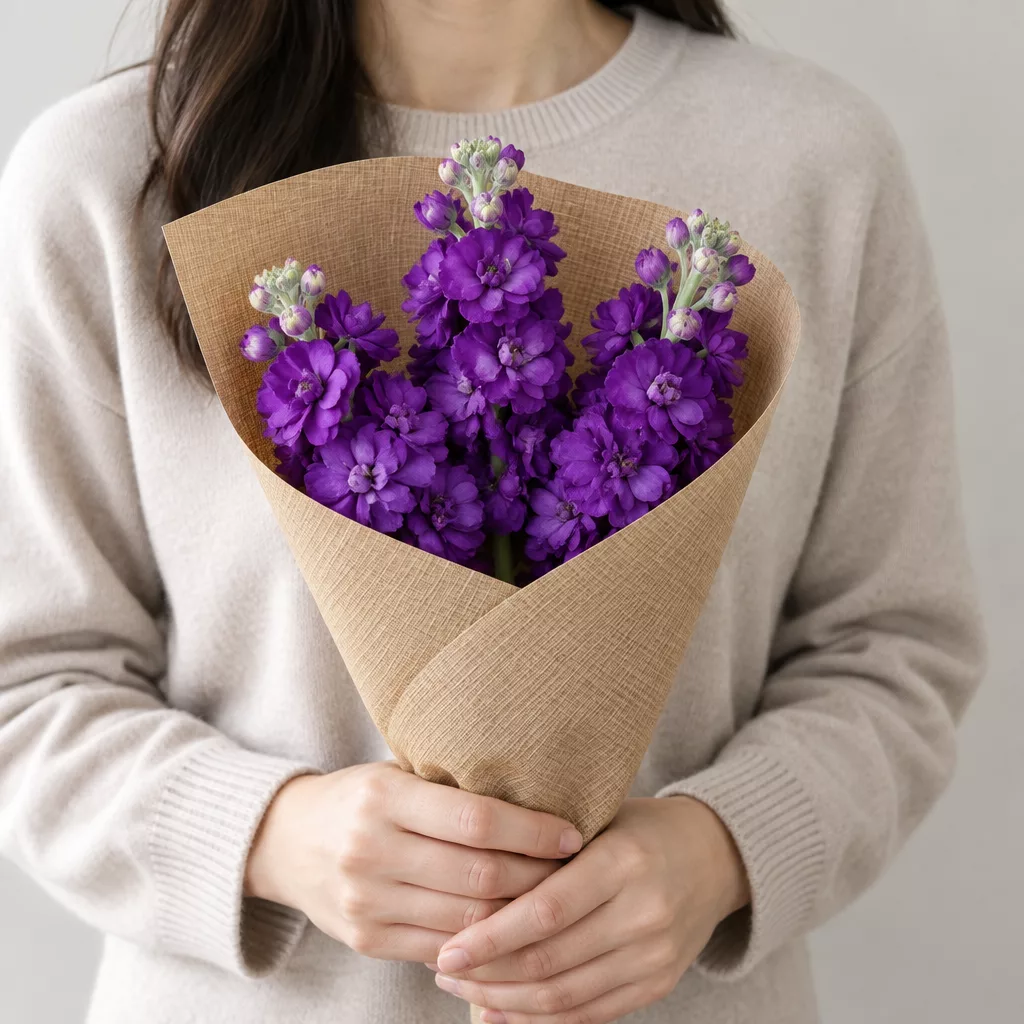
Bouquets we can deliver


Choosing the Right Bouquet for the Person Receiving It
Before thinking about flowers by name, think about the person. A colleague who keeps her desk tidy and minimal will appreciate a single-variety bouquet — perhaps all white spray roses or a clean bundle of eucalyptus with a few ranunculus — rather than a large mixed arrangement that feels overwhelming on a work surface. A grandmother celebrating a jubilee anniversary expects abundance: lush peonies when they are in season, garden roses, alstroemeria filling the gaps with colour and movement.
For a young woman in her twenties, tulips in spring feel fresh and personal rather than formal. For a man — and yes, flowers for men are entirely normal in Russian culture, especially for birthdays and professional milestones — a structured arrangement of dark calla lilies or deep burgundy chrysanthemums reads as considered rather than fussy.
The occasion shapes the palette as much as the variety. Warm pinks and peaches work for affection and celebration. White and green read as elegant and calm, suitable for a new home or a recovery from illness. Bright yellows and oranges carry energy and are well received for graduations and new beginnings. If you are genuinely unsure, a mixed seasonal bouquet in soft tones is almost never wrong — it says care without making a statement that might not fit the moment. When you leave a short note about the recipient in the order comments, the florist can adjust the final composition before it leaves.
What the Seasons Actually Mean for Flowers in This Region
The Voronezh region has real seasons, and that matters for what arrives looking its best. In January and February, the cold is genuine — temperatures regularly drop below minus fifteen degrees Celsius — and delicate flowers like garden roses and open peonies need careful handling during transit. Bouquets travel wrapped and insulated, but very fragile open blooms are best avoided in deep winter. Closed buds of roses, sturdy chrysanthemums and waxflower hold the cold far better than fully opened tropical varieties.
Spring brings tulips, anemones and ranunculus, and this is genuinely the best window for those varieties. They arrive from Dutch and domestic growers in peak condition from late February through April. If you are sending flowers for International Women's Day on March 8th — one of the busiest gifting days in Russia — order at least a day in advance. Demand on that date is exceptionally high everywhere in the country.
Summer opens up the full range: peonies peak in late May and June, sunflowers are abundant from July onward, and dahlias arrive in August. Autumn is the season for chrysanthemums, which are deeply associated with the Russian school calendar and Teacher's Day in early October. They are not a sad flower here — they are a celebratory one, and a large cushion chrysanthemum arrangement is a completely appropriate and well-received gift for a teacher or a colleague. Winter circles back to roses, hypericum berries and amaryllis, which photograph beautifully and last well indoors.
Bouquet Combinations That Work Well as Gifts
A single variety bouquet done well almost always outperforms a mixed arrangement thrown together without thought. Fifteen cream roses with silver brunia and a few sprigs of ruscus is a complete composition — the texture difference between the smooth petals, the metallic seed heads and the glossy leaves creates visual interest without chaos. It photographs well, it fits most interiors and it does not look like it was assembled in a hurry.
For a more layered look, pair a dominant flower with one accent and one filler. Garden roses with sweet William and eucalyptus is a reliable combination that feels both romantic and natural. Tulips with muscari and pittosporum read as early spring without being clichéd. Sunflowers with tanacetum and solidago feel generous and warm — the kind of bouquet that makes a kitchen table look like summer.
Presentation matters as much as the flowers themselves. A kraft paper wrap with a ribbon in a contrasting tone is the most common choice in Russia and reads as tasteful and contemporary. A box arrangement — flowers laid in a hat box or a wooden crate — travels well and doubles as a decorative object in the recipient's home. If the recipient lives alone or is elderly, a box arrangement is particularly practical because it does not require finding and filling a vase immediately.
When you are ordering for someone you do not know well, err toward restraint in size and boldness of colour. A medium bouquet in soft tones is easier to receive gracefully than an enormous arrangement that creates a social obligation to react extravagantly.
What Happens After the Bouquet Arrives: Care and Vase Life
Fresh flowers need a few minutes of attention when they arrive and almost nothing after that. The most important step is a clean diagonal cut at the base of each stem — about two centimetres — made with a sharp knife rather than scissors. Scissors crush the stem tissue and reduce water uptake. If the stems have been out of water for more than an hour during transit, re-cut them before placing them in the vase.
Use a clean vase and cold water. Warm water encourages bacteria to multiply faster, which shortens vase life noticeably. Remove any leaves that would sit below the waterline — they rot quickly and cloud the water. Change the water every two days and re-cut the stems each time. A small sachet of flower food often comes with the bouquet; dissolve it in the water on the first day.
Roses typically last seven to ten days with proper care. Tulips last five to seven days but tend to keep growing in the vase, which is part of their character rather than a problem. Chrysanthemums are among the longest-lasting cut flowers and can hold for two weeks if the water is changed regularly. Peonies last five to seven days and open dramatically over the first two days — place them in a cooler room to slow that process if you want them to stay closed longer.
Keep the vase away from direct sunlight, radiators and fruit bowls. Ripening fruit releases ethylene gas, which accelerates wilting in cut flowers faster than almost anything else. A windowsill above a radiator in a Russian apartment in January is the worst possible spot — the temperature difference between the hot air below and the cold glass above stresses the flowers significantly.
Timing Your Order for Occasions That Matter
Russian gifting culture has specific peaks that are worth knowing if you are sending from outside the country. March 8th, International Women's Day, is the single largest flower-gifting day of the year — larger than Valentine's Day by a significant margin. Virtually every woman in Russia expects to receive flowers that day, from family, colleagues and friends. Ordering the evening before or even the morning of works for most dates, but on March 8th, placing your order on March 7th is strongly recommended.
February 23rd, Defender of the Fatherland Day, is when flowers and small gifts go to men. It is the male equivalent of March 8th in terms of social expectation. May 9th, Victory Day, is a deeply emotional public holiday and flowers — particularly red carnations and red roses — are given to veterans and elderly relatives. Teacher's Day on October 5th sees large volumes of chrysanthemum bouquets delivered to schools and homes.
Birthday deliveries work best when you schedule them for the morning or early afternoon. An evening delivery risks arriving after the recipient has left for a celebration dinner. If you know the person will be home at a specific time, note it in the order. For surprise deliveries, coordinate with someone at the address — a family member or a neighbour — to make sure someone is present to receive the flowers. Flowers left in a cold stairwell for two hours in winter will not be in the same condition as flowers handed directly to the recipient.
What Makes a Delivery to Borisoglebsk Feel Personal
Distance between the sender and the recipient does not have to make a gift feel impersonal. The details you add at the ordering stage are what close that gap. A handwritten card message — even three sentences — transforms a bouquet into a letter. In Russian gifting culture, the card is read carefully and often kept. Write something specific rather than generic: mention a shared memory, name something you appreciate about the person, or reference the occasion directly.
The choice of wrapping can also carry meaning. A classic round bouquet in white kraft paper with a simple ribbon is universally appropriate. A more sculptural arrangement in a matte black box reads as contemporary and deliberate — it says you thought about the presentation, not just the flowers. For a child's birthday, bright colours in the wrapping and a balloon attached to the box make the delivery feel like an event rather than a transaction.
If you are sending to someone who has recently moved to Borisoglebsk — perhaps a student, a young professional relocating for work — a bouquet with a small potted plant alongside it is a thoughtful combination. The flowers celebrate the moment and the plant stays, making the new space feel more like home.
Finally, do not underestimate the power of timing. A bouquet that arrives exactly when the person wakes up on their birthday, or lands at the office just before an important meeting to offer encouragement, is remembered differently than one that arrives at an arbitrary hour. Use the scheduling tool, add the context in the comments and let the delivery do the work of saying what you want to say.
Borisoglebsk is not a difficult city to send flowers to — it is a city where a well-chosen bouquet, arriving at the right hour, lands with real weight. The distance between you and the recipient does not diminish the gesture; if anything, a delivery that crosses hundreds of kilometres and still arrives fresh and on time makes the effort visible in the best possible way. Think about the person first, the occasion second, the flowers third — and the rest takes care of itself.
Frequently asked questions
How far in advance should I order if I want flowers to arrive at a specific moment in Borisoglebsk?
Two hours is a comfortable minimum for central addresses around Kirov Street and the market district. If the address is on the outer residential edges of the city, allow three hours. Note your preferred arrival window when placing the order rather than just a date, and include the apartment entry code so the courier is not held at the door.
Which bouquet combinations work well when I cannot ask the recipient what they like?
A mixed bouquet built around one dominant flower with complementary foliage reads as considered rather than generic. White spray roses with eucalyptus, or peach lisianthus with soft greenery, both travel well and suit most recipients regardless of age or occasion. Single-variety bundles are a safe choice for someone with minimal, tidy taste — they signal intention without being fussy.
Does the season in the Voronezh region affect what arrives looking fresh?
Yes, noticeably. In summer, delicate flowers like garden roses and ranunculus are at their best locally and arrive in excellent condition. In winter, hardy stems such as chrysanthemums, alstroemeria and carnations hold up better through cold air and heated interiors. Asking the florist to pack with seasonal awareness rather than choosing by name alone gives you a better result.
What should the recipient do as soon as the bouquet arrives to make it last longer?
Cut the stems at an angle under running water, remove any leaves that would sit below the waterline, and place the bouquet in a clean vase with fresh cool water. Keep it away from radiators and direct sunlight, both common in Russian apartments in winter and summer respectively. Changing the water every two days extends vase life considerably.
Can I send flowers to a Borisoglebsk address if I only have the street and building number but not the apartment?
A missing apartment number creates a real problem in multi-storey residential buildings, which make up much of the city's housing stock. The courier cannot reasonably check each floor. Contact the recipient beforehand to confirm the full address, or ask someone local to provide it. If the delivery is meant to be a surprise, consider sending to a workplace address where someone at reception can receive it.
Ready to send flowers?
Pick the city, choose the bouquet, and a local florist takes it from there.
Choose a city →