Flower Delivery in Bronnitsy: Timing, Choices and What Arrives at the Door
Bronnitsy sits close enough to Moscow that people sometimes assume flower delivery is instant and effortless — and far enough from the capital that the wrong choice of flowers or timing can leave someone holding a wilted bouquet on a special afternoon. Whether you are sending congratulations to a colleague, surprising a partner on an anniversary, or marking a child's first school day, the flowers need to arrive looking exactly as you imagined them. This is what delivery to Bronnitsy actually involves, and how to make every detail work in your favour.
Where Bronnitsy Fits and Why That Matters for Your Order
Bronnitsy is a small city in the Moscow Oblast, sitting roughly fifty kilometres southeast of central Moscow along the M5 highway. Its compact size means most addresses are reachable quickly once a courier is on route, but the distance from a major floral hub means that logistics need to be planned rather than assumed. Orders placed early in the day consistently arrive in better condition than last-minute requests, simply because the flowers spend less time in transit during peak traffic hours.
The city has a mix of residential apartment blocks, private houses in quieter streets, and a few business addresses near the town centre. Couriers navigate all of these, though private houses occasionally require a brief phone call to confirm the exact gate or entrance. Letting the recipient know to expect a call is a small courtesy that prevents delays.
Bronnitsy also experiences proper Russian seasons, which means outdoor temperatures swing from below minus twenty in January to above thirty degrees in July. That temperature range is not a detail to ignore when choosing flowers. A delicate arrangement of garden roses will behave very differently on a February delivery than it will on a hot August afternoon, and a florist who knows the route accounts for that difference in how the bouquet is wrapped and conditioned before it leaves.
Bouquets we can deliver
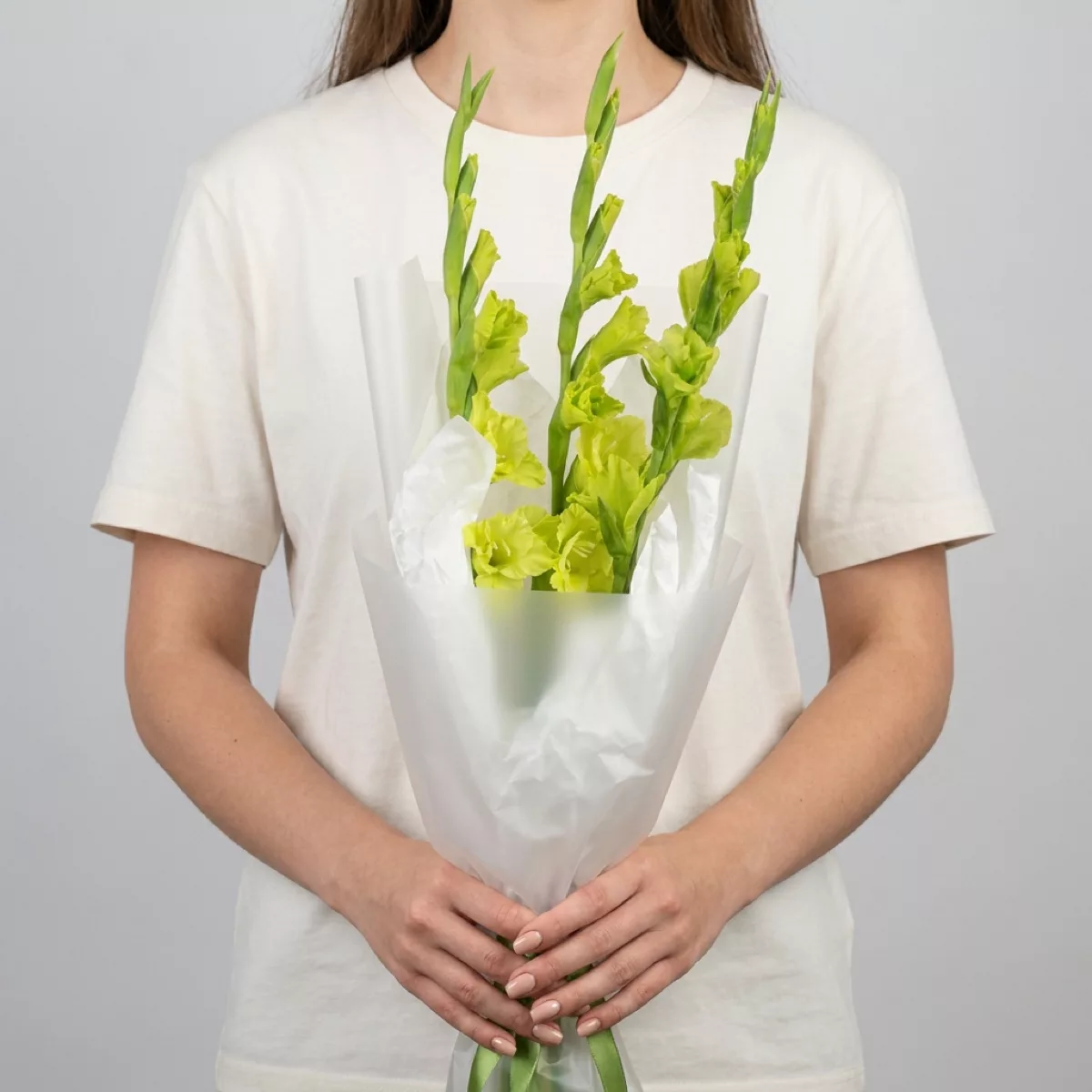
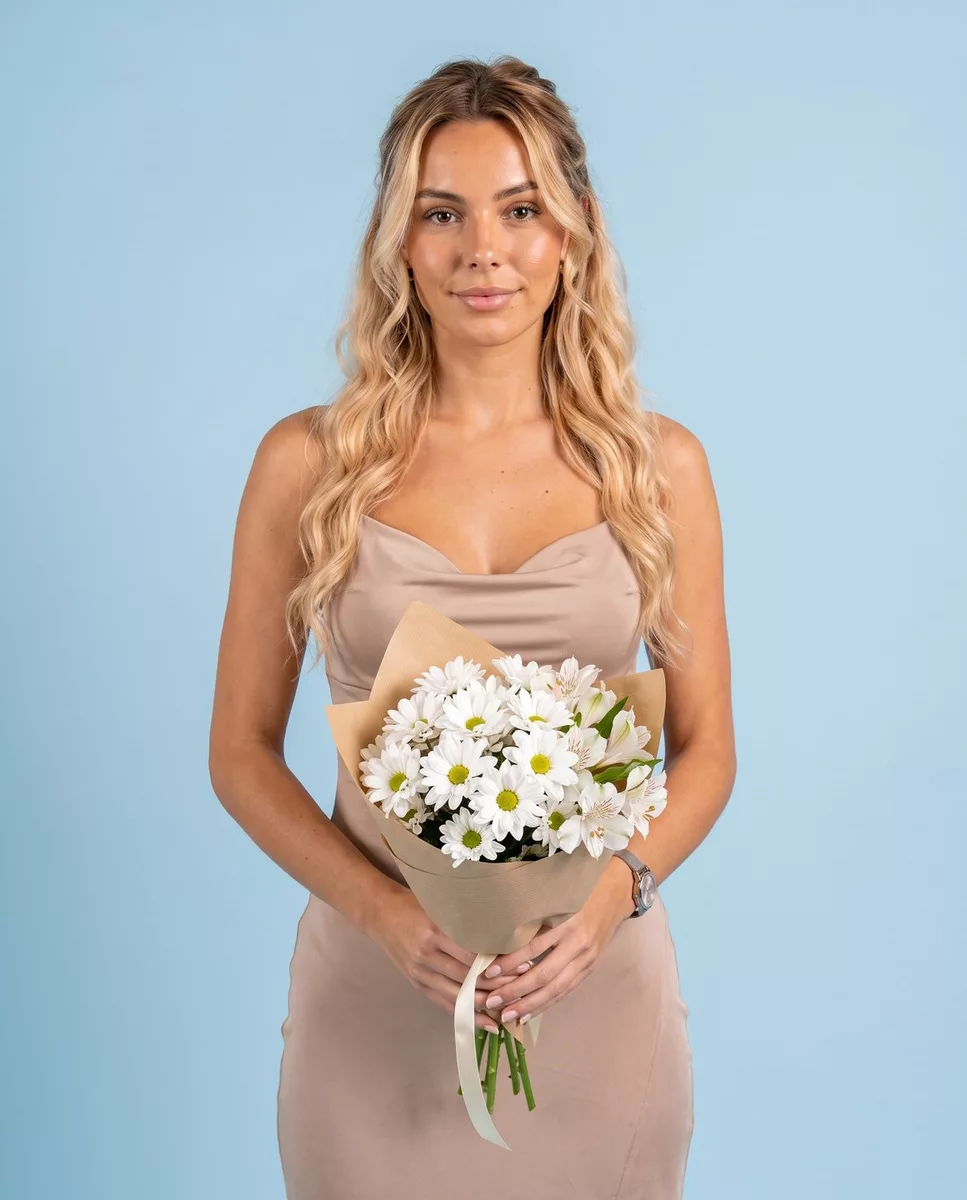
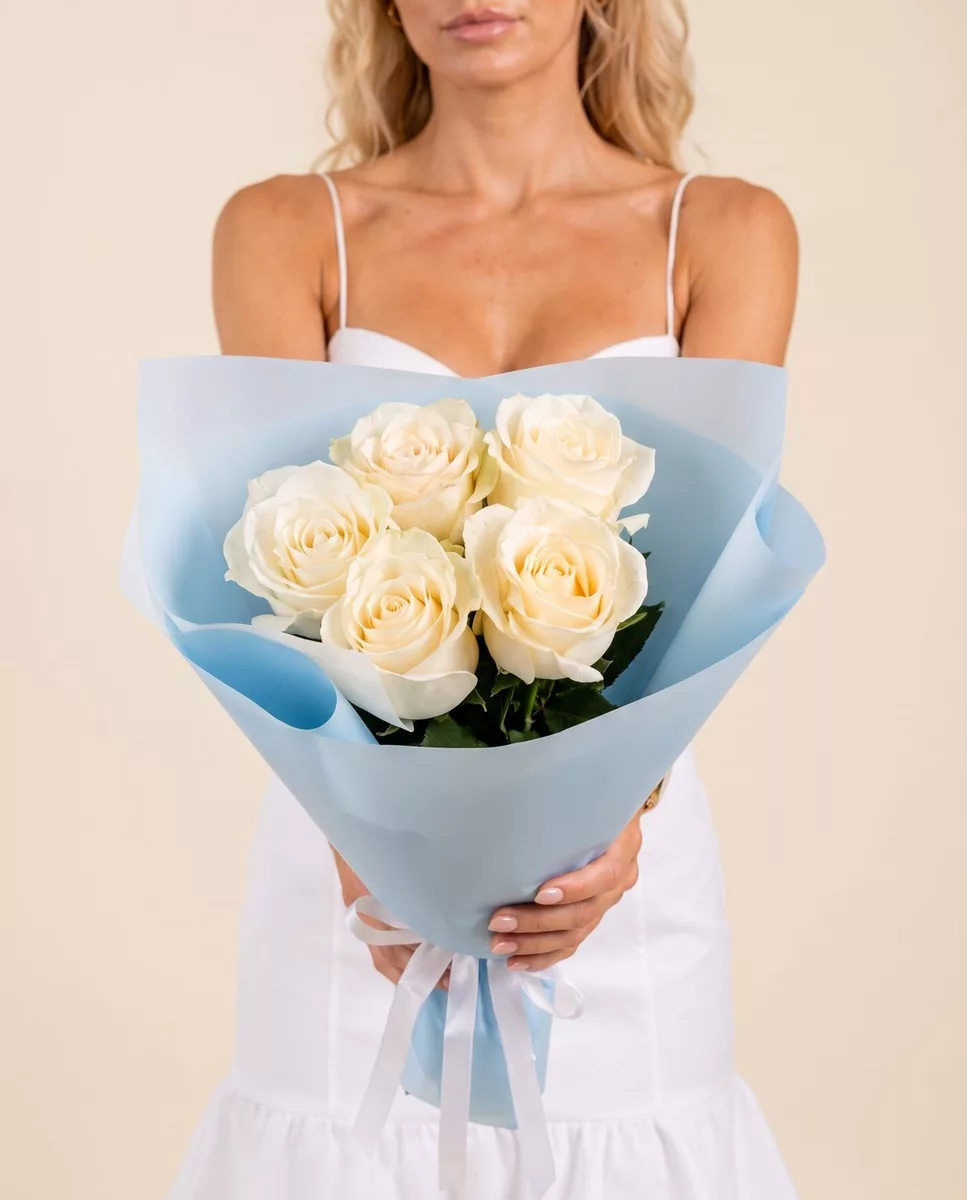
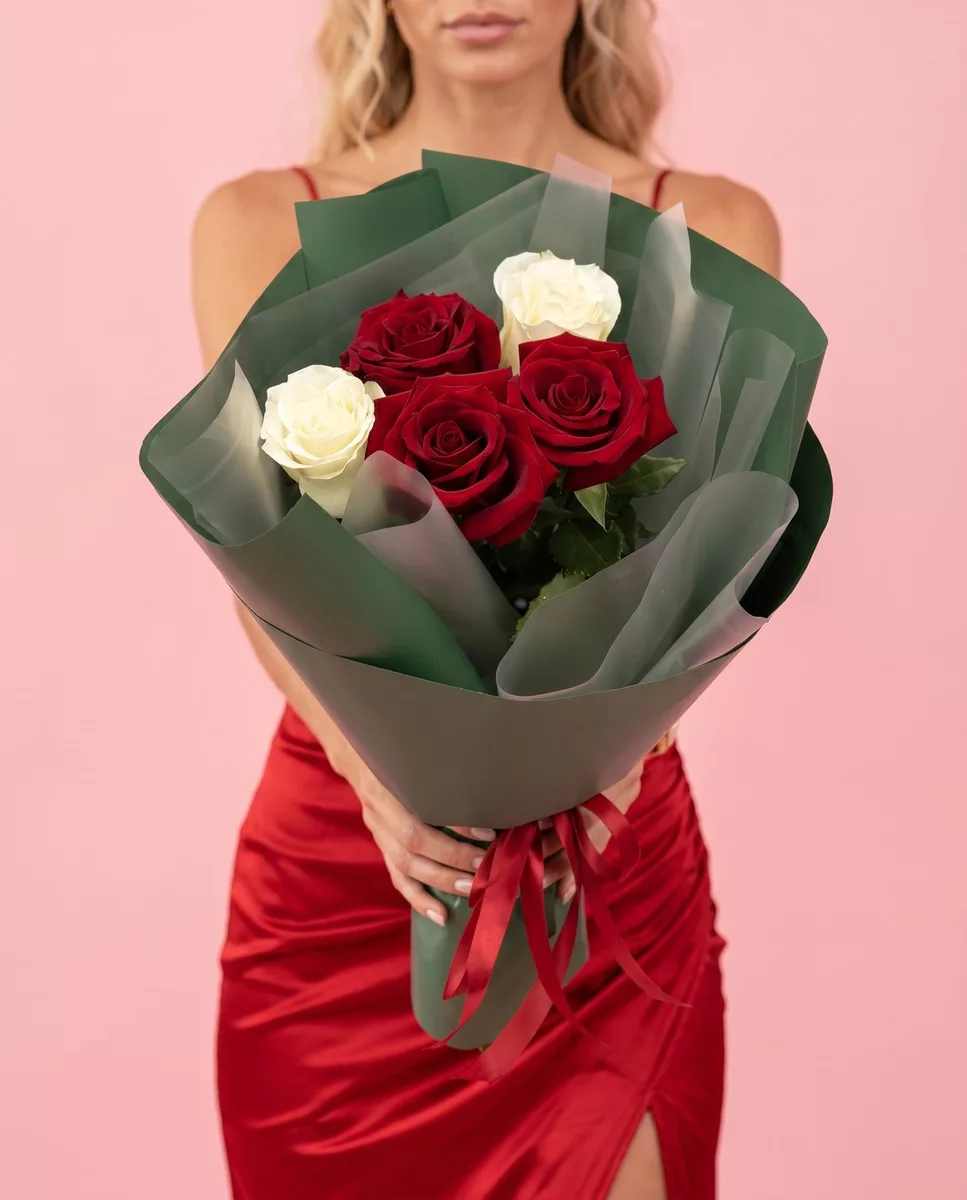
Delivery Timing: What One to Two Hours Actually Means
The one-to-two-hour window that Turboflora offers is a real commitment, not a marketing phrase. It means that from the moment your order is confirmed, flowers are being selected, arranged, and dispatched. For Bronnitsy, the courier is on the road within that window, and the total door-to-door time reflects both the preparation and the drive. Orders placed before noon on weekdays typically see the smoothest deliveries, with the fewest road complications.
Evening deliveries are popular for anniversaries and birthdays, and they work well — but placing an order by mid-afternoon gives the team time to source any specific variety you have requested. If you want something particular, such as a mono-bouquet of white peonies or a large arrangement of coral-coloured spray roses, earlier is always better. Last-minute requests can usually be fulfilled with what is freshest and most available, which is sometimes the better choice anyway.
One thing that surprises people ordering for the first time: the courier will call ahead. This is standard Russian practice and a genuine courtesy, not an inconvenience. It gives the recipient a few minutes to come to the door or buzz the entrance, and it ensures the flowers are handed over rather than left outside. If the recipient is at work or in a meeting, a short message to expect a call around a certain time makes the whole exchange much smoother for everyone involved.
Choosing Flowers for the Person, Not Just the Occasion
Before thinking about which flowers to order, think about who is receiving them and what you want them to feel when the door opens. A bouquet for a young woman turning twenty-five calls for something different than one for a grandmother celebrating a family milestone, even if both occasions are technically birthdays. The flowers should feel personal, and the way to achieve that is to start with the person rather than a default arrangement.
For someone who loves bold colour and drama, dahlias, sunflowers, and deep burgundy chrysanthemums make a strong impression. For someone with a quieter aesthetic, a single-variety bouquet of white ranunculus or blush-toned lisianthus reads as considered and elegant. Lisianthus in particular is underused and underappreciated — it has the layered petals of a garden rose but lasts significantly longer in a vase, which makes it a genuinely thoughtful choice.
If you are sending flowers to someone you do not know especially well — a new colleague, a host whose home you are visiting for the first time — neutral combinations work well without risking a mismatch in taste. Soft yellows, creams, and greens read as warm and welcoming across a wide range of preferences. Avoid very large, theatrical arrangements for professional settings unless you know the recipient well; something well-proportioned and fragrant is almost always received warmly. Freesia, for instance, carries a light scent that most people find immediately pleasant without being overwhelming.
Seasonal Availability and What Grows When
Russia's floral calendar is worth understanding, because it directly affects what looks best and lasts longest at different times of year. In winter, from November through February, the strongest choices are flowers that travel well and hold structure in cold air: tulips, carnations, alstroemeria, and chrysanthemums. These are not second-best options — a tightly arranged bouquet of bicolour tulips in January looks striking and stays fresh for over a week with basic care.
Spring brings the first peonies by late May, and they are genuinely worth waiting for. A full peony in soft pink or white has a presence that no other flower quite matches, and Bronnitsy deliveries in May and June often feature them at their peak. By summer, garden roses become more available in a wider range of colours, and hydrangeas add volume and texture to mixed arrangements without requiring many stems.
Autumn is an excellent season for dahlias, which come in forms ranging from small pompom varieties to large dinner-plate blooms in deep reds and burnt oranges. They suit the season visually and emotionally, and they hold up well during transport. Eustoma — the same flower as lisianthus, sold under both names in Russia — is available year-round and is always a reliable anchor for a mixed bouquet regardless of season. Knowing what is genuinely in season means your arrangement arrives at its best rather than looking forced or tired.
Presentation Choices That Change How Flowers Feel
The way a bouquet is wrapped and presented changes how it reads when someone receives it. A loose, garden-style arrangement wrapped in kraft paper and tied with twine feels relaxed and personal, as if the flowers were gathered that morning. The same flowers in a structured round bouquet with a formal ribbon read as celebratory and ceremonial. Neither is better — they simply say different things, and choosing deliberately makes the gift feel more intentional.
In Russia, it is traditional to give flowers in odd numbers, and this is a custom that many recipients will notice and appreciate. Even if you are not aware of the tradition, most florists follow it automatically. Even numbers of flowers are associated with mourning and are avoided for gifts, so a bouquet of eleven roses or thirteen tulips is the expected norm rather than an arbitrary decision.
For larger celebrations — promotions, significant birthdays, new home arrivals — a box arrangement or a flower hat box has become increasingly popular in Russian cities including smaller ones like Bronnitsy. These present well on a table and do not require the recipient to find a vase immediately, which is a practical consideration if they are at a party or gathering. Adding a small card with a handwritten note is worth doing; in Russian gift culture, the written word alongside flowers carries genuine weight and is kept long after the petals have faded.
Keeping Flowers Fresh After Delivery: Practical Care
Fresh flowers delivered to Bronnitsy will have been conditioned before dispatch — stems cut at an angle, leaves stripped below the waterline, and the bouquet kept cool during transport. What happens in the first hour after arrival determines how long they last, and a few simple steps make a significant difference.
Fill a clean vase with cool water, not warm. Warm water encourages bacteria to develop faster and shortens vase life noticeably. Re-cut the stems at an angle before placing them in the water, even if they were already cut at the shop — this reopens the water channel and allows the flower to drink immediately. Remove any leaves that will sit below the waterline, as submerged foliage rots quickly and clouds the water.
Keep the arrangement away from direct sunlight, radiators, and fruit bowls. Ripening fruit releases ethylene gas, which accelerates the ageing of flowers — a detail that sounds technical but is easy to act on. Change the water every two days and re-cut the stems each time. With this routine, tulips last five to seven days, carnations and alstroemeria can reach ten to fourteen days, and chrysanthemums often outlast everything else in the arrangement. Lisianthus and spray roses fall somewhere in between, typically giving eight to ten days of good appearance when cared for properly. Peonies are shorter — four to six days — but their impact in those days is unmatched.
Making the Order Feel Right From Start to Finish
The experience of receiving flowers is shaped by small details that are easy to get right with a little thought. The first is the delivery note. A short, specific message — something that references a shared memory, an inside joke, or a direct expression of what you feel — lands far better than a generic greeting. Recipients in Russia often keep cards from meaningful bouquets for years, tucked into books or left on a shelf.
The second detail is timing relative to the occasion. Flowers that arrive on the morning of a birthday set the tone for the whole day; flowers that arrive in the evening feel like a closing gesture. Neither is wrong, but they create different emotional experiences. If the person has an event — a dinner, a gathering, a performance — aim to deliver before it begins so they can enjoy the flowers as part of the occasion rather than after the fact.
The third detail is communication with the recipient. In some cases, a surprise delivery is the entire point, and that is wonderful. In other cases — particularly if the recipient lives alone, works from home, or has an unpredictable schedule — a quiet heads-up that something is arriving today removes anxiety and ensures the flowers are received rather than missed. Turboflora couriers will always call ahead, so the only question is whether the recipient is expecting a call or not. Either way, the flowers arrive. A little coordination simply makes the moment feel more complete.
Sending flowers to Bronnitsy is straightforward when you understand what the delivery actually involves — the timing, the seasonal logic, the small customs that make a bouquet feel right rather than generic. The flowers that arrive at a door in Bronnitsy have been chosen, arranged, and driven with care, and the person receiving them will notice that. Start with who they are and what you want them to feel, let the season guide the varieties, and give the arrangement a clean vase and fresh water when it arrives. Everything else follows from those three things.
Frequently asked questions
Can I schedule a flower delivery to Bronnitsy for a specific time of day?
Yes. When placing your order, you can indicate a preferred delivery window — morning, afternoon, or evening. Morning slots before noon tend to be the most reliable, especially on weekdays. For time-sensitive occasions like a birthday breakfast or a work event, placing the order the evening before gives the best chance of hitting your preferred window precisely.
What happens if the recipient is not home when the courier arrives in Bronnitsy?
The courier will call the recipient before arriving, which is standard practice. If there is no answer, the courier will attempt to reach the sender as well. Flowers are never left unattended outside a door. If a redelivery is needed, the team will coordinate a new time. Letting the recipient know a delivery is coming significantly reduces the chance of a missed handover.
Which flowers hold up best during delivery in very cold or very hot weather?
In winter, chrysanthemums, alstroemeria, carnations, and tulips travel exceptionally well in cold temperatures. In summer heat, avoid very delicate open blooms and opt for tighter buds of roses or spray roses, which open beautifully after arrival. Lisianthus and statice are reliable in both seasons. The bouquet is wrapped to protect against temperature during transit, but choosing hardy varieties adds an extra layer of assurance.
Is it possible to send flowers to a business address or workplace in Bronnitsy?
Absolutely. Office and business deliveries work well, and a bouquet arriving at a workplace in front of colleagues can make the occasion feel even more special for the recipient. It helps to provide the full address including floor or office number, and a contact phone number for the recipient. Mentioning in the order notes that it is a workplace delivery allows the courier to plan the handover smoothly.
Why do Russian bouquets always seem to have an odd number of flowers?
This is a long-standing Russian tradition with roots in folk custom: even numbers of flowers are associated with mourning and are placed at graves, while odd numbers are for the living and for celebration. Most recipients in Russia will notice and appreciate an odd-numbered bouquet. Turboflora follows this convention automatically, so your arrangement will always reflect this cultural detail without you needing to specify it.
Ready to send flowers?
Pick the city, choose the bouquet, and a local florist takes it from there.
Choose a city →