Sending Flowers to Chegem? Here Is Everything You Need to Know
Chegem sits in the Kabardino-Balkarian Republic, a city where family ties run deep and a bouquet arriving at the right moment carries real weight. Whether you are sending flowers for a birthday, a new home, a graduation, or simply because someone deserves them, getting the details right matters. This guide walks you through timing, seasonal variety, presentation choices, and how to keep your flowers looking their best once they arrive.
What Delivery to Chegem Actually Looks Like
Chegem is not a destination where flowers simply appear in an hour. Turboflora is based in Saint Petersburg and delivers across Russia, which means your order travels to Chegem through a carefully managed logistics chain designed to keep flowers fresh and presentable on arrival. Delivery typically takes one to two days depending on when you place your order and the time of day. Same-day delivery is available in many Russian cities, and for Chegem you should place your order as early in the day as possible to give the best chance of next-day arrival.
The flowers leave our workshop already conditioned: stems are cut at an angle, foliage below the waterline is removed, and the bouquet is wrapped in temperature-appropriate packaging. In summer, when Chegem temperatures can climb well above thirty degrees Celsius, we use insulated wrapping and chilled gel packs to prevent wilting during transit. In winter, the concern is the opposite — freezing temperatures can damage petals, so flowers travel in thermal packaging that keeps them above five degrees Celsius throughout the journey.
The recipient does not need to be home at a precise minute. Our courier contacts the recipient in advance to arrange a suitable handover time, so the bouquet is never left sitting in heat or cold. If you want the delivery to be a surprise, you can add a note asking the courier to coordinate with you rather than the recipient directly. Clear instructions in the order comments make this easy to manage.
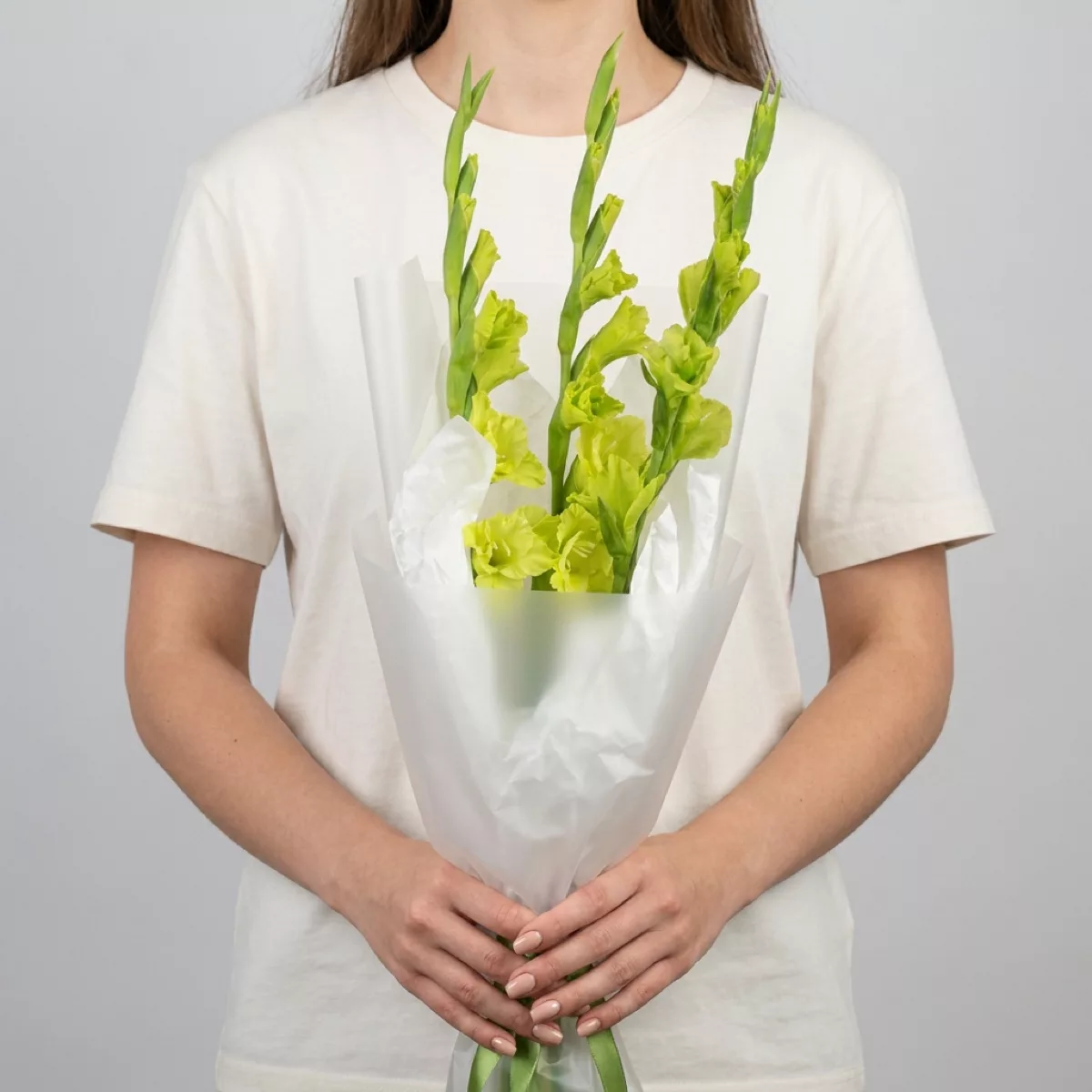
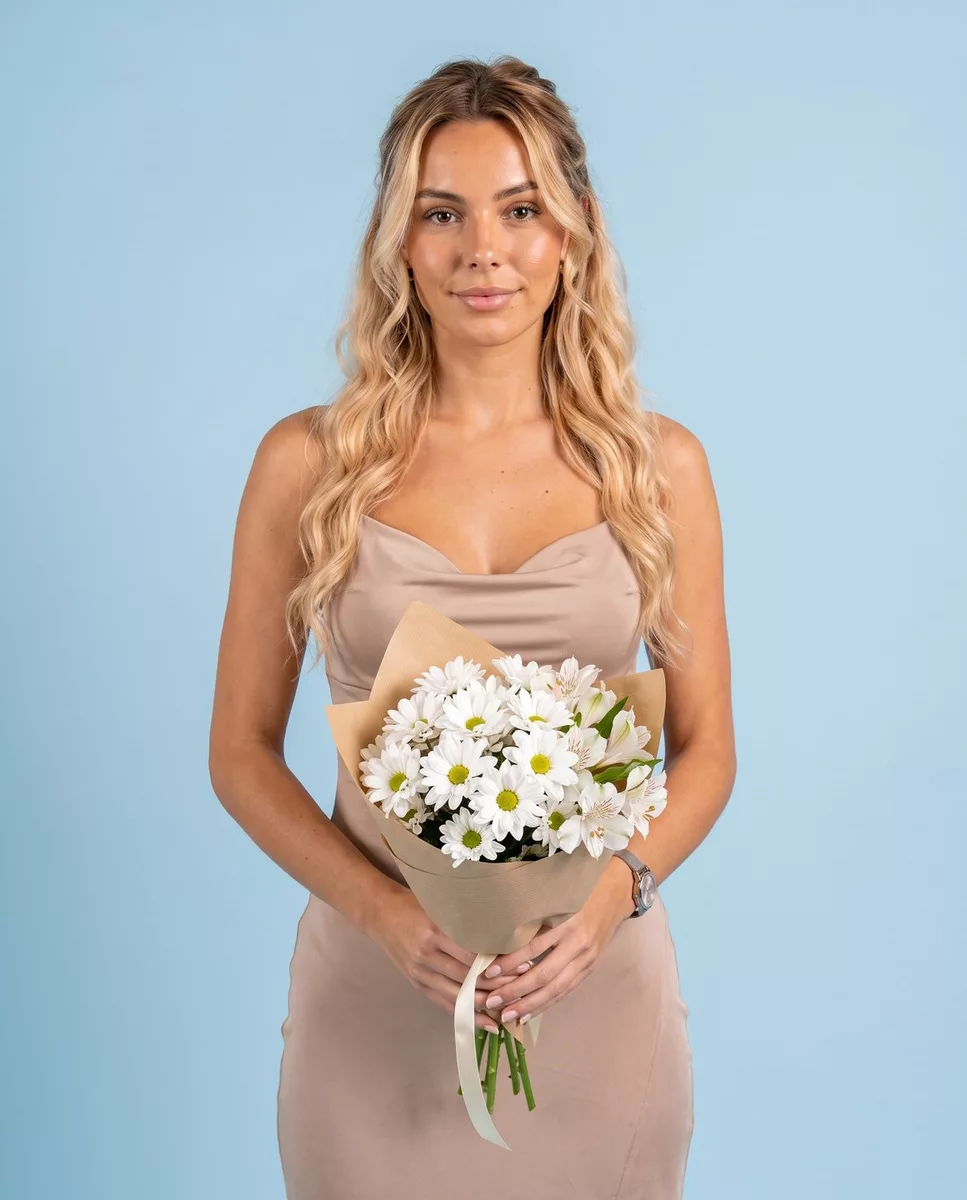
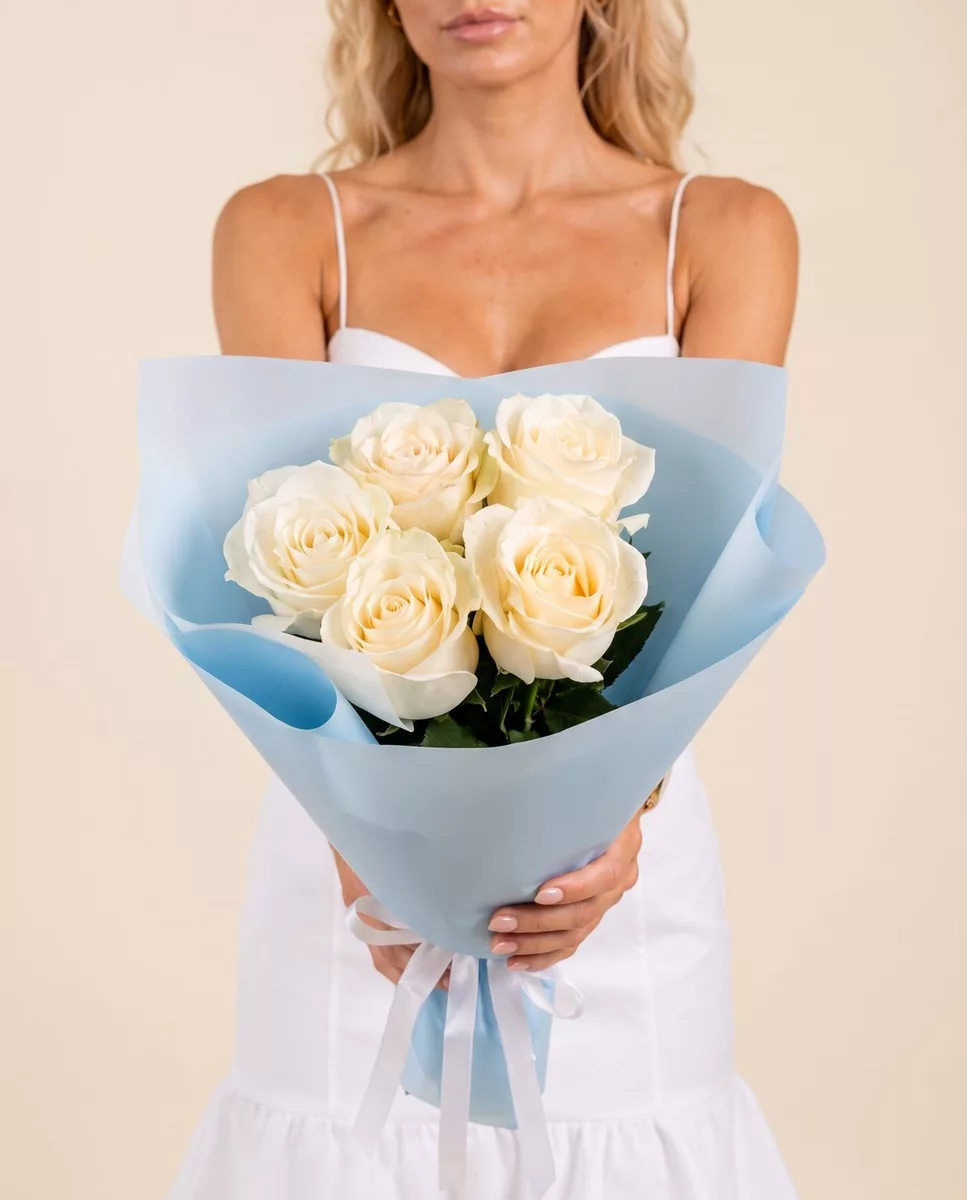
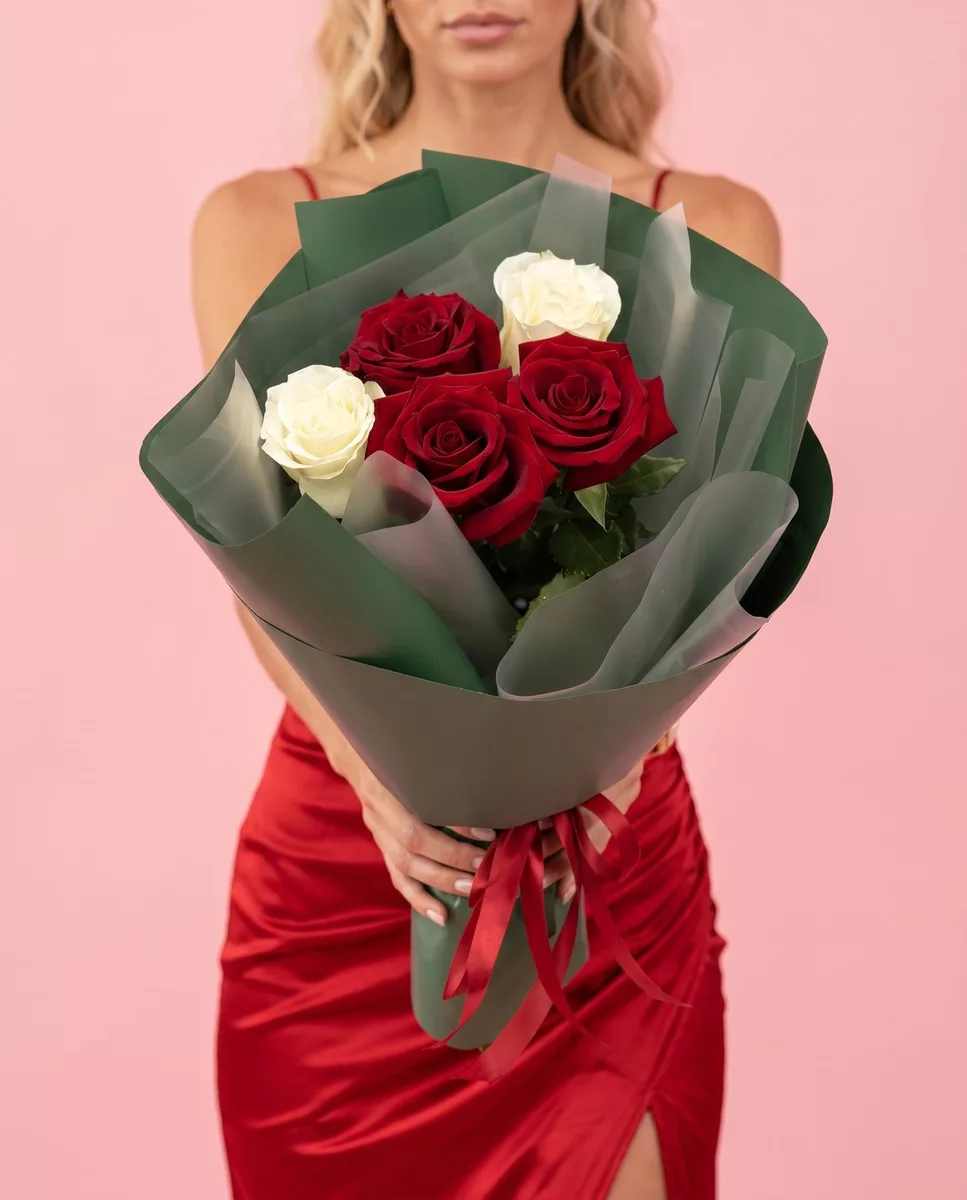
Bouquets we can deliver
Choosing Flowers for the Person, Not Just the Occasion
Before you think about budget or flower type, think about the person receiving the bouquet. In Chegem, as across the Caucasus region, flowers carry social meaning. A large, generous arrangement signals respect and celebration. Roses — particularly red or deep pink — are associated with warmth and affection and are widely appreciated. Peonies, when in season from late spring through early summer, read as luxurious and thoughtful. Chrysanthemums are popular for everyday appreciation and hold up very well in transit, which makes them a practical as well as meaningful choice.
If the recipient is a woman celebrating a significant birthday, consider a mixed bouquet that combines texture and color: spray roses alongside alstroemeria, with eucalyptus or ruscus for greenery. This combination photographs beautifully, lasts well in a vase, and feels considered rather than generic. For a man, a more structured arrangement — perhaps sunflowers with solidago and strong green foliage — works well without feeling out of place in a culture where giving flowers to men is perfectly normal and appreciated.
For a younger recipient, tulips in spring or gerberas year-round bring a bright, energetic feel. Gerberas in particular come in a wide range of colors and signal cheerfulness without being overly formal. Think about the recipient's home too: a bold, colorful bouquet suits a lively household, while a softer arrangement of white or blush flowers suits someone who prefers a quieter aesthetic. When in doubt, ask yourself what would make that specific person smile when they open the door.
Seasonal Availability and What Grows When
One of the most common mistakes people make when ordering flowers remotely is assuming that their favorite variety is always available. Flower supply follows seasons, and while modern cold-chain logistics from the Netherlands and Ecuador means roses and carnations are available year-round, other varieties have clear windows. Ordering within those windows gives you better quality and better value.
Peonies are available roughly from May through July. During this window they are at their most fragrant and their petals are dense and full. Outside this window, peonies become scarce, expensive, and sometimes disappointing in quality. Tulips are a spring flower, at their best from February through April — the weeks around International Women's Day on March 8th see enormous demand, so ordering early for that date is strongly advised. Sunflowers peak in late summer and early autumn, typically July through September, when they are boldest and longest-lasting.
Year-round reliable choices include roses, alstroemeria, chrysanthemums, carnations, and gerberas. These varieties travel well and maintain their appearance through the logistics chain to Chegem. Lisianthus is another excellent year-round option — it resembles a rose in its layered petals but has a more delicate, romantic appearance and a vase life of up to two weeks when properly cared for. If you are ordering in winter, lean toward these reliable varieties rather than pushing for something seasonal that will be stressed by the cold and the journey. A confident, fresh bouquet of roses beats a tired peony every time.
Budget Ranges and What Each Level Gets You
Flower budgets in Russia span a wide range, and what matters is not the number but how the money is used. At the entry level, a single-variety bouquet of fifteen to twenty-five stems — spray roses, carnations, or alstroemeria — makes a clean, generous impression. These flowers are honest and straightforward, and a well-assembled mono-bouquet in a complementary wrap looks intentional rather than modest.
Moving into the mid range opens up mixed compositions. This is where you can combine a focal flower like a garden rose or a peony with supporting textures: waxflower, limonium, eucalyptus, or ruscus. The arrangement gains depth and the recipient sees that thought went into it. A mixed bouquet in this range typically contains two or three flower types and a foliage element, which gives it a florist-assembled rather than a supermarket feel.
At the higher end, you are working with premium focal flowers — large-headed Dutch roses, peonies in season, or orchid stems — combined with structural foliage and secondary blooms that complement without competing. Presentation at this level also shifts: a hatbox, a kraft paper wrap with ribbon, or a structured arrangement in a ceramic vessel adds to the experience of receiving the bouquet. In Chegem, where hospitality is a genuine cultural value, a beautifully presented arrangement signals that the sender took the occasion seriously. The packaging is part of the message. Choose a presentation style that matches the relationship and the occasion, not just the flowers inside.
How to Write a Message That Lands Well
The card that comes with a bouquet is often remembered long after the flowers have faded. In Russian-speaking communities, including Chegem, a handwritten or printed message carries real emotional weight. A few words chosen with care do more than a long generic phrase. If you are writing in English for a recipient who reads Russian, our team can help translate your message so it reads naturally rather than mechanically.
Keep the message personal and specific. Instead of writing happy birthday, try writing something that references a shared memory, a quality you admire in the person, or a specific wish for the year ahead. This specificity is what makes the card feel like it came from you rather than from a template. If the occasion is a new home or a professional achievement, acknowledge the effort that went into reaching that moment — Russians generally appreciate recognition of hard work and perseverance.
For romantic occasions, directness is welcome. Russian culture is not shy about expressing affection, and a sincere, warm message is received as genuine rather than excessive. If you are sending flowers to someone you do not know well — a colleague's spouse, a friend's parent — keep the message warm but measured: something that expresses appreciation and good wishes without overstepping. A short, well-chosen sentence is always better than a long, uncertain paragraph. When you place your order, take two minutes to write the message yourself rather than selecting a pre-written option. That small effort is noticed.
Caring for Flowers After They Arrive in Chegem
Chegem has a continental climate with warm summers and cold winters. In summer, indoor temperatures without air conditioning can stay high, which shortens vase life considerably. The first thing the recipient should do when the bouquet arrives is re-cut the stems — about two centimeters from the bottom, at a forty-five degree angle — and place them immediately in clean, cool water. This single step makes a measurable difference to how long the flowers last.
Change the water every two days and keep the vase away from direct sunlight, radiators, and fruit bowls. Ethylene gas released by ripening fruit accelerates petal drop in roses and tulips, which is why the fruit bowl tip is not just a myth. In Chegem summers, placing the vase in the coolest room of the house — often the kitchen or a north-facing room — extends vase life noticeably. If the recipient has air conditioning, the flowers will last significantly longer.
Different flowers have different natural lifespans. Alstroemeria and chrysanthemums regularly last ten to fourteen days with basic care. Roses, when properly re-cut and kept in clean water, last seven to ten days. Tulips are shorter-lived — five to seven days — but they continue to open and change shape as they age, which many people find beautiful. Gerberas benefit from shallow water rather than a full vase, as their stems can rot at the base in deep water. Sharing these simple tips with the recipient, either in the card or in a separate note, helps them get the most from what you sent.
When to Order and How to Avoid the Common Mistakes
The most common mistake in long-distance flower ordering is leaving it too late. For Chegem, placing your order the day before the occasion gives the best outcome. If the event is on a Saturday, order by Thursday afternoon. This gives the logistics chain time to move the bouquet from Saint Petersburg, through the route to Kabardino-Balkaria, and into the recipient's hands without rushing. Rushed orders can still arrive on time, but they carry more risk of a missed window.
The second most common mistake is being vague about the delivery address. Chegem has residential areas, apartment blocks, and private homes. Make sure you have the full address including the apartment number, entrance code if there is one, and a working phone number for the recipient. If the courier cannot reach the recipient and cannot access the building, the bouquet waits — and waiting in a car in summer heat is not kind to flowers.
A third mistake is ordering a variety that is out of season and being disappointed by the result. If you have a specific flower in mind, check with us before placing the order. We will tell you honestly whether it is available in good quality or whether a similar alternative would serve better. A florist who tells you the truth about availability is more useful than one who accepts any order and sends what they have. Our goal is for the recipient in Chegem to open that door and feel genuinely delighted — and that outcome starts with honest choices made at the ordering stage.
Sending flowers to Chegem from a distance is an act of care, and it deserves the same attention you would give to choosing a gift in person. When you think first about the recipient — their taste, the occasion, the climate they live in — and then work outward to variety, presentation, and timing, the bouquet stops being a transaction and becomes a message. Turboflora handles the distance; you bring the thought.
Frequently asked questions
How long does flower delivery to Chegem take from Saint Petersburg?
Delivery to Chegem typically takes one to two days. To maximize the chance of next-day arrival, place your order early in the day. We use temperature-appropriate packaging for both summer and winter conditions, so flowers arrive in good condition regardless of the season.
Can I request a specific delivery time in Chegem?
You can indicate a preferred delivery window in your order comments. Our courier contacts the recipient in advance to arrange a convenient handover time. If the delivery is a surprise, note that in your order and we will coordinate with you instead of the recipient.
Which flowers travel best on long-distance delivery to Chegem?
Roses, chrysanthemums, alstroemeria, carnations, and gerberas are the most reliable choices for long-distance delivery. They hold their shape and color well during transit. Delicate varieties like open peonies or fully bloomed tulips are more fragile and work best when ordered within their peak season.
Is it acceptable to send flowers to a man in Chegem?
Absolutely. Giving flowers to men is a normal and appreciated gesture in Russian and Caucasian culture, particularly for birthdays, professional achievements, or significant life events. Sunflowers, bold mixed arrangements, or structured compositions with strong foliage work well for male recipients.
What should the recipient do immediately when the bouquet arrives?
Re-cut the stems at a forty-five degree angle, place them in clean cool water right away, and find a spot away from direct sunlight and fruit. In Chegem's warm summers, the coolest room in the house is ideal. Changing the water every two days significantly extends vase life for most varieties.
Ready to send flowers?
Pick the city, choose the bouquet, and a local florist takes it from there.
Choose a city →