Sending Flowers to Chekhov? Here Is What to Expect
Chekhov sits about 70 kilometres south of Moscow along the Simferopol Highway, and it is the kind of city where a well-timed bouquet can make a real impression — whether you are surprising someone at home on a Tuesday afternoon or marking a birthday from across the country. Knowing how delivery actually works here, what affects timing, and which flowers hold up best on the road will help you choose with confidence and make sure the person opening the door feels exactly what you intended.
The Areas We Cover in Chekhov and How Far We Reach
Chekhov is a compact city, but it spreads across several distinct neighbourhoods and adjoining settlements that are worth knowing before you place an order. The central districts around Molodyozhny Prospekt and the railway station are the easiest to reach and typically receive priority slots throughout the day. Residential areas further from the centre — including Lvovskiy, Stolbovaya, and the newer housing developments along the southern edge — are all within our delivery zone, though they may sit toward the later end of a given time window.
Villages and garden communities on the immediate outskirts of Chekhov, such as those along the Lopasnya River corridor, are also serviceable. If you are sending to a dacha address or a private house rather than an apartment block, it helps to include the full postal address and a gate or entrance note in the order comments. Couriers navigating rural lanes appreciate the detail, and it prevents unnecessary delays when the recipient is waiting.
One practical point: Chekhov has several streets that share similar names across different micro-districts. Double-checking the house number and confirming the nearest landmark with the recipient before you finalise the order saves everyone time. We always confirm the address with you before dispatch, so there is a natural moment to catch any confusion early.
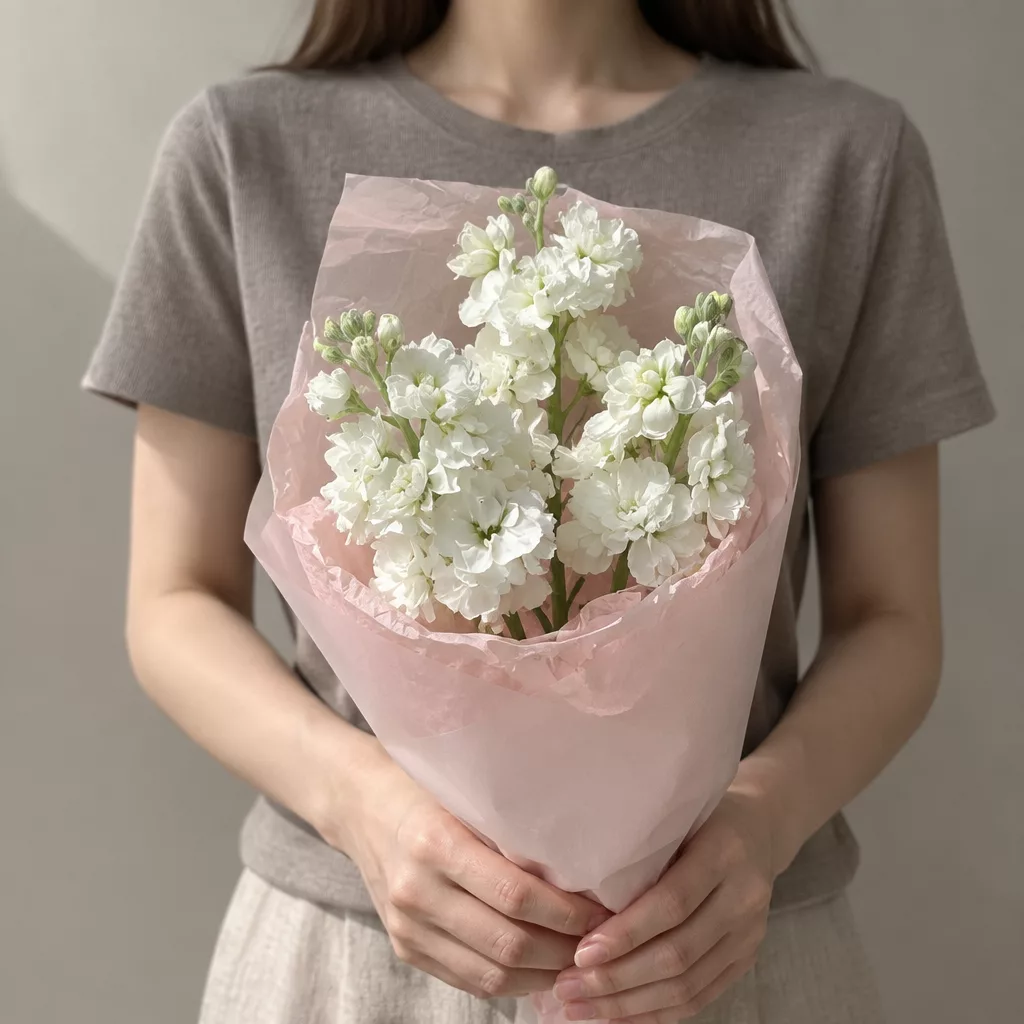
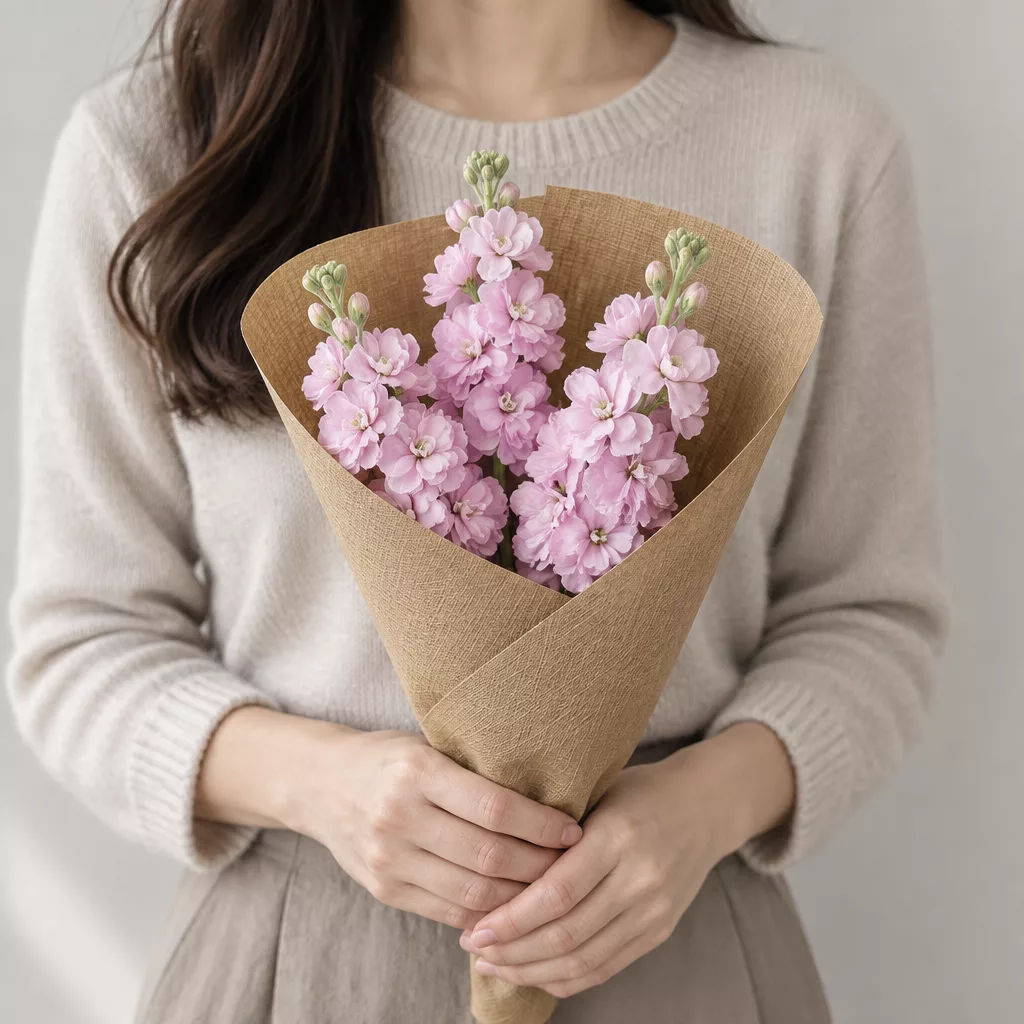
Bouquets we can deliver


Delivery Timing: What One to Two Hours Actually Means Here
The one-to-two-hour window we advertise is a genuine target, not a marketing phrase. For central Chekhov addresses, orders placed before early afternoon consistently arrive within that range. The window stretches closer to two hours for addresses on the outskirts or during periods of heavy traffic on the Simferopol Highway, which is the main artery connecting the city to Moscow and can slow significantly during morning and evening commuter peaks.
Seasonal weather matters more than most people expect. January and February in this part of Russia bring genuine cold — temperatures regularly drop to minus fifteen or lower — and that affects both the driver's route planning and the way the bouquet needs to be packaged. In deep winter, flowers travel in insulated wrapping to prevent petal damage from the cold, which adds a small amount of preparation time before dispatch. In summer, heat above thirty degrees creates the opposite problem: roses and ranunculus are particularly sensitive, and we pre-cool arrangements before they leave the studio.
If you are ordering for a specific moment — the end of a work meeting, a surprise arrival at a train station — give us the target time in the order notes rather than just the address. We can usually schedule dispatch to hit a narrow window, but we need to know it is a priority. Same-day orders placed in the morning have the most flexibility; evening orders for the same day are possible but depend on available slots.
Choosing the Right Flowers for the Person, Not Just the Occasion
The occasion is a starting point, but the person receiving the flowers is the real guide. A colleague celebrating a promotion will feel differently about a tight, formal arrangement of white calla lilies than she would about a loose, garden-style bouquet of lisianthus and eucalyptus. Think about what the recipient's home looks like, whether she tends to keep things minimal or abundant, and whether she has ever mentioned a favourite flower or colour.
For someone you know well, specificity is a gift in itself. Peonies in late spring, garden roses in summer, dahlias in early autumn — choosing what is genuinely in season shows thought. Flowers that are forced out of season often look slightly flat and fade faster, because they have travelled further and been held in cold storage longer. Asking for what is at peak quality on the day of delivery usually produces a more beautiful result than insisting on a specific variety that is not at its best.
For someone you know less well — a manager, a new parent, a host — a classic combination is safer and still generous. Spray roses paired with alstroemeria and soft greens like ruscus or pittosporum hold well, look substantial, and suit almost any interior. Avoid strongly scented flowers like lilies if you are sending to a hospital room or a small apartment; the fragrance can become overwhelming in an enclosed space, and some people are sensitive to it.
Bouquets by Budget: What Each Level Looks Like in Practice
Budget shapes what is possible, but it does not have to limit how the bouquet feels. A modest arrangement built around three or five stems of a beautiful focal flower — a garden rose, a peony, or a large-headed chrysanthemum — with two or three complementary greenery types will look intentional and generous if the proportions are right. The mistake at this level is trying to include too many different elements; restraint reads as sophistication.
A mid-range budget opens up mixed bouquets with genuine variety: you might combine spray roses, lisianthus, and wax flower with a base of eucalyptus and soft leather fern. This range also allows for presentation upgrades — kraft paper wrapping with a satin ribbon, or a simple glass vase included with the order. Presentation matters more than most people realise. The same flowers in good wrapping feel like a considered gift; the same flowers in a plastic sleeve feel like an afterthought.
At a higher budget, the difference is in stem count, flower quality, and the inclusion of premium varieties. Garden roses with densely packed petals, ranunculus in two complementary shades, or branches of ornamental cherry blossom in season — these are flowers that photograph beautifully and last well when cared for properly. At this level, you can also request a specific colour palette or a structured arrangement in a ceramic vessel rather than a wrapped bouquet. If you are ordering for a significant birthday or anniversary, this is the tier where the bouquet becomes the centrepiece of the moment rather than one of several gifts.
Russian Flower Customs Worth Knowing Before You Order
If you are not familiar with Russian gifting traditions, a few customs are worth understanding so your order lands exactly as intended. The most widely observed is the odd-number rule: bouquets are given in odd numbers of stems — one, three, five, seven — for celebratory occasions. Even numbers are associated with mourning and are avoided for birthdays, anniversaries, and congratulations. This is taken seriously enough that most recipients will notice, so it is not a detail to skip.
Colour carries meaning in a general way, though it is not as codified as in some other cultures. Red roses are romantic and read clearly as a declaration; giving them to a colleague or a friend's mother can create awkward ambiguity. White flowers are elegant and versatile but can feel formal in casual contexts. Yellow flowers were once considered unlucky in Soviet-era tradition, though that association has faded considerably among younger recipients in cities like Chekhov. If you are uncertain, a mixed palette of soft pinks, peaches, and creams is universally warm and appropriate.
It is also common in Russia to give flowers without a vase — the recipient is expected to arrange them herself. Including a vase as an add-on is a generous touch, particularly if you are sending to someone who has just moved or who you know lives simply. A handwritten card is appreciated more than a printed one; if you add a message to your order, we write it by hand.
Keeping Your Bouquet Fresh: Care Advice That Actually Works
The way a bouquet is cared for in the first two hours after it arrives determines most of its vase life. The single most important step is a clean, diagonal cut on each stem — about two centimetres from the bottom — made with a sharp knife rather than scissors. Scissors compress the stem tissue and reduce water uptake. Cut the stems under running water or immediately place them in water after cutting; exposure to air for even a minute allows an air bubble to form that blocks hydration.
Water temperature matters more than most people expect. Lukewarm water encourages faster opening; cold water slows the process and extends vase life. For flowers that arrive tightly budded in winter — roses and ranunculus especially — a room-temperature vase will help them open within twelve to twenty-four hours. Strip any leaves that fall below the waterline; submerged foliage rots quickly and introduces bacteria that shorten the life of everything in the vase.
Change the water every two days and re-cut the stems each time. Keep the vase away from radiators, which are running hard through Chekhov's long winters, and away from direct sunlight in summer. A cool spot — an interior hallway, a shaded corner of a room — extends life noticeably. Most mixed bouquets, properly cared for, last seven to ten days. Alstroemeria and chrysanthemums are particularly long-lived; garden roses and sweet peas are shorter but worth it for the few days they are at their peak.
What Makes a Delivery Go Smoothly: Practical Steps for the Sender
The orders that arrive without any friction share a few things in common, and they are all within the sender's control. First, confirm that the recipient will be available — or arrange a trusted neighbour or building concierge to receive the bouquet if the person is at work. Flowers left in a warm entrance hall or on a doorstep in summer heat will suffer within an hour. In winter, the cold is less damaging for most flowers, but a bouquet left outside for more than thirty minutes in serious frost will show petal damage.
Provide the full address including the apartment number, floor, and intercom code if there is one. In Chekhov, many residential buildings have entry codes or video intercoms, and a courier who cannot reach the recipient will wait briefly and then contact you. Having the recipient's phone number in the order means we can call ahead and coordinate arrival, which is especially useful for surprises where timing is everything.
If you want the delivery to be a genuine surprise, let us know in the order notes and we will instruct the courier to contact you rather than the recipient if there is an access issue. This small detail prevents the surprise from being spoiled by a practical phone call. Finally, check the order confirmation we send you — it includes the scheduled window, the driver's contact, and a summary of what was prepared. If anything looks wrong, that is the moment to catch it, not after the bouquet has left the studio.
Sending flowers to Chekhov is straightforward when you know what shapes the experience — the neighbourhoods, the timing, the seasonal choices, and the small customs that make a bouquet feel right to the person receiving it. The effort you put into choosing well, giving a clear address, and passing along a care tip or two is what turns a delivery into a memory. We handle the distance and the freshness; you handle the thought behind it, and that combination is what makes the door open with a real smile.
Frequently asked questions
Can I order flowers for same-day delivery to Chekhov?
Yes, same-day delivery to Chekhov is available for orders placed before early afternoon. Evening slots on the same day are possible but depend on availability, so ordering earlier gives you the most flexibility with your preferred time window. We confirm your slot as soon as the order is placed.
What happens if the recipient is not home when the bouquet arrives?
Our courier will contact you as the sender so you can decide how to proceed — whether to leave the bouquet with a neighbour, wait briefly, or reschedule. If you have included the recipient's number and the delivery is not a surprise, the courier can coordinate directly with them to find a suitable moment.
Do I need to order an odd number of flowers, and why?
For any celebratory occasion in Russia — birthdays, anniversaries, congratulations — yes, odd numbers are the strong convention. Even-numbered bouquets are associated with mourning and will be noticed by most Russian recipients. Our standard arrangements are always built to odd counts, so you do not need to specify this separately.
Which flowers last longest in a vase after delivery to Chekhov?
Alstroemeria, chrysanthemums, and carnations are the most durable, often lasting ten to fourteen days with proper care. Spray roses and lisianthus hold well for seven to ten days. Garden roses and ranunculus are shorter-lived but peak beautifully for four to six days. Fresh cuts and clean water every two days make the biggest difference regardless of variety.
Can I send a bouquet to a dacha or private house address near Chekhov?
Yes, we deliver to private houses and dacha addresses in the areas surrounding Chekhov. Include the full address with any lane or plot details, and add a landmark or gate note in the order comments. A working phone number for the recipient is especially helpful for rural addresses where navigation can be less straightforward.
Ready to send flowers?
Pick the city, choose the bouquet, and a local florist takes it from there.
Choose a city →