Flower Delivery in Cherepanovo: Timing, Choices and What Arrives at the Door
Ordering flowers for someone in Cherepanovo feels different from sending them across a big city. The distances are real, the expectations are personal, and the person waiting on the other side deserves something that looks like it was chosen with care, not pulled from a shelf. Here is exactly what happens when you place an order, what arrives, and how to make the whole experience feel effortless.
Where We Deliver in Cherepanovo and the Surrounding Area
Cherepanovo is a mid-sized town in the Novosibirsk Oblast, sitting roughly 100 kilometres south of Novosibirsk itself. Delivery reaches the central streets and residential districts within the town boundary, including the areas around the railway station and the main market square, which are common landmarks locals use when giving directions. Surrounding villages and settlements within a reasonable radius can also be covered depending on road conditions and the time of year.
Winter in this part of Siberia is serious — temperatures regularly drop below minus 20 degrees Celsius from November through February, and roads between smaller settlements can become unpredictable. For addresses outside the town centre, it is always worth confirming the exact postal address and any access notes when placing your order, so the courier does not lose time at the gate or in an unmarked courtyard.
If you are sending flowers to a workplace, a school, or a community centre, those are all reachable destinations. Apartment buildings with coded entry panels are common here, and leaving the entry code in the order notes saves everyone a frustrating wait in the cold. The more detail you provide about the address, the smoother the final handover will be, and the fresher the bouquet will look when it arrives.
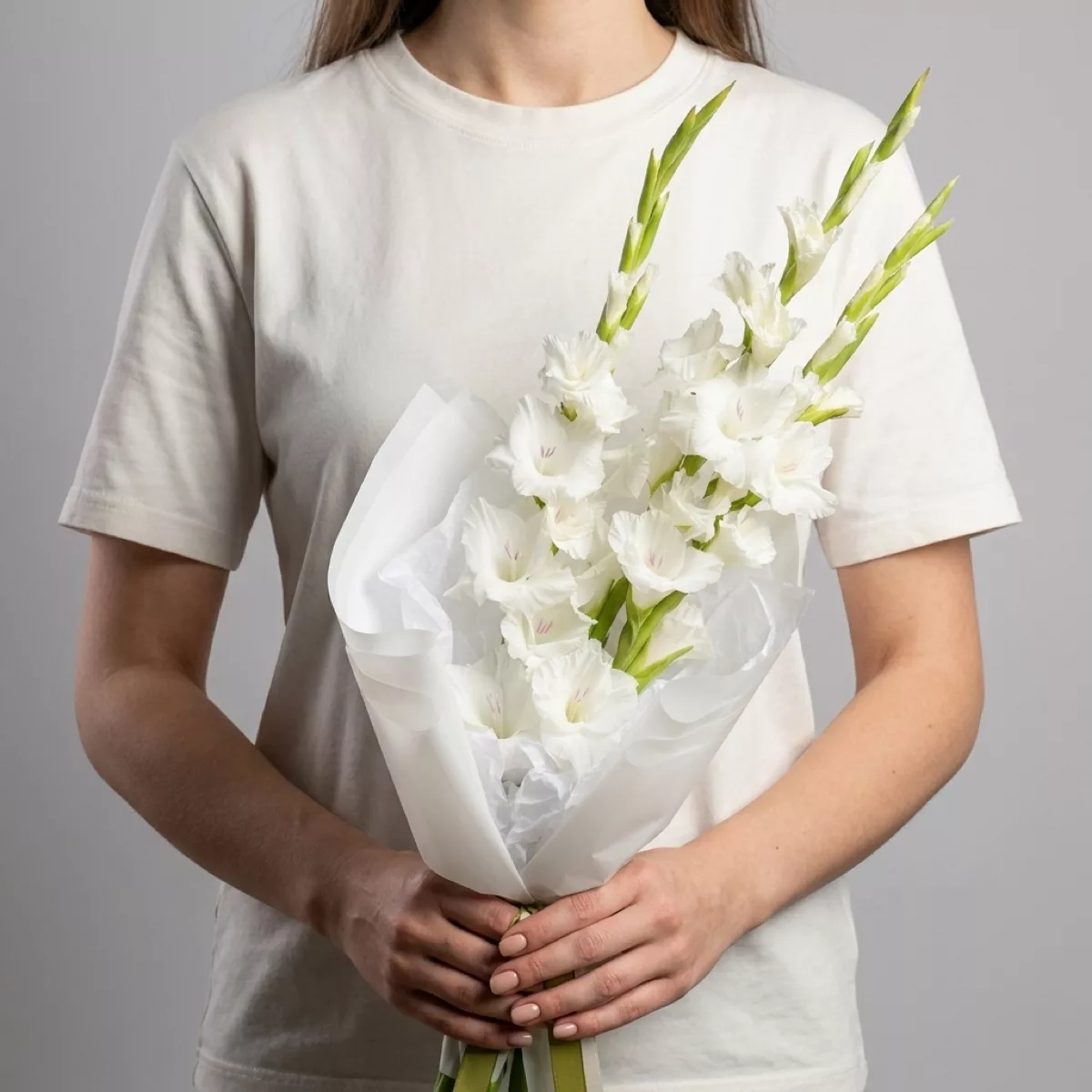
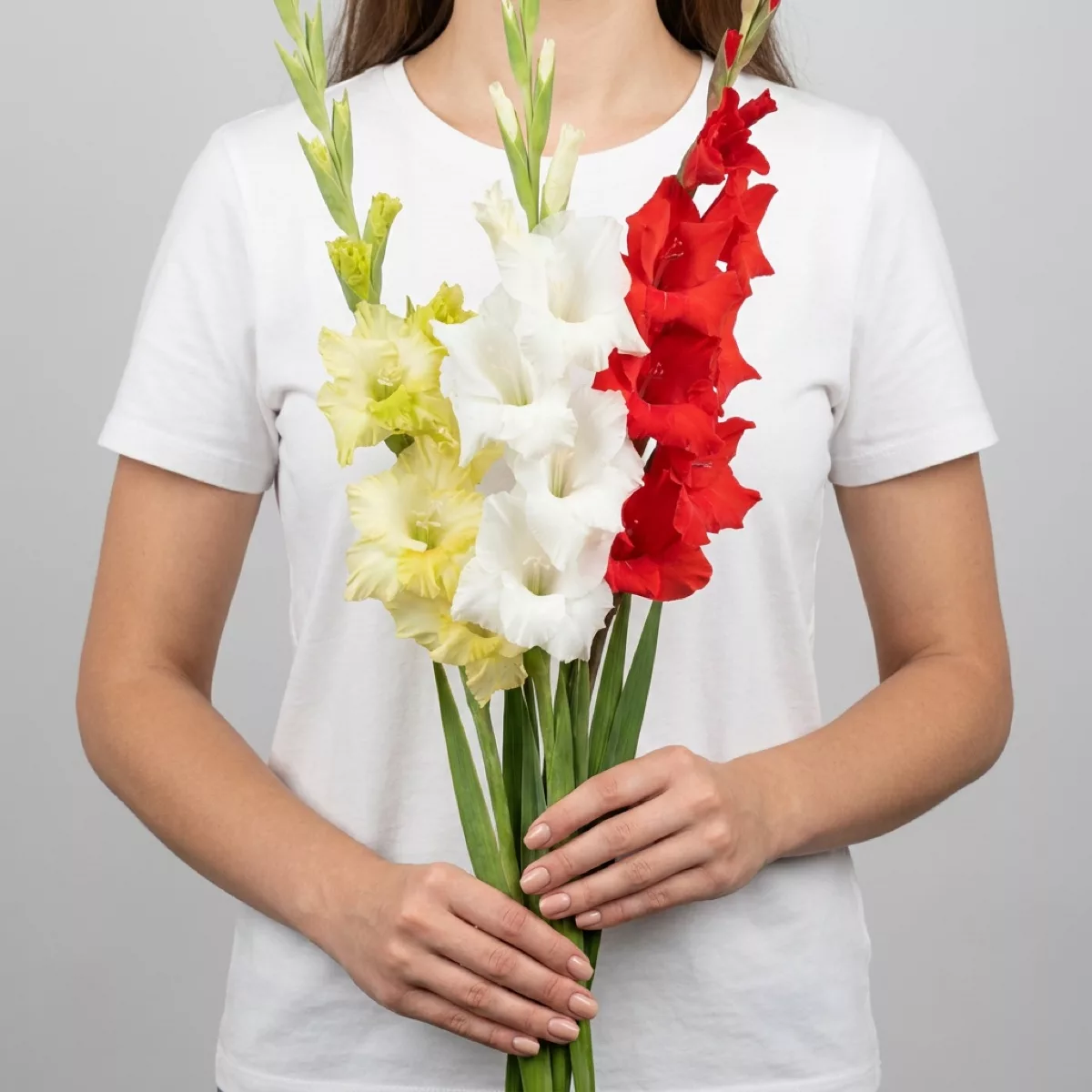
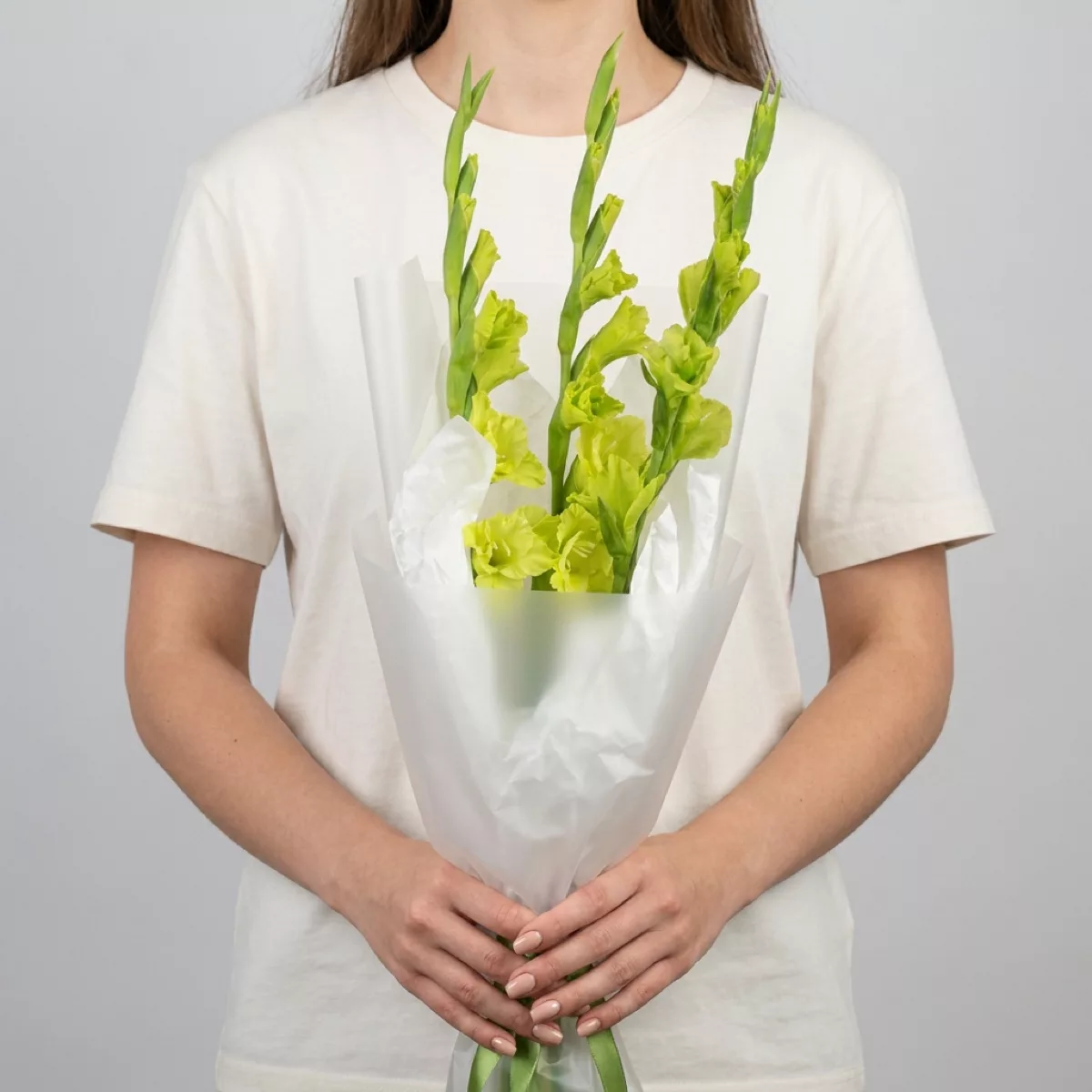
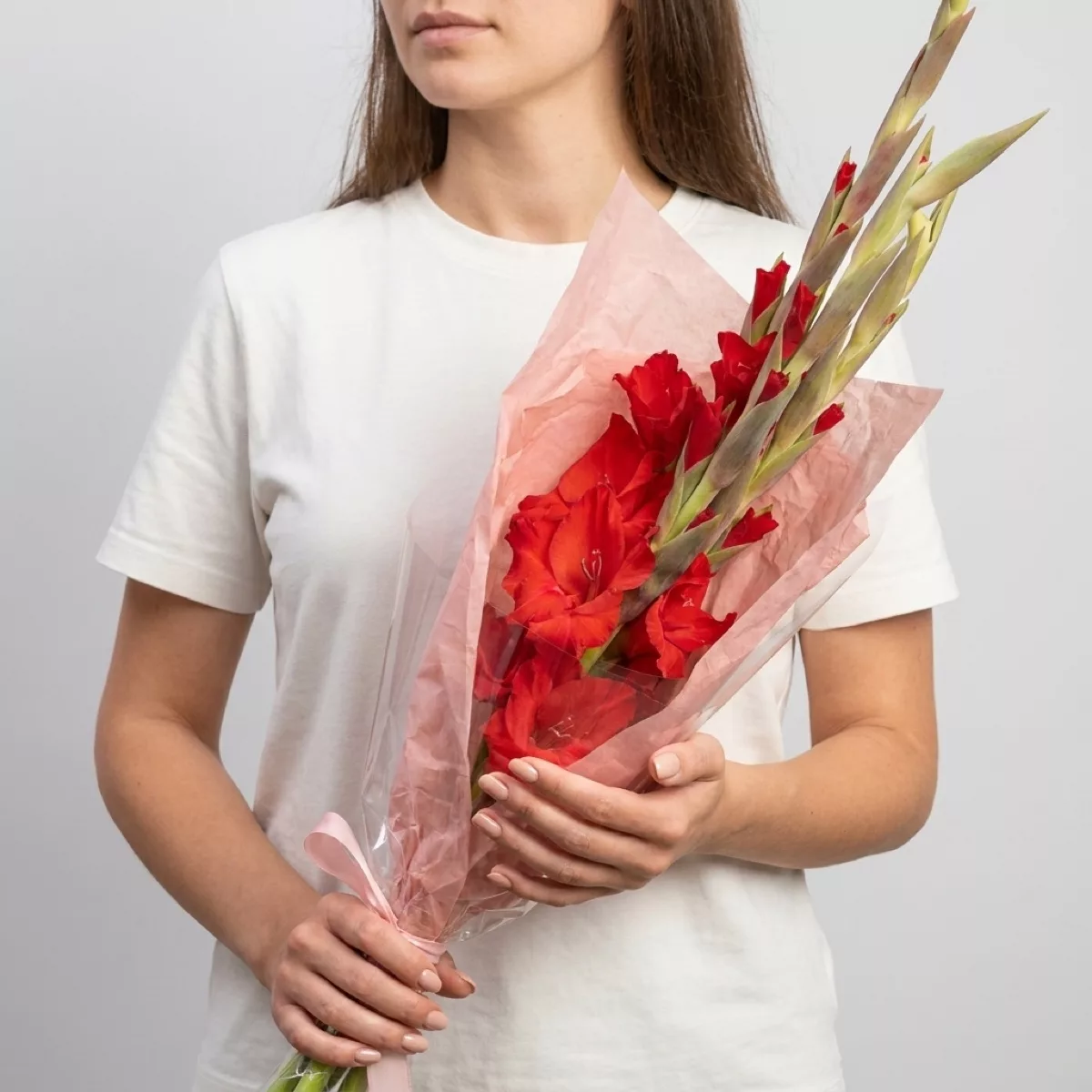
Bouquets we can deliver
How Long Delivery Actually Takes and Why Timing Matters
The standard delivery window from Turboflora is one to two hours from the moment your order is confirmed. For Cherepanovo, because it sits outside the Saint Petersburg metropolitan area, the logistics work through a coordinated same-day network that keeps flowers moving without long holding periods in warehouses or transit hubs. The goal is always to get the bouquet from cool storage to the recipient's hands in the shortest possible arc.
Timing your order matters more than most people realise. If the occasion is a morning birthday, placing the order the evening before and scheduling a morning slot is far more reliable than hoping a last-minute request lands before noon. For afternoon or evening events, same-day ordering with a two-to-three hour lead time is usually comfortable. Russian celebrations often run later than Western European ones — a birthday dinner might not start until seven or eight in the evening, which actually gives you more flexibility than you might expect.
Holiday periods are the exception. Around the eighth of March, which is International Women's Day and the single busiest flower day in Russia, demand spikes dramatically. Roses, tulips and mimosa move in enormous volumes. Ordering at least a day ahead during that period is not just a suggestion — it is the difference between a beautiful bouquet arriving on time and a disappointed recipient. The same applies to Valentine's Day and the New Year period.
Choosing the Right Flowers for the Person, Not Just the Occasion
Before you think about colour or budget, think about the person receiving the bouquet. A colleague celebrating a promotion will feel differently holding a structured arrangement of white spray roses and eucalyptus than a grandmother who lights up at the sight of garden-style dahlias and soft pink lisianthus. Both are beautiful, but one of them will land with more meaning.
For a romantic gesture, red or deep burgundy roses remain the clearest signal in Russian culture — they are understood immediately and carry genuine weight. If you want something more personal and less expected, garden roses in peach or apricot tones combined with ranunculus create a warmer, more intimate feeling. For a friend's birthday, sunflowers mixed with alstroemeria and seasonal greenery feel generous and joyful without being overly formal.
Children and teenagers respond well to bright, high-contrast combinations — think vivid gerberas, yellow solidago and bold orange chrysanthemums. For a teacher or mentor, something more composed works better: white or cream freesia with pale green hellebores or soft lavender statice reads as thoughtful and considered. Freesia in particular has a fragrance that lingers in a room, which makes it a memorable choice for an indoor recipient.
If you genuinely are not sure what the person likes, a monochromatic bouquet in one colour family is almost always safe. Single-colour arrangements look intentional and elegant even when they are simple, and they avoid the risk of a colour combination that clashes with the recipient's taste.
What to Expect by Budget: From a Modest Gesture to a Statement Bouquet
A smaller budget does not mean a lesser gift — it means working with the right flowers for the money. Seasonal varieties are always the smartest choice because they are at their peak freshness and their price reflects genuine availability rather than forced imports. In spring, tulips and daffodils offer tremendous volume and colour for a modest spend. In summer, alstroemeria and chrysanthemums give long-lasting, full-looking bouquets. In autumn, dahlias and celosia are striking and unusual without being expensive.
A mid-range order opens up combinations that feel more considered. This is where you can mix a focal flower — something with presence, like a garden rose or a large-headed peony in season — with supporting textures such as waxflower, pittosporum or soft ferns. The result looks layered and intentional rather than simply abundant, and it photographs beautifully if the recipient wants to share it.
At the higher end, the difference is usually in stem count, flower variety and presentation. Dutch roses with longer stems, branches of white lilac in spring, or clusters of hydrangea in summer create genuine impact when the door opens. Packaging also shifts — wider kraft wrapping, ribbon, and a handwritten card rather than a printed slip. These details matter more than most people admit. The moment of receiving flowers is a small ceremony, and the wrapping is part of what makes it feel special rather than transactional.
Whatever your budget, always specify if the recipient has any known allergies, particularly to lilies, which have a strong pollen and fragrance.
Keeping Flowers Fresh After Delivery: What the Recipient Should Know
Flowers that arrive in Cherepanovo in January have already travelled through cold air, and the transition to a warm indoor environment needs a little management. The first thing to do is cut the stems at a diagonal — about two centimetres from the bottom — using a clean, sharp knife rather than scissors, which can crush the stem tissue and block water uptake. Do this under running water or while the stems are submerged if possible.
The vase water should be cool, not cold and not warm. Change it every two days and re-cut the stems each time. Remove any leaves that sit below the waterline because they rot quickly and introduce bacteria that shortens the life of the whole arrangement. A small sachet of flower food is often included with the bouquet — it contains a sugar source, an acidifier and a biocide, and it genuinely extends vase life by several days when used correctly.
Placement in the room matters more than most recipients realise. Keep flowers away from direct sunlight, radiators and fruit bowls. Ripening fruit releases ethylene gas, which accelerates flower aging — a bowl of apples next to a vase of roses will shorten their life noticeably. A cool spot near a north-facing window is ideal in winter. In summer, avoid any position where afternoon sun hits the vase directly.
With proper care, roses typically last seven to ten days, tulips five to seven, and chrysanthemums up to two weeks. Lilies open gradually and can look their best four or five days after delivery, which makes them a good choice when you want the gift to keep giving.
Russian Flower Customs Worth Knowing Before You Order
If you are sending flowers to someone in Russia and you are not familiar with local customs, a few details are worth knowing so your gift lands exactly as intended. The most widely observed tradition is that bouquets should contain an odd number of stems. Even numbers are associated with mourning and are used at grave sites, so a bouquet of twelve roses, while generous, can feel jarring to a Russian recipient. Thirteen, fifteen or eleven stems are all perfectly natural choices.
Yellow flowers carry a mixed reputation in Russian popular belief — some people associate them with separation or bad luck, while others simply see them as cheerful and seasonal. If you are unsure of the recipient's sensibility, it is safer to combine yellow flowers with other colours rather than sending a purely yellow arrangement. Bright yellow sunflowers are generally exempt from this association and are widely loved.
Giving flowers to a man is less common in Russia than in some European countries, but it does happen — particularly for milestone birthdays, professional achievements or sporting events. In those cases, a structured, architectural arrangement in deep tones works better than something soft and romantic. Dark red anthuriums, tropical foliage and strong geometric shapes read as appropriate and confident.
For a first-time gift to someone you do not know well — a host, a new colleague, a business contact — white or cream flowers are universally safe. They signal respect without making assumptions about personal taste, and they suit almost any interior.
Making the Order Feel Personal: Notes, Timing and Small Details
The handwritten card is one of the most underused parts of a flower order. Most people write something brief and functional — happy birthday, congratulations — when a single specific sentence would make the whole gift feel completely different. Mentioning something real, a shared memory, a specific quality you admire in the person, or a small private joke, turns a beautiful bouquet into something the recipient will remember long after the flowers have faded.
Timing the delivery to a specific moment adds another layer of thoughtfulness. If you know the recipient finishes work at six and walks home past a certain time, scheduling the delivery for six-thirty means the flowers are waiting rather than sitting in a hallway for hours. If you are sending to a workplace, mid-morning deliveries tend to create the most pleasant surprise because the recipient has colleagues around to share the moment.
For surprise deliveries, it is worth confirming the recipient's schedule with someone who knows them — a family member, a flatmate — without spoiling the surprise yourself. An undelivered bouquet because no one was home is a logistical problem that is easy to avoid with a small amount of planning. Leaving a safe location for the courier if the recipient is briefly unavailable is another option worth including in your order notes.
Finally, if you are ordering from outside Russia and the recipient speaks Russian as their first language, consider writing your card message in Russian if you are able. Even an imperfect attempt in the recipient's own language carries warmth that a translated version does not quite replicate.
Sending flowers to Cherepanovo is less complicated than the distance might suggest, and the result — a fresh, thoughtfully chosen bouquet arriving at someone's door within a predictable window — is entirely worth the small amount of planning it takes. The key is thinking about the person first, the occasion second, and the logistics last. Get those in the right order and the flowers will do the rest.
Frequently asked questions
Can I schedule a flower delivery to Cherepanovo for a specific time of day?
Yes, you can select a preferred delivery window at checkout. Same-day slots are available when you order with sufficient lead time, and next-day scheduling gives you the most flexibility for precise timing. During busy holiday periods like March 8th, booking at least a day ahead is strongly recommended to secure your preferred slot.
What happens to the flowers during cold winter transport in Siberia?
Bouquets are wrapped and insulated for cold-weather transit to protect petals and stems from frost damage. Exposure time outdoors is kept as brief as possible during handover. Once inside, allow the flowers to adjust to room temperature gradually before cutting stems and placing them in water — this prevents condensation shock and helps them open properly.
Is it true that I should always send an odd number of flowers in Russia?
Yes, this is a genuinely observed custom across Russia. Even numbers of flowers are traditionally associated with mourning occasions, so a bouquet of ten or twelve stems can feel unintentionally inappropriate to a Russian recipient. Odd numbers — eleven, thirteen, fifteen — are the norm for celebrations and gifts, regardless of the flower type.
Can I send flowers to a business address or workplace in Cherepanovo?
Absolutely. Offices, schools, medical facilities and other workplaces are all valid delivery addresses. Include the organisation name, floor or room number if relevant, and any access instructions in your order notes. Mid-morning deliveries tend to work best for workplace surprises, as the recipient is usually settled and colleagues are present.
Which flowers last the longest after delivery, especially in a heated winter apartment?
Chrysanthemums, alstroemeria and carnations are among the most durable options and can last ten to fourteen days with proper care. Roses typically give seven to ten days. Keep the vase away from radiators, change the water every two days, and re-cut stems each time. Avoid placing flowers near fruit, which releases gases that accelerate wilting.
Ready to send flowers?
Pick the city, choose the bouquet, and a local florist takes it from there.
Choose a city →