Sending Flowers to Chernogorsk? Here Is What to Expect
Chernogorsk sits in the Khakassia republic, a city where a bouquet arriving at someone's door carries real weight — because it is not an everyday thing. Whether you are sending roses to a partner across the country or surprising a parent on their birthday, getting flowers there in good condition takes a little planning. This article walks you through timing, what grows well in Siberian conditions, how to choose for the occasion, and what keeps a bouquet alive long after delivery.
Where in Chernogorsk We Deliver and How Far We Reach
Chernogorsk is a compact city of around 70,000 people in the Khakassia republic, sitting close to Abakan, the regional capital. Delivery covers the full city — central districts, residential mikrorayons on the outskirts, and industrial-area addresses that sometimes catch people off guard. If you are sending to a workplace or a college dormitory, include the building number and a contact phone: large Soviet-era buildings often share an entrance, and a driver needs to reach the right door without delay.
We also deliver to addresses in the immediate surrounding area, including points along the main roads connecting Chernogorsk to Abakan. If you are unsure whether your recipient's address falls within range, it is always worth asking at the time of ordering — the answer is usually yes.
One practical note: Chernogorsk uses a standard Russian address format, so when you write the address, list the street name, then the building number, then the apartment or office number. If the building has a separate entrance code, add it to the comments field. A complete address saves time and means your flowers arrive when they should, not twenty minutes late while the driver searches for the right block.
Bouquets we can deliver


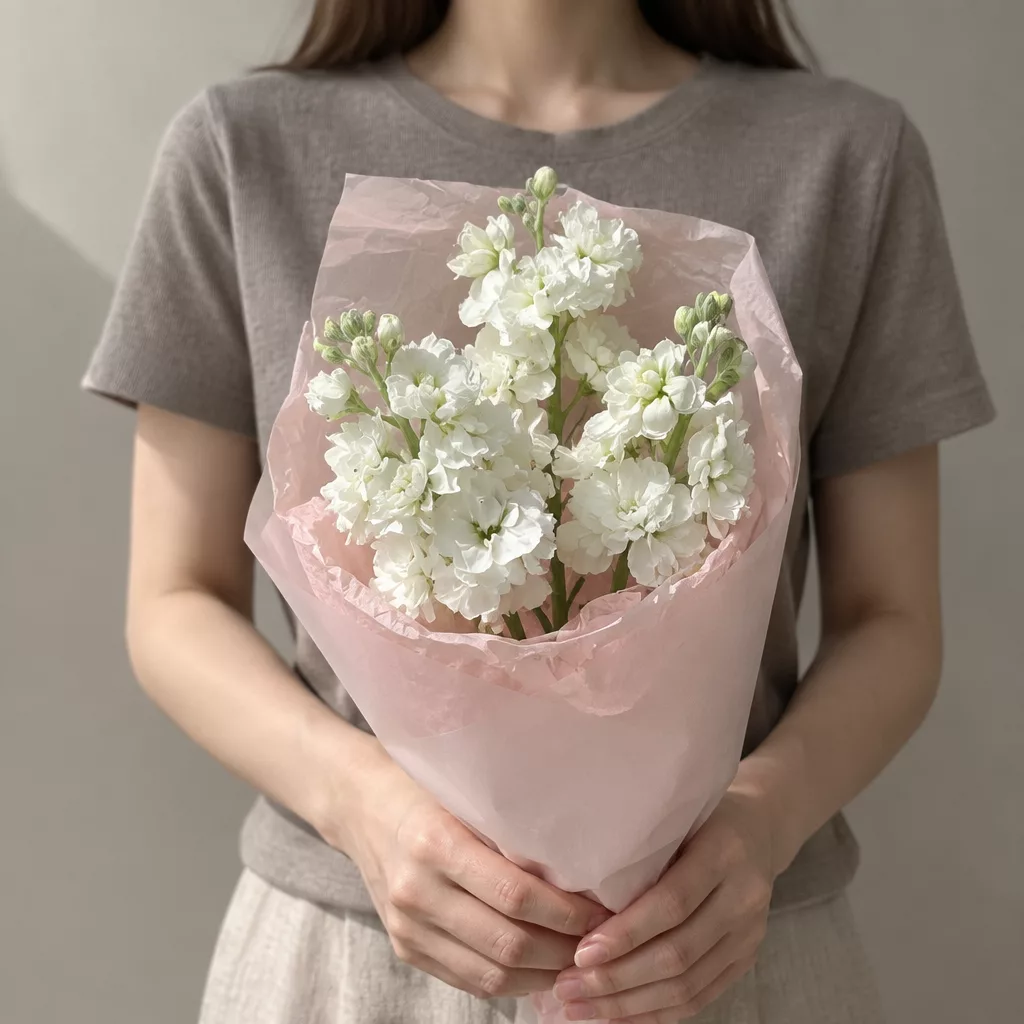
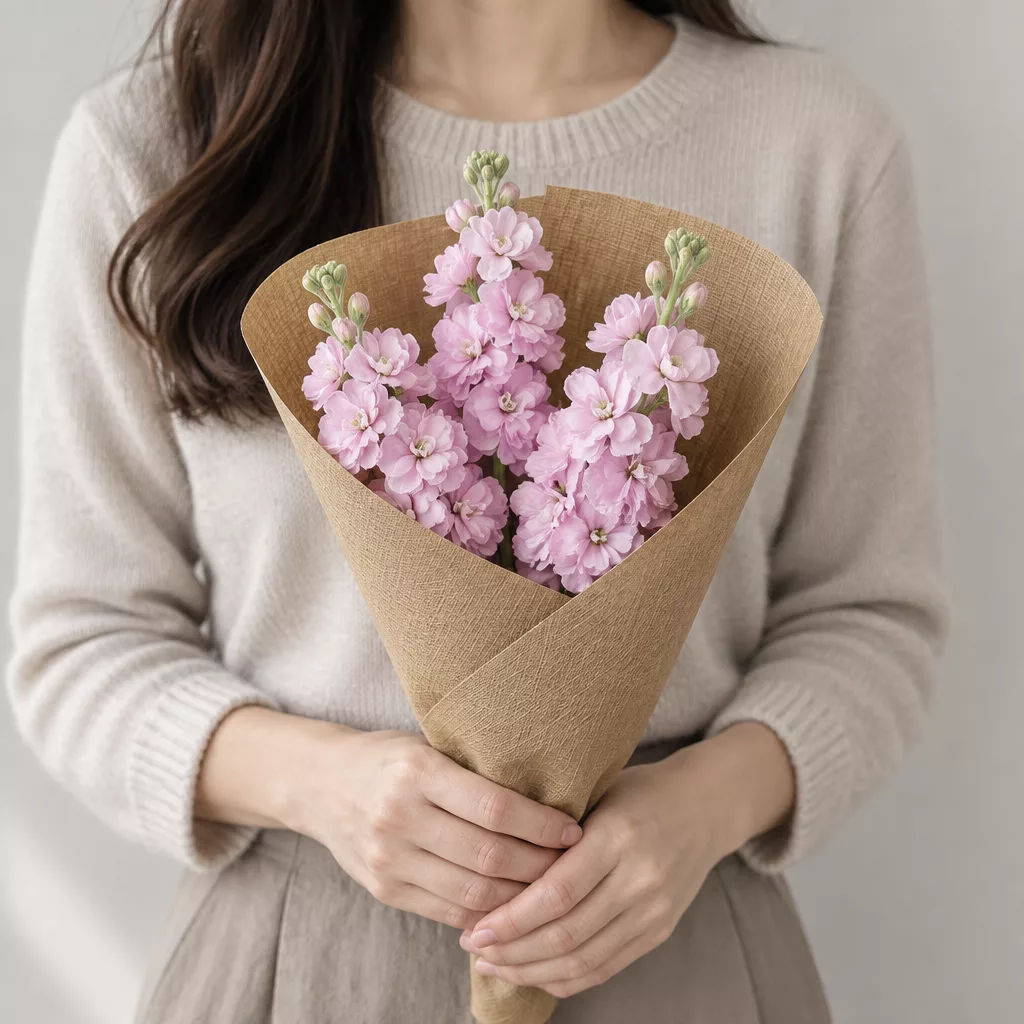
Delivery Timing: What the Clock Actually Looks Like
Turboflora works on a one-to-two-hour delivery window from the moment your order is confirmed. In Chernogorsk, that timing holds for most addresses during standard hours. The city is not large, which helps — there are no major traffic bottlenecks on the scale of a metropolitan centre, and most residential areas are reachable within a reasonable drive.
That said, timing is not just about distance. It is about when you order. If you place an order in the morning, the bouquet is assembled fresh and dispatched promptly. Evening orders, particularly those placed after 8 p.m., may be scheduled for early the following morning to ensure the flowers are cut and arranged at their best — a slightly wilted bouquet delivered at midnight is not a good gift, no matter how fast it arrives.
Surprise deliveries deserve a word here. In Russia, it is common to send flowers without warning — the recipient is simply not told. This works well when someone is at home or at a fixed workplace. If your recipient moves around a lot during the day, it is worth either timing the delivery carefully or sending a gentle hint that something is on its way. A bouquet waiting in a cold hallway for two hours is not ideal for either the flowers or the moment. Coordinate when you can, and the timing will feel effortless.
Choosing Flowers for the Occasion, Not Just the Season
The most common mistake people make when ordering remotely is choosing by appearance alone — picking whatever looks most impressive in the photo. A better approach is to start with the person and the moment. A colleague celebrating a promotion responds differently to a structured arrangement of white spray roses and eucalyptus than to a loose, romantic bundle of garden peonies. Both are beautiful; only one fits the context.
For birthdays, bold colour reads well: sunflowers, gerbera daisies, and mixed seasonal bouquets with alstroemeria tend to photograph well and last. For anniversaries or romantic occasions, garden roses — varieties like David Austin-style blooms with layered petals — carry more emotion than standard long-stemmed roses, though both have their place. For a teacher or a mentor, something elegant and restrained works better: a monochrome arrangement of white or cream flowers with minimal greenery signals respect.
In Siberia, the continental climate means that seasonal availability shifts noticeably. Spring brings tulips and ranunculus; summer allows for a wider range including lisianthus and phlox; autumn and winter rely more heavily on roses, chrysanthemums, and tropical varieties like anthuriums and orchids that travel well in cold. We always tell you what is at its best when you order, so ask — a florist who knows what arrived this morning will always give you a better bouquet than one who guesses from a catalogue.
Bouquets by Budget: Getting the Most from Every Range
Budget shapes the bouquet, but it does not have to limit the impression it makes. The key is in how you use what you have. A modest arrangement of five or seven stems — an odd number, which is the Russian tradition for living recipients — presented beautifully with good wrapping and a handwritten card feels more considered than a larger, loosely assembled bunch.
At the lower end of the range, single-variety bouquets work very well: a tight cluster of spray roses in one colour, or a bundle of alstroemeria with a single focal bloom, looks intentional rather than sparse. Alstroemeria is particularly good value because each stem carries multiple flowers and the vase life is excellent — often ten days or more.
Mid-range budgets open up combinations. This is where a florist can really work: pairing a soft garden rose with waxflower and a stem or two of eucalyptus creates depth and texture that a single variety cannot. The greenery does not fill space — it frames the flowers and makes each bloom look more deliberate.
At the higher end, the options include statement flowers: large-headed peonies when in season, premium David Austin roses, or structured arrangements with tropical accents. These are the bouquets people photograph and keep in memory. If you are marking something significant — a milestone birthday, a long-distance reunion — this is the range where the investment is felt. Always mention the occasion when you order; it changes every decision a florist makes.
How Cold Weather in Khakassia Affects Your Flowers
Chernogorsk winters are serious. Temperatures regularly drop below minus 20 Celsius from December through February, and even October and March carry a bite. This matters for flower delivery in ways that are easy to overlook when ordering from a warmer city.
Cold affects flowers quickly. A tropical variety like an anthurium or a phalaenopsis orchid can show cold damage — dark patches on petals, limpness at the stem — after just a few minutes of exposure below minus 10. Even roses, which are hardier, suffer if left in an unheated vehicle or on a doorstep. We wrap cold-weather orders with insulated packaging as standard during the winter months, but the recipient's role matters too: they should bring the bouquet indoors promptly and not leave it in an unheated hallway or car.
In summer, the opposite problem appears. Khakassia summers are warm and dry, and heat wilts flowers faster than cold does. A bouquet left in direct sunlight or in a car on a July afternoon will deteriorate within an hour. We advise recipients to move flowers into a cool indoor space immediately on arrival and to change the water the same day.
Spring and autumn are the most comfortable seasons for delivery and vase life both. If you have flexibility about when to send, late April through June and September are the windows when flowers travel best and last longest after arrival.
Vase Life and Care: What Happens After the Door Opens
A bouquet's life after delivery depends almost entirely on what happens in the first two hours. The recipient should unwrap the flowers, trim the stems at an angle — about two centimetres, with a clean cut — and place them in a clean vase with fresh, cool water. Tap water in Chernogorsk is generally fine; no need for special additives unless the flowers come with a sachet, in which case use it.
Strip any leaves that would sit below the waterline. Leaves in water rot quickly, cloud the water, and shorten vase life noticeably. This single step makes a bigger difference than most people realise. Change the water every two days and re-trim the stems each time.
Different varieties have different lifespans. Roses and lisianthus typically last seven to ten days with good care. Tulips are shorter — four to six days — but they continue to open and move after cutting, which many people find beautiful. Chrysanthemums are among the longest-lasting cut flowers, often going two weeks. Alstroemeria, as mentioned, is a strong performer at ten-plus days. Tropical flowers like anthuriums can last three weeks if kept away from drafts and direct sun.
Keep the vase away from radiators, which are running hard in Chernogorsk homes from October to April. Central heating dries the air and accelerates wilting. A cooler room or a spot away from the heating unit extends the display significantly. If the recipient works during the day and the apartment heats up, even placing the vase on a windowsill in a cool room helps.
Making the Moment Work: Cards, Timing, and Small Details
The flowers are only part of what arrives. The card, the wrapping, and the timing together shape how the gift is received. In Russian culture, flowers are given in person far more often than in many Western countries, so a delivered bouquet with a handwritten card carries extra meaning — it signals that someone thought carefully enough to make an arrangement from a distance.
Write the card message in the language the recipient is most comfortable reading. If they read Russian, a message in Russian feels more personal. If you are writing from abroad and your Russian is limited, a sincere message in your own language is always better than a stilted translation. We can include the text exactly as you write it.
Timing the delivery to a specific moment matters more than people expect. Flowers arriving at 9 a.m. on a birthday morning land differently than a midday delivery — the morning arrival sets the tone for the whole day. For a workplace delivery, aim for mid-morning when the recipient is settled in and colleagues are around, because part of the joy of receiving flowers at work is the social moment it creates.
If you want the delivery to be a surprise, we will not call ahead or mention the sender. If you would rather the recipient know something is coming — especially useful if they have an unpredictable schedule — we can send a brief notification. Either approach works; just let us know at the time of ordering so we handle the contact correctly from the start.
Sending flowers to Chernogorsk is straightforward when you know what to expect. The city is fully reachable, the delivery window is tight, and the right bouquet chosen for the person and the season will arrive fresh and last well beyond the day. Think about who is receiving, what the moment means, and what the weather is doing — those three things together will guide every decision, from which flowers to choose to when to schedule the drop. Turboflora handles the rest.
Frequently asked questions
Can you deliver flowers to a Chernogorsk address the same day I order?
Yes. Same-day delivery is standard for orders placed during operating hours. We assemble the bouquet fresh after your order is confirmed and dispatch it within the one-to-two-hour window. For very late evening orders, we may schedule delivery for early the following morning to ensure the flowers arrive in the best possible condition.
What happens to the flowers if the recipient is not home when they arrive?
Our driver will contact the recipient by phone before or on arrival. If there is no answer, we will reach out to you as the sender to arrange a new delivery window. We do not leave bouquets unattended in cold hallways or outside doors, because temperature exposure damages the flowers quickly, especially in Chernogorsk winters.
Which flowers hold up best in Chernogorsk's cold winters?
Roses, chrysanthemums, and alstroemeria travel well in cold when properly insulated. Tropical varieties like anthuriums and orchids are more sensitive to temperature drops and need to be brought indoors immediately. We use insulated wrapping for winter orders as standard, but the recipient should move the bouquet inside within minutes of it arriving.
Is it normal in Russia to send flowers without telling the recipient in advance?
Yes, surprise flower deliveries are very common in Russia and considered a warm gesture. The driver contacts the recipient only to confirm the address and arrange access. If your recipient has an unpredictable schedule or works at a location with restricted entry, it is worth giving us a contact number so we can coordinate smoothly.
Can I include a card message in English or another language?
Absolutely. We include the card text exactly as you write it, in any language. A sincere message in your own language is always more meaningful than an awkward translation. Simply enter the text in the comments or card field when you place your order, and we will print or handwrite it as provided.
Ready to send flowers?
Pick the city, choose the bouquet, and a local florist takes it from there.
Choose a city →