Sending Flowers to Chistopol? Here Is What You Need to Know
Chistopol sits on the Kama River in Tatarstan, a city with its own quiet rhythm and a strong sense of occasion. When you are sending flowers here from Saint Petersburg — for a birthday, an anniversary, a thank-you, or simply because someone deserves them — you want to know the bouquet will arrive looking exactly as it did when it left the studio. This article walks you through how delivery works, what to order for the season, and how to make sure your flowers stay beautiful long after the door opens.
Getting Flowers from Saint Petersburg to Chistopol
The distance between Saint Petersburg and Chistopol is roughly 1,400 kilometres by road, which immediately shapes how we approach every order heading there. We do not rely on guesswork or hope — every bouquet travelling this route is packed for transit, not just for display on a shop counter. That means water tubes on individual stems, temperature-controlled packaging suited to the season, and wrapping that holds the arrangement in place without crushing petals or snapping foliage.
Timing depends on the delivery method chosen at checkout. Express courier options cover the route faster than standard logistics, and for urgent occasions like a birthday the same day you remembered it, express is the right call. Standard delivery windows are clearly shown when you place the order, so there are no surprises on either end.
One thing many customers do not realise: the best time to order for a specific arrival hour is always earlier in the day rather than later. A bouquet ordered by mid-morning has a much smoother path than one placed at nine in the evening for a morning arrival. If the occasion has a fixed time — a graduation ceremony, a dinner — mention it in the order notes and we will work backward from that moment to schedule dispatch. Chistopol is well within our delivery geography across Russia, and the process is exactly the same as sending to any other city in the network.
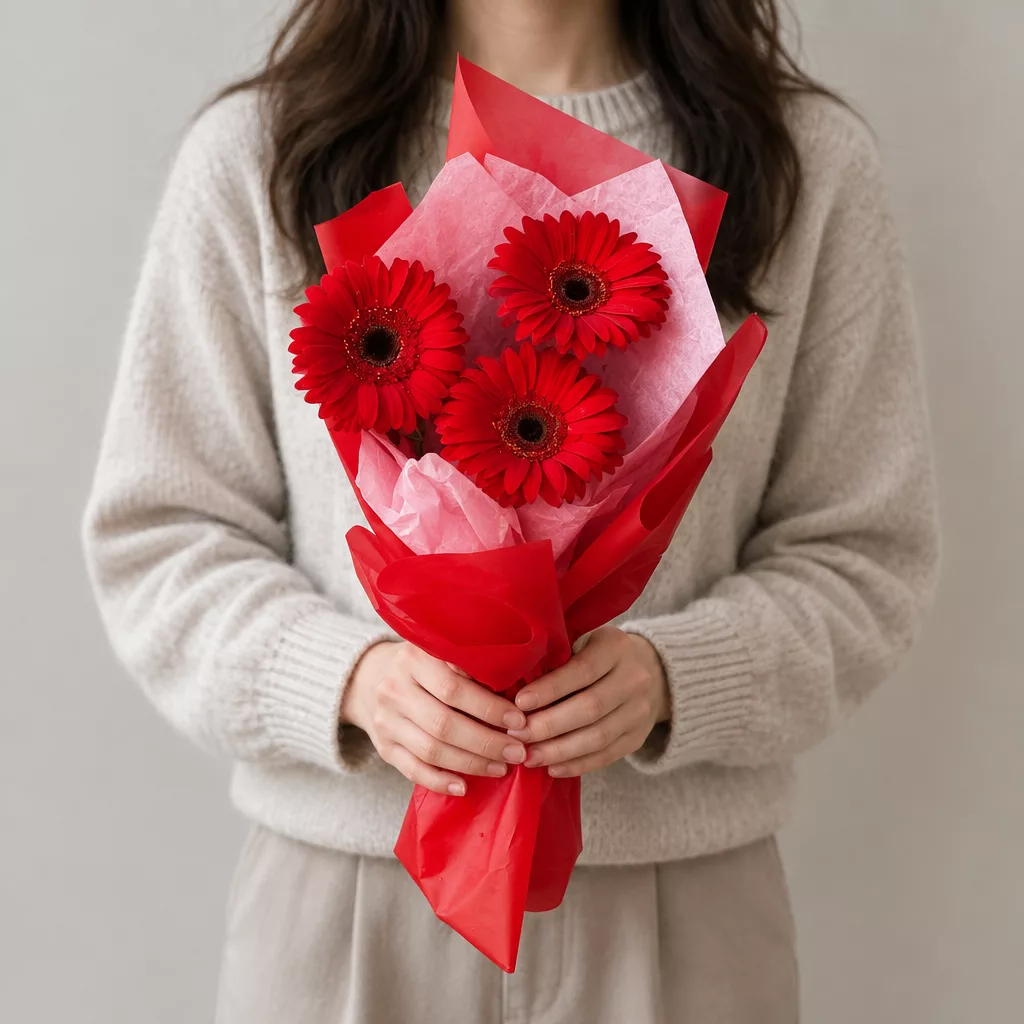
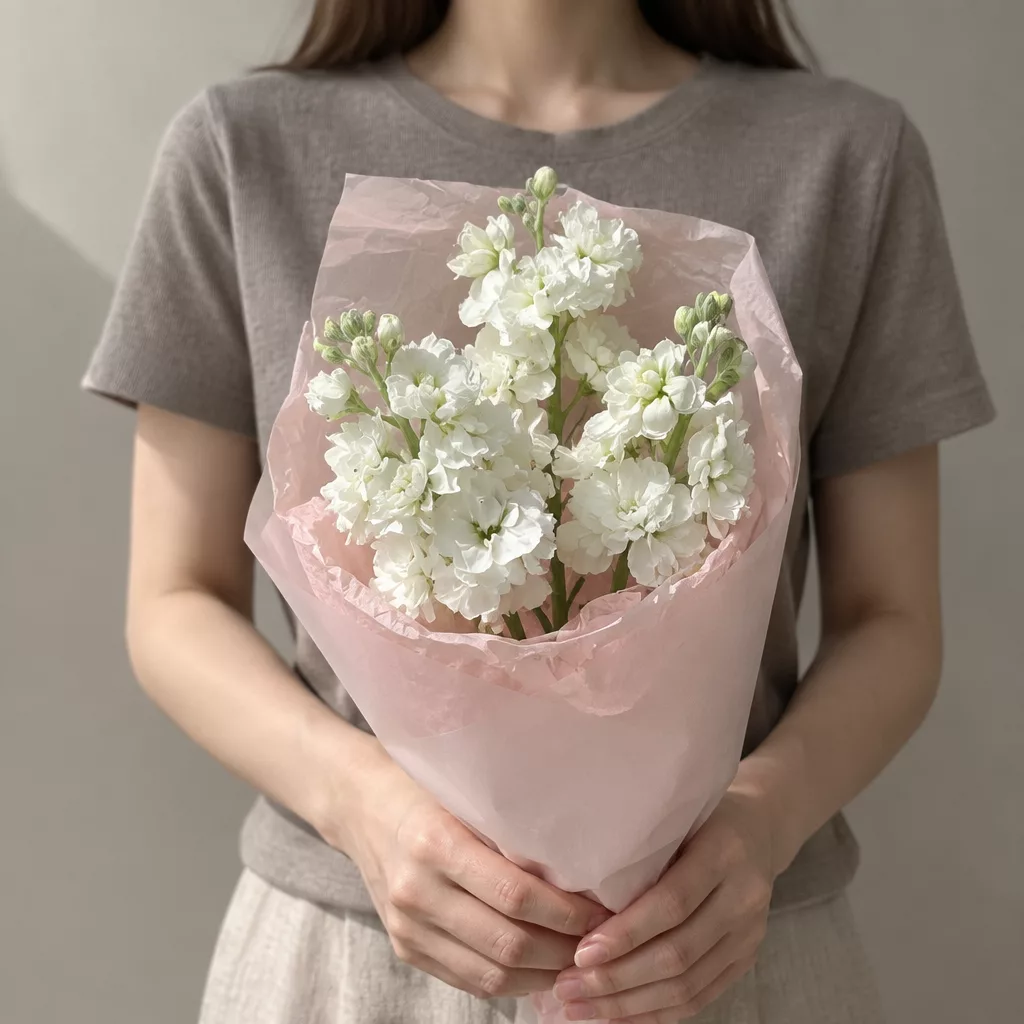
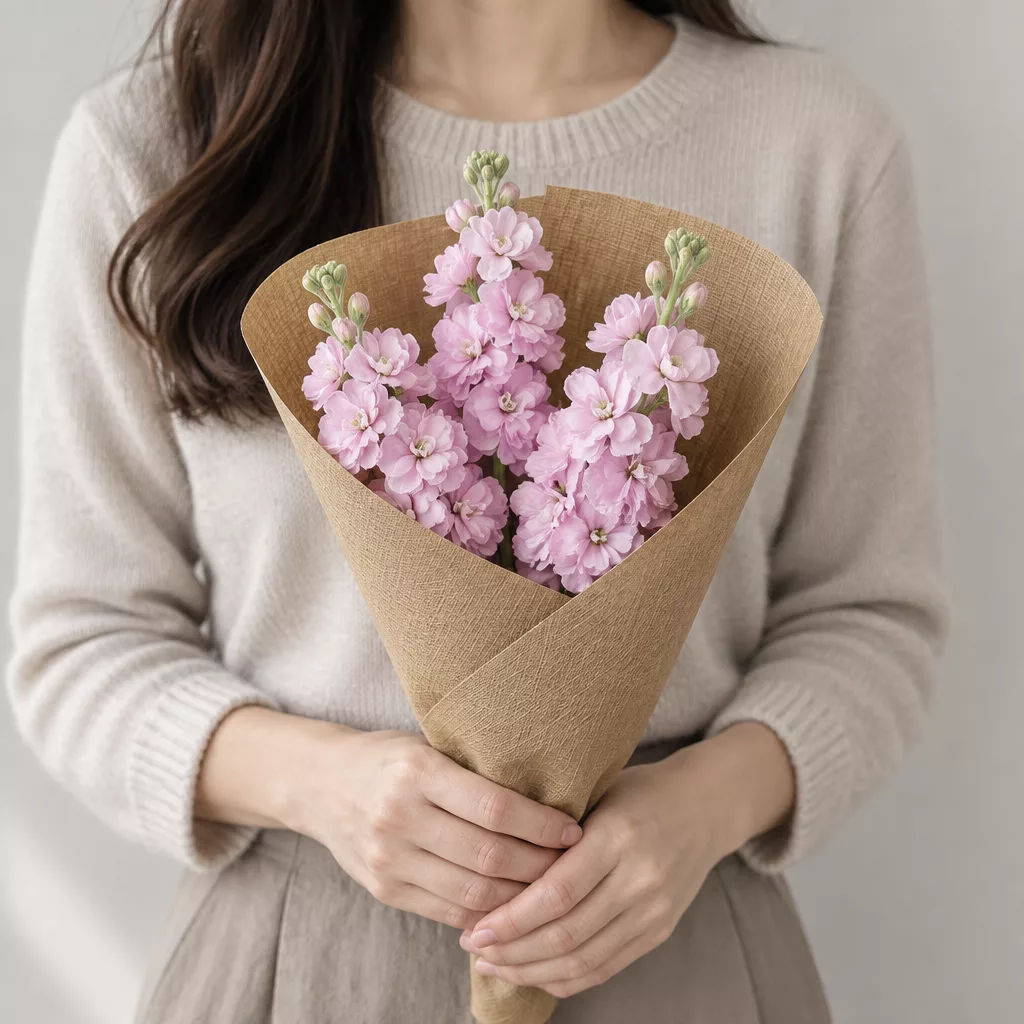
Bouquets we can deliver

Who Is Receiving and What That Changes About the Bouquet
Before you think about flowers, think about the person opening the door. A woman in her sixties who grew up in Soviet-era Tatarstan will likely respond to a generous, classic arrangement — roses, lisianthus, a few stems of alstroemeria for volume — in deep pinks or warm reds. A younger recipient in her twenties might love something looser and more textural: garden-style ranunculus, anemones, eucalyptus, and a palette that feels less formal.
In Russian tradition, the number of stems in a bouquet carries meaning. Even numbers of flowers are associated with mourning, so bouquets for celebrations always contain an odd number — five, seven, nine, eleven, fifteen. This is not superstition for its own sake; it is simply the cultural context your recipient lives in, and ignoring it can send an unintended message. When you order through us, our florists apply this automatically, but it is useful to understand why.
For a man receiving flowers — which happens more often than people outside Russia expect, particularly for professional milestones and significant birthdays — the arrangement tends to be structured and bold rather than soft and romantic. Think deep-toned calla lilies, anthuriums, tropical foliage, or a compact arrangement of spray chrysanthemums with strong graphic lines. The wrapping is usually simpler and less frilly. Knowing the recipient's personality and the reason for the gift lets us build something that feels personal rather than generic, and that difference shows the moment the bouquet is unwrapped.
Seasonal Flowers That Travel Well to Chistopol
Not every flower is equally suited to a long journey, and the season adds another layer of consideration. In summer, when temperatures in Tatarstan can climb above 30 degrees Celsius, delicate open blooms like garden peonies or fully open tulips struggle in transit even with cooling. We use flowers at an earlier stage of opening — tight buds that will bloom beautifully once they are in water at the destination — and pack them with ice inserts to keep the interior temperature stable.
In winter, the challenge reverses. Temperatures in Chistopol can drop well below minus 20 Celsius in January and February, and a bouquet left outside for even a few minutes can suffer frost damage — petals turn translucent and collapse within hours. Winter packaging includes insulated thermal wrapping, and our couriers are instructed to hand bouquets directly to the recipient or a building concierge rather than leaving them outside.
Spring and autumn are the most forgiving seasons for transit. Roses, tulips in spring, chrysanthemums in autumn, and year-round workhorses like carnations, gypsophila, and solidago all handle the journey reliably. Carnations in particular get unfairly dismissed as old-fashioned, but they last up to two weeks in a vase, travel exceptionally well, and come in a wide range of colours that work across every occasion. If you are sending to someone who will not have help changing the water daily, carnations and chrysanthemums are the honest florist's recommendation.
Choosing by the Occasion Rather Than by the Flower Name
Most people arrive at a flower order thinking about the flower first — roses, or maybe sunflowers, or something unusual. A more reliable approach is to start with the occasion and let that guide the composition. The occasion tells you the emotional register: celebratory and abundant, quietly affectionate, professionally respectful, or playfully cheerful. From that register, the right flowers follow naturally.
For a significant birthday — a fiftieth or sixtieth — the bouquet should feel generous in scale. This is not the moment for a small hand-tied bunch. A large arrangement of garden roses, lisianthus, and matthiola, wrapped in kraft paper with a wide ribbon, communicates that the occasion was taken seriously. For a new baby (sent to the mother, not the infant), soft whites, creams, and pale pinks with lots of texture — ranunculus, sweet peas if in season, small spray roses — feel tender without being cloying.
For a professional occasion, such as congratulating a colleague on a promotion or thanking a doctor, the arrangement should be beautiful but not overly romantic. Monochromatic palettes — all white, or all ivory and green — read as elegant and considered. A single variety repeated in volume, like fifteen white tulips or a dozen cream calla lilies, often makes more impact than a mixed bouquet trying to do everything at once. In Chistopol as in any Russian city, arriving at a formal occasion with a well-composed single-variety bouquet is understood as a mark of good taste rather than a lack of imagination.
Budget Ranges and What They Actually Look Like
Talking about budget honestly is part of a florist's job, and it helps to know what different investment levels actually produce. At the lower end of our range, you are looking at a compact hand-tied bouquet: five to seven stems of a reliable variety like roses or spray chrysanthemums, with simple greenery and clean wrapping. It is a genuine, thoughtful gift — not a token gesture — and it works well for a thank-you or a casual birthday.
In the mid-range, the bouquet gains volume and variety. You might have nine to eleven stems combining two or three complementary flowers — roses with lisianthus, or tulips with muscari in spring — plus a more considered wrapping style with tissue paper and a ribbon. This is the most common choice for birthdays and anniversaries, and it photographs well, which matters when the recipient wants to share the moment.
At the higher end, the arrangement becomes a statement. Large-headed garden roses or peonies (when in season), premium Dutch tulips, exotic fillers like waxflower or ornamental cotton, and a presentation that takes real time to build. These bouquets are appropriate for milestone anniversaries, major professional achievements, or any moment where the gift needs to communicate that real thought and real care went into it. Across all budget levels, the flowers are fresh-cut and the delivery standard is the same — what changes is the scale and the complexity of the composition, not the quality of the care that goes into packing it for Chistopol.
Keeping Flowers Fresh After Delivery in Chistopol
A bouquet that arrives in perfect condition can still wilt within twenty-four hours if it is not handled well on the receiving end. The most common mistake is placing flowers directly into a vase of cold tap water without cutting the stems first. Stems seal over during transit, and even a fresh diagonal cut of one to two centimetres — made with a sharp knife rather than scissors, which crush the stem tissue — dramatically improves water uptake from the first hour.
The vase should be clean and filled with room-temperature water, not cold. Cold water slows hydration, particularly for roses and gerberas. Remove any leaves that will sit below the waterline, because submerged foliage rots quickly and introduces bacteria that shorten the life of every stem in the arrangement. Change the water every two days and recut the stems each time — this is the single most effective habit for extending vase life.
Placement matters as much as water. Flowers last longest away from direct sunlight, radiators, and fruit bowls. Ripening fruit releases ethylene gas, which accelerates ageing in cut flowers — especially tulips and carnations. A cool room or a hallway away from heating vents is ideal. In Chistopol's winters, a cool interior room is easy to find; in summer, keep arrangements away from south-facing windows. With proper care, roses typically last seven to ten days, chrysanthemums up to two weeks, and alstroemeria — one of the best value-for-longevity flowers available — can hold for twelve to fourteen days in a well-maintained vase.
Small Details That Make the Delivery Feel Personal
The flowers are the main event, but the surrounding details are what make a delivery feel genuinely considered rather than transactional. A handwritten card — not a printed label — is the first thing many recipients notice before they even look at the bouquet. We write cards by hand from the text you provide, and the difference in warmth between a handwritten note and a printed slip is immediately felt.
Wrapping style sends its own message. Kraft paper with twine reads as natural and relaxed; matte black paper with a satin ribbon reads as dramatic and luxurious; soft tissue in a complementary colour reads as delicate and romantic. You can specify a preference, or describe the recipient and let us match the wrapping to the personality of the person receiving it.
If the recipient is not home at the expected delivery time, our courier will contact them directly to arrange an alternative window. We do not leave bouquets outside doors in Russian winter or summer — the temperature extremes make that a guaranteed way to ruin the arrangement. The courier will also send you a delivery confirmation so you know the moment the flowers arrive, which matters when you are sending from Saint Petersburg and cannot see the moment yourself.
For recurring occasions — a partner's birthday, a mother's name day, an annual work anniversary — it is worth setting a reminder in advance and ordering two or three days before the date rather than the morning of. This gives the arrangement time to be built thoughtfully rather than assembled in a rush, and it removes the anxiety of last-minute logistics when you are already busy with other parts of the celebration.
Chistopol may be far from Saint Petersburg on a map, but the distance does not change what a well-chosen bouquet does when it arrives. It tells the person receiving it that someone thought about them carefully enough to get the flowers right — the right occasion, the right scale, the right season, packed and delivered with the kind of attention that shows. That is what we are here to make possible, from the Kama River to wherever your next occasion takes you.
Frequently asked questions
Does the 1,400-kilometre distance from Saint Petersburg affect which flowers I should choose?
It does, practically. Delicate open blooms like garden roses or sweet peas travel less reliably over long distances than buds and semi-open stems. We recommend ordering roses, chrysanthemums, or lisianthus in bud stage for Chistopol deliveries. They arrive with more vase life ahead of them, and they open beautifully once the recipient gets them into water at home.
How should I pack the bouquet instructions if the recipient lives in a flat with no doorman?
Add the recipient's phone number and a preferred delivery window in the order notes. Our courier will call ahead rather than arrive unannounced. If the building has a door code or a specific entrance, include that too. Chistopol is not a large city, so local couriers can often coordinate directly with the recipient to find a moment that works.
What flower combinations work well for a birthday in Tatarstan if I do not know the recipient's taste?
A mixed bouquet built around white and blush tones reads well across generations and backgrounds. Roses paired with lisianthus and a few stems of eucalyptus is a reliable combination that feels generous without being overwhelming. Avoid purely white arrangements for birthdays, as all-white carries a different cultural weight in Russian and Tatar tradition.
Is there a best season to send flowers to Chistopol, given the climate there?
Summer and early autumn are the easiest seasons for transit — moderate temperatures mean less stress on the stems. Winter orders require more careful thermal packaging, and we account for that automatically. Spring deliveries are beautiful in terms of availability, but if there is a late frost period, we may suggest hardier varieties over early tulips or ranunculus.
Can I write the delivery address in Russian if I am more confident in that spelling?
Yes, and for Chistopol it is often the cleaner option. Russian-language addresses reduce the chance of transliteration errors when the order reaches local logistics. Write the street name, building number, flat number, and postcode clearly. If you are unsure of the postcode, the city name and street together are usually enough for our team to confirm the details before dispatch.
Ready to send flowers?
Pick the city, choose the bouquet, and a local florist takes it from there.
Choose a city →