Sending Flowers to Chkalovsk? Here Is What to Expect
You have someone in Chkalovsk who deserves flowers today — a birthday, an anniversary, a quiet thank-you that words alone cannot carry. The question is not whether flowers can reach them, but how to make sure the right ones arrive at the right moment, looking exactly the way you imagined when you placed the order. This guide walks you through every step, from choosing the bouquet to the minute it lands at their door.
Where Chkalovsk Sits and Why Delivery Timing Matters
Chkalovsk is a district in the Kronshtadtsky administrative area of Saint Petersburg, positioned on the northern edge of Kronstadt Island in the Gulf of Finland. Its geography is specific: the island is connected to the mainland by the Ring Road dam, which means every delivery travels a defined route with no shortcuts. That single corridor is important to understand before you set an expectation.
From our flower preparation studio in central Saint Petersburg, a courier heading to Chkalovsk will cross the dam and enter Kronstadt before reaching the residential streets of the district. On a clear weekday the drive takes roughly one to one and a half hours. During peak traffic periods — Friday evenings, public holidays, or summer weekends when the dam road sees heavy recreational traffic — add another thirty to forty-five minutes as a realistic buffer.
This does not mean same-day delivery is uncertain. It means the window you choose matters. Ordering before noon gives the courier comfortable time to arrive in the afternoon while the flowers are still at peak freshness. Late-evening orders can still work, but communicate the deadline clearly when placing your order so the team can confirm feasibility rather than promise and miss. Chkalovsk residents are accustomed to island logistics; your recipient will appreciate a bouquet that arrives composed and cool rather than one rushed and wilted.
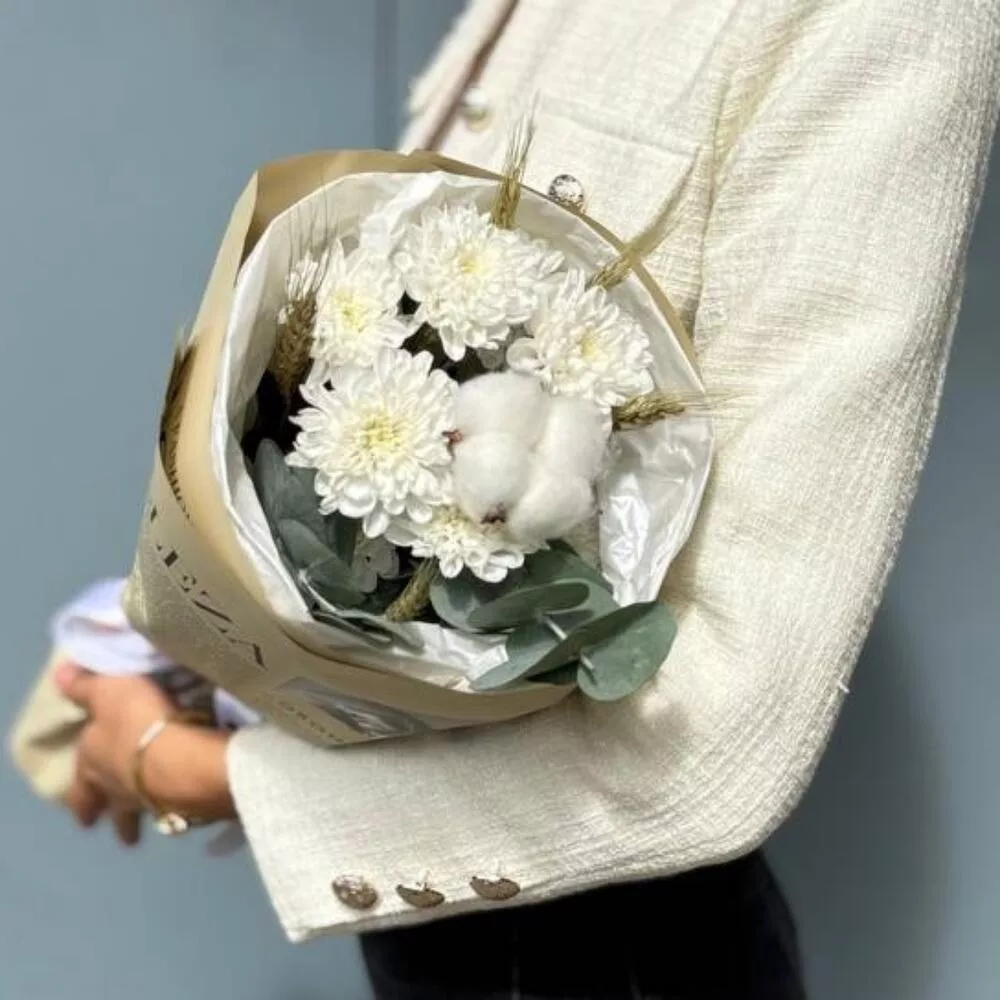
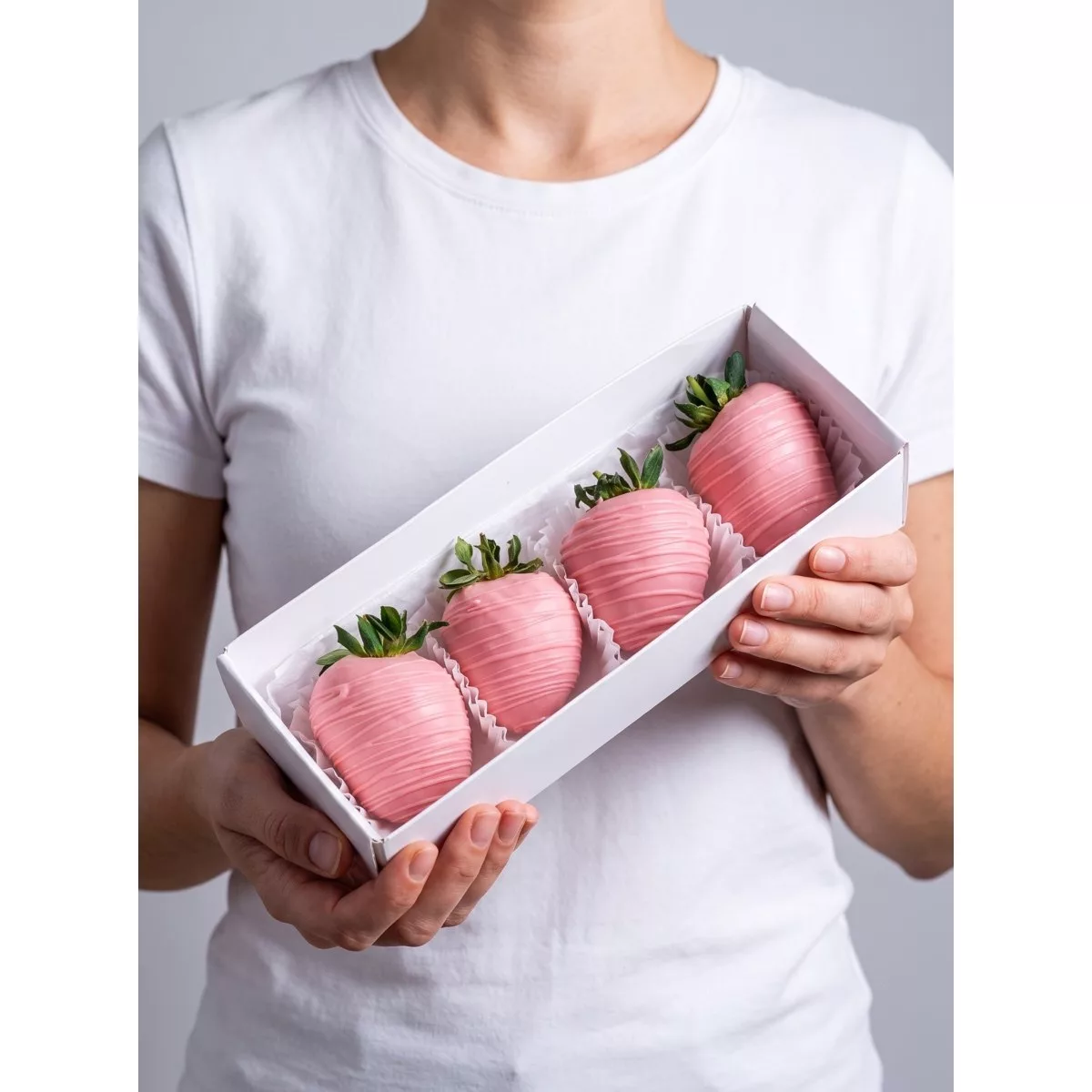
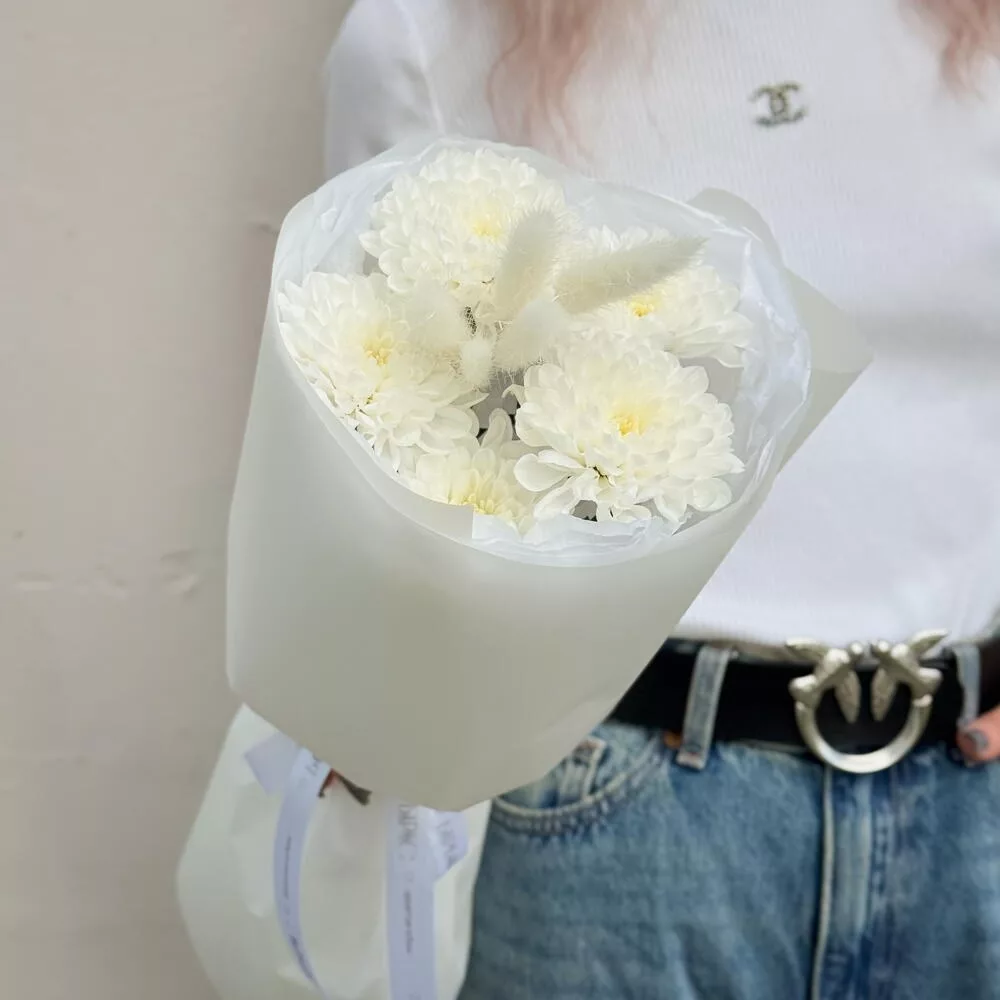
Bouquets we can deliver

Reading the Occasion Before You Read the Catalogue
Before you think about roses or tulips, think about the person receiving them and what you want them to feel in the first ten seconds. A colleague celebrating a promotion needs something confident and structured — tight garden roses in a single bold colour, or a sculptural arrangement of protea and eucalyptus that signals respect and ambition. A grandmother on her name day in Chkalovsk responds to warmth: soft spray carnations, alstroemeria in peach or apricot, and a handful of gypsophila to soften the edges.
In Russia, odd numbers of flowers in a bouquet are the standard for celebrations — this is a genuine custom, not a myth, and florists follow it automatically. Even numbers are reserved for memorial occasions, so if you are ordering for a birthday or a romantic gesture, trust that your florist already counts with this in mind. If you are sending from abroad and were not aware of this, now you are, and you do not need to specify it.
The season shapes the choice more than most people expect. In winter, when Chkalovsk is wrapped in Baltic cold and short daylight, recipients respond deeply to warm tones: burgundy ranunculus, amber chrysanthemums, deep red roses. In May and June, when the white nights begin and the island feels almost luminous, light colours — white peonies, pale lilac, cream lisianthus — match the mood of the city without any effort at all. Let the time of year guide the palette as much as the occasion does.
Bouquets by Budget: Getting the Most From Every Range
A smaller budget does not mean a lesser gesture. It means choosing flowers that perform well in quantity and carry genuine visual weight. Spray roses, alstroemeria, and solidago are honest, cheerful flowers that fill a bouquet beautifully and last seven to ten days in a vase with proper care. Combine three varieties in coordinating tones rather than mixing unrelated colours, and the result looks considered, not economical.
In a mid-range budget, you gain access to the flowers that most people picture when they think of a real bouquet: standard roses in full bloom, lisianthus with its layered petals that mimic peonies at a fraction of the cost, and seasonal fillers like waxflower or pittosporum that add texture without overwhelming the main stems. This range also allows for a wrapped presentation with kraft paper and ribbon, which matters more than it sounds — the moment of receiving is part of the gift.
At a higher budget, the conversation shifts to statement flowers. Peonies in season, garden roses with their dense spiral centres, protea, or ranunculus in unusual colours. These flowers command attention and hold it. They also benefit from a more architectural arrangement — fewer stems, more space between them, a composition that rewards a second look. For a recipient in Chkalovsk who lives somewhere with good natural light, a tall arrangement of white tulips and green bells of Ireland in a clear vase can feel like bringing spring indoors. That specificity — knowing where the flowers will live — is worth a moment of thought before you order.
Seasonal Flowers That Travel Well to Kronstadt
The Gulf of Finland climate means Chkalovsk can be genuinely cold from October through March, with temperatures regularly dropping below minus ten degrees Celsius. Cold is not automatically the enemy of cut flowers — roses and chrysanthemums handle brief cold exposure well when properly wrapped — but the transition from warm courier bag to cold outdoor air and back into a warm apartment requires packaging that accounts for condensation and chill shock.
In winter, avoid tropical varieties like anthuriums or bird of paradise for deliveries to Chkalovsk unless the courier route is short and the packaging is insulated. These flowers are sensitive to temperatures below ten degrees and can show cold damage within minutes of exposure. Roses, carnations, alstroemeria, and chrysanthemums are the reliable winter travellers. They arrive looking composed because they genuinely tolerate the journey.
Spring in Saint Petersburg arrives later than in Moscow — tulips and hyacinths appear in earnest by late March, and by April the market fills with narcissus and anemones. These are perfect for Chkalovsk deliveries in that shoulder season when the island is thawing and the light is returning. Summer brings peonies, lisianthus, and dahlias later in the season. Autumn is the moment for sunflowers, echinacea, and the warm-toned chrysanthemums that last extraordinarily well — sometimes two full weeks — in a cool room. Matching the flower to the season is not just romantic advice; it is practical, because in-season flowers arrive in better condition and stay beautiful longer.
What Happens Between the Order and the Doorbell
When an order for Chkalovsk comes in, the first step is selecting stems that are at the right stage of opening for the delivery distance. A rose that is fully open at the studio will be overblown by the time it reaches the island. Florists choose buds that are just beginning to open — closed enough to travel, open enough to look alive on arrival. This is a judgment call made with experience, not a formula, and it is one of the things that separates a professional preparation from a supermarket bunch.
The bouquet is wrapped in a way that protects the heads from pressure and the stems from drying out. For longer journeys, stems are placed in a water-retaining wrap or a small water tube, depending on the variety and the arrangement style. The outer packaging shields against wind and cold without trapping heat that would accelerate wilting.
The courier calls or messages the recipient before arriving, which is standard practice and genuinely appreciated in a district where residents may not be near the entrance. If the recipient is not home, the courier will hold and attempt redelivery or leave the bouquet with a neighbour if the recipient confirms this is acceptable — the flowers will not simply be left outside in cold or heat. When the handover happens, the courier typically mentions whether the flowers need water immediately, which is a small detail that makes a real difference to how long they last. The whole process, from studio to doorbell, is designed around the flowers arriving as though they had just been cut.
Vase Life and Care Once the Flowers Arrive
The moment the bouquet arrives is not the end of the florist's job — it is the beginning of the recipient's. A few simple steps in the first hour extend vase life significantly, and it is worth including a care card with the delivery or mentioning this when you tell your recipient to expect flowers.
Cut the stems at an angle, about two centimetres from the bottom, using a sharp knife rather than scissors. Scissors crush the vascular tissue of the stem, reducing water uptake. An angled cut increases the surface area and keeps the stem from sitting flat against the bottom of the vase, which would block water flow. Do this under running water or immediately before placing the stems in the vase, so no air enters the cut end.
Change the water every two days and re-cut the stems each time. This sounds like more effort than most people make, but it is the single most effective thing a recipient can do. Bacteria build up in the water and block the stems from drinking — fresh water and a fresh cut reset the process. Remove any leaves that fall below the waterline, as submerged foliage rots quickly and accelerates bacterial growth.
Keep flowers away from direct sunlight, radiators, and fruit bowls. Ripening fruit releases ethylene gas, which causes flowers to age faster — this is particularly true for carnations and lisianthus. A cool room with indirect light is ideal. In a Chkalovsk apartment in winter, a spot near a north-facing window is often perfect. With this care, roses typically last six to eight days, alstroemeria eight to twelve, and chrysanthemums can reach fourteen days or beyond.
Making the Delivery Feel Personal Across the Distance
Ordering flowers for someone in Chkalovsk when you are in another city — or another country — carries a particular kind of vulnerability. You cannot see the bouquet before it leaves, you cannot hand it over yourself, and you are trusting that the emotion you intended to send arrives intact. A few small choices close that distance considerably.
Write the card message in your own words rather than choosing a template. Russian recipients read card messages carefully, and a genuine sentence — even a short one — lands differently than a printed phrase. If you are writing in English for a Russian-speaking recipient, a bilingual message is a thoughtful touch; write your original and ask the florist to add a Russian translation alongside it.
Consider the timing as a form of personalisation. Flowers arriving at nine in the morning on a birthday feel different from flowers arriving at six in the evening — the morning delivery means the recipient carries that warmth through the whole day. If you know the recipient's schedule, use it. A teacher who leaves for school at eight might prefer an evening delivery when they are home and can properly receive the gift.
Finally, think about the vessel. Some recipients in Chkalovsk, particularly in older apartment buildings, may not have a tall vase. A bouquet designed for a low, wide bowl — think garden roses and ranunculus cut short, arranged in a dome — works beautifully in a kitchen or on a coffee table and does not require any special equipment. Mentioning this preference when you order is a detail that shows you thought about where the flowers will actually live, not just how they look in a photograph.
Flowers reaching Chkalovsk travel a route that is specific, measurable, and manageable when you plan around it. The island geography is not an obstacle — it is simply a factor to account for, the same way a florist accounts for temperature when choosing which varieties to cut. Order with enough lead time, choose flowers that suit the season and the person, and trust that a well-made bouquet with proper care will stay beautiful for days after it arrives. The distance between you and your recipient in Chkalovsk is bridged the moment they open the door.
Frequently asked questions
Can you deliver flowers to Chkalovsk on the same day I order?
Yes, same-day delivery to Chkalovsk is available when you order before noon. The route crosses the Ring Road dam, which adds travel time compared to central Saint Petersburg districts. Orders placed in the morning give the courier comfortable time to arrive in the afternoon with flowers in full, fresh condition. For late-day orders, confirm the deadline when placing your request.
Will the flowers survive the cold crossing to Kronstadt Island in winter?
Roses, carnations, chrysanthemums, and alstroemeria travel well in cold conditions when properly wrapped. We use insulated packaging for winter deliveries to Chkalovsk. Tropical varieties like anthuriums are more sensitive and may not be suitable for very cold days. Our florists select stems and packaging appropriate for the weather on the day of your delivery.
Is it true that bouquets in Russia should have an odd number of flowers?
Yes, this is a genuine and widely observed custom. Odd numbers of stems are given for celebrations and happy occasions. Even numbers are associated with memorial contexts. Our florists follow this automatically when composing bouquets, so you do not need to specify it. If you are ordering a specific number for aesthetic reasons, just mention it and we will note the context.
What if my recipient is not home when the courier arrives in Chkalovsk?
The courier contacts the recipient before arriving. If they are temporarily unavailable, we coordinate a revised time or ask whether a neighbour can receive the bouquet. Flowers are never left unattended outdoors. We keep the stems properly stored until a successful handover is confirmed, so the bouquet arrives in the same condition it left our studio.
Which flowers last the longest in a vase after delivery to Chkalovsk?
Chrysanthemums are the endurance champions — up to fourteen days with fresh water and regular stem trimming. Alstroemeria follows closely at eight to twelve days. Roses typically last six to eight days. Changing the water every two days and re-cutting stems each time makes the biggest practical difference. Keeping flowers away from fruit, direct sun, and radiators also extends their life significantly.
Ready to send flowers?
Pick the city, choose the bouquet, and a local florist takes it from there.
Choose a city →