How to Know Your Flowers Were Received: Delivery Confirmation in Russia
You have chosen the arrangement, written the card, and placed the order — and now the waiting begins. Whether you are sending roses to a partner across the city or a birthday bouquet to your mother in another part of Russia, that gap between dispatch and confirmed delivery can feel surprisingly long. Understanding exactly how delivery confirmation works takes away the uncertainty and lets you focus on the moment your recipient opens the door.
Why Delivery Confirmation Matters More Than You Might Think
Sending flowers is an act of care, and care does not end when the bouquet leaves the shop. It ends when the person you had in mind is actually holding those stems in their hands, reading your card, and feeling whatever you hoped they would feel — surprise, warmth, love, gratitude. Until that moment is confirmed, the gesture is technically incomplete.
In Russia, this matters in a particular way. Addresses can be complex: large apartment blocks with multiple entrances, intercom codes that change, buildings where the courier needs to wait in a lobby. A bouquet of garden roses or seasonal peonies left at a wrong entrance in winter temperatures below zero can wilt within minutes. Confirmation is not just courtesy — it protects the flowers themselves.
There is also the element of surprise. Many senders deliberately do not tell the recipient that flowers are coming. In that case, you cannot simply call ahead and ask if they arrived. You need a system that works without breaking the surprise, and that is exactly what a well-run delivery confirmation process is designed to do. Knowing the steps in advance means you can relax and let the moment unfold as you intended.
Bouquets we can deliver


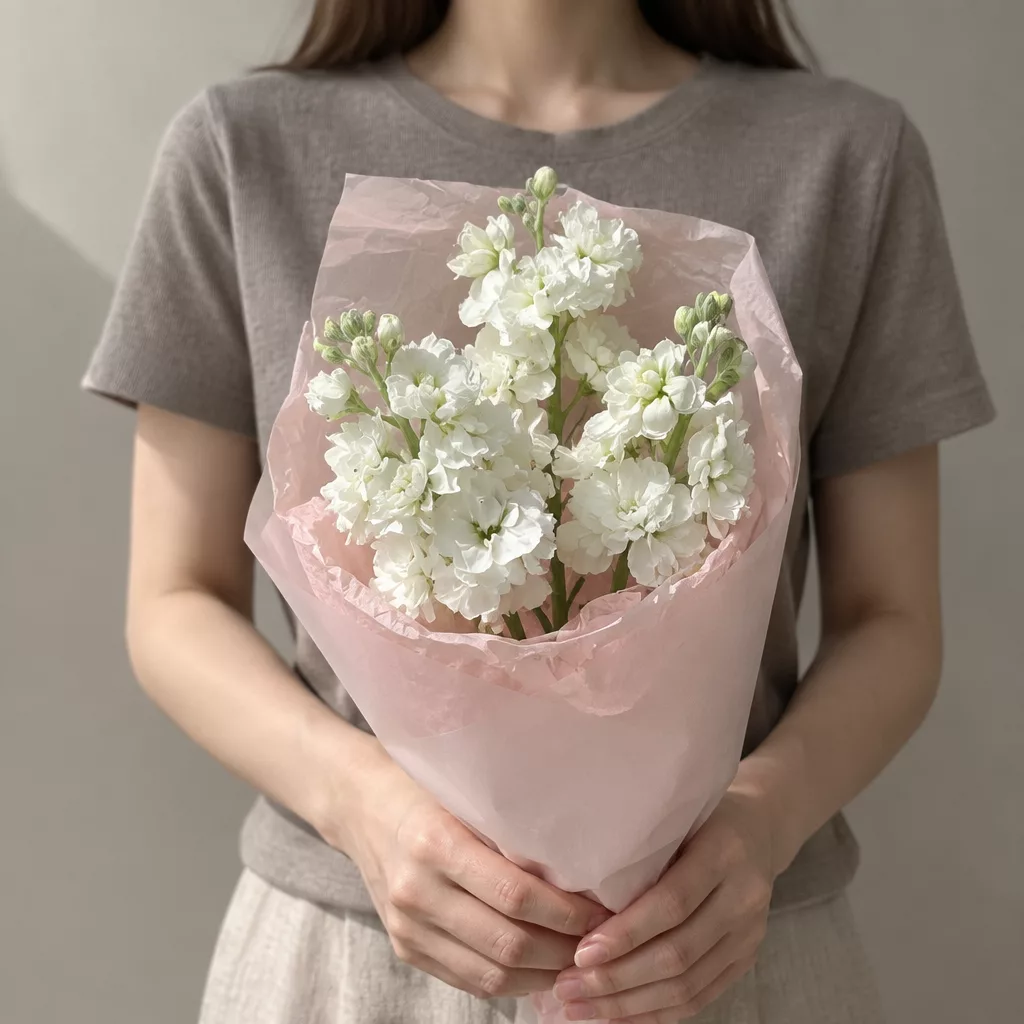
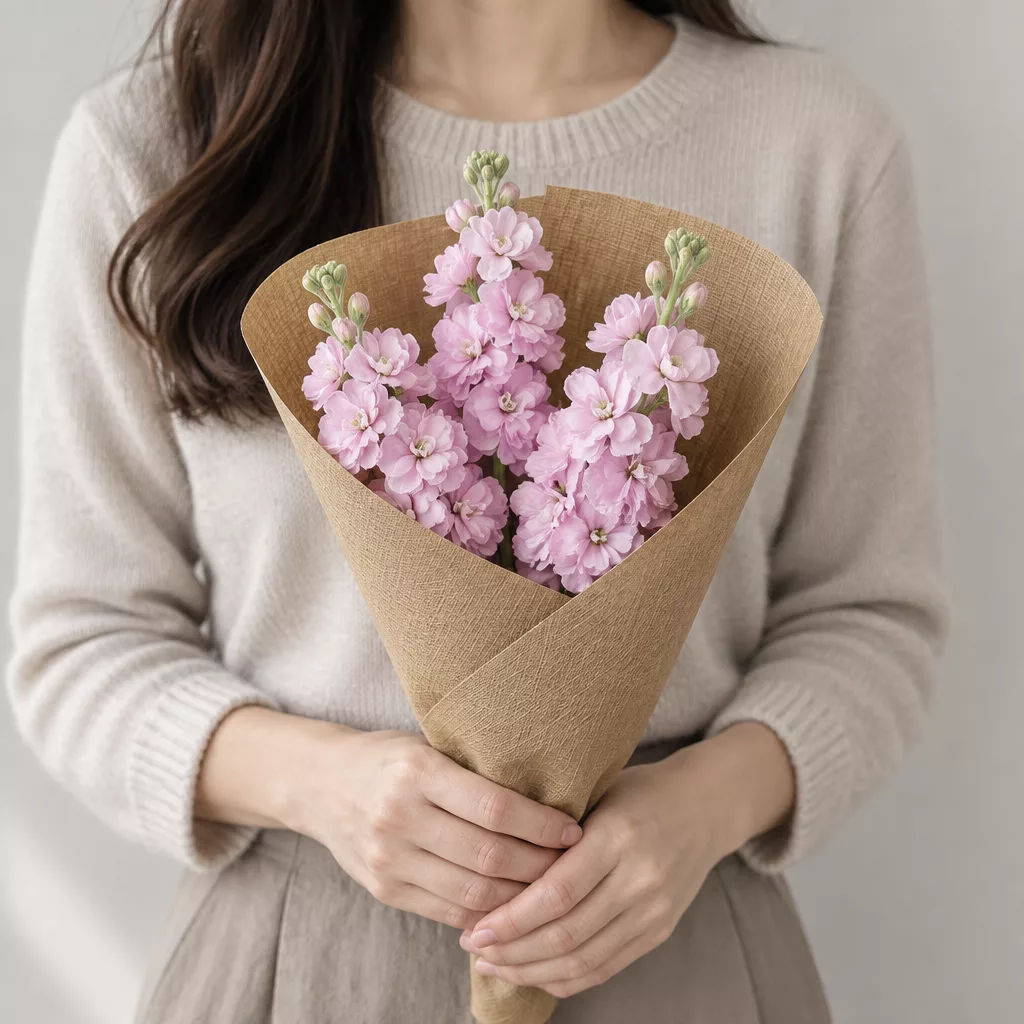
The Courier Photo: Your First Visual Proof
The most immediate form of confirmation is the photograph taken by the courier at the moment of handover. When our courier reaches the recipient's door and the bouquet is accepted, they photograph the arrangement in the recipient's hands or at the threshold of the apartment. This image is timestamped and tied to your order.
This photograph serves several purposes at once. It shows you that the flowers arrived looking exactly as they left the shop — stems fresh, wrapping intact, any accompanying gift or card in place. A hand-tied bouquet of spray chrysanthemums or a box arrangement with ranunculus and eucalyptus should look as crisp at delivery as it did when it was made. The photo gives you that reassurance visually, without needing anyone to describe it.
It also documents the condition of the flowers at the exact point of transfer. If there is ever a question about freshness or presentation, the photo is the reference point. Couriers are trained to take this image before leaving the doorstep, not from the street or a distance. The goal is a clear, honest image — not a staged one. You receive this photo through your notification, typically within minutes of the handover, so you are not left wondering while the courier is still making their way back.
Recipient Signatures and Acknowledgement in the Russian Context
In many countries, a signature on a delivery slip is the standard proof of receipt. In Russia, the process has its own rhythm. For residential deliveries — which make up the vast majority of flower orders — the recipient confirms receipt verbally to the courier, and the courier logs this confirmation digitally against the order. A physical paper signature is less common for flower deliveries than it is for parcels or legal documents.
For corporate deliveries to offices or reception desks, a written acknowledgement from the person accepting on behalf of the recipient is more typical. If you are sending flowers to a colleague at their workplace, the receptionist or office manager may sign, and that confirmation is passed back through the order system. It is worth noting this when placing your order if the recipient works in a large company with a formal reception process.
One thing that surprises many senders unfamiliar with Russian customs is that recipients are generally very comfortable receiving flowers from a courier they have never met. It is a normal, trusted part of daily life in cities like Saint Petersburg. There is no suspicion or hesitation — people are accustomed to this. The courier introduces themselves, presents the bouquet, and the moment is warm rather than transactional. That cultural ease makes the handover smooth and means confirmation happens quickly and naturally.
The Sender Notification: What You Receive and When
Once the courier has completed the handover and logged the delivery, a notification goes back to you as the sender. This is the moment you have been waiting for, and it is designed to arrive promptly — typically within fifteen to thirty minutes of the actual delivery, accounting for the courier logging the details and the system processing the update.
The notification includes the key facts: the time of delivery, confirmation that the recipient accepted the flowers, and the courier photo described in the previous section. If you provided your mobile number or email when placing the order, this is where those details matter. Make sure they are correct when you order, because the notification goes only to the contact you registered.
If you ordered for a same-day delivery in the one-to-two-hour window, you can expect the notification to arrive well within your afternoon or evening. If you placed an order for a specific time slot — say, delivery at noon for a birthday lunch — the notification follows shortly after that window closes. In practice, most senders find they receive the confirmation before they have had time to feel anxious about it. The system is built around the understanding that the sender's experience does not end at checkout — it ends when they know the flowers are where they should be.
What Happens When the Recipient Is Not Home
This is the scenario that causes the most worry, and it is worth addressing directly. Life is unpredictable — a recipient may have stepped out unexpectedly, be in a meeting that ran long, or simply not hear the intercom. When a courier arrives and cannot reach the recipient, there is a clear process rather than a guessing game.
The courier will attempt contact through the intercom and, if you provided the recipient's phone number at checkout, through a call or message. This is an important detail: sharing the recipient's number when it does not risk spoiling a surprise gives the courier a direct line to resolve the situation. For surprise deliveries, the courier uses the intercom and waits a reasonable amount of time before escalating.
If contact cannot be made, you as the sender are notified immediately, not after the fact. You then have options: rescheduling the delivery, arranging for a neighbour to accept the flowers, or providing an alternative contact. Flowers like alstroemeria and standard carnations are robust enough to handle a short delay without visible deterioration, but arrangements built around open garden roses or sweet peas need to reach a vase quickly. This is why prompt communication from the courier to the sender is part of the confirmation process — it protects the flowers and the gesture equally.
How to Set Up Your Order for the Smoothest Confirmation
The confirmation process works best when the order is set up thoughtfully from the start. A few small decisions when you place your order make the difference between a seamless experience and unnecessary back-and-forth.
First, be precise with the address. In Saint Petersburg and other Russian cities, the apartment number, entrance number, and intercom code are all essential. A building on Nevsky Prospekt might have four separate entrances — without the right one, even the most experienced courier loses time, and time matters for fresh flowers. If you know the code changes, mention it in the order notes.
Second, decide in advance whether you want to share the recipient's phone number. If the delivery is a surprise and you are confident the recipient will be home, you may prefer not to. If there is any doubt, sharing the number is the safer choice — the courier is trained to be discreet and will not reveal who sent the flowers unless asked directly.
Third, double-check your own contact details. The confirmation notification — the photo, the timestamp, the delivery status — goes to you. If your number has changed or you are using a different email for this order, update it before you confirm payment. A florist can send the most beautiful hand-tied bouquet of dahlias and lisianthus in the world, but if the confirmation goes to an old address, you will not feel it.
Sending flowers across Russia is an act of trust — trust in the courier, trust in the process, and trust that the moment you imagined will actually happen. The confirmation system exists to honour that trust. From the courier photo at the doorstep to the notification that arrives on your phone, every step is designed to close the loop between your intention and your recipient's experience. When you understand how it works, you can place your order with confidence and spend less time wondering and more time looking forward to hearing what they said when they opened the door.
Frequently asked questions
Will the courier call the recipient before arriving?
For surprise deliveries, the courier uses the intercom rather than calling ahead, to protect the element of surprise. If you are happy for the recipient to be contacted directly — for example, to confirm they are home — simply include their phone number in the order notes and indicate that a call is permitted.
How quickly will I receive the delivery confirmation after the flowers are handed over?
In most cases, the sender notification arrives within fifteen to thirty minutes of the actual handover. The courier logs the delivery on-site, the system processes the update, and the photo and confirmation details are sent to the contact information you provided when placing the order.
What if I made a mistake in the recipient's address?
Contact us as soon as you notice the error, ideally before the courier has departed. Address corrections are easiest to make in the early stages of the order. Once the courier is en route, changes become more difficult and may affect the delivery window, so checking the address carefully at checkout saves significant trouble.
Can I request that the courier photograph the flowers in a specific way?
You can leave a note with your order requesting a particular detail — for example, that the card is visible in the photo, or that the full arrangement is captured rather than just a close-up. Couriers aim to take a clear, honest image at the point of handover and will accommodate reasonable requests when noted in advance.
Is it normal for the recipient not to be told who sent the flowers until they read the card?
Completely normal, and very common. Couriers in Russia are accustomed to anonymous deliveries and will not volunteer the sender's name. The recipient finds out when they read the card you included with the order. If you prefer to remain anonymous entirely, simply indicate this and leave the card unsigned.
Ready to send flowers?
Pick the city, choose the bouquet, and a local florist takes it from there.
Choose a city →