Ordering Flowers from Abroad? Here Are the Cut-Off Times You Need
You are sitting in Berlin or Dubai, it is mid-morning your time, and someone you love is celebrating in Saint Petersburg right now. The question is not whether fresh flowers can reach them today — they can, within one to two hours of your order. The question is whether you still have time to place that order. Cut-off times are the one detail that catches international customers off guard more than any other, and getting this wrong by even thirty minutes means waiting until tomorrow. This article gives you the exact deadlines, explains why Moscow time is the only clock that matters, and shows you how to choose an arrangement that travels well when timing is already tight.
Why Moscow Time Is the Only Clock That Matters
Russia uses eleven time zones, but when you place an order with Turboflora in Saint Petersburg, the clock on the wall here is what governs everything. Saint Petersburg runs on Moscow Standard Time, which is UTC plus three, and that offset does not change seasonally — Russia abolished daylight saving time in 2014, so there is no spring or autumn shift to account for. If you are ordering from London in winter, you are four hours behind us. From New York in summer, you are eight hours behind. From Tokyo, you are six hours ahead. Before you do anything else, open a time-zone converter and confirm what the current hour is in Saint Petersburg right now. This single step prevents the most common mistake international customers make: assuming that because it is still morning where they are, the day here is equally young. By the time someone in Los Angeles sits down with coffee at eight in the morning, our florists in Saint Petersburg have already been working for eleven hours and the afternoon delivery window is approaching. Knowing the gap is not just useful — it is the difference between a birthday bouquet arriving before the celebration ends and arriving the following day. Keep a note of UTC plus three somewhere easy to reach, and check it every time you want to send flowers on short notice.
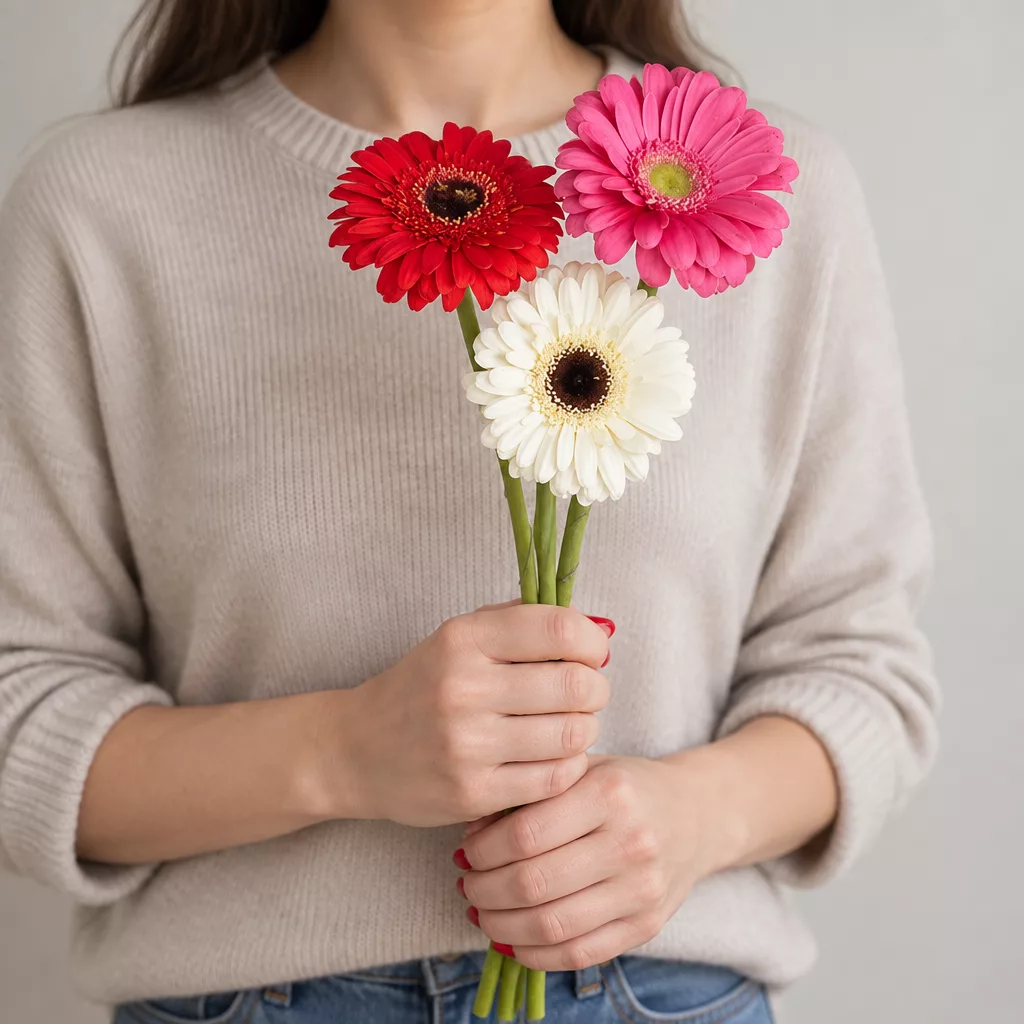
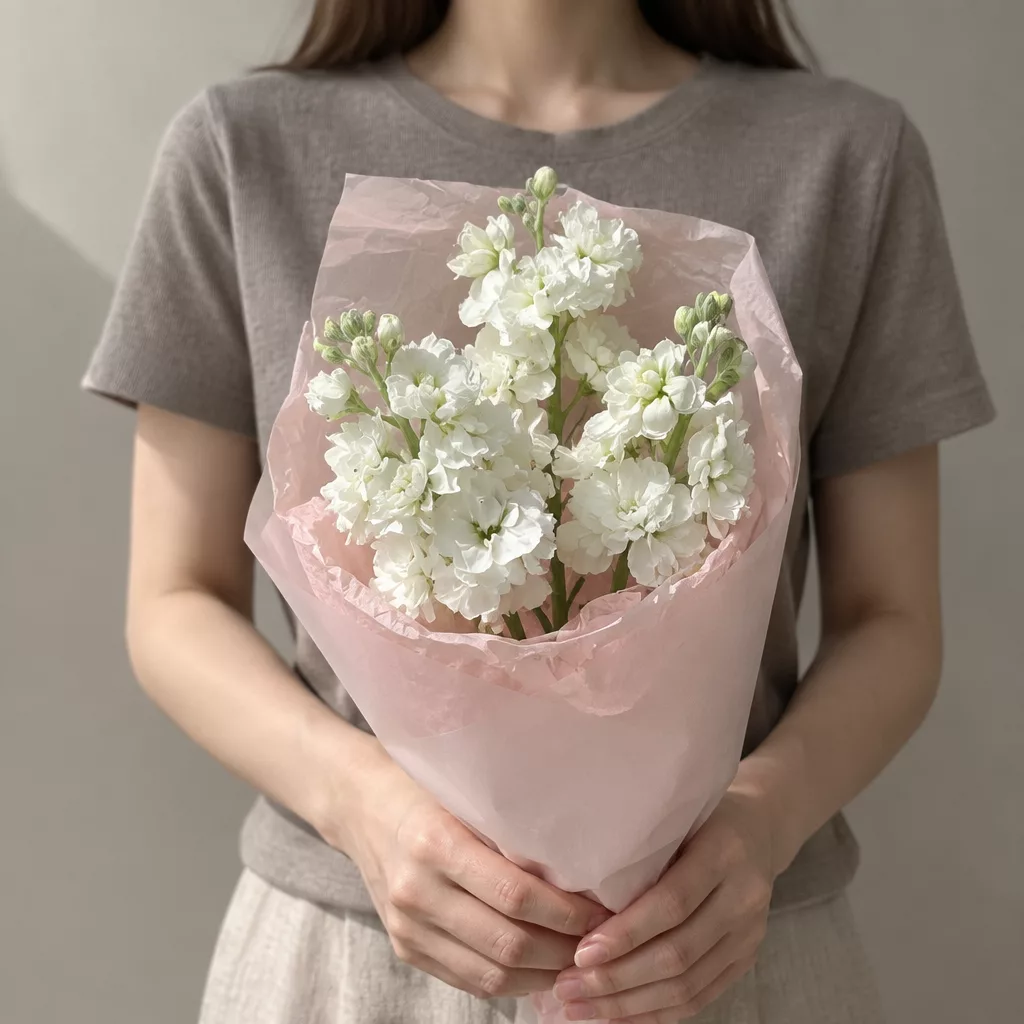
Bouquets we can deliver


The Daily Cut-Off Schedule You Can Plan Around
Same-day delivery at Turboflora is available every day of the year, including public holidays, but the final moment to place an order shifts slightly depending on when in the day you are ordering. The general rule is straightforward: orders placed before 21:00 Moscow time are eligible for same-day delivery, with arrival within one to two hours of confirmation. Orders placed between 21:00 and midnight Moscow time move into an early-morning slot the following day, with delivery beginning from 08:00. This window exists because our florists prepare each bouquet fresh rather than pulling pre-made arrangements from a shelf, and assembly, conditioning, and transit all require real time. The practical implication for someone abroad is that you should build in a buffer. If the celebration starts at 19:00 Moscow time, ordering at 18:30 is too close. Aim to place your order at least ninety minutes before the moment you want the flowers to arrive. For large or complex arrangements — a tall vase composition with garden roses, lisianthus, and eucalyptus, for instance — allow two hours from order to door. Simpler hand-tied bouquets of tulips or spray carnations move faster because conditioning time is shorter. When in doubt, place the order earlier than feels necessary. Flowers that arrive an hour before a dinner are a delight; flowers that arrive during dessert are a footnote.
How to Choose an Arrangement When Time Is Already Short
When the clock is tight, the best gift is one that arrives looking exactly as intended rather than one that is ambitious but rushed. Certain flowers are naturally forgiving during transit: ranunculus hold their shape beautifully for several hours after cutting, alstroemeria barely notice a journey across the city, and chrysanthemums can travel in a warm car and still open gracefully on arrival. Roses are the most popular choice and they travel well when they are in bud — a fully open garden rose is more vulnerable to bruising than a tight bud that will open over the following twenty-four hours at home. If you are ordering with less than two hours to spare before the cut-off, keep the design clean and uncomplicated. A hand-tied bouquet of seasonal tulips in a single colour, wrapped in kraft paper and ribbon, is one of the fastest arrangements to prepare and one of the most striking to receive. Avoid requesting elaborate structural designs with foam mechanics or tall branching elements when time is short — these need additional preparation. Think about the recipient, too. Someone who lives alone and has no large vases at home will be happier with a low, compact bouquet than with a dramatic arrangement that requires a bucket. Matching the flowers to the person's space and lifestyle is always good florist thinking, and it becomes especially practical when you are working against a deadline.
Choosing by Budget Without Losing the Feeling
Budget shapes which flowers you work with, but it does not have to shape how the bouquet feels to the person who receives it. At a modest budget, seasonal flowers do the most work: in spring that means tulips, hyacinths, and muscari; in summer, sunflowers and lisianthus; in autumn, dahlias and eustoma; in winter, spray roses and waxflower. These varieties are not second choices — they are what professional florists reach for when they want something that looks genuinely alive and abundant rather than stiff and formal. A mid-range budget opens the door to garden roses, peonies in season from May through June, and mixed compositions that layer textures — something soft like astilbe alongside something structural like anthurium. At a higher budget, you can request specific colours across multiple stem types, add fragrant elements like freesia or sweet peas, and choose a presentation vessel that becomes part of the gift. What matters across every price point is proportion and colour coherence. Three stems of a beautiful flower in a complementary wrap will always outperform a crowded mix of unrelated varieties. When you place your order, describe the recipient and the occasion rather than listing specific flowers — a florist who knows the person is celebrating a promotion will make different choices than one assembling a generic bouquet, and those choices will show in the arrangement.
What Happens to Flowers in Transit Across Saint Petersburg
Saint Petersburg has a varied climate that affects flowers differently depending on the season. In winter, temperatures regularly drop below minus ten degrees Celsius, which means bouquets travel in insulated packaging to prevent cold damage to petals — roses and tropical varieties like anthuriums are particularly sensitive to freezing. In summer, the city can reach twenty-eight degrees or above, and the challenge reverses: flowers need to be kept away from direct sunlight and heat during transit to prevent wilting. Our drivers carry arrangements in temperature-managed conditions year-round, but it helps to understand why the packaging looks the way it does when it arrives. A bouquet delivered in January may arrive wrapped in a sleeve that feels almost like a small insulated bag — this is intentional and the flowers inside are perfectly healthy. Once indoors, remove the outer packaging promptly and place the stems in water within fifteen minutes. Do not place a cold-weather delivery directly near a radiator, which is a common reflex in Russian apartments during winter but causes rapid dehydration in cut flowers. In summer, keep the bouquet away from south-facing windowsills. The transit itself across central Saint Petersburg typically takes twenty to forty minutes depending on traffic, which is well within the safe window for conditioned cut flowers. Knowing this helps you set realistic expectations when you are tracking a delivery from abroad.
Vase Life and Care Once the Flowers Arrive
A well-chosen bouquet should last between five and ten days with basic care, and the first hour after arrival is the most important. The stems should be recut at an angle under running water or while submerged — cutting on an angle increases the surface area through which the flower draws water, and doing it under water prevents an air bubble from forming in the stem and blocking that uptake. Remove any leaves that would sit below the waterline, because submerged foliage rots quickly and contaminates the water, shortening vase life significantly. Change the water every two days and recut the stems each time. Tulips are a special case: they continue to grow after cutting and will bend toward any light source in the room, which is charming but means the arrangement shifts over time. Keep tulips in a cooler part of the room if you want them to hold their position. Roses benefit from having their outer guard petals removed — these are the slightly rougher petals on the outside of the bud that protect the inner petals during transport. Removing them reveals the cleaner colour underneath and helps the bud open evenly. Lisianthus and alstroemeria are among the longest-lasting cut flowers available and will often outlast roses in the same arrangement. If you are sending flowers to someone who travels frequently or keeps a busy schedule, these varieties are a thoughtful practical choice alongside the more romantic options.
Common Mistakes When Ordering Across Time Zones
The most frequent error is placing an order based on local time without converting to Moscow time first, and then being surprised when the delivery falls outside the same-day window. The second most common mistake is underestimating how long a message or customisation request adds to the preparation time. If you want a handwritten card with a long personal note, a specific ribbon colour, or a particular wrapping style, include these details at the moment of ordering rather than adding them in a follow-up message. Every back-and-forth exchange takes minutes that matter when you are close to a cut-off. A third mistake is ordering for a recipient who will not be home. In Russia, it is not standard practice to leave a bouquet with a neighbour or in a building lobby — flowers need to be received in person to ensure they are cared for immediately. If there is any chance the recipient will be out, note a preferred delivery window in your order or coordinate with them in advance. Finally, do not assume that a public holiday in your country affects operations in Saint Petersburg. Russian public holidays follow a different calendar, and Turboflora operates on all of them. New Year in Russia is celebrated on the first and second of January, Victory Day falls on the ninth of May, and these are the busiest delivery days of the year — order well ahead of the cut-off on these dates because volume is high and the earlier you place your order, the smoother the process.
Sending flowers from abroad to someone in Saint Petersburg is genuinely straightforward once you have the time-zone arithmetic in hand. Convert to Moscow time, check the cut-off, choose flowers that suit the occasion and the transit conditions, and place your order with enough lead time to let the florist do their best work. The one-to-two-hour delivery window is real, and the arrangements that arrive through it are made fresh for the person receiving them — not pulled from a cold store. That care shows in how the bouquet looks and how long it lasts, and it is what makes the gesture worth making.
Frequently asked questions
What is the latest time I can order same-day flower delivery from Turboflora?
The cut-off for same-day delivery is 21:00 Moscow Standard Time, which is UTC plus three. This does not change seasonally because Russia does not observe daylight saving time. If you are ordering from another country, convert your local time to Moscow time before placing the order to make sure you are within the window.
Can I schedule a delivery for a specific hour, or does it arrive anytime within the day?
You can specify a preferred delivery window when placing your order. Turboflora delivers within one to two hours of order confirmation, so if you need flowers to arrive before a dinner at 19:00 Moscow time, placing the order by 17:00 at the latest gives the team comfortable preparation and transit time. Include the preferred arrival window clearly in your order notes.
Do cut-off times change on Russian public holidays?
Same-day delivery is available every day including Russian public holidays, but demand is significantly higher on major dates such as International Women's Day on the eighth of March, New Year, and Victory Day. On these days, ordering several hours before the 21:00 cut-off rather than close to it gives your order the best chance of arriving in the slot you want.
What if the recipient is not home when the delivery arrives?
Turboflora delivers directly to the recipient in person. If there is a chance the person will be out, coordinate a delivery window with them in advance or leave a note in your order with a preferred time. Flowers cannot be left unattended in a hallway or with a neighbour, as this affects both the condition of the bouquet and the personal nature of the gift.
How should the recipient care for the flowers immediately after delivery in winter?
In cold weather, bouquets arrive in insulated packaging to protect petals from freezing temperatures. Once indoors, remove the outer packaging promptly and place the stems in a vase of fresh water within fifteen minutes. Keep the arrangement away from radiators and heating vents, which are common in Russian apartments and cause cut flowers to dehydrate much faster than normal room conditions would.
Ready to send flowers?
Pick the city, choose the bouquet, and a local florist takes it from there.
Choose a city →