Flower Delivery in Dagestanskie Ogni: Timing, Choices and What Arrives
Dagestanskie Ogni sits on the western shore of the Caspian, small enough that a bouquet feels like a genuine event. Whether you are sending roses to a mother on her birthday or congratulating a colleague on a new job, the flowers that arrive at the door carry the full weight of the gesture. This guide walks you through how delivery works in this city, what to order depending on the weather and the occasion, and how to make sure the bouquet looks exactly as it should when the recipient opens the door.
Why Dagestanskie Ogni Is Worth Knowing Before You Order
Dagestanskie Ogni is a compact industrial city in southern Dagestan, home to roughly 27,000 people. It sits close to Derbent and shares the same semi-arid climate — hot summers, mild winters, and a dry wind off the Caspian that can be hard on cut flowers if they are left outside even briefly. Understanding that geography helps you make smarter choices when you place an order.
The city is laid out along a relatively narrow coastal strip, which actually works in your favour for delivery. Most residential addresses are within a manageable radius of the main roads, so a courier carrying a carefully packed bouquet does not have to navigate sprawling suburbs or mountain passes to reach the door.
What this means practically is that timing is predictable here. When you order from Turboflora, the flowers leave a climate-controlled environment and travel in packaging designed to hold moisture and protect petals during transit. Arriving in good condition is not an accident — it is a result of preparation that starts well before the courier picks up the box.
If you have never sent flowers to someone in Dagestan before, one thing to know is that receiving a bouquet at home is considered a meaningful gesture, not an everyday transaction. People tend to display flowers prominently, so the presentation — the wrapping, the ribbon, the card — matters just as much as the blooms themselves. Turboflora treats both as part of the same package.
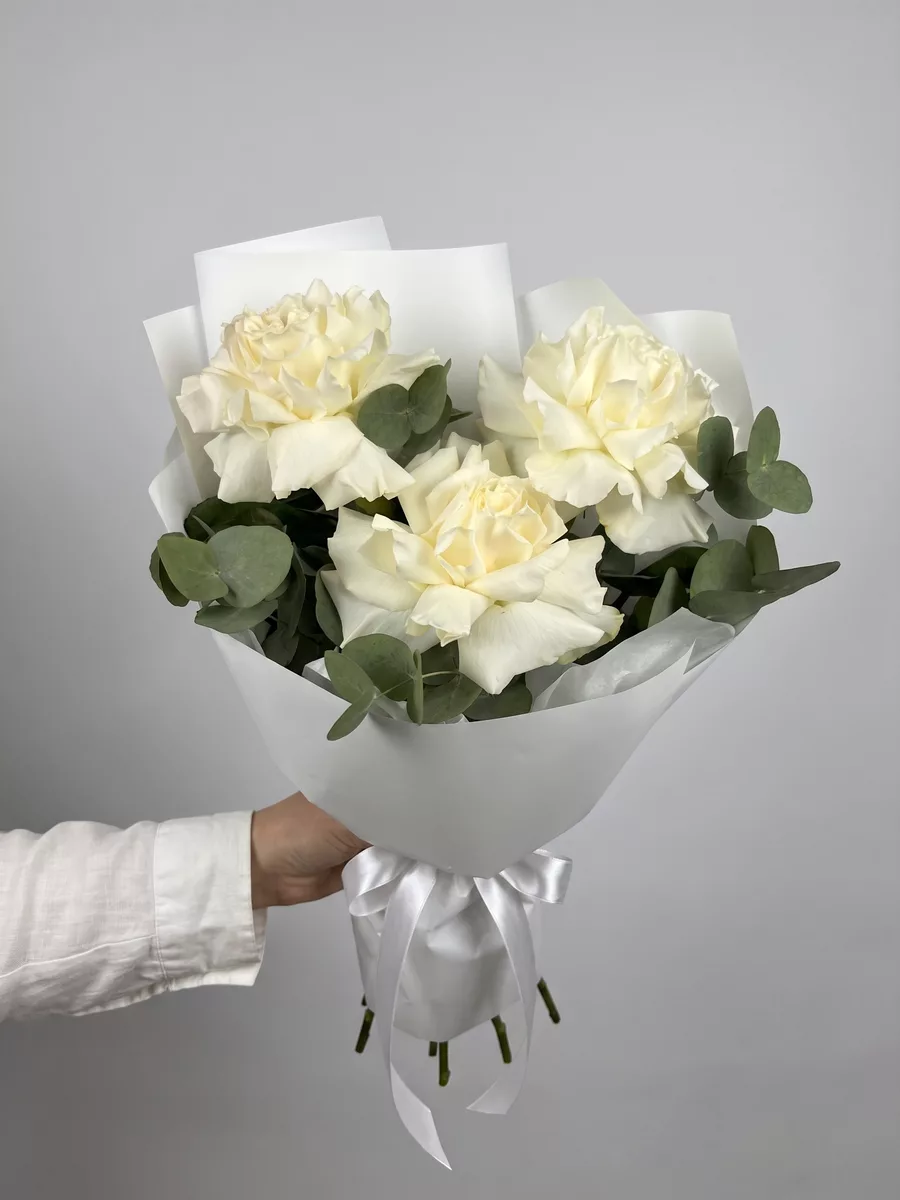
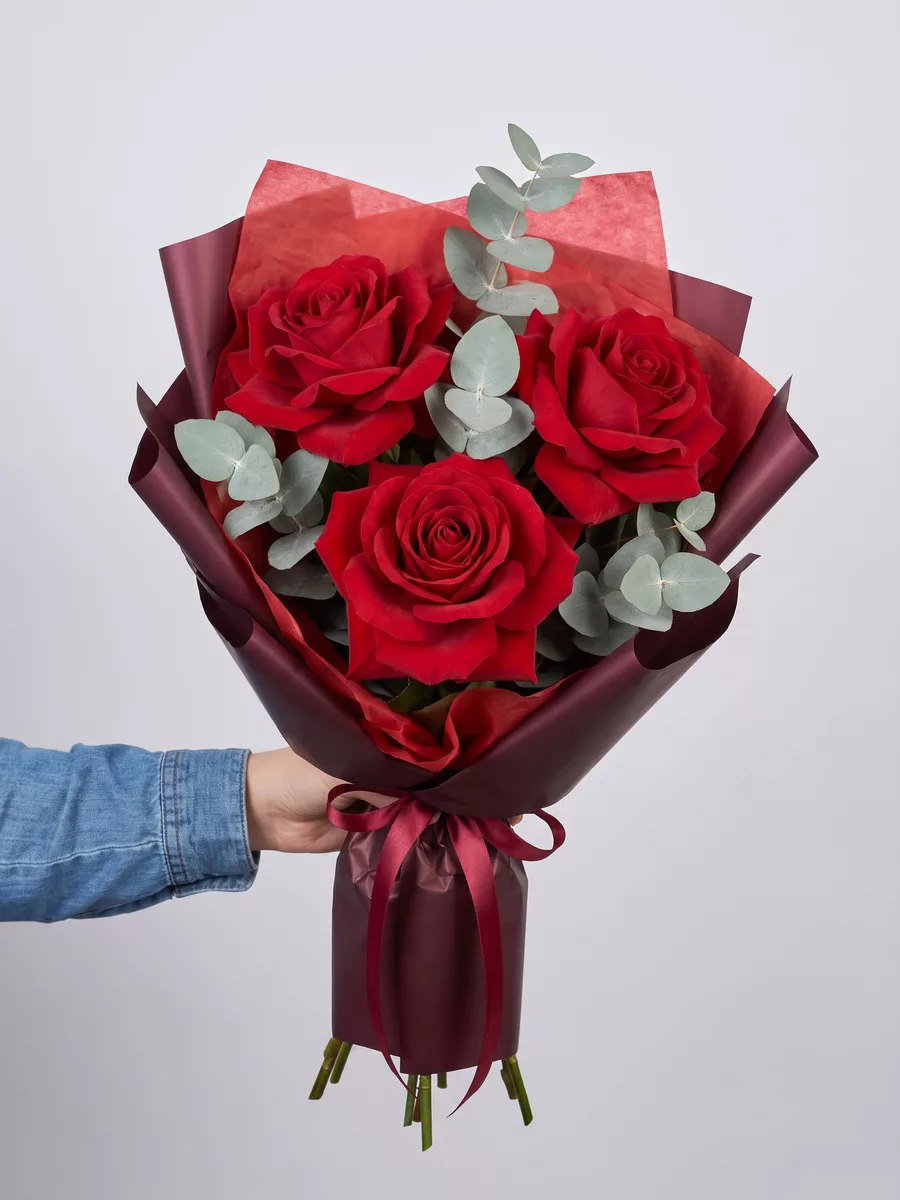
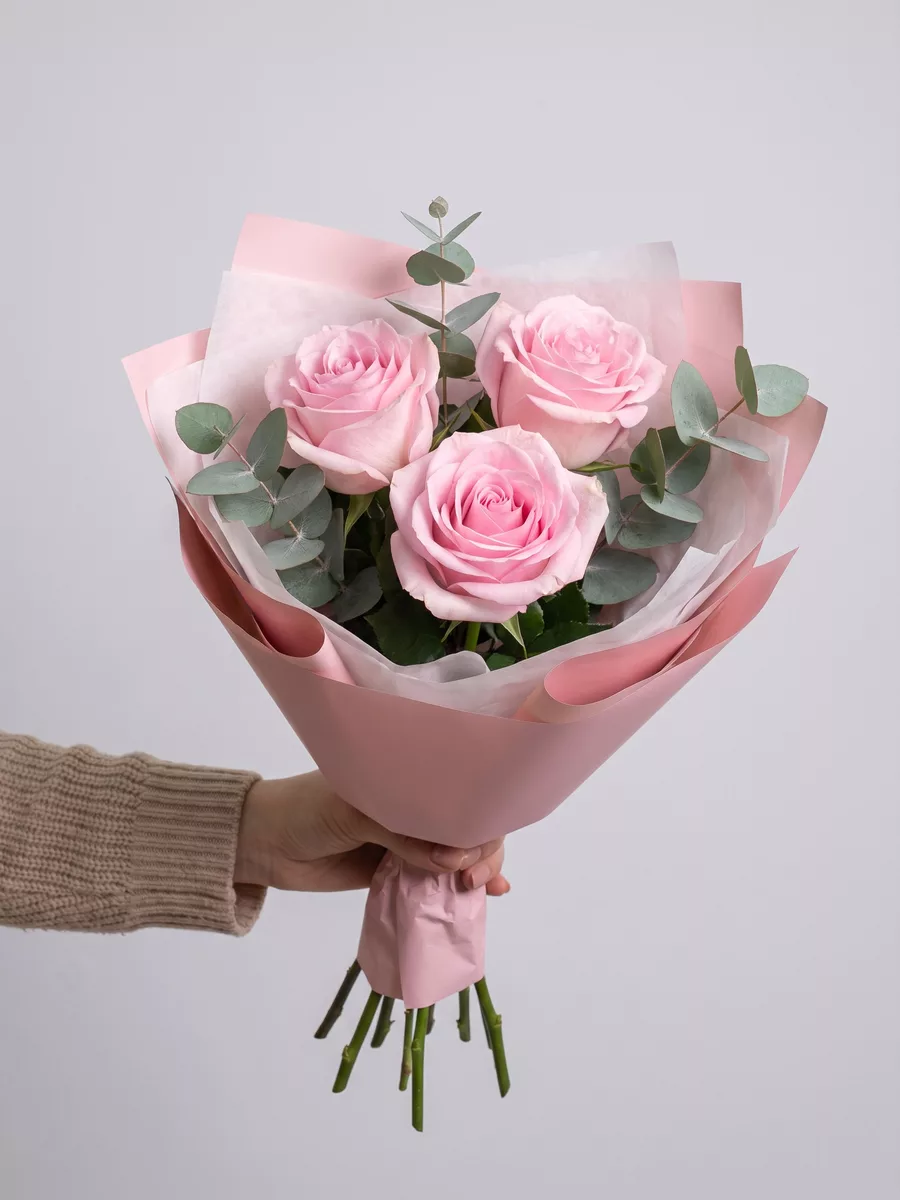
Bouquets we can deliver

Delivery Timing: What the 1–2 Hour Window Means Here
Turboflora delivers fresh flowers across Russia within one to two hours of the order being confirmed. In Dagestanskie Ogni, that window applies to orders placed during operating hours, and the process begins the moment your payment clears. The bouquet is assembled, wrapped, and handed to the courier while the flowers are still at their freshest — not hours later.
The one-to-two-hour promise is not a marketing phrase. It reflects the actual logistics of keeping cut flowers alive. Roses, for example, begin to lose moisture the moment they are trimmed. Peonies open faster in warm temperatures. In the summer heat of southern Dagestan, every extra hour the flowers spend in transit matters. Packing with water-retaining materials and insulating sleeves is standard practice for this reason.
If you are planning a surprise for a specific time — say, the moment a person arrives home from work at seven in the evening — the smarter approach is to schedule the delivery for thirty minutes before that, not exactly at that time. Real-life deliveries depend on address accuracy, building access, and whether the recipient picks up the phone. A small buffer protects the surprise.
For same-day orders, placing them before midday gives the widest range of available compositions. Later orders are absolutely possible, but the selection of certain seasonal varieties may be more limited. Communicating clearly in the order notes — including the floor number, entry code, and a local contact number — removes the most common reasons a delivery is delayed.
Choosing Flowers for the Occasion, Not Just the Budget
The most common mistake people make when ordering remotely is thinking about price first and the recipient second. A better starting point is the feeling you want the bouquet to create when the door opens. A grandmother celebrating her seventieth birthday will respond differently to a loose, garden-style arrangement of spray roses, lisianthus, and eucalyptus than she would to a tight formal bouquet of red roses. Both can cost the same. Only one will feel right.
For birthdays, the most reliable combinations in any season are those that mix a strong focal flower with softer supporting varieties. Roses paired with alstroemeria give lasting colour — alstroemeria can hold for up to two weeks in a vase. Sunflowers with chamomile and greenery feel warm and generous without being formal. These combinations work especially well in Dagestanskie Ogni's climate because the varieties are hardy and travel well.
For congratulations — a promotion, a new home, a graduation — white and cream tones with a single bold accent colour tend to feel elevated. Think white eustoma with coral roses, or cream chrysanthemums with a few stems of deep burgundy astilbe. The contrast does the work that a single-colour bouquet cannot.
Romantic occasions call for richness over variety. A dense bouquet of garden roses in blush or deep red, wrapped in kraft paper and finished with a velvet ribbon, communicates more than a mixed arrangement of ten different flowers. Simplicity in romantic gestures is a principle that holds across cultures, and it holds here too.
Seasonal Availability and the Southern Dagestan Climate
Southern Dagestan runs warm for most of the year. Summers regularly exceed 30 degrees Celsius, and even autumn stays mild well into October. This matters for flower selection because some varieties simply do not travel well in high heat, no matter how good the packaging is. Knowing which flowers are robust in warm conditions helps you order with confidence.
Roses are the most reliable year-round choice. Modern cultivated roses are bred for durability, and varieties like Explorer, Avalanche, and Red Naomi hold their form even when temperatures are high, as long as they are kept out of direct sunlight after delivery. Chrysanthemums are similarly tough — a single stem of spray chrysanthemums can last ten to fourteen days in a clean vase with fresh water.
Peonies are seasonal and worth ordering when available, usually in late spring and early summer. They arrive as tight buds and open over two to three days, which makes the recipient feel as though the bouquet is alive and changing. In the heat of July and August, though, peonies open very fast — sometimes within hours — so they are better suited to spring orders in this region.
Hydrangeas are beautiful but demanding. They need water immediately after arrival and wilt quickly if left in a warm room without a vase. If you are sending to someone who may not be home to receive the flowers directly, hydrangeas are a risk. In that case, roses, alstroemeria, or chrysanthemums are safer choices that hold without immediate attention.
Winter deliveries in Dagestanskie Ogni are generally straightforward. Temperatures rarely drop below freezing on the coast, so cold damage to petals is not a significant concern here the way it might be in Siberian cities.
How to Write a Card That Matches the Bouquet
In Russian tradition, a bouquet without a card is considered incomplete. The written message is not an optional extra — it is part of the gift. If you are sending flowers from abroad or from another city and you are not sure what to write, keep it direct and personal. A sentence that names the occasion and says something specific about the person lands better than a general wish for health and happiness.
For a birthday, something like: 'Wishing you a day as bright as these flowers — you deserve every good thing.' For a congratulation: 'This is just the beginning. So proud of everything you have built.' These feel human because they are specific. Generic phrases — 'Wishing you all the best' — are recognised immediately as filler and slightly undercut the effort of the bouquet itself.
If the relationship is formal — a colleague, a business partner, a teacher — keep the tone warm but measured. Acknowledge the occasion, express genuine respect, and leave it at that. Overly effusive messages in formal contexts can feel awkward for the recipient, especially in a workplace setting where the card might be read by others.
For romantic gestures, brevity works better than length. Three lines that mean something specific to the two of you will always outperform a paragraph of poetic language copied from the internet. The recipient knows the difference, and it matters.
Turboflora includes a printed card with every order. When you fill in the message field during checkout, write as though you are speaking directly to the person — not performing for an audience. That is the tone that makes a card worth keeping.
Vase Life and Care: What to Tell the Recipient
Cut flowers last longest when a few simple rules are followed consistently. If you are sending flowers to someone who does not have much experience with bouquets, it is worth including care instructions with the card — or simply passing them along in a message after delivery.
The first step is always trimming the stems. Each stem should be cut at a diagonal angle, about two centimetres from the bottom, using a sharp knife rather than scissors. Scissors crush the stem tissue and reduce water uptake. The diagonal cut increases the surface area that draws water. This single step can add two to three days to the life of the bouquet.
Water temperature matters more than most people realise. Room-temperature water is best for most flowers. Cold water slows water uptake, and hot water causes premature wilting. Change the water every two days and rinse the vase each time to prevent bacterial build-up, which is the most common reason flowers die earlier than they should.
Keep the bouquet away from direct sunlight, radiators, and fruit bowls. Ripening fruit releases ethylene gas, which accelerates ageing in cut flowers — particularly in roses and carnations. A cool, shaded spot with good air circulation is ideal.
With proper care, roses last seven to ten days, alstroemeria up to two weeks, and chrysanthemums up to fourteen days. Tulips are shorter-lived at five to seven days but are visually striking while they last. Knowing the expected lifespan helps the recipient appreciate the bouquet at each stage rather than feeling disappointed when the first petals drop.
Getting the Address Right: Practical Notes for Remote Senders
Sending flowers to a city you have never visited requires a little extra care with the address. Dagestanskie Ogni uses standard Russian postal addressing, but small details — a missing apartment number, an unlisted entry code, or a building that shares a number with a neighbouring block — can slow a delivery significantly. Taking five minutes to confirm the address before placing the order saves everyone frustration.
The most useful pieces of information to include in the delivery notes are: the full street name and house number, the apartment or office number, the floor if the building has more than three storeys, any entry code for the front door, and a local phone number for the recipient. If the recipient should not know the flowers are coming, include a note explaining that the courier should call you rather than them if there is a problem at the door.
For deliveries to workplaces — an office, a school, a clinic — it helps to know the working hours of the building and whether the reception desk accepts deliveries on behalf of staff. Including the recipient's full name and department in the notes ensures the bouquet reaches the right person even in a large building.
If you are not certain of the exact address, the safest approach is to message the recipient casually and ask — many people do this without revealing the surprise, simply by asking about plans for the day or mentioning they need to send something. A confirmed address is always better than an estimated one, and it protects the quality of the flowers by avoiding repeat delivery attempts that add unnecessary time in transit.
Sending flowers to Dagestanskie Ogni from anywhere in Russia is a straightforward process when you know what to expect. The city's coastal location, warm climate, and compact layout all work in your favour — deliveries are predictable, and the right flower choices travel well in this part of Dagestan. The gesture itself carries real weight here. A bouquet that arrives fresh, beautifully wrapped, and accompanied by a thoughtful card does more than mark an occasion — it tells the person on the other side of the door that someone took the time to get it right.
Frequently asked questions
Can I order flowers to Dagestanskie Ogni for same-day delivery?
Yes, same-day delivery is available. Orders placed before midday give you the widest selection of bouquets and compositions. Later orders are processed as quickly as possible, though availability of certain seasonal varieties may be more limited. Always include a complete address and a local contact number to avoid delays.
Which flowers hold up best in the summer heat of southern Dagestan?
Roses, chrysanthemums, and alstroemeria are the most reliable choices in warm weather. They are bred for durability and travel well even when temperatures are high. Peonies and hydrangeas are beautiful but more sensitive to heat — hydrangeas in particular need water immediately after arrival and are better suited to cooler months.
What should I do if the recipient is not home when the flowers arrive?
Include your own phone number in the delivery notes and ask the courier to contact you rather than leaving the bouquet unattended. Flowers left outside in the Dagestanskie Ogni heat — even for thirty minutes — can wilt noticeably. Scheduling delivery for a time when the recipient is confirmed to be home is always the safest approach.
Is it appropriate to send flowers in Dagestan for occasions other than birthdays?
Absolutely. Flowers are given for graduations, professional achievements, housewarmings, anniversaries, and as a simple expression of appreciation. In Dagestani culture, receiving a bouquet at home is considered a warm and respectful gesture regardless of the occasion. Choosing the right combination of colours and varieties for the specific event makes the gift feel considered rather than routine.
How long will the bouquet stay fresh after it is delivered?
With proper care — diagonal stem cuts, clean room-temperature water changed every two days, and a position away from sunlight and fruit — roses last seven to ten days, alstroemeria up to two weeks, and chrysanthemums up to fourteen days. Passing these care tips to the recipient at the time of delivery significantly extends the life of the bouquet.
Ready to send flowers?
Pick the city, choose the bouquet, and a local florist takes it from there.
Choose a city →