Sending Flowers to Dalnegorsk? Here Is What to Expect
Dalnegorsk sits in the far east of Primorsky Krai, tucked into forested hills about 500 kilometres from Vladivostok, and getting a fresh bouquet there used to feel like an impossible task. Today it is entirely possible — and when it arrives, it lands with real weight, because the person receiving it knows exactly how far that gesture has travelled. This guide walks you through what the delivery actually looks like, how to choose flowers that survive the journey beautifully, and how to make the moment count for whoever is opening the door.
Where in Dalnegorsk We Deliver and How the Geography Shapes Your Order
Dalnegorsk is a compact city by Russian standards, with most residential addresses concentrated around the central districts near Gorny and the lower town closer to the Rudnaya River. The surrounding area includes several smaller settlements and private house zones where road access can vary by season, particularly in winter when snowfall on the approach roads slows transit. When you place an order, it helps to include not just the street address but also any building entrance number and floor, which is standard in Russian addressing and genuinely speeds up the handoff.
The city is well mapped and our logistics team knows the key landmarks — the local administration building, the central market area, the hospital district — so even if the address wording seems unfamiliar to you, our team can locate it. For private houses rather than apartment blocks, leaving a gate code or a note about a courtyard entrance in the order comments removes any delay at the door.
One thing worth knowing: Dalnegorsk uses the Vladivostok time zone, which is UTC plus ten. If you are ordering from Moscow or from abroad, factor that difference in carefully. A bouquet ordered at noon Moscow time arrives in the early evening local time, which for a birthday or anniversary can actually be a lovely moment — flowers appearing just as the day is winding down and the celebration is at its warmest.
Bouquets we can deliver

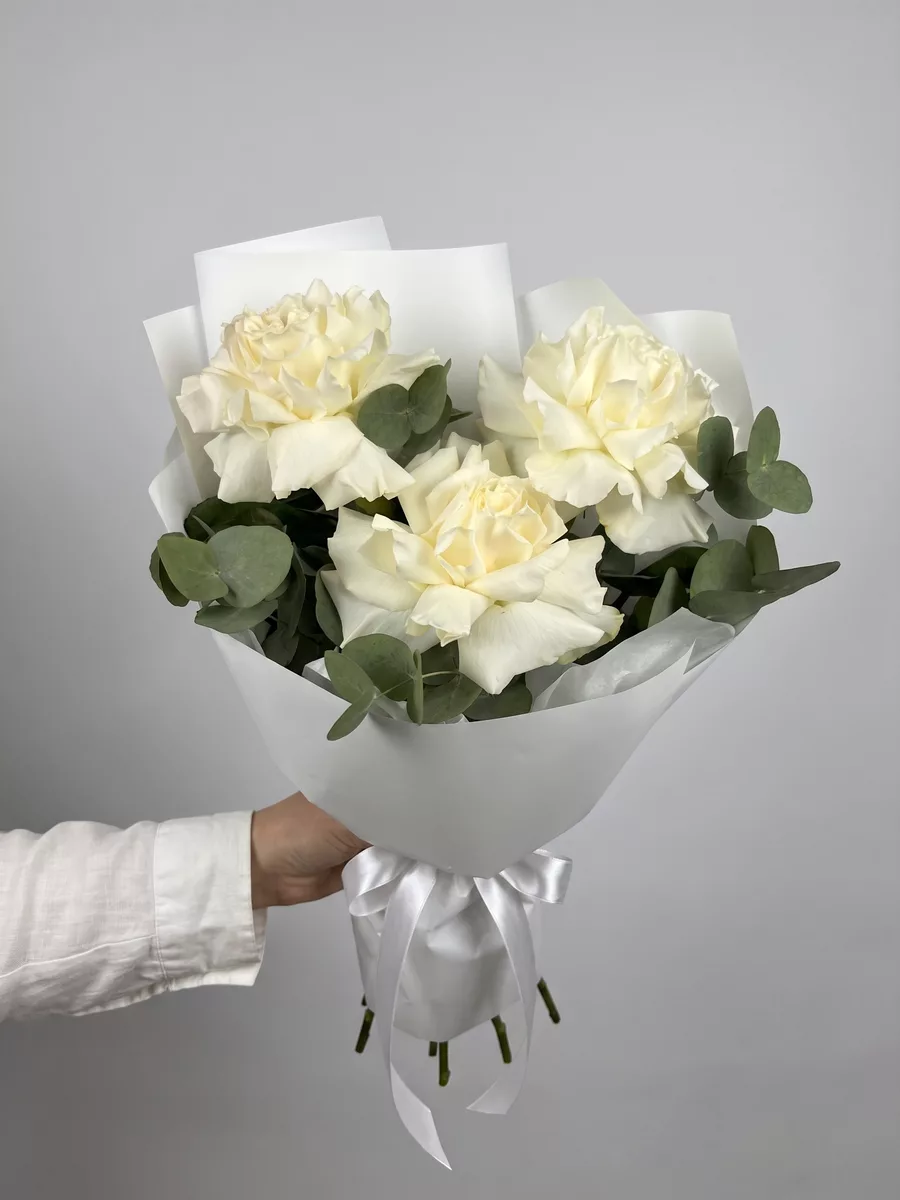
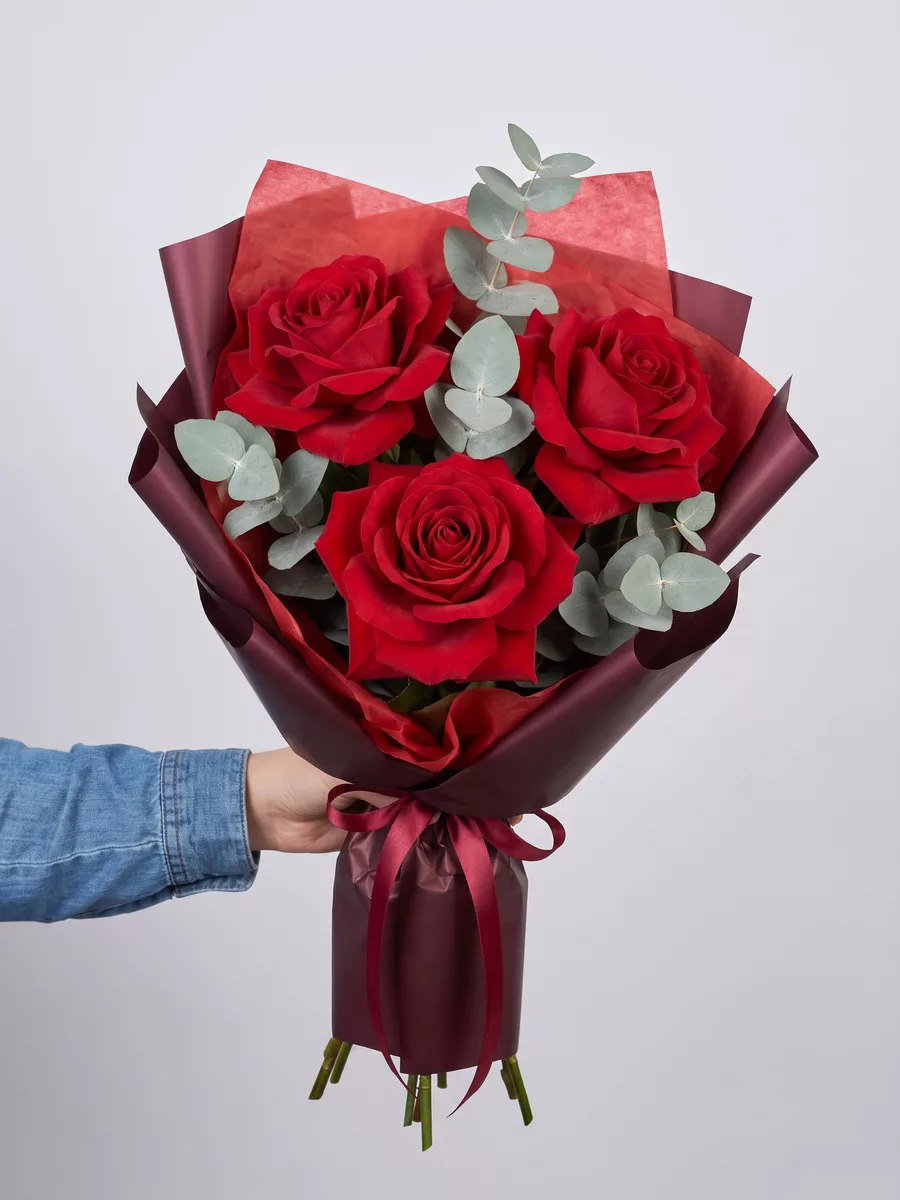
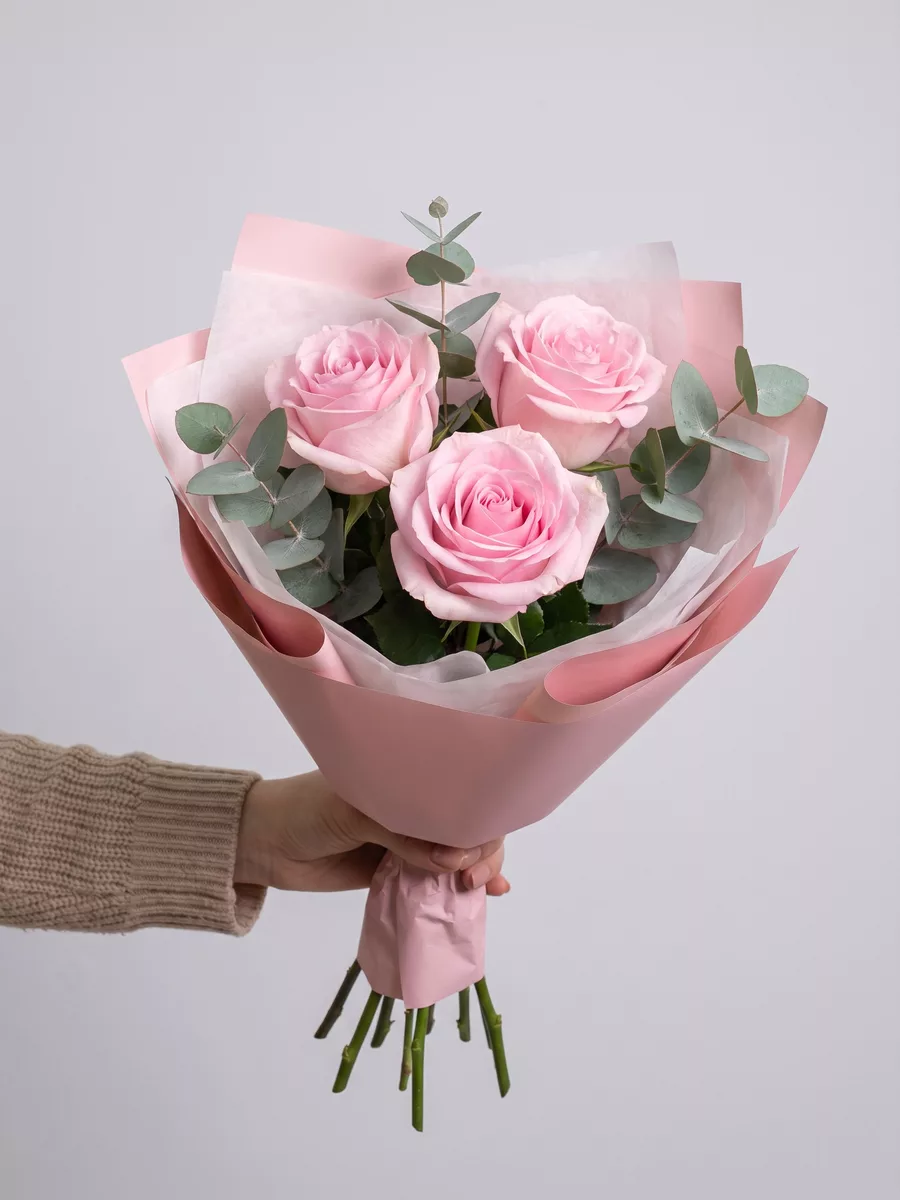
Realistic Timing: What One to Two Hours Means Across This Distance
The one-to-two-hour delivery window refers to the time between your confirmed order and the bouquet reaching the recipient's door within the city. Dalnegorsk is not a metropolitan hub, so the rhythm of delivery is slightly different from a city like Saint Petersburg — but that does not mean slower in a frustrating way. It means the florist preparing your order is working with careful attention rather than processing dozens of identical arrangements in an assembly line. Each bouquet assembled for this route is checked for freshness and structural integrity before it leaves.
For same-day delivery, orders placed in the morning local time give the most flexibility. Orders placed in the afternoon local time are still very achievable for evening delivery, which suits most celebrations well. If you need the bouquet at a precise moment — say, the start of a birthday dinner or just before a work event ends — note the preferred arrival window in your order and we will do our best to honour it.
Weather in Primorsky Krai can be dramatic. Summer brings humid heat, and winter temperatures in Dalnegorsk regularly drop well below minus fifteen degrees Celsius. Both extremes affect flowers in transit. In summer, delicate blooms like garden roses and lisianthus need to move quickly from cool storage to the recipient's hands. In winter, bouquets are wrapped in insulating kraft paper and sometimes a thermal sleeve to prevent petals from freezing during the final walk to the door. This is not an afterthought — it is a standard part of how we pack for this region.
Choosing Flowers for the Person, Not Just the Occasion
Before you think about which flower, think about the person. Someone who keeps a tidy, minimal home will appreciate a single-variety bouquet — all white spray roses, or a clean bundle of freesia — more than a dense mixed arrangement that feels busy in a small space. Someone who loves colour and abundance will light up at a generous mix of gerberas, alstroemeria and solidago, where the eye has somewhere to travel. The occasion sets the mood, but the person sets the style.
For a birthday in Dalnegorsk, chrysanthemums are genuinely beloved locally and hold up exceptionally well in transit — a practical advantage that also happens to align with Russian floral tradition, where chrysanthemums carry no negative association in a celebratory context. Roses remain the universal language of warmth and are available year-round in reliable quality. Peonies, when in season between late spring and early summer, feel extravagant and personal in a way that photographs cannot quite capture.
For a new baby or a housewarming, softer palettes work beautifully: blush carnations mixed with white waxflower, or pale yellow tulips with eucalyptus for texture. These combinations read as gentle and considered rather than showy. For a colleague or a teacher — recipients where the relationship is warm but not intimate — a structured bouquet of alstroemeria in a single colour family strikes exactly the right note. It says effort without overstepping, which is a real social skill expressed in flowers.
Budget Ranges and What Each One Actually Gets You
Talking about budget is practical, not awkward. The honest truth is that the size and variety of a bouquet shift significantly across price points, and understanding what each range delivers helps you choose with confidence rather than guessing.
At a modest budget, you are looking at a focused single-variety bouquet: five to seven stems of spray roses, or a small bunch of freesia, or a handful of bright gerberas. These are not lesser gifts — a tight cluster of fragrant freesia in a single colour can feel more intentional than a sprawling mixed bouquet. The key is choosing a variety that carries meaning or that you know the recipient loves.
In the middle range, combinations become possible. This is where you can pair garden roses with waxflower for texture, or combine lisianthus with ranunculus for a soft, layered look. The bouquet gains visual depth and the wrapping becomes part of the presentation — kraft paper with a grosgrain ribbon, or a matte box arrangement for something more structured.
At a more generous budget, you are working with statement blooms. Peonies in season, garden roses with open faces, or a large architectural arrangement built around protea or anthurium for something genuinely unexpected in a Dalnegorsk living room. Add-ons like a small potted plant, a box of chocolates, or a handwritten card elevated by a quality envelope make the delivery feel like an event rather than a transaction. Whatever the budget, the presentation at the door is the first thing the recipient sees — and we treat that moment seriously at every price point.
What Russian Flower Customs Look Like — and Why They Matter for Your Order
If you are not familiar with Russian floral traditions, a few details are worth knowing before you order, because they genuinely shape how a bouquet is received. The most important is the odd-number rule: bouquets given as gifts are traditionally composed of an odd number of stems — three, five, seven, eleven, and so on. Even numbers are associated with memorial occasions. This is taken seriously across generations, and our florists follow it automatically unless you specifically request otherwise.
Colour carries meaning too, though the associations are less rigid than the odd-number rule. Red roses are romantic and direct — appropriate for a partner, perhaps forward for a colleague. Yellow flowers, which in some Western countries carry associations with friendship or jealousy, are simply cheerful in Russian tradition and are entirely appropriate for birthdays and celebrations. White flowers are elegant and versatile, not mournful.
Presentation wrapping is expected. An unwrapped bouquet handed over without paper or ribbon reads as unfinished, regardless of how beautiful the flowers themselves are. All our bouquets leave the studio wrapped and finished, because we understand that the moment of handing over is a small ceremony in itself.
If you are sending flowers for a name day — den angela in Russian, the feast day of the saint whose name the recipient shares — this is treated with the same warmth as a birthday and a bouquet is entirely appropriate. Name days are not widely known outside Russia but are genuinely celebrated, and sending flowers for one shows a level of cultural attentiveness that the recipient will notice and remember.
Keeping the Bouquet Fresh After It Arrives: Practical Advice for the Recipient
A beautifully assembled bouquet can last anywhere from five to twelve days depending on the varieties and how it is cared for in the first few hours after arrival. The single most impactful thing the recipient can do is cut the stems — about two centimetres from the bottom, at an angle — immediately before placing them in water. This sounds like a small detail but it makes a measurable difference to how long the flowers drink and stay upright.
The vase matters more than most people think. A clean vase with no soap residue, filled with cool rather than warm water, gives the stems the best start. Changing the water every two days and re-cutting the stems each time keeps bacteria from building up in the water, which is what causes stems to soften and flowers to droop prematurely.
Placement in the room affects longevity significantly. Flowers placed near a radiator, in direct sunlight, or next to a bowl of fruit — ethylene gas from ripening fruit accelerates wilting — will fade noticeably faster than those kept in a cool, shaded spot. In winter, Dalnegorsk apartments can be very warm due to central heating, so finding a cooler corner of the room, or even moving the bouquet to a cool hallway overnight, extends vase life considerably.
For specific varieties: tulips keep drinking and growing in the vase, so trim them every other day. Roses benefit from having any leaves removed that fall below the waterline. Gerberas are best kept in shallow water — no more than five centimetres — rather than a deep vase, which can cause stem rot. These are small habits that add days to the bouquet's life and keep the gift feeling alive long after delivery day.
Making the Delivery Feel Personal: Notes, Timing and Small Additions
The flowers are the gesture, but the details around them are the voice. A handwritten card — even a short one — transforms a bouquet from a beautiful object into a message. When you place your order, take two minutes to write something specific rather than generic. Not just 'happy birthday' but a reference to a shared memory, a joke only the two of you understand, or a simple and direct statement of what the person means to you. Recipients in Dalnegorsk, like anywhere, read those cards multiple times.
Timing the arrival can be its own kind of thoughtfulness. A bouquet that arrives first thing in the morning on a birthday sets the tone for the whole day. One that arrives in the evening, when the person is home and relaxed, feels like a warm close to the day. If the recipient works outside the home, a midday delivery when they are likely out can mean the bouquet sits in a hallway for hours — check their schedule if you can and note a preferred time window.
Small additions to the order amplify the effect without requiring much extra thought. A potted succulent alongside cut flowers gives the recipient something that will outlast the bouquet by months, which carries its own kind of meaning. A box of good chocolates or a jar of honey from a Russian producer feels locally considered rather than generic. A balloon, particularly for a child's birthday, turns the delivery into an arrival.
If the delivery is a surprise and you are coordinating with someone at the address to let the courier in, include that person's name and contact in the order notes. Surprises work best when the logistics behind them are invisible, and a little planning on your side makes the moment feel effortless for the person it is meant to delight.
Sending flowers to Dalnegorsk is not a complicated act, but it is a considered one — and that consideration is exactly what makes it meaningful. The distance between the person placing the order and the person opening the door is real, and a fresh bouquet crossing that distance carries the weight of the thought behind it. Choose varieties that travel well and suit the recipient's personality, time the arrival with care, and add a card that says something true. The flowers will do the rest.
Frequently asked questions
Can I order flowers for Dalnegorsk if I am based in another city or country?
Yes, entirely. You place the order online regardless of where you are, and we handle everything at the Dalnegorsk end. The only thing to remember is the time zone difference — Dalnegorsk runs on UTC plus ten, so calculate your preferred delivery time in local hours to make sure the bouquet arrives at the right moment for the recipient.
Which flowers hold up best in Dalnegorsk's cold winter temperatures?
Chrysanthemums, alstroemeria, carnations and spray roses are the most cold-resilient varieties and travel well even in severe frost. We wrap all winter bouquets in insulating layers for the final transit stage. Avoid ordering very delicate open-faced blooms like garden roses with fully open petals in deep winter unless delivery is very short distance indoors.
Why do Russian bouquets always have an odd number of flowers?
This is a longstanding tradition across Russia: odd numbers are for living celebrations, even numbers for memorial occasions. It is taken seriously by most recipients, particularly older generations. Our florists follow this automatically, so every celebratory bouquet we assemble will have an odd stem count unless you specifically ask us to do otherwise.
How do I make sure the delivery is a surprise if the recipient lives alone?
Most recipients are home to accept the delivery directly, which keeps the surprise intact. If you are unsure of their schedule, note a preferred time window and we will aim for it. You can also ask a neighbour or family member at the same address to receive the bouquet without spoiling it — just include their name in the order comments so our courier knows who to hand it to.
How long will the bouquet stay fresh after delivery in Dalnegorsk?
Most bouquets last between five and ten days with basic care: fresh cool water, stems re-cut at an angle every two days, kept away from direct heat and fruit bowls. Chrysanthemums and alstroemeria often push past ten days. Tulips and gerberas are shorter-lived but vivid while they last. We include care instructions with every delivery so the recipient knows exactly what to do.
Ready to send flowers?
Pick the city, choose the bouquet, and a local florist takes it from there.
Choose a city →