Sending Flowers to Dankov? Here Is What to Expect
Dankov is a quiet city on the Don River, and when someone there opens a door to find a fresh bouquet, the moment lands differently than a text message or a gift card ever could. Whether you are arranging a surprise from Moscow, marking a birthday from across the country, or simply want to make an ordinary Tuesday feel like something, getting flowers to Dankov is more straightforward than most people assume — if you know what to plan for.
Which Parts of Dankov We Reach and How We Cover the City
Dankov is compact by Russian city standards, which works in your favour. The central streets around Lenin Square, the residential blocks along Kommunarov and Zavodskaya, the quieter areas near the Don embankment — all of these fall within our standard delivery zone. We do not rely on a patchwork of local partners; our own courier network handles every order, which means one consistent standard of care from the moment the bouquet is wrapped to the moment it reaches the door.
If you are sending to an address on the outskirts or to a private house in the surrounding area, it is worth noting the exact street and any landmark details in the order form. Dankov has a handful of streets with similar names, and a precise address prevents the kind of delay that ruins a timed surprise. Industrial zones near the edges of the city are also reachable, though we always recommend confirming the recipient will be present.
For apartment buildings, our couriers work with intercoms and will call the recipient directly if needed. If the bouquet is a surprise, you can leave a note asking the courier to call you instead, and we coordinate accordingly. The city's manageable size means that once our courier is on the road, the window to the front door is short. Knowing the neighbourhood layout helps us route efficiently and keeps your flowers arriving in the condition they left our preparation area.
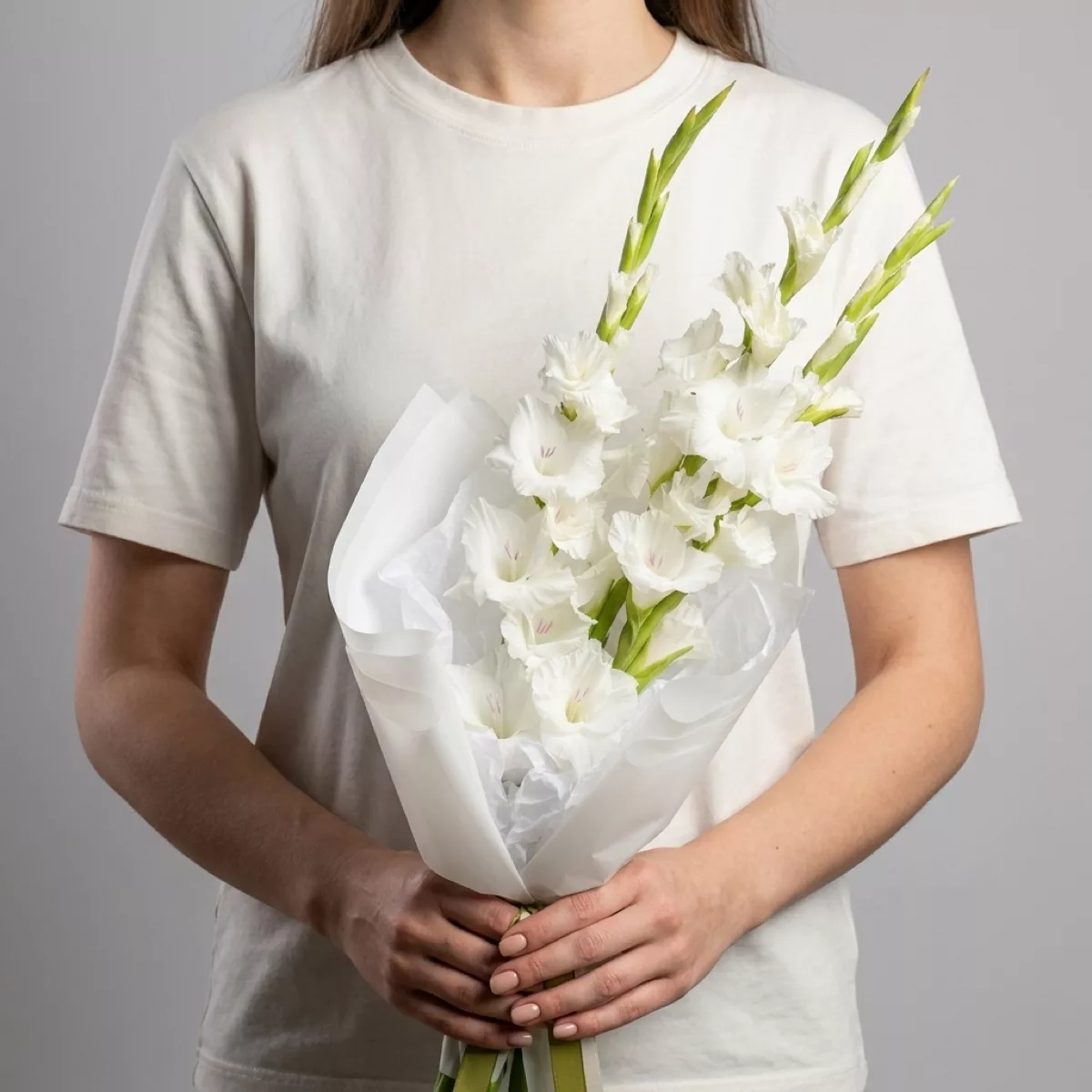
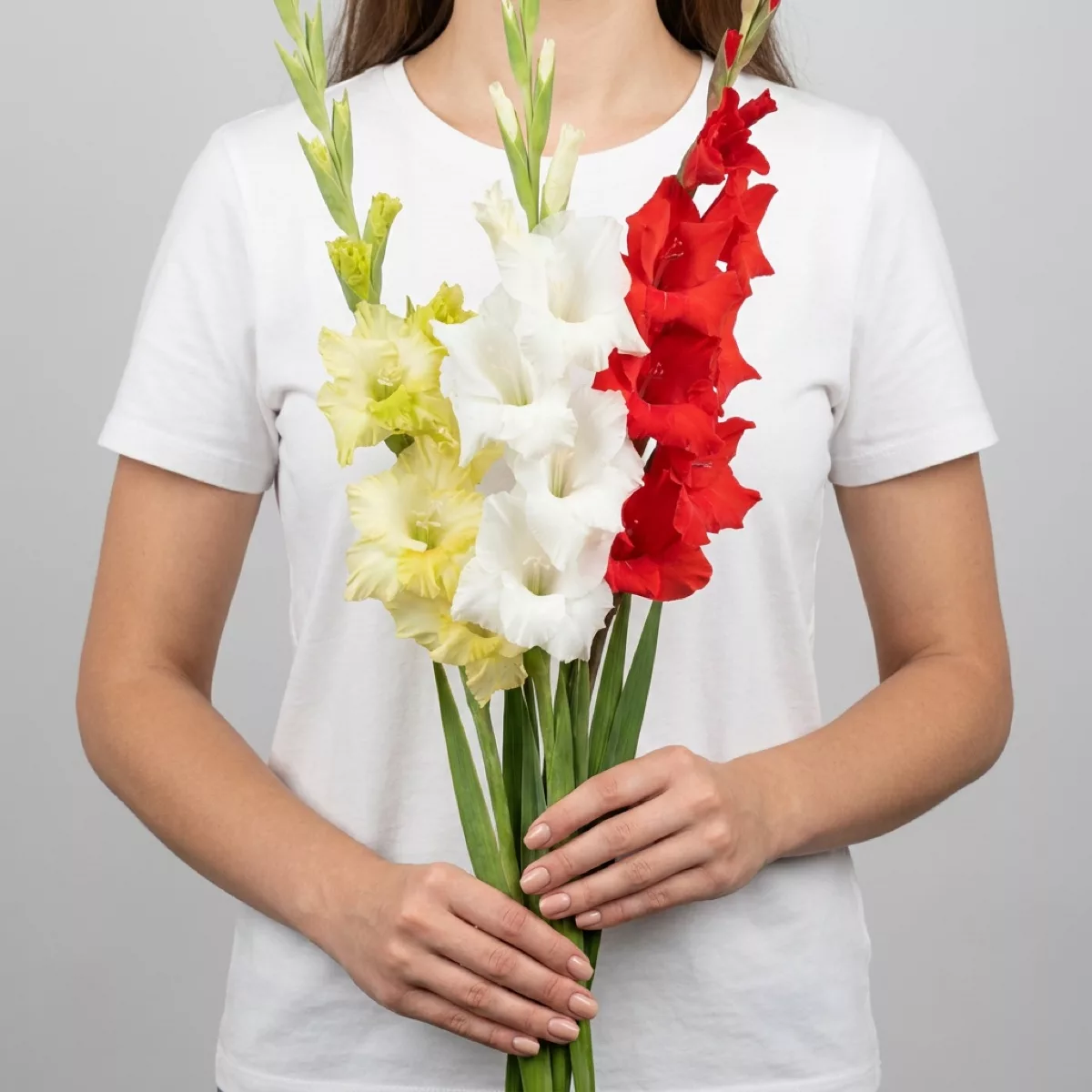
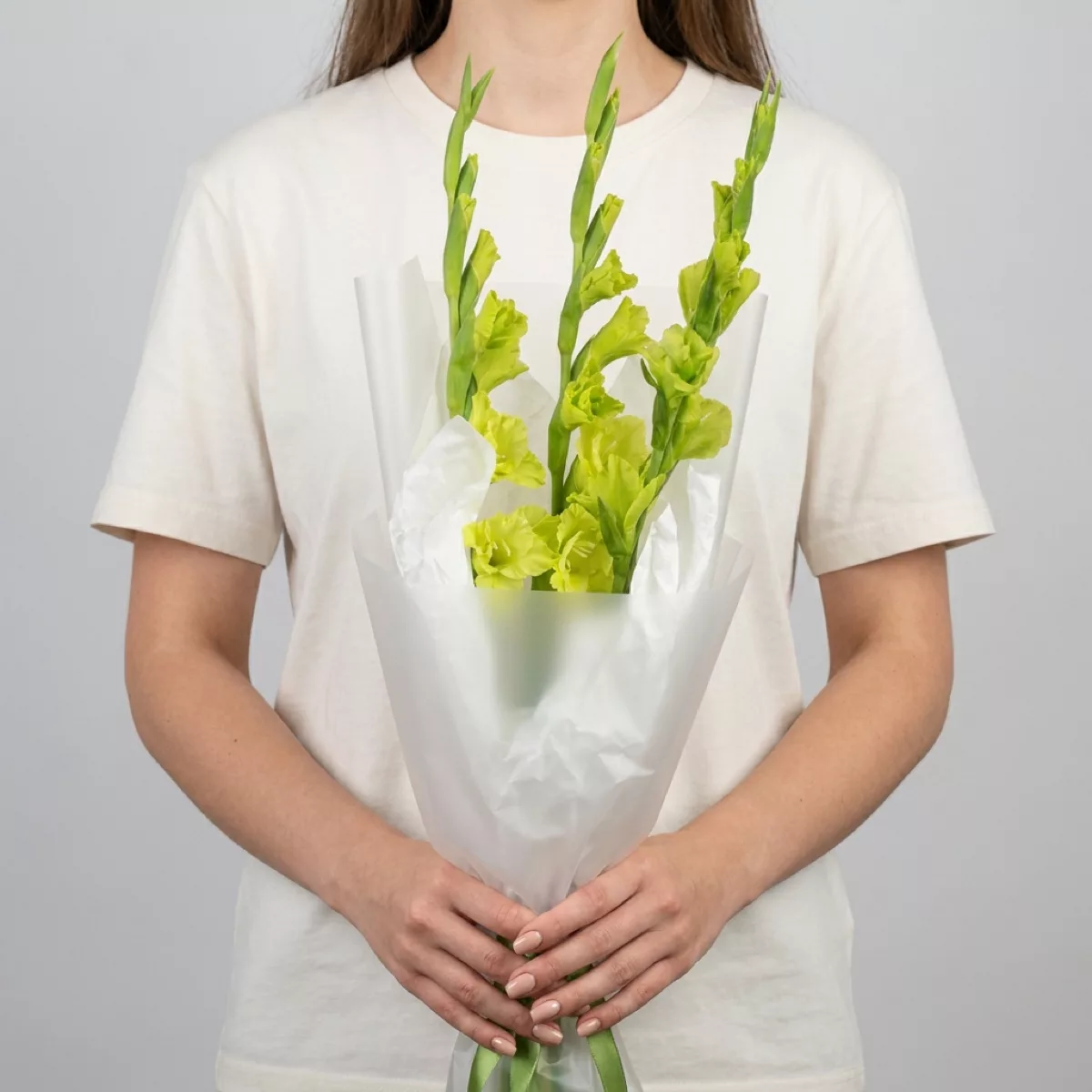
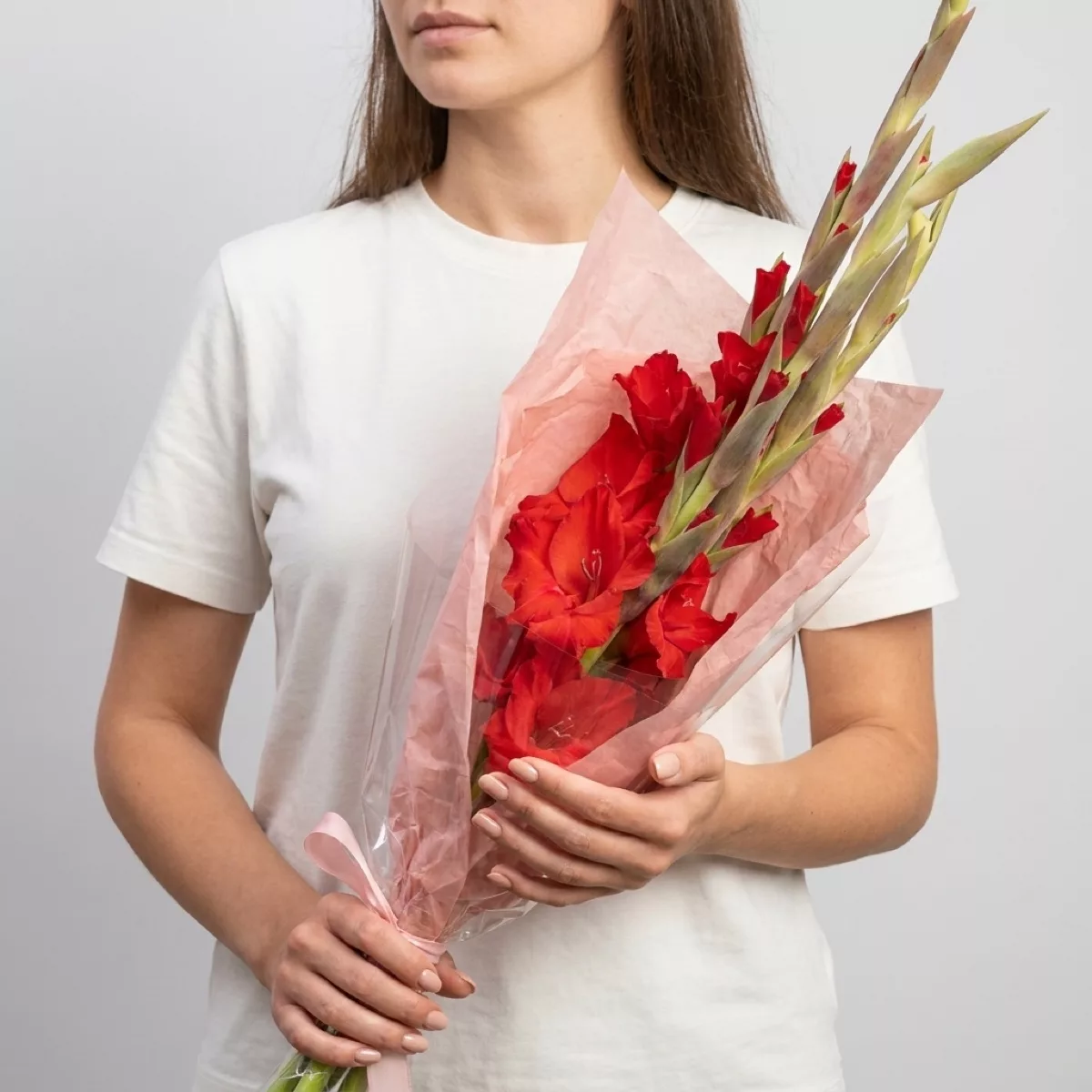
Bouquets we can deliver
Timing Your Order: When to Place It for the Best Result
The standard delivery window in Dankov is one to two hours from the moment your order is confirmed. That window holds for most of the day, but a few timing details are worth understanding before you place an order for a specific occasion.
Morning orders placed before ten o'clock tend to move the fastest, because road traffic in Dankov is lightest in that window and our preparation team is fully staffed. If you want flowers on a table before a birthday lunch, ordering by nine is a comfortable margin. Evening deliveries — say, for a dinner or a return from a trip — work well when placed by six in the evening, giving us room to prepare and route without rushing.
Weekend mornings in spring and early summer are our busiest period across all Russian cities, including smaller ones like Dankov. Graduation season, the weeks around the eighth of March, and the days just before New Year all see higher demand. During these periods, placing your order the evening before or early in the morning of the occasion is a genuine advantage, not just a precaution. Last-minute orders are still processed, but the two-hour window may stretch slightly when demand peaks.
If you are coordinating a delivery with a specific event — a performance, a school ceremony, a family gathering — tell us the hard deadline in the order notes. We treat timed deliveries as a separate priority and route accordingly. A florist who knows your deadline can plan; one who does not is guessing.
Choosing the Right Flowers for the Person, Not Just the Occasion
A bouquet chosen for the recipient always lands better than one chosen for the occasion in the abstract. Start with what you know about the person: do they keep their home warm or cool, do they prefer bold colour or soft tones, do they have a garden and know flowers well, or will they be charmed simply by something fresh and fragrant?
For someone who appreciates classic Russian gifting traditions, roses remain the default — and for good reason. A tight bunch of garden roses in cream or blush, paired with eucalyptus stems, reads as generous and considered without being showy. Spray roses mixed with lisianthus give a similar softness at a slightly more relaxed scale, and lisianthus holds exceptionally well in a vase, often lasting ten to fourteen days with basic care.
If the recipient has a personality that leans toward the unexpected, ranunculus in deep burgundy or apricot make an impression that a standard red rose arrangement does not. Tulips are beloved across Russia and carry a strong seasonal association with spring, but they are available through most of the year and work beautifully when bunched tightly in a single colour rather than mixed.
For someone you know less well — a colleague, a teacher, a host — a mixed seasonal bouquet with a clear colour story is the safest and most pleasing choice. Avoid white flowers alone as a standalone gift in Russian culture, as they carry associations that can feel ambiguous in certain contexts. Combining white with yellow, peach, or green resolves this completely and creates something genuinely lovely.
Bouquets by Budget: What Each Range Realistically Looks Like
Budget shapes a bouquet more in volume and stem count than in quality when you order from a florist who sources carefully. Understanding what each range delivers helps you set expectations honestly, both for yourself and for the person receiving the flowers.
At the entry level, you are working with a focused arrangement: five to seven stems of a single variety, perhaps roses or chrysanthemums, wrapped simply with greenery. This is not a compromise — a tight bunch of seven garden roses in one colour is often more striking than a sprawling mixed bouquet twice the size. The key is that the stems are fresh and the presentation is clean.
In the middle range, the arrangement opens up. You can combine two or three varieties — for example, peony-shaped roses with waxflower and ruscus, or alstroemeria with freesia and soft leather leaf fern. Freesia adds fragrance, which is something a photograph cannot convey but the recipient will notice immediately. This range is where most birthday and anniversary bouquets sit, and it gives the florist enough material to build something with real visual depth.
At the upper end, you are adding premium stems — peonies in season, garden roses with high petal counts, orchid branches, or large-headed hydrangea. Hydrangea in particular makes a bouquet look full and generous, and a single stem provides the visual weight of several smaller flowers. If you are sending for a significant milestone or want the bouquet to be the centrepiece of a room, this is the range to work in. Describe the recipient to us and we will build something that fits them, not just the price point.
How Russian Flower Customs Work — a Plain Explanation
If you are not from Russia or are sending flowers to someone in Dankov for the first time, a few cultural details will help you avoid small missteps and make the gesture land as warmly as you intend.
The most widely known custom is the odd-number rule: bouquets given as gifts should contain an odd number of stems. Even numbers are associated with mourning and memorial occasions. In practice, most florists build bouquets this way automatically, but if you are specifying a stem count, keep this in mind. Five, seven, nine, or eleven stems are all common and entirely appropriate.
Flowers are a standard gift for nearly every celebratory occasion in Russian culture — birthdays, name days, academic achievements, professional milestones, housewarmings, and visits to someone's home for the first time. Arriving at a Russian home for dinner without flowers is not an offence, but arriving with them is always noticed and appreciated. Teachers receive flowers from students at the start and end of the school year, particularly on Knowledge Day in September and at graduation.
The eighth of March — International Women's Day — is the single largest flower-giving occasion in Russia, larger even than Valentine's Day. If you are planning a delivery around that date, order well in advance. The first of September, New Year, and birthdays round out the occasions when flowers are most expected.
Finally, the presentation matters as much as the flowers themselves. A well-wrapped bouquet with a card signals that the sender gave the gift thought. We include wrapping and a card with every order, because the moment of unwrapping is part of what you are giving.
Keeping Flowers Fresh After Delivery: Simple Care for Longer Vase Life
The care a bouquet receives in the first two hours after delivery determines most of its vase life. Passing along a few simple instructions — or including them in your card — can easily double how long the flowers look their best.
The first step is always a fresh cut. Before placing stems in water, cut one to two centimetres from the bottom at a diagonal angle using a sharp knife or scissors. This reopens the stem's water uptake channel, which closes during transport. Do this under running water if possible, or cut and place immediately into the vase before air gets back in.
Water temperature matters more than most people realise. Lukewarm water — around room temperature — is correct for most cut flowers, including roses, lisianthus, and alstroemeria. Cold water slows water uptake; very warm water accelerates bacterial growth. Change the water every two days and recut the stems each time.
Keep the bouquet away from direct sunlight, radiators, and fruit bowls. Ripening fruit releases ethylene gas, which accelerates petal drop in roses and tulips noticeably. A cool spot — between fifteen and eighteen degrees Celsius — is ideal. In winter, this is easy in most Russian apartments if you place the vase near a window away from the heating unit.
Tulips continue to grow after cutting and will lean toward any light source, which some people find charming and others find frustrating. Rotating the vase daily keeps them upright. Roses benefit from removing lower leaves that would sit below the waterline, as submerged foliage rots quickly and clouds the water. These small habits add three to five days to a bouquet's life without any special products.
What Makes a Delivery Memorable Beyond the Flowers Themselves
The bouquet is the centrepiece, but the details around it are what the recipient actually tells someone about afterward. A delivery that arrives on time, presented by a courier who is polite and unhurried, with a card that says something real — that is the version of the story that gets repeated.
The card is where most people underinvest. A blank card with a signature is fine; a card with one specific sentence — something that references a shared memory, a running joke, or a straightforward statement of why you are sending — makes the bouquet feel personal rather than transactional. We print whatever you write, and we never edit or shorten it. Take the extra thirty seconds.
Packaging in transit is something we control, but it is worth knowing what to expect. Bouquets travel in water-retaining wrapping during warmer months and in insulated packaging when temperatures drop below five degrees Celsius. Russian winters in Lipetsk Oblast, where Dankov sits, can reach minus fifteen to minus twenty degrees Celsius. Flowers do not survive unprotected in those temperatures, even for a short journey from a car to a door. Our couriers are briefed on this and move quickly in cold conditions.
If the recipient is not home at the time of delivery, we will contact you immediately rather than leave the bouquet unattended in cold or direct sun. We can hold and redeliver within the same day in most cases. The goal is that the flowers arrive looking the way they did when they left us — and that the person who opens the door feels, immediately, that someone was thinking of them.
Dankov is the kind of city where a bouquet at the door still feels like an event, and that is exactly why it is worth doing properly. Fresh flowers chosen for the person, delivered on time and in good condition, with a card that says something true — this combination does not require a large budget or a complicated order. It requires a florist who takes the logistics as seriously as the flowers themselves. Whether you are sending from across the street or from another city entirely, the result at the door can be the same: someone who feels genuinely remembered.
Frequently asked questions
Can I send flowers to Dankov from another city like Moscow or Saint Petersburg?
Yes, entirely. Most of our orders for Dankov come from people in other cities who want to reach someone they cannot visit in person. You place the order online, provide the recipient's address and phone number, and we handle the delivery from our end. The distance between you and Dankov has no effect on delivery time or flower quality.
What happens if the recipient is not at home when the courier arrives?
We contact you immediately if no one answers the door. We do not leave bouquets unattended, especially in cold weather or direct sunlight, as both damage flowers quickly. In most cases we can redeliver within the same day. It helps to confirm with the recipient that they will be available, or to leave a note asking us to call you rather than them if the delivery is a surprise.
Is it possible to schedule a delivery for a specific time rather than a general window?
Yes. When you place your order, add the required arrival time in the notes field. We treat timed deliveries as a separate priority and route the courier accordingly. For very precise timing — such as before a ceremony or a meal — ordering the evening before gives us the best margin to guarantee the window. Same-day timed orders work well when placed at least three hours ahead.
Which flowers last the longest in a vase, and are they available in Dankov deliveries?
Lisianthus, alstroemeria, and chrysanthemums consistently last the longest among common cut flowers, often reaching ten to fourteen days with basic care. Carnations also hold exceptionally well and are underrated for this reason. All of these are available in our Dankov deliveries. Roses last seven to ten days when cared for properly — fresh cuts, clean water changed every two days, and a cool spot away from fruit and direct sun.
Do bouquets come with care instructions, or should I include them in the card?
Every bouquet we deliver includes a care card with the key steps: fresh cut, lukewarm water, cool placement, and water changes every two days. You do not need to add this to your personal card unless you want to. If the recipient is not experienced with cut flowers, a short personal reminder in your card — something warm rather than instructional — can be a thoughtful touch alongside the printed care guide.
Ready to send flowers?
Pick the city, choose the bouquet, and a local florist takes it from there.
Choose a city →